President Donald Trump’s lack of urgency in filling hundreds of vacant government positions is rattling his own party, as Republicans worry the inaction could cost them control of the Senate beyond the midterms.
More than two dozen federal court seats remain vacant, along with the top jobs at the Labor Department and the Food and Drug Administration, among scores of other unfilled positions.
An anonymous senior White House official told Politico that Trump is in no rush, though. “Ultimately, we need to have the right people in those positions,” the official said. “So if it’s acting for now, so be it. If it takes a little while to find that perfect person, then it takes a little while.”

That patience is not shared by Republican senators who see the clock ticking towards the midterms. “We’re running short on time,” said Sen. Tommy Tuberville, Republican of Alabama, who sits on the Senate Health, Education, Labor and Pensions Committee. “We’d love to get at least one or two of them and get it in the next tranche.”
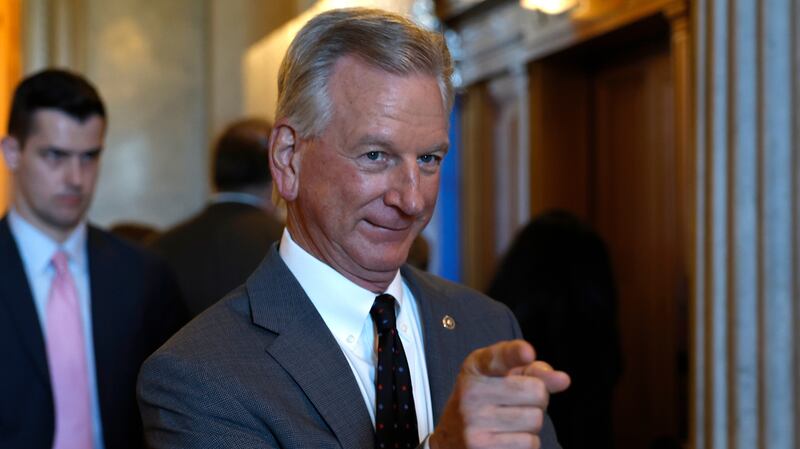
On judicial nominees specifically, Tuberville said he wants “as many as we can get,” adding, “I don’t know why we don’t have more.”
The approach marks a striking reversal from Trump’s first term, when he called appointing judges potentially the “single most important thing you do” as president.
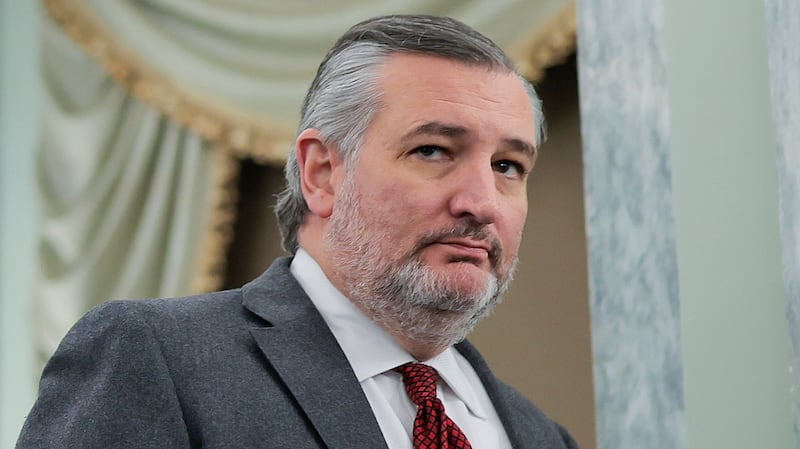
As the Senate left for a two-week recess, only 10 nominees were pending for 29 judicial vacancies. Sen. Ted Cruz, Republican of Texas and a member of the Judiciary Committee, said he “absolutely” wants to see more judges nominated before the year’s end, calling judicial appointments “one of his greatest legacies, both first term and second.” Texas alone has three court vacancies with zero nominees.
Trump inherited only about 40 judicial vacancies entering his current term—fewer than any president since Ronald Reagan—making the slow pace especially puzzling to some Republicans. Judiciary Committee Chair Chuck Grassley of Iowa has previously complained that the White House hasn’t nominated enough judges.
The bottleneck extends well beyond the bench. The nominations of the Labor secretary and FDA commissioner must both pass through the HELP Committee, chaired by Sen. Bill Cassidy of Louisiana, who lost his primary last month after Trump endorsed a rival.
Republicans on the panel say they have heard almost nothing about the administration’s plans. “Nothing at all... radio silence,” said Senator Roger Marshall of Kansas. Another GOP senator, speaking anonymously, said the same specifically about a Labor secretary pick.
The dynamic between Trump and Cassidy adds another layer of friction. One person close to the process, speaking anonymously, asked bluntly, “Why give Cassidy a platform to get back at DJT?”
Another GOP senator predicted Cassidy would “play games” with nominees forced through his committee. A third person close to the White House summed up the broader mood in the Senate. “I really don’t think a lot of senators are in any mood to give the president any wins because they’re frustrated with him,” they said.
Sen. John Kennedy of Louisiana, also on the Judiciary Committee, said he has had “a couple good discussions” with the White House about a pending circuit court vacancy, and made clear he won’t rubber-stamp anyone if he doesn’t see fit. “If it’s somebody I support, I’ll vote for them. If it’s somebody I don’t support, I’ll vote no,” Kennedy said. “It’s an important spot. They know I’m on Judiciary, and they know I’ll vote no if I don’t agree.”
The White House official insisted Trump “remains committed to nominating highly qualified individuals for a variety of posts that are aligned with the agenda the American people elected him to enact,” and said more nominees would be sent to the Senate, including to the HELP Committee.
Senate Majority Leader John Thune said he had not personally discussed the major HELP-related picks with the White House but encouraged the administration to move faster. “I think it’s always better to have people in permanent positions rather than temporary,” Thune said.
Trump has the authority to fill roughly 4,000 politically appointed positions across the executive branch and independent agencies, including more than 1,300 requiring Senate confirmation. Of 824 such positions tracked jointly by The Washington Post and the Partnership for Public Service, 268 currently have no Trump nominee at all. As of June 25, Trump had named 466 nominees overall, with 106 currently before the Senate and 360 already confirmed.