The Trump administration reportedly sidelined experts who could’ve warned the president of a global energy crisis before his war on Iran unleashed one.
Months before President Donald Trump launched strikes on Iran, his administration carried out sweeping Department of Government Efficiency cuts that eliminated key energy expertise from the State Department, according to former officials.

In July 2025, under a reduction-in-force initiative, the department—led by Marco Rubio—laid off staff responsible for modeling worst-case scenarios tied to oil markets, including disruptions in the Strait of Hormuz, where roughly 20 percent of the world’s oil typically passes.
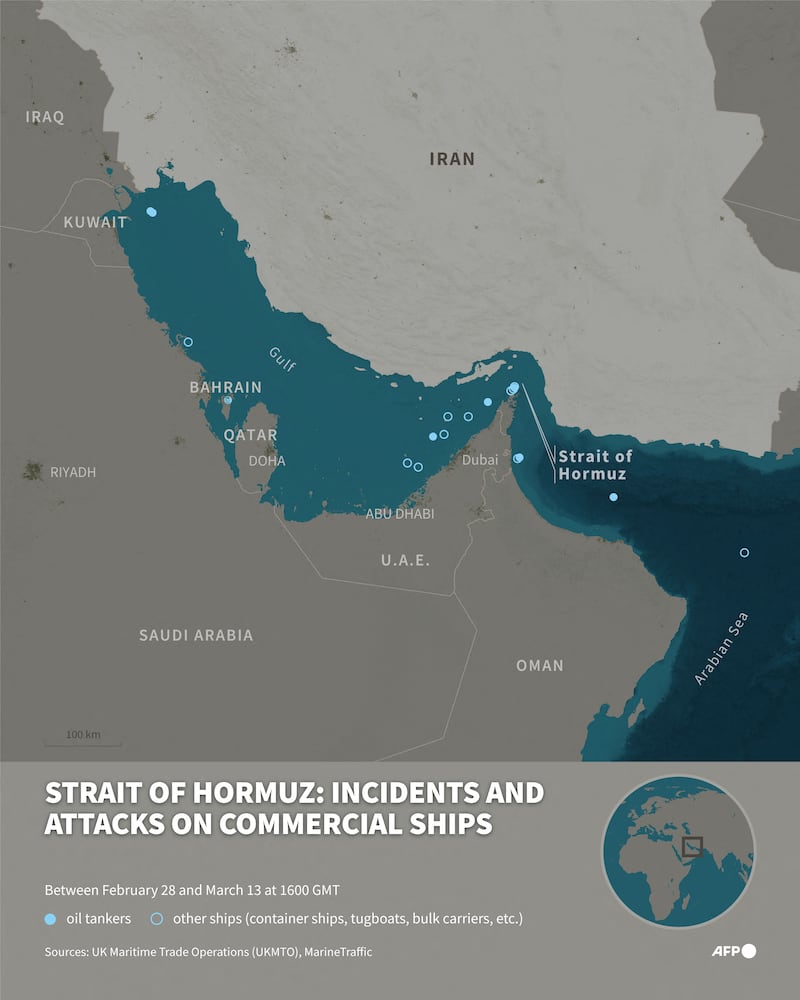
Now, that very scenario has unfolded, and the conflict has stretched into its third week. The important energy chokepoint remains effectively closed, and former staff say the consequences are coming into focus.
“I’m sure Secretary Rubio wishes he had that expertise available today,” said Geoffrey Pyatt, a former assistant secretary of state for energy resources. “Most of that institutional knowledge was lost with the elimination of the bureau and RIFs last fall.”
Nine former oil and gas experts told NOTUS that the administration’s lack of preparation is glaringly obvious. Among those cut were specialists with deep ties to Middle Eastern energy firms, diplomats managing relationships with foreign energy ministries, and the bureau’s sole tracker of sanctioned oil tankers.
The shakeout also removed the primary liaison to the International Energy Agency, which coordinates emergency releases of global petroleum reserves.
“Before any of this should have happened, there should have been discussion about what are the implications of this, and what happens when the Strait of Hormuz turns off,” one former staffer said.
The disruption has left oil and gas companies without a clear diplomatic point of contact inside the administration, according to nearly all former officials interviewed. Several now work in the private sector and described a vacuum where coordination once existed.
“There was never any handover or transition. There was no formal handover of contacts or anything like that. We were all just let go,” another former official said.
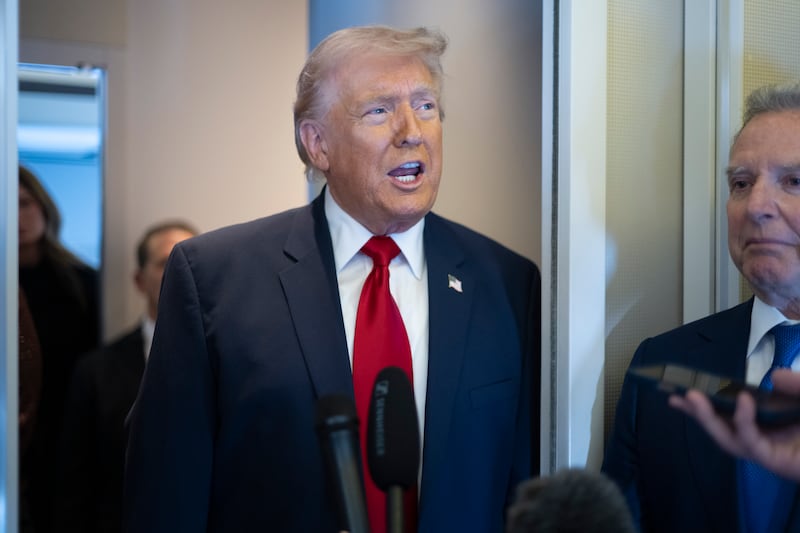
Even Trump appeared caught off guard by the regional fallout, acknowledging that Iran’s retaliatory strikes extended beyond initial expectations.
“They weren’t supposed to go after all these other countries in the Middle East… Nobody expected that,” he said, referencing attacks on Qatar, Saudi Arabia, the United Arab Emirates, Bahrain, and Kuwait.
In response to tightening supplies, Energy Secretary Chris Wright said 172 million barrels would be released from the Strategic Petroleum Reserve.
The administration has also floated the idea of using U.S. forces to guide tankers through the strait, despite its repeated battering by Iranian strikes.
A Department of State spokesperson told the Daily Beast that what took place was a “results-driven reorganization.”
The Bureau of Energy Resources also fired its only expert in tracking sanctioned oil tankers. After a State Department cull of 1,300, the only people left at that department were those who worked on critical minerals and clean energy.
The spokesperson said that the Bureau of Energy Resources’ “critical capabilities were moved back to their original bureau,” the Bureau of Economic, Energy, and Business Affairs (EEB).
“Following this comprehensive reorganization, the Department’s energy policy teams are performing better than ever. EEB is coordinating the release of strategic reserves with allies and partners in response to Iran’s attacks, driving increased exploration and production with U.S. companies in key theaters globally, especially in Central Asia, Africa, and the Western Hemisphere including Venezuela, and hosting the Secretary’s historic Critical Minerals Ministerial earlier this year with 55 international delegations in one of the largest ministerials at the State Department,” they added.