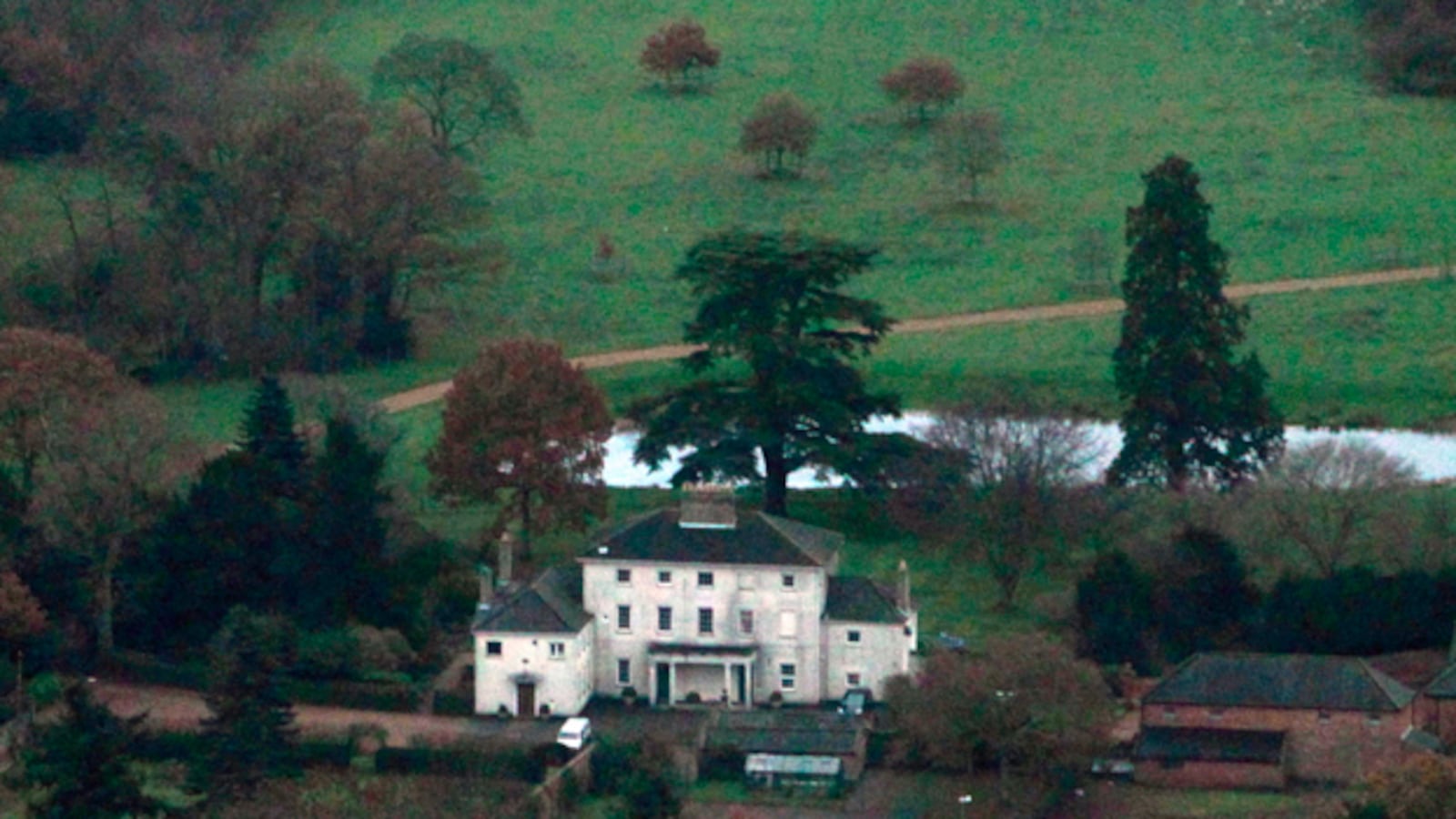
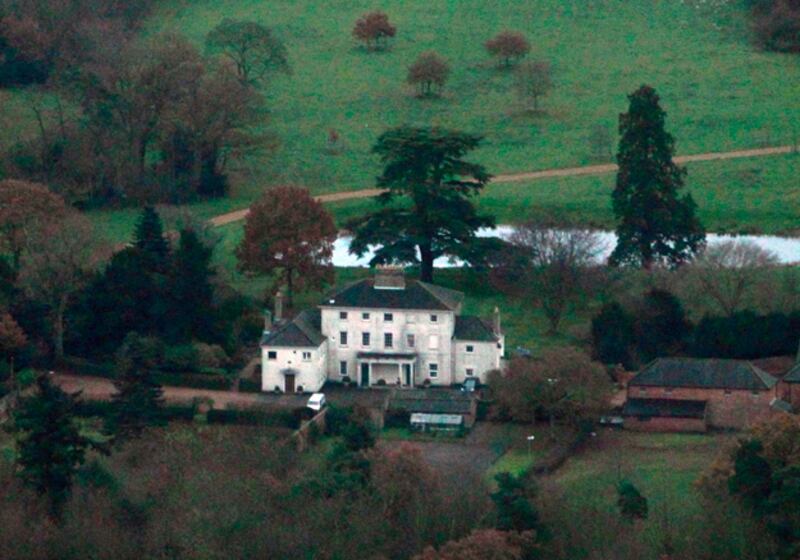
WikiLeaks’ founder Julian Assange was released on bail on sexual misconduct charges on Thursday—and he was ordered to stay at this 10-bedroom manor house in Norfolk, England. Assange’s house arrest is a bit different from the norm: Since he moves around often for his safety, a key WikiLeaks supporter Vaughan Smith let Assange use his 300-year-old mansion as his new jail. The 10-bedroom Ellingham Hall sits on a 600-acre estate—so big, he can’t even wander around the whole thing without setting off his electronic monitoring bracelet. But Assange still fears for his safety, and has warned that the U.S. government may try to arrest him within 24 hours.
Matt Dunham / AP Photo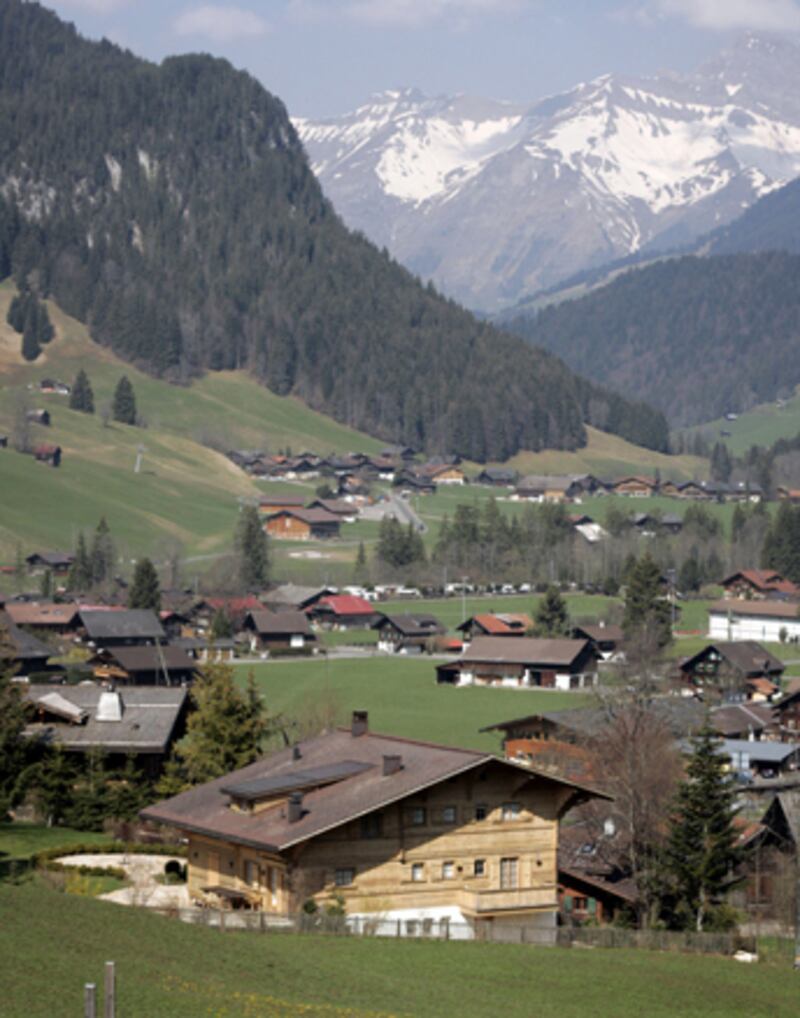
The world was shocked when Roman Polanski, the celebrated film director, was arrested by Swiss authorities more than 30 years after pleading guilty to having sex with a 13-year-old girl in California, especially Europeans, where he had lived while evading the law. After spending two months in a Swiss jail cell, he was released to his luxury chalet in the resort town of Gstaad, Switzerland under house arrest. While he was not free to leave, the $1.6 million chalet was a step up from the jail cell that contained only a sink, bed, toilet, television and storage compartment.
Laurent Cipriani / AP Photo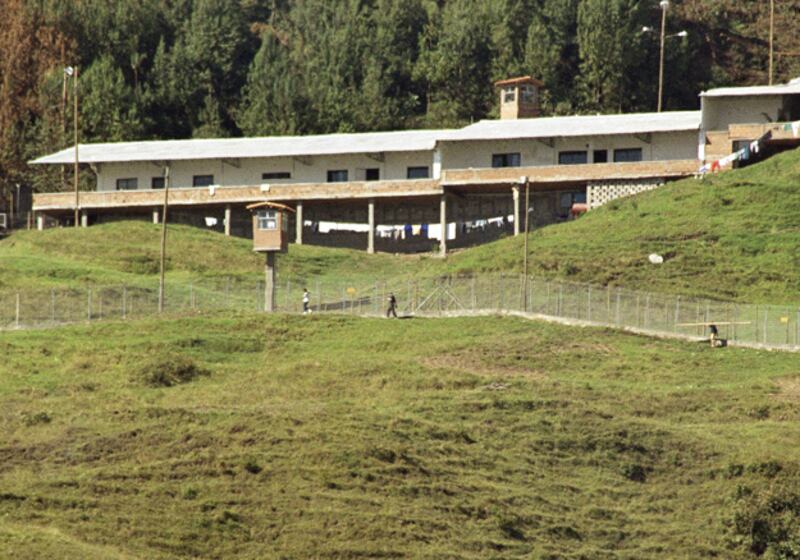
One of the most notorious drug dealers in history, an ordinary prison would not suffice for Pablo Escobar. When Escobar surrendered to Colombian authorities after six months of negotiations, he insisted on a prison he had built himself known as La Catedral. Although La Catedral—the Cathedral in English—was supposed to be a prison, some called it “Club Medellin” and the guards joked it was “maximum comfort” rather than maximum security. La Catedral had a living room, a kitchen, a master bedroom, an office, a bathroom with a Jacuzzi—and a bar with a disco. Not only did his family frequently visit, but the parties were well-known—and the guards turned a blind eye to his drug trafficking. But when Escobar took four lieutenants to the prison and tortured them and then murdered them, the government took action and ordered him to a normal prison. Escobar refused and escaped—and began another life on the run.
Ricardo Mazalan / AP Photo
For John Gotti III, or Junior Gotti, being under house arrest was just one in several stints in different jails. In 2005, while awaiting his racketeering retrial, Gotti was released on house arrest to his home in Oyster Bay, Long Island—also known as the “Gold Coast” made famous by The Great Gatsby. Gotti’s nine-room mansion had plenty of space for him and his family, but Gotti did have restrictions on leaving and had to wear an electronic-monitoring device—which was hard for Gotti, a well-liked member of the community. After six days at home, he left his house for the first time to attend St. Dominic’s Catholic Church with his family. A judge eventually decide not to try him for a fifth time, and he was free to explore his community once again—but it was not long before he was up again before a jury on new charges, although he was acquitted in 2009 and returned home to Oyster Bay.
James Messerschmidt / Splash News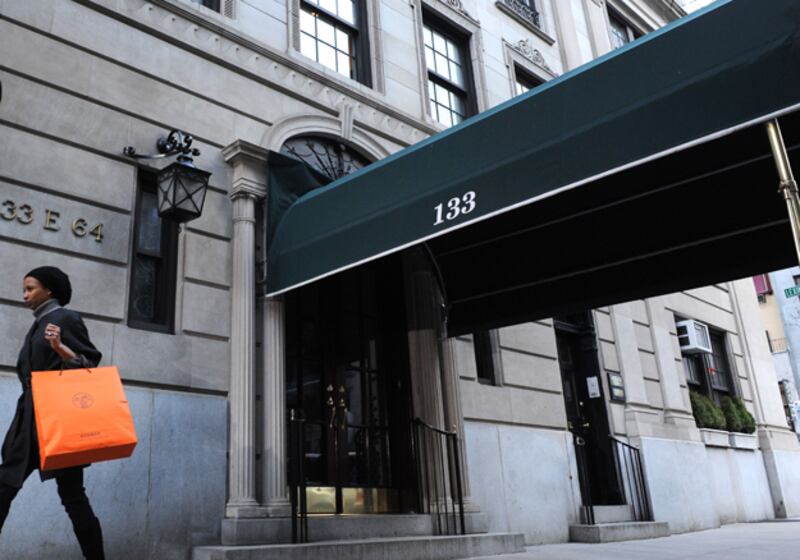
When news broke of Bernard Madoff’s massive Ponzi scheme, there were calls for blood—and a long prison term. But in the days immediately following his arrest, prosecutors agreed to house arrest—in his $7 million New York City penthouse apartment. The two-floor, seven-room apartment on Manhattan’s Upper East Side included a wrap-around terrace, a breakfast room and a “ staff room.” Not bad digs for somebody accused of one of the largest frauds in history. Madoff was later sentenced to 150 years in prison—and his wife, Ruth, was evicted by federal authorities after his conviction.
Louis Lanzano / AP Photo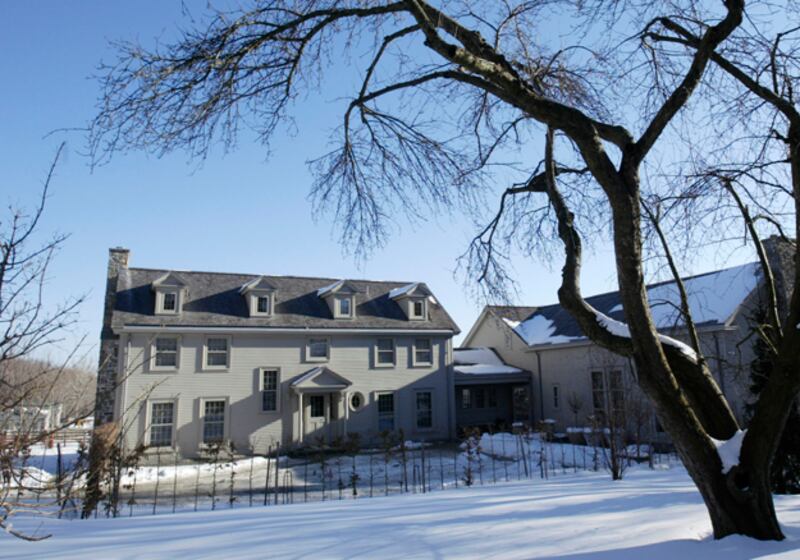
After serving five months at the remote Federal Prison Camp in Alderson, West Virginia, Martha Stewart was ordered to spend the next five months under electronic monitoring—at her home in Bedford, New York. Her Bedford residence was a bit of an upgrade: on 153 acres, the bracelet wouldn’t even cover her entire estate. Stewart said house arrest was “hideous” and called it “lockdown”—although she was allowed to leave Bedford for 48 hours a week for work outings. Confinement must have gotten to her: at the tail end of her house arrest sentence, she was sentenced to another three weeks after breaking the confinement by going to a yoga class.
Gregory Bull / AP Photo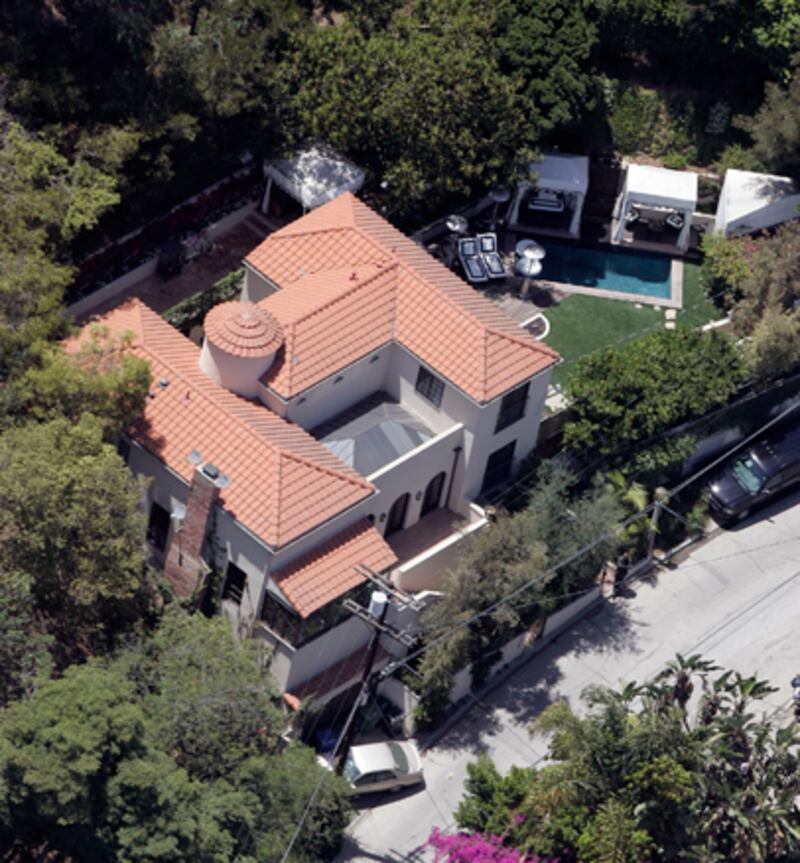
Not many people can claim they checked in to jail, were released under house arrest, went back to jail and were released again by the end of the month—but that would be Paris Hilton in June 2007. Hilton checked herself into the Century Regional Detention Facility on June 5, where she was housed in a “special needs” unit and spent 23 hours a day in a cell. But within two days, she was released under house arrest due to a medical condition—at better digs: a 2,700 square foot house with four bedrooms and three bathrooms. But house arrest didn’t last long: by June 8, she was sent back to her cell— crying and screaming upon hearing the news.
Chris Carlson / AP Photo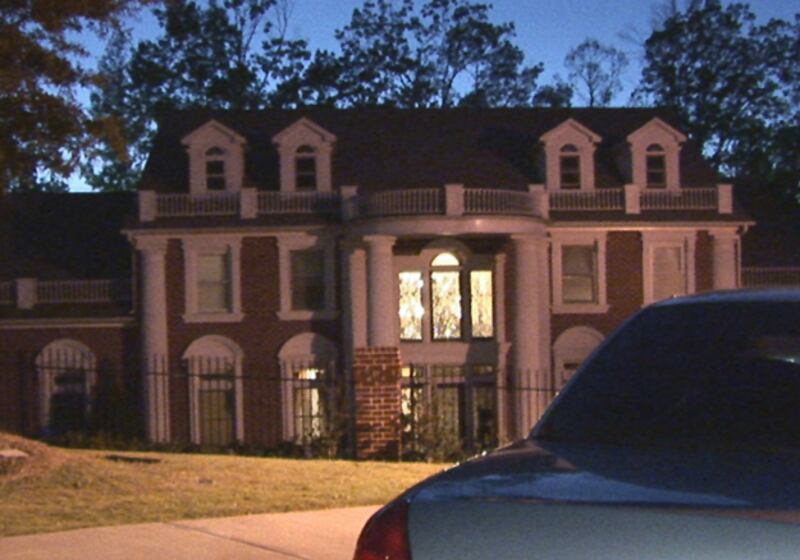
Rapper T.I. was sentenced to an undefined jail term, a year of house arrest and 1,500 hours of community service on a gun charge in 2008, and he spent the time strategizing a comeback. Only his girlfriend and children were permitted to live with him and all visitors were monitored—and he made the best of the time, releasing two No. 1 singles and recording the album Paper Trail. He was sentenced to a year in jail in 2009 and returned to his Atlanta house in 2010, but it was short-lived: He was sentenced to another 11 months in Forrest City Federal Facility for violating his parole in November 2010. He is scheduled for release in September 2011.
Jason Bronis / AP Photo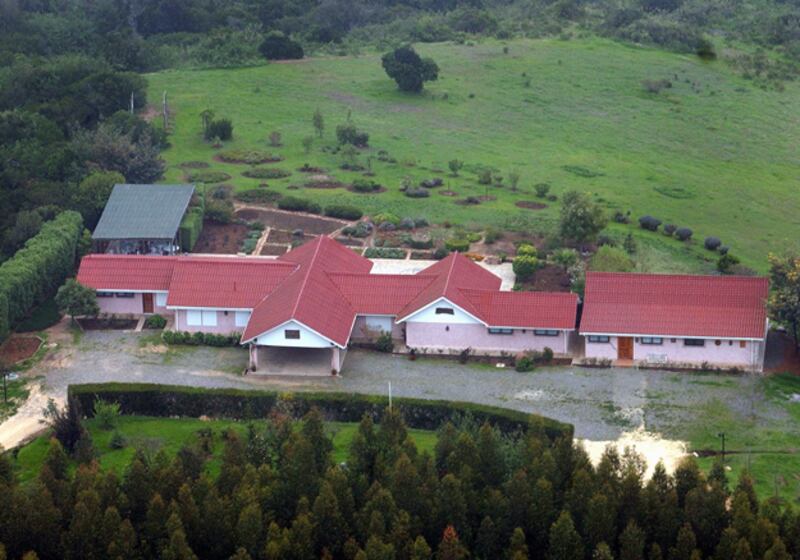
Chilean dictator Augusto Pinochet was notoriously wanted on a number of international crimes, but he had immunity while in Chile. After traveling to London for medical treatment in 1998, he was finally arrested—and due to his poor health, he then spent the next five weeks in a mansion in Surrey, England under house arrest. Although 87 and in poor health, Pinochet returned to Chile in 2000 and spent the next six years fighting off various charges—eventually being sentenced to house arrest one last time only days before he died in 2006. After his death, his former mansion was turned into a museum.
Felipe Gonzalez, Que Pasa / AP Photo
A former international soccer player, Muammar Gaddafi’s third son has long been known as a playboy with a taste for the good life. In 2010, he was ordered by an Italian court to pay back an outstanding hotel bill of $494,000 after renting a luxury hotel suite where he reportedly entertained guests while under contract with an Italian soccer club. It doesn’t seem like Saadi will be missing much of the luxury lifestyle despite having fled Libya and living under what the U.S. State Department calls “essentially house arrest” in Niger. According to Britain’s Telegraph, Saadi was sent by Nigerian officials to a state guesthouse next to the presidential palace in Villa Verde. He’s not alone either: Saadi is reportedly surrounded by other Libyan generals who have sought refuge in Niger, living in a high-walled hillside complex of bungalows.
Dan Peled, File / AP Photo
Dominique Strauss-Kahn may have been suicide watch at Rikers Island, but it’s hard to believe his next location, a heavily guarded, $50,000-a-month Tribeca townhouse, was anything less than luxurious. Before the rape charges against the former IMF head were dropped, DSK’s prison substitute included “a home theater, gym, spa, bar and rec rooms” according to the New York Post. Armed guards and a GPS anklet didn’t prevent the French politician from enjoying the heated limestone floors, waterfall shower, Italian cabinetry, and countless other top-of-the-line amenities of his four-bedroom, five-bathroom pad or from getting dinner delivered from the many of Tribeca’s trendy restaurants—including one reported $242.79 dinner from neighboring Landmarc.