Time is money.
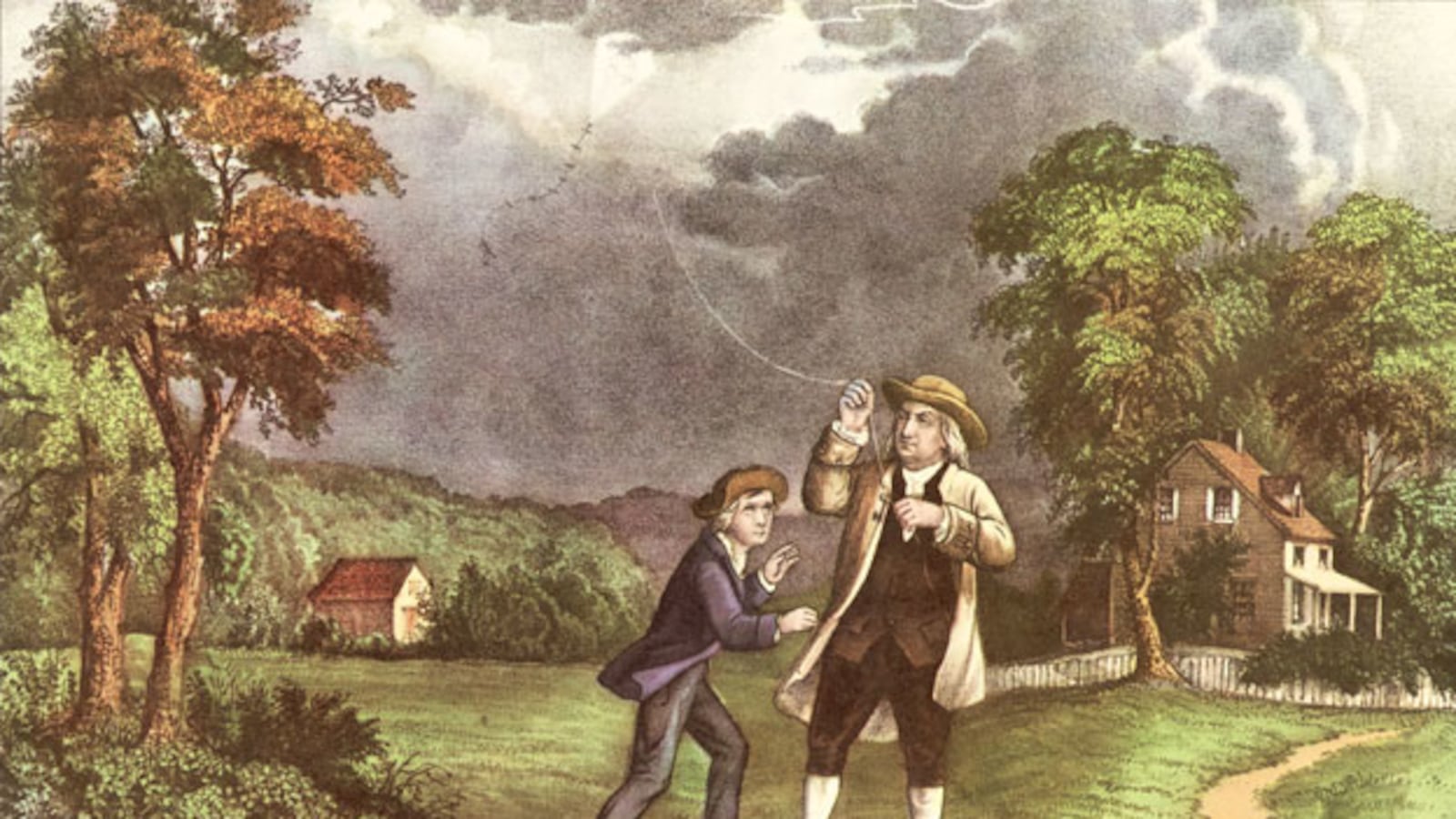
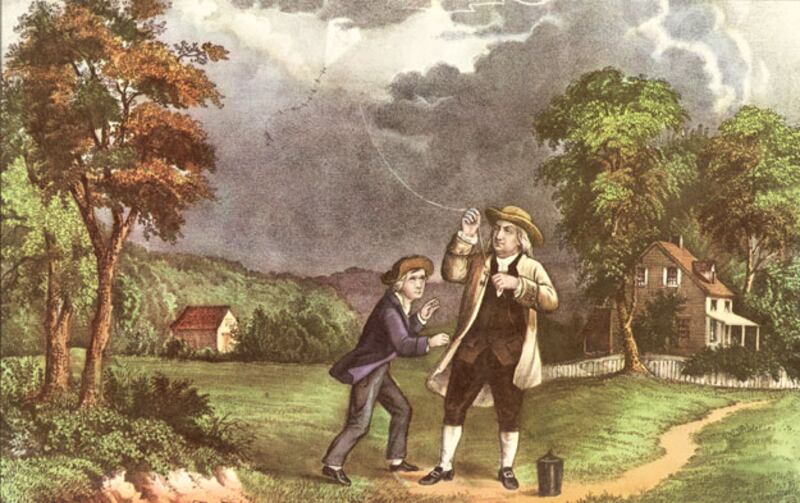
A professional wit among many other things (including polymath, printer, pamphleteer, and philanderer), Benjamin Franklin contributed many iconic truisms to American life through his annual
Poor Richard’s Almanack, including “Early to bed, early to rise, makes a man healthy, wealthy, and wise.” Unhappily married for most of his life, he could have worked the Borscht Belt with his one-liners about wedded bliss. “Marry’d in haste, we oft repent at leisure,” “Keep the eyes wide open before marriage and half-shut afterwards.” But his greatest phrase came in his “Advice to a Young Tradesman” in 1748: “Remember that time is money.”
Question with boldness.
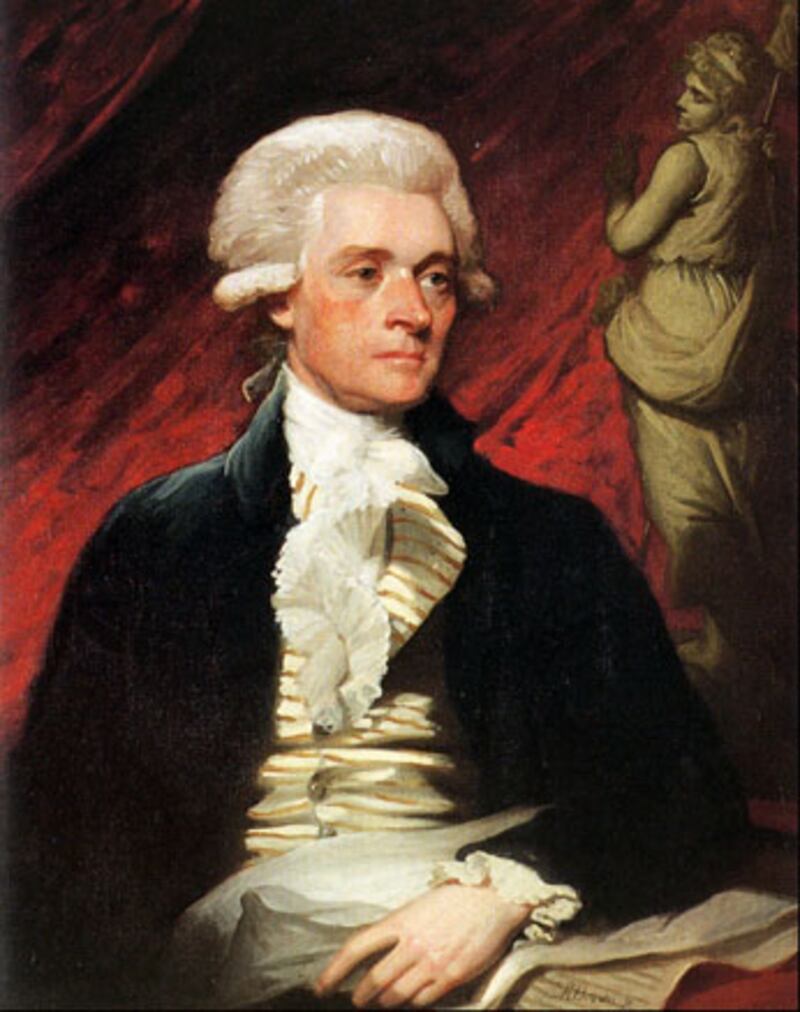
On August 10, 1787, while serving as a minister to France, Thomas Jefferson wrote a letter of avuncular advice to his nephew Peter Carr. In it he advised in favor of studying Spanish and against studying Italian. He strongly advocated reading moral philosophy to improve conduct. And the famed skeptic wrote this about religion: “Fix reason firmly in her seat, and call to her tribunal every fact, every opinion. Question with boldness even the existence of a God; because, if there be one, he must more approve of the homage of reason, than that of blindfolded fear.”
WORK! WORK!! WORK!!! WORK!!!!
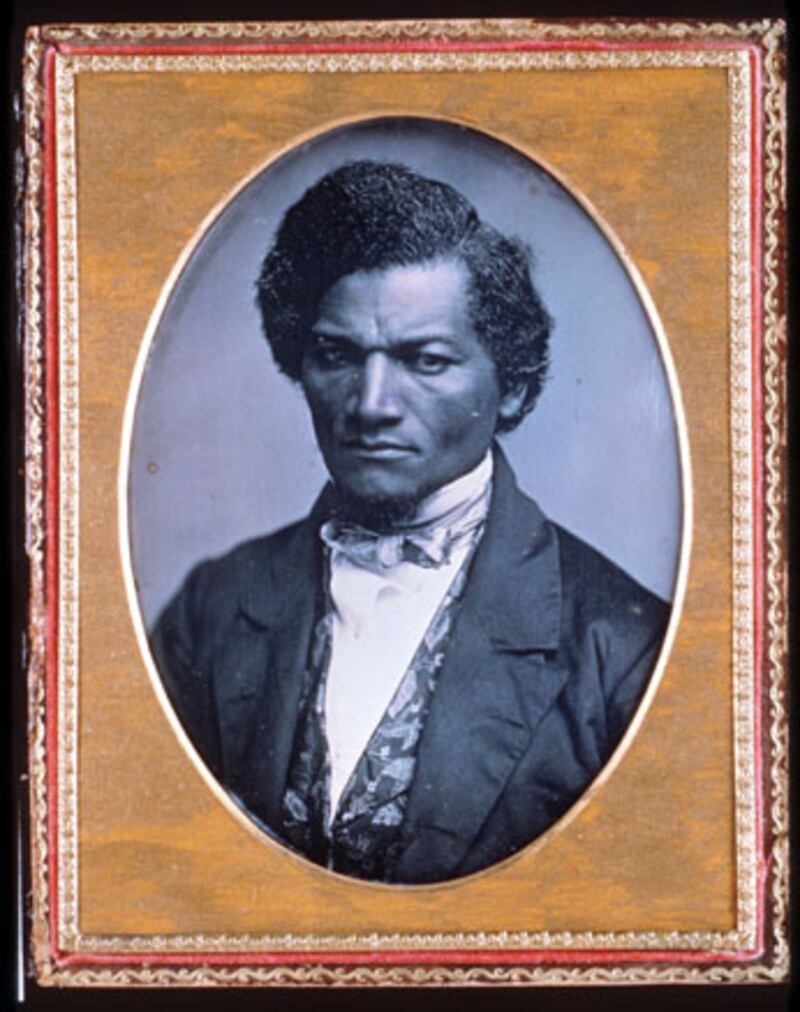
America’s most famous ex-slave made a living as an inspirational speaker. The Maryland native gave his first talk in Nantucket in 1841 when he was only 23 and not long out of slavery. One of his most popular talks was “Self-Made Men,” first given in 1859. Self-made men, he said, owe little or nothing to birth, relationships, or inherited wealth. “Opportunity is important,” he said, “but exertion is indispensable.” The most quoted line in his passionate plea for honor, integrity, and labor, is, “We may explain success mainly by one word and that word is WORK! WORK!! WORK!!! WORK!!!!”
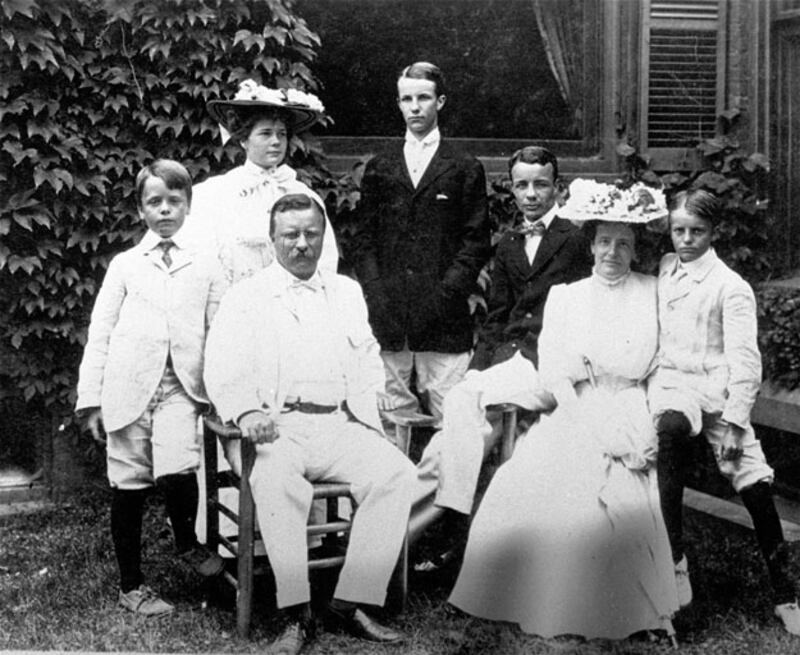
The credit belongs to the man in the arena.
In 1900, while governor of New York, Teddy Roosevelt wrote an essay in
St. Nicholas magazine called “What We Can Expect of the American Boy.” It contains a few good lines—“A boy can best become a good man by being a good boy—not a goody-goody boy, but just a plain good boy.” But mostly it’s filled with retread. “In life, as in a football game, the principle to follow is: “Hit the line hard; don't foul and don't shirk!” Roosevelt’s most iconic advice sounds trite today (in part because Richard Nixon quoted it when resigning), but was fresh in 1910. “The credit belongs to the man who is actually in the arena, whose face is marred by dust and sweat and blood...,who at the best knows in the end the triumph of high achievement, and who at the worst, if he fails, at least fails while daring greatly.”
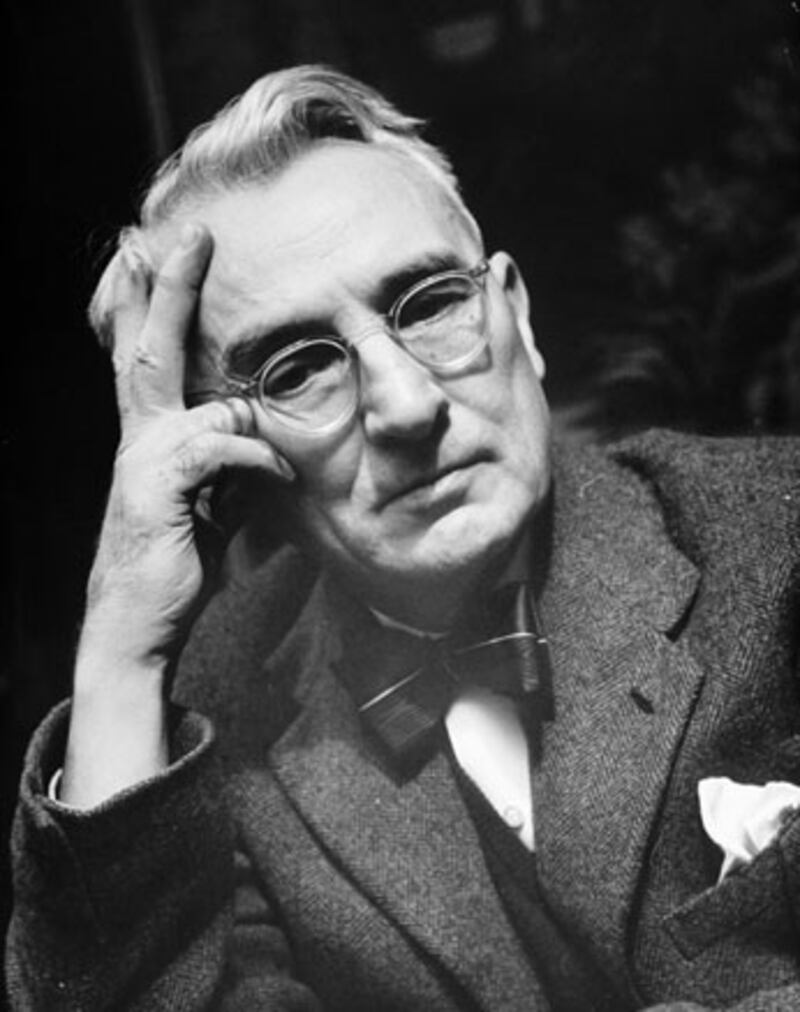
Be a good listener.
In 1934, Leon Shimkin of Simon & Schuster took a 14-week self-help course given by Dale Carnegie, a failed Midwestern actor turned inspirational lecturer. Born Carnagey, he changed the spelling of his surname to match that of Andrew Carnegie (no relation) one of the most recognized names in American success. Shimkin persuaded the instructor to publish a book,
How to Win Friends and Influence People, which has gone on to sell 15 million copies. His “six ways to make people like you” are: 1. Become genuinely interested in other people. 2. Smile. 3. Remember that a man's name is to him the sweetest and most important sound in any language. 4. Be a good listener. 5. Talk in the terms of the other man’s interest. 6. Make the other person feel important.
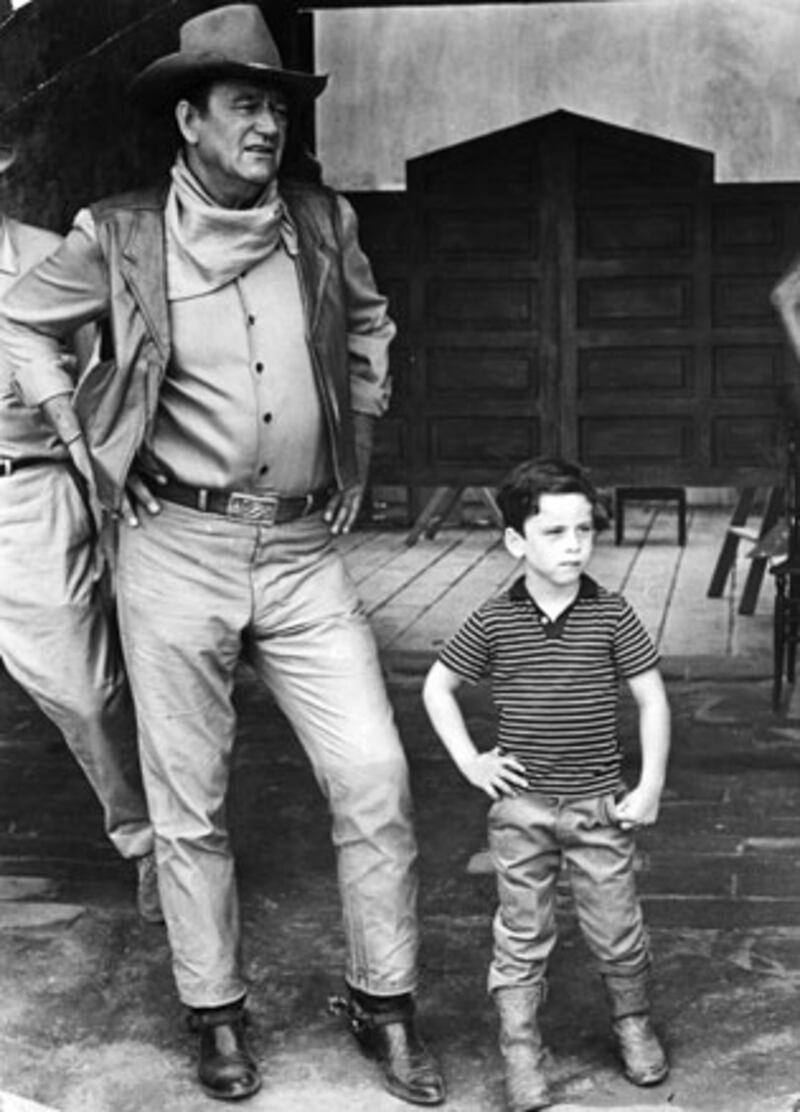
Talk low, talk slow, and don’t talk too much.
Iowa-born Marion Morrison, better known as John Wayne, embodied a certain kind of American swagger and soft-spoken manliness in over 250 films. Beginning with his breakout film,
Stagecoach, in 1939, the onetime socialist who became an ardent conservative represented American ideals abroad. When Japanese Emperor Hirohito visited the United States in 1975, he asked to meet John Wayne. Wayne’s most iconic line was “Pilgrim,” used two dozen times in
The Man Who Shot Liberty Valance. But his most enduring piece of advice came from a comment on acting that seemed to embody his view of American masculinity. “Talk low, talk slow, and don’t talk too much.”
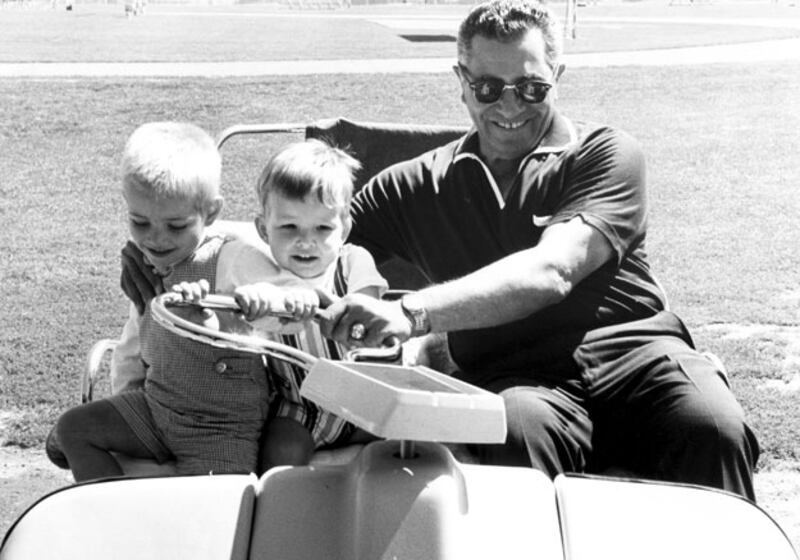
The one way to succeed in anything, is to give it everything.
The namesake of the Super Bowl trophy is easily the most quoted man in American sports history. (Yogi “It’s like deja vu all over again” Berra might be a close second.) As head coach of the Green Bay Packers, he won five NFL championships, including the first two Super Bowls. He was so popular that Richard Nixon considered him as his vice-presidential candidate in 1968, before learning that he was a Democrat. Lombardi is widely quoted as saying, “Winning isn’t everything. It’s the only thing.” He did say it, in 1959, but he likely heard it from UCLA football coach Red Sanders, who had already been using it for a decade. What Lombardi did say is, “There’s only one way to succeed in anything, and that is to give it everything.”
Stay forever young.
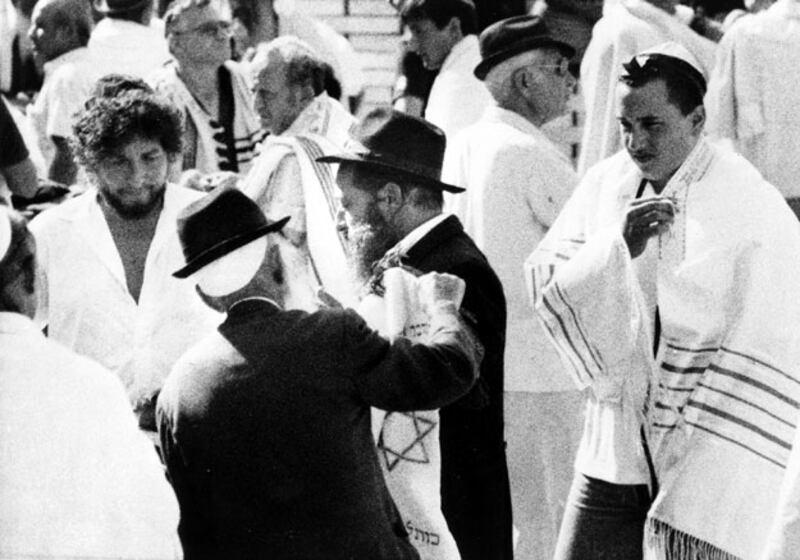
At the height of his popularity in 1966, Bob Dylan took eight years off from touring and became a father of four. Before returning to the road, he recorded an album with The Band called
Planet Waves, which included a parent’s blessing to his children. “May you grow up to be righteous, may you grow up to be true. May you always know the truth and see the lights surrounding you. May you always be courageous, stand upright and be strong. May you stay forever young.” Howard Cosell quoted the lyrics after Muhammad Ali won the heavyweight crown for the third time. Rod Stewart was later sued for plagiarism for using these words for his own song. Stewart admitted his version was an “unconscious revision” of the earlier one and agreed to split the royalties with Dylan.
Stick to love. Hate is too great a burden to bear.
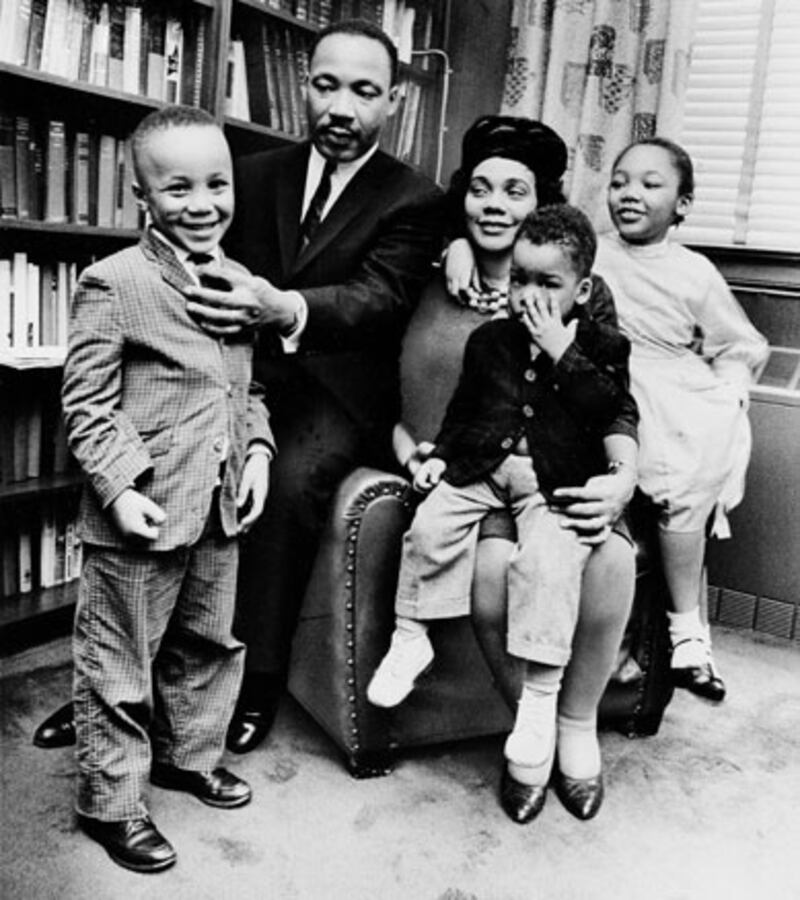
Martin Luther King delivered some of the most powerful speeches ever given in America, from “The Death of Evil Upon the Seashore” in 1956 to “I Have a Dream” in 1963 to “I’ve Been to the Mountaintop” in 1968. But those largely focus on politics, race, faith, and civil rights. As guides to personal conduct they are less illuminating. In August 1967 he addressed the Southern Christian Leadership Conference during a flagging period in the civil rights movement. In his speech, “Where Do We Go From Here?” King delivered a stirring passage on the enduring strength of nonviolence. “I have also decided to stick to love,” he said, adding, “Hate is too great a burden to bear.”

The brick walls are there to stop other people.
On September 18, 2007, computer science professor Randy Pausch stepped in front of an audience of 400 people at Carnegie Mellon University to deliver a last lecture called “Really Achieving Your Childhood Dreams.” A few months earlier he had learned he had pancreatic cancer. “The Last Lecture” was posted on YouTube and became a worldwide sensation. “If I could give only three words of advice,” he said, “they would be, ‘tell the truth.’ If I got three more words, I’d add: ‘All the time.’” But the most enduring image in his book is his ode to walls. “The brick walls are there for a reason. The brick walls are not there to keep us out; the brick walls are there to give us a chance to show how badly we want something. The brick walls are there to stop the people who don’t want it badly enough. They are there to stop the other people!