
Frustrations among Supreme Court justices spilled into public view this week as conservatives complained that the court’s liberal wing hogged the attention during oral arguments.
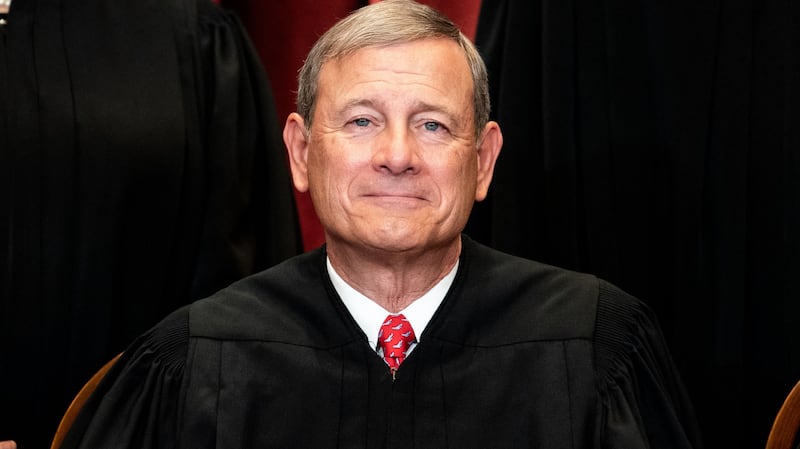
Chief Justice John Roberts resorted to enforcing a COVID-era protocol requiring justices to speak in the order of their seniority, interrupting a response from the liberal Justice Sonia Sotomayor just as she began to speak to tell her she was out of turn, reports The Hill.
That tense encounter took place during a debate over whether mail-in ballots received after polls close on Election Day should be counted. After conservative Justice Clarence Thomas concluded his spiel, Sotomayor sought to add in.
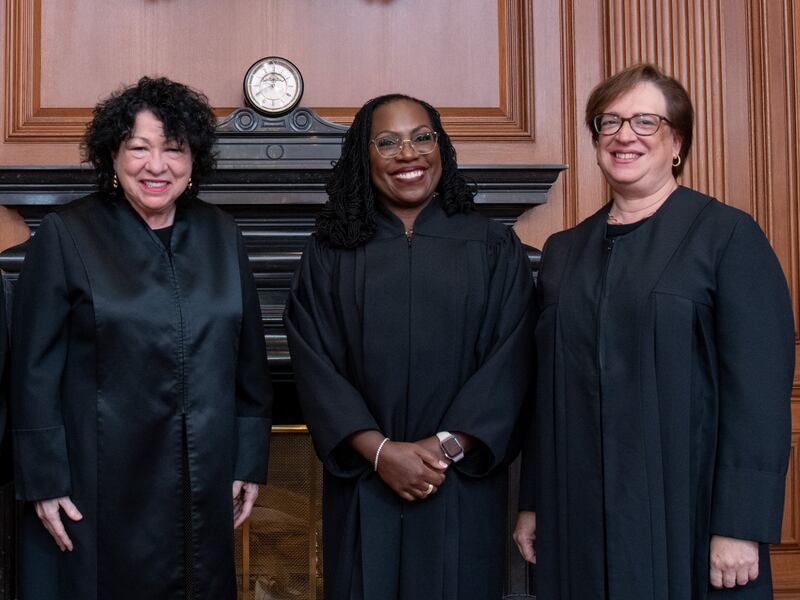
“Have we had any —” Sotomayor began to ask on Monday, according to the report.
Roberts interjected immediately.
“Justice—Justice,” he said, raising his voice, according to The Hill.
“I’m sorry,” Sotomayor responded.
“—Alito,” the chief justice finished, referring to Justice Samuel Alito, who is next in seniority.

The seniority policy was put in place amid the then-named Coronavirus pandemic in 2020, when the court heard arguments remotely and streamed them live for the first time. Roberts has kept up the policy since arguments returned to in-person, but does not enforce it throughout oral arguments.
The Hill described the proceedings as “chaos.” It added that Roberts showed “visible frustration” with the court’s three liberal justices, who dominated speaking time during Tuesday’s arguments about turning asylum seekers at the southern border away.
An analysis of their speaking time showed that Sotomayor, 71, and fellow liberal Justice Ketanji Brown Jackson, 55, accounted for 46 percent of the words spoken by the nine justices during oral arguments about asylum seekers.
During those discussions, the Hill reported that the justices “couldn’t stop stepping on each other’s toes.”
Outsiders took notice of the tension.
The conservative lawyer Ed Whelan complained on X, “Sotomayor asks a 3-minute question, cuts off response after 10 words, talks for another 30 seconds, cuts off response after 5 words, and again and again.”
That post reportedly came as Sotomayor sparred with DOJ lawyer Vivek Suri.

It is far from the first time internal SCOTUS tensions have spilled into public view in MAGA 2.0. Last month, Brown Jackson slammed her conservative colleagues for allegedly doing Trump’s bidding, suggesting they have been abusing a so-called “shadow docket.”
Jackson, who was nominated by President Joe Biden in 2022, said the high court’s swift handling of Trump’s list of emergency cases has led to a “warped” legal process that is an “unfortunate” departure from decades of precedent.
“This uptick in the court’s willingness to get involved with cases on the emergency docket is a real unfortunate problem,” Jackson said at a legal event in Washington. “I think it is not serving the court or our country well at this point.”

Last summer, Brown Jackson and Sotomayor also ditched the traditional pleasantries from their dissents, dropping their use of the word “respectfully” before writing the words, “I dissent.” The change may appear marginal to outsiders, but it has been described as being a SCOTUS version of an F-bomb.
While they have disagreed more than they have agreed thus far this year, the high court reached a consensus on a single issue Wednesday.
The court determined that a major internet provider, Cox Communications, could not be held liable for the piracy of thousands of songs online. Music labels and publishers sued the internet provider in 2018, claiming it had done too little to crack down on users who illegally downloaded copyrighted music on its platform.
In an opinion released Wednesday, the court said companies are not liable for “merely providing a service to the general public with knowledge that it will be used by some to infringe copyrights.”