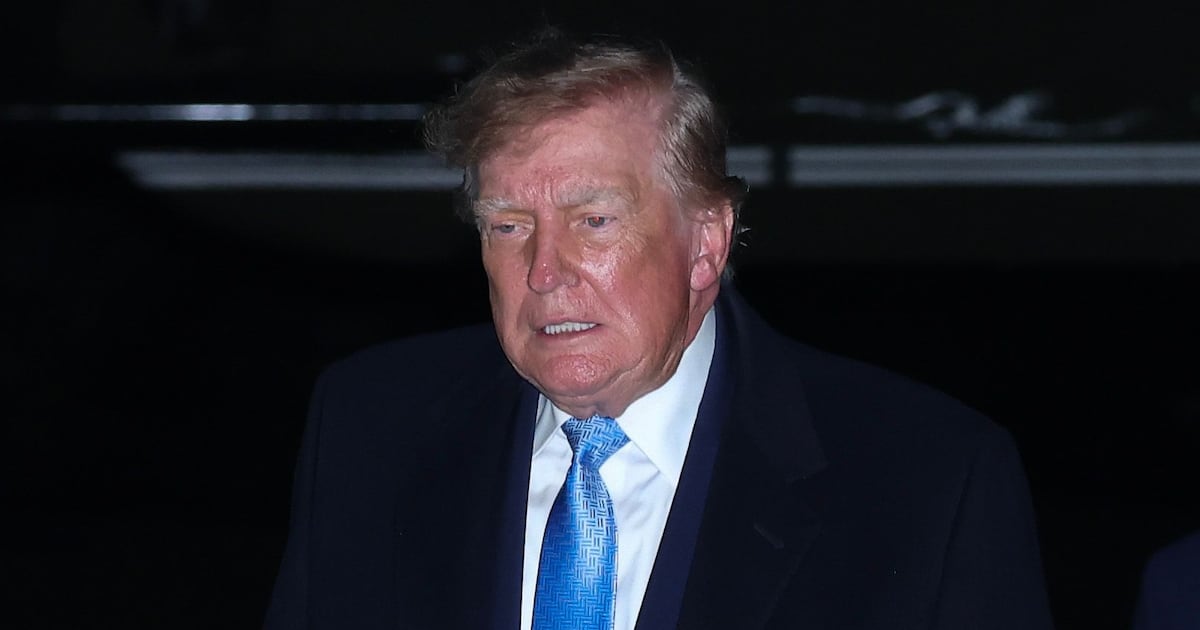
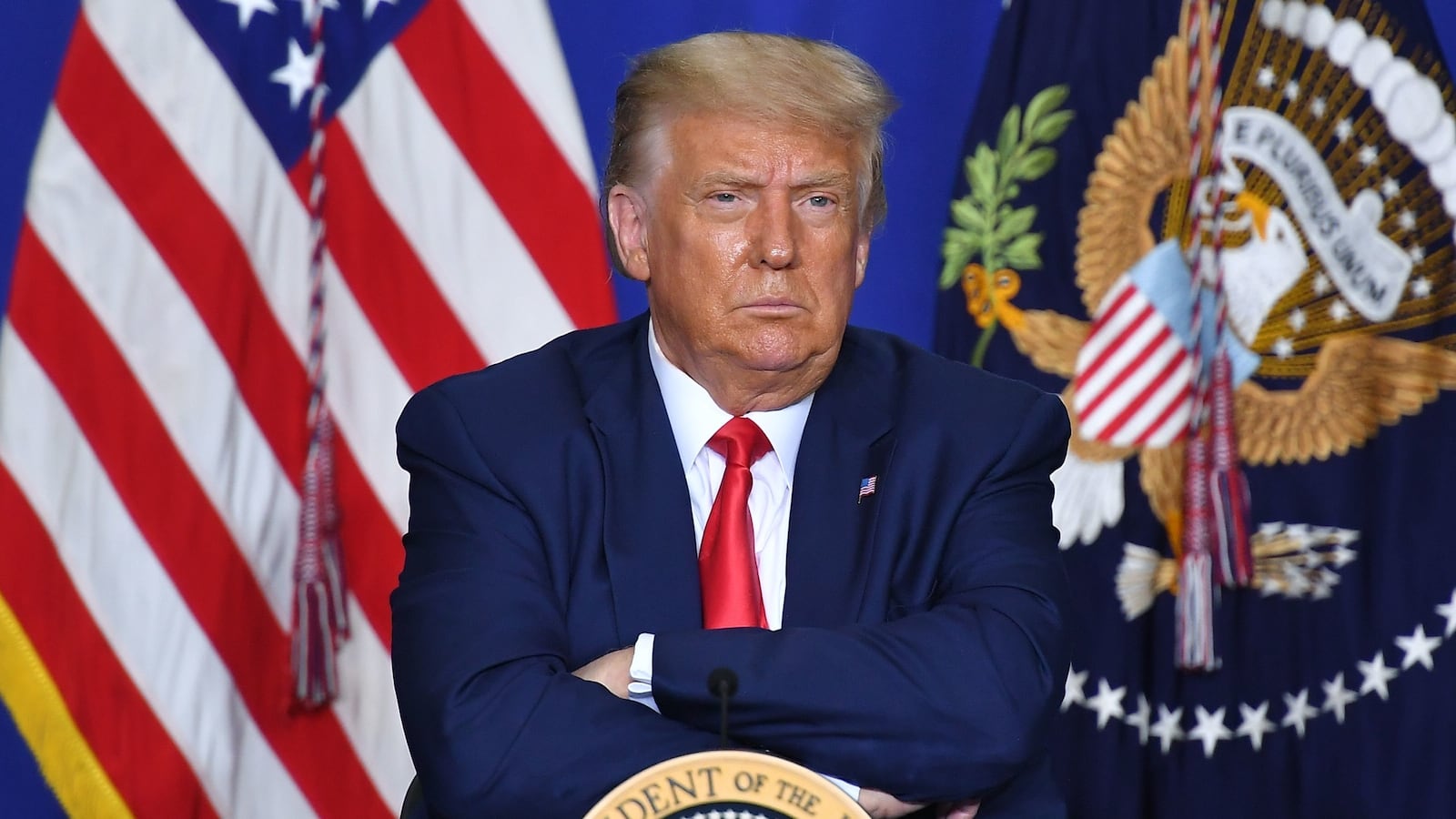
Donald Trump has given Iran an indefinite ceasefire as planned talks led by JD Vance were derailed on Tuesday, leaving the White House scrambling to find a path forward.
Hours after the president declared that he did not want to extend the two-week ceasefire, the president was forced into a major backflip after it became clear Iran may not even commit to sending officials to Pakistan due to anger over Trump’s threats.
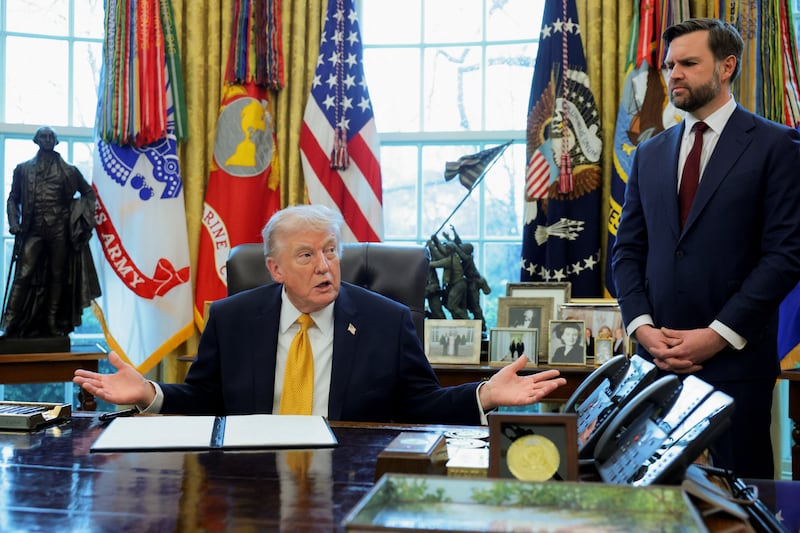
“Based on the fact that the Government of Iran is seriously fractured, not unexpectedly so and, upon the request of Field Marshal Asim Munir, and Prime Minister Shehbaz Sharif, of Pakistan, we have been asked to hold our Attack on the Country of Iran until such time as their leaders and representatives can come up with a unified proposal,” he wrote on Truth Social.
“I have therefore directed our Military to continue the Blockade and, in all other respects, remain ready and able, and will therefore extend the Ceasefire until such time as their proposal is submitted, and discussions are concluded, one way or the other.”
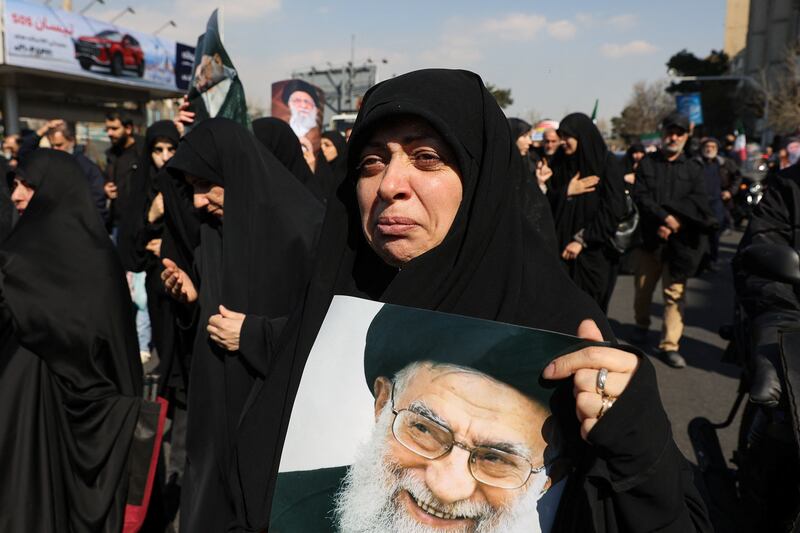
Trump’s decision underscores the difficulty the administration has faced in negotiating with a regime that has changed considerably since the president joined Israel to strike Iran on February 28.
The initial strikes killed the nation’s Supreme Leader Ayatollah Ali Khamenei and a host of other officials, but the war has since become a liability for Trump, with 13 U.S fatalities and oil and gas prices soaring due to a standoff in the Strait of Hormuz.

Vance was expected to depart for peace talks in Islamabad on Tuesday morning, alongside special envoy Steve Witkoff and Trump’s son-in-law Jared Kushner.
But the Marine Corps veteran was was forced to delay the trip after Iran, which had initially told mediators it would send a delegation to Pakistan on Tuesday, later said it would do so only if the U.S. lifted its blockade of Iranian ports in the Strait.
The speaker of the nation’s parliament had also warned that the regime would not negotiate while being threatened by Trump—an apparent reference to the president’s rhetoric about “lots of bombs” going off if no deal was reached.
“Trump, by imposing a siege and violating the ceasefire, seeks to turn this negotiating table—in his own imagination—into a table of surrender or to justify renewed warmongering,” Mohammad Bagher Ghalibaf wrote on X.
“We do not accept negotiations under the shadow of threats, and in the past two weeks, we have prepared to reveal new cards on the battlefield,” he concluded.
Trump’s Truth Social post was made shortly after 4pm on Tuesday, with the ceasefire set to expire on Wednesday night.

It was a markedly different tone from the president, who just this morning had threatened a military attack if Iran did not agree to U.S. demands.
“I expect to be bombing,” Trump told CNBC. “The military is raring to go.”
Minutes after he announced an extension of the ceasefire, Iran-linked state news Tasnim said Iran would outline its official position at a later stage.
But while the talks are now in a holding pattern, experts say Trump’s decision to extend the ceasefire is ultimately a good thing because it buys both sides some time to work on a diplomatic offramp.
“I think giving them some time, putting the ball in their court, and letting them propose something rather than jamming them with an American position, I think this is much better,” Richard Haas, president emeritus of the Council on Foreign Relations, told CNN.
“It forces them to come to terms with one another, and we’re not put in the position of putting on the table something that looks unrealistic or, from their point of view, insulting to their dignity or pride.”