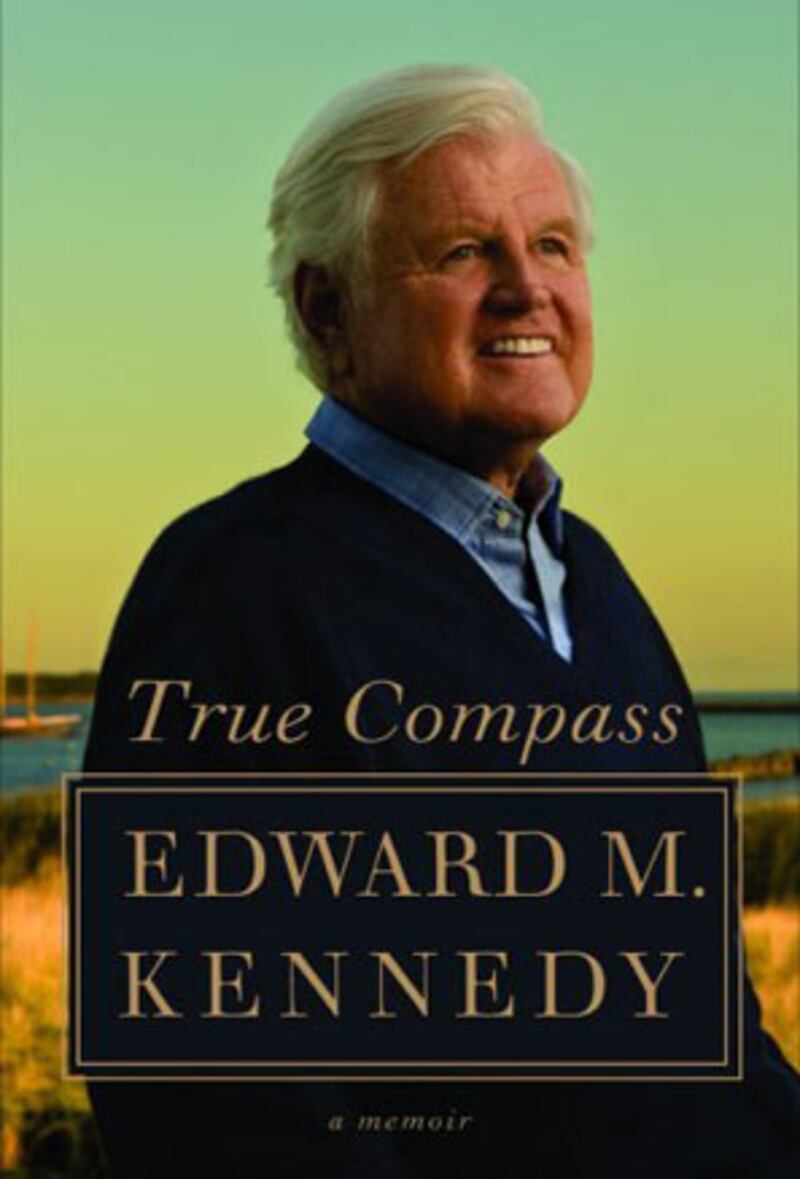
This memoir—the first by a Kennedy of the JFK generation—was originally scheduled for release in October, but the senator’s death in August moved the publication date up a month; it will hit stores the day before The Lost Symbol. While some publishing watchers were skeptical about the potential for the book—what would Teddy really say?—its success is all but assured now. Still, we hope it offers more than boilerplate apologies for Chappaquiddick and more detailed Kennedyiana than early leaked bits indicate. (Twelve, September 14)
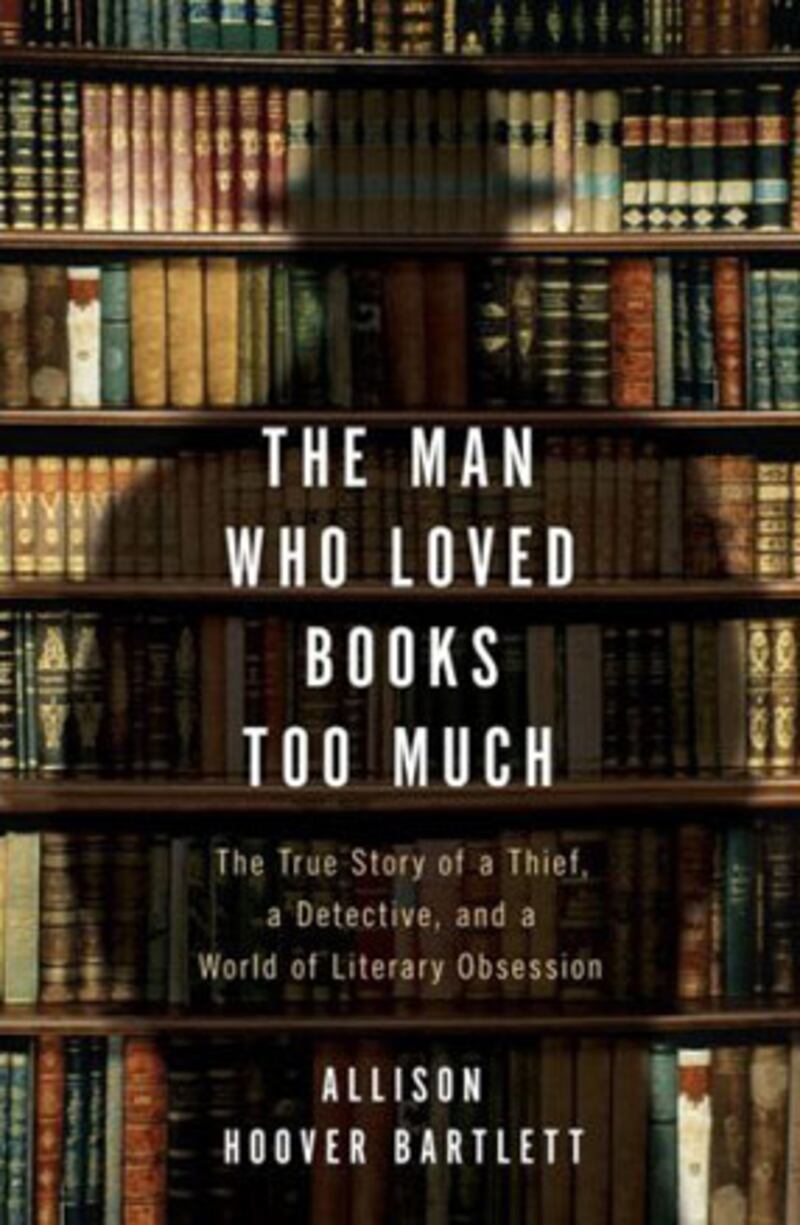
While not as delightfully caperish as, say, Catch Me If You Can, this chronicle of rare-book thief extraordinaire John Charles Gilkey is unputdownable, at least to anyone who loves the inner workings of the literary world. An ordinary guy perhaps a little too obsessed with his social standing, Gilkey didn’t make a lot of money as a book thief (and served plenty of time in prison) but he couldn’t help himself: He stole books because he loved them. Readers will appreciate that—and the factoids that emerge about which books are worth big money—and why. (Riverhead, September 17)
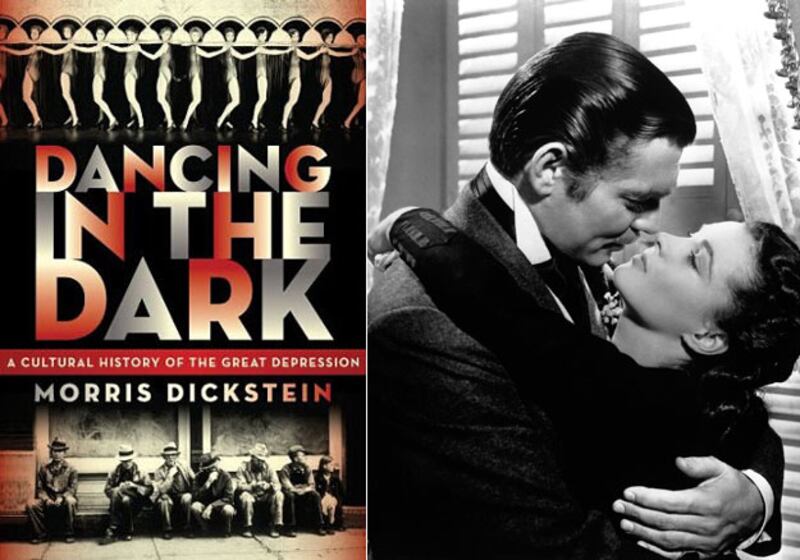
What will they be writing about our cultural endeavors 70 years from now? That’s the question that keeps coming up when you read Dancing in the Dark, Morris Dickstein’s fascinating examination of how the Great Depression influenced art, music, and literature. Think about it: The Empire State Building, Scarlett O’Hara, the Rockettes, and the Yellow Brick Road were all born of the era in which, FDR said, “one third of [the] nation [was] ill-housed, ill-clad, ill-nourished.” How does art reflect culture and how, conversely, does culture create art are the important questions here, and in a welcome readable way, Dickstein provides the answers. (W.W. Norton, September 14)
Everett Collection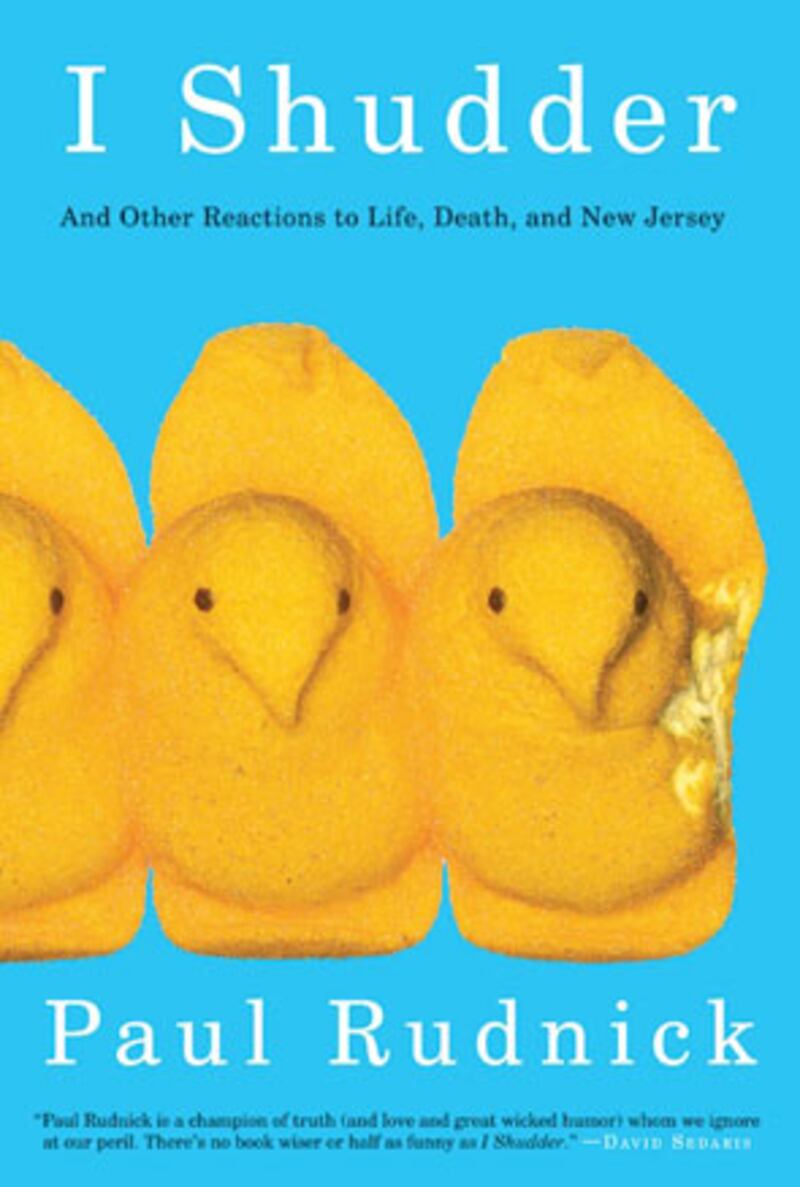
Even a very successful screenwriter—perhaps especially a very successful screenwriter—cannot automatically pull off a collection of essays and be funny almost all of the time. But Paul Rudnick—the screenwriter of Addams Family Values and In and Out—manages to do it, perhaps because he was a deadline journalist (remember Libby Gelman Waxner’s column from Premiere?) and novelist ( I’ll Take It) first. The memoir-ish essays in this loosely linked collection are funny and charming, but it is the “I Shudder” essays, in which Rudnick impersonates a cantankerous old man named Elyot Vionnet, that really soar: A particularly great one is the story of how Elyot takes control, via Google, of an annoying, iPod-wearing twentysomething woman’s obnoxious life. (Harper, September 15)
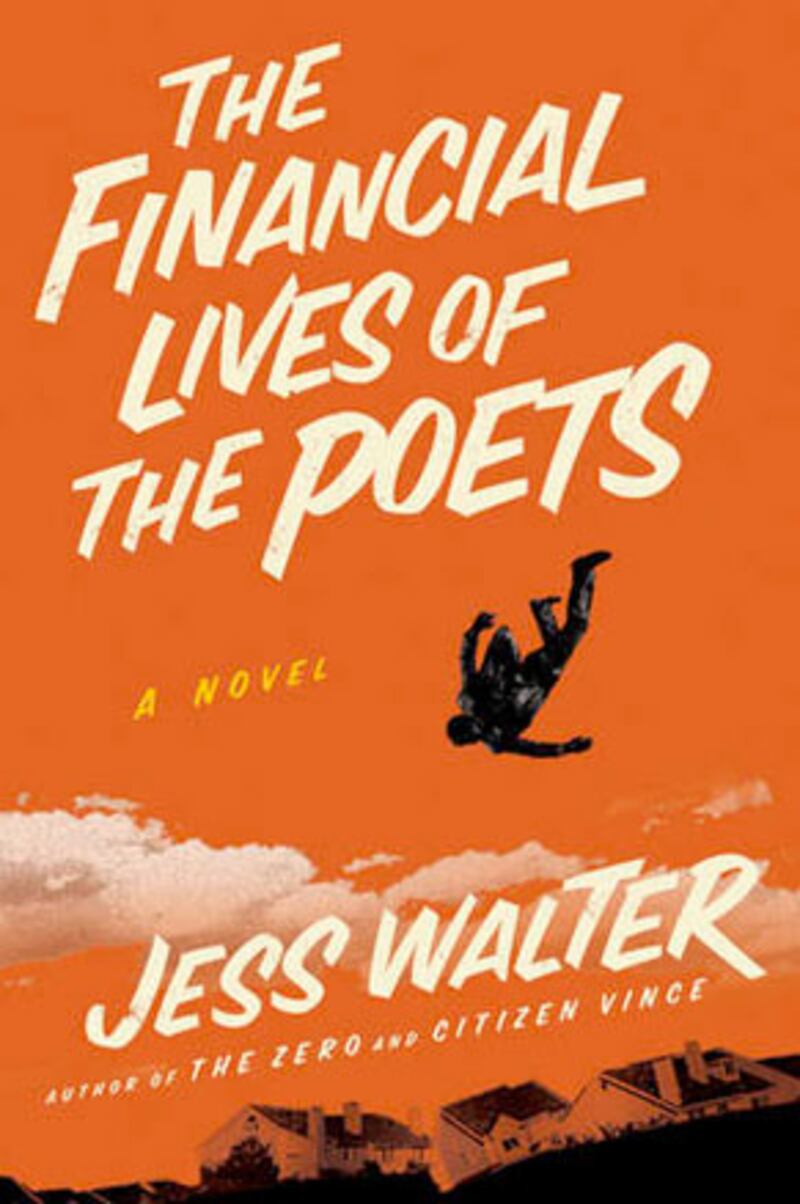
This novel about a young family derailed by the recession—and their own vanity— The Financial Lives of the Poets is a real find, from the underrated author of The Zero, (which was nominated for a National Book Award in 2006). Smart and occasionally over-the-top silly, it chronicles the life of a recently laid off reporter, his possibly straying wife, and a senile, live-in father-in-law we haven’t seen the likes of since Frasier went off the air. Oh, and there are some pot dealers involved, too, making it the ultimate something-for-everyone-don’t-skip-must-read. (Harper, September 22)
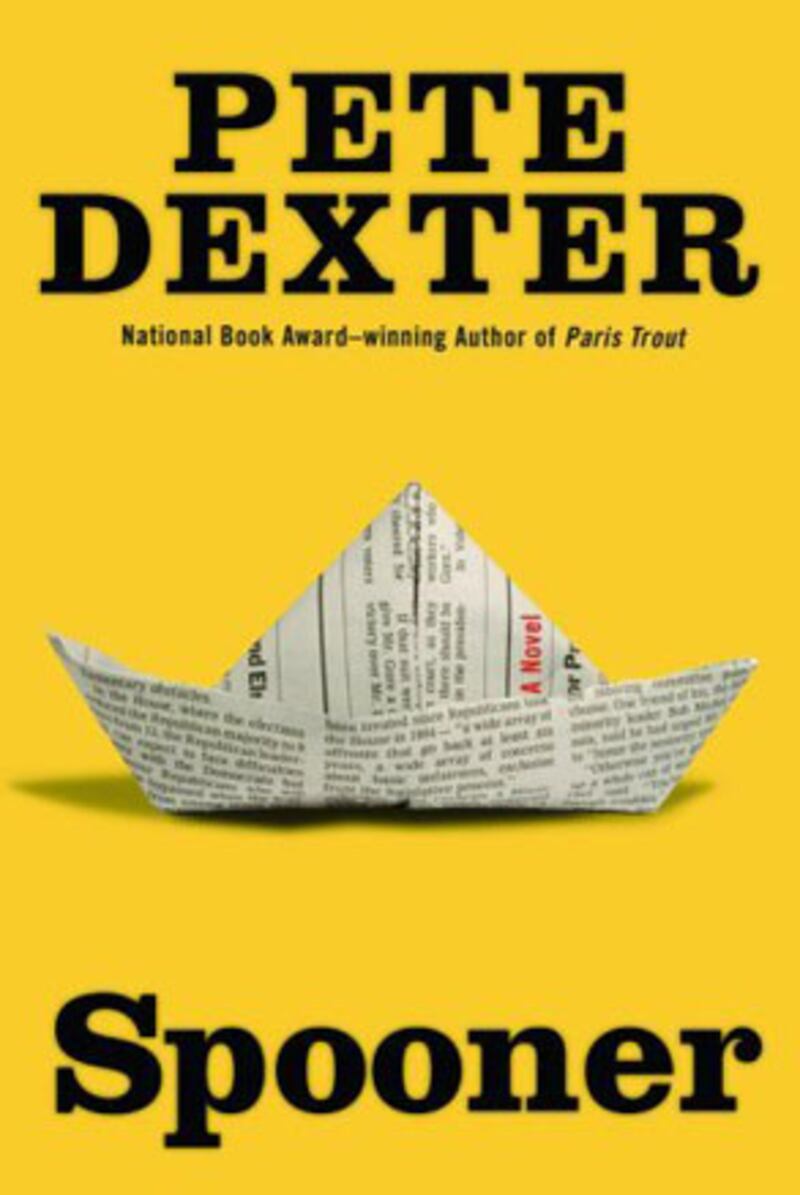
Some writers are just funny to the bone, and Pete Dexter is one of them. Dexter’s seventh novel, Spooner, will delight fans of the National Book Award-winning Paris Trout. The story—vintage Dexter: Southern, picaresque, hold-your-sides funny, but with heart—is about a boy and his stepdad, two men who couldn’t understand each other less but enjoy their misunderstanding more. Think John Kennedy Toole, Pat Conroy with muscle, John Irving below the Mason-Dixon Line. (Grand Central, September 24)
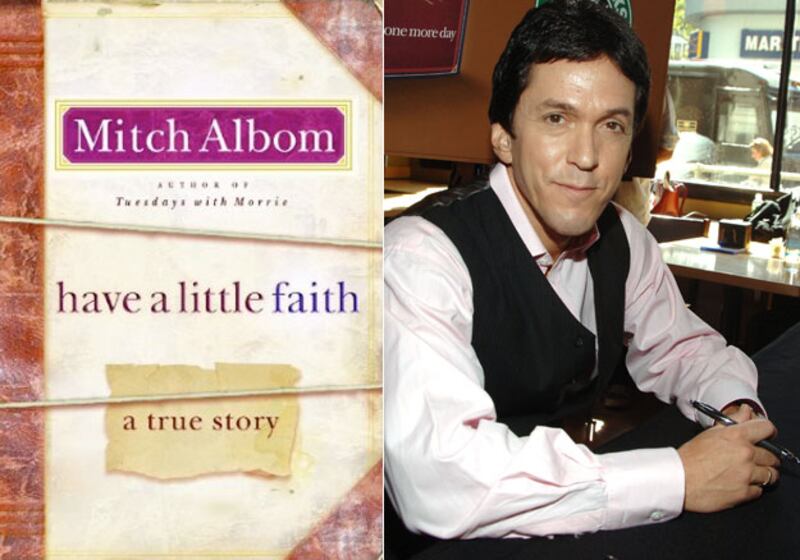
You’ve got to hand it to Mitch Albom, the Detroit-based reporter who burst on the scene with Tuesdays With Morrie, and then followed up, improbably and just as spectacularly, with the syrupy novel, The Five People You Meet in Heaven. In this new memoir/reportage, Have a Little Faith, Albom introduces us to Morrie 2.0, his now elderly rabbi who asks the author to deliver the eulogy at his funeral. Caught off guard, Albom finds the request an excuse to examine his relationship to his Jewish faith in particular, and faith in general, by combining Rabbi Lewis’ story with one from a Christian counterpart, Pastor Henry Covington. (Hyperion, September 29)
Andrew H. Walker / Getty Images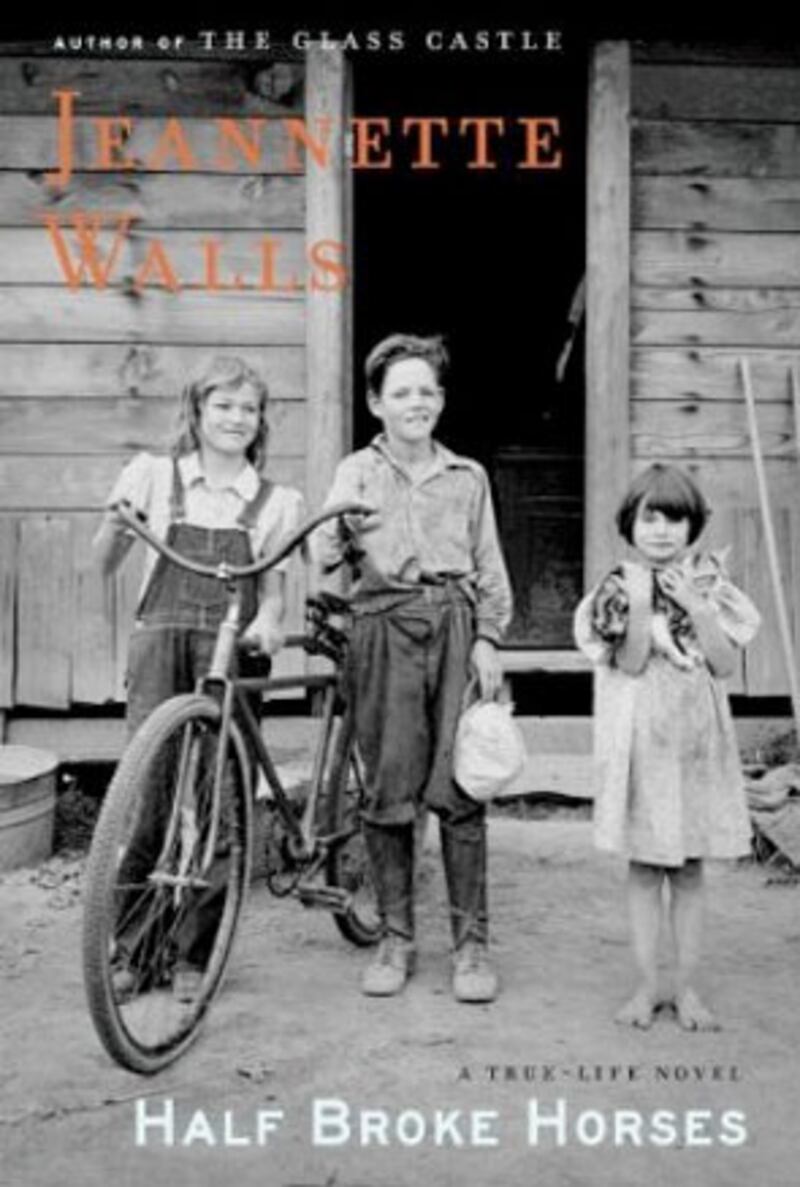
This true-life novel (which is what Norman Mailer called The Executioner’s Song) based on the life of the author’s grandmother will charm the millions of fans of Walls’ bestselling The Glass Castle. Lily Casey Smith was a no-nonsense Southwestern, schoolteaching, horse-training frontierwoman no one would have dared call a “gal,” so fierce and wise and strong was she. Smith was clearly a role model for the author, who says she wrote the book as fiction to fill in some gaps in her knowledge of Lily’s life, but “Lily Casey Smith was a very real woman,” whose voice Walls knew, and captured well in Half Broke Horses (Scribner, October 6).
A sprawling book about pop culture and outer space, this novel from the author of The Fortress of Solitude and Motherless Brooklyn is Lethem through and through: realistic and fantastic, serious and funny, warm and clear-eyed. One of the new generation’s most ambitious writers, Lethem again offers a novel that deals with nothing less important than the difference between truth and lies. And some stories about good cheeseburgers. (Doubleday, October 13)
Six weeks before publication, Internet wine guru Vaynerchuk’s first in a series of business-advice books is already in the top 20 pre-orders on Amazon. No surprise, perhaps, given that Belarusian-born Vaynerchuk has hundreds of thousands of followers on Twitter and lectures and advises entrepreneur wannabes (and some established old-media companies) on how to harness the power of the Internet to market yourself and your passions. And guess what? There’s also an enhanced-with-video e-version coming, too—the better to reach Vaynerchuk’s core audience, who might prefer to read online or on their iPhones. (Harper Studio, October 16)
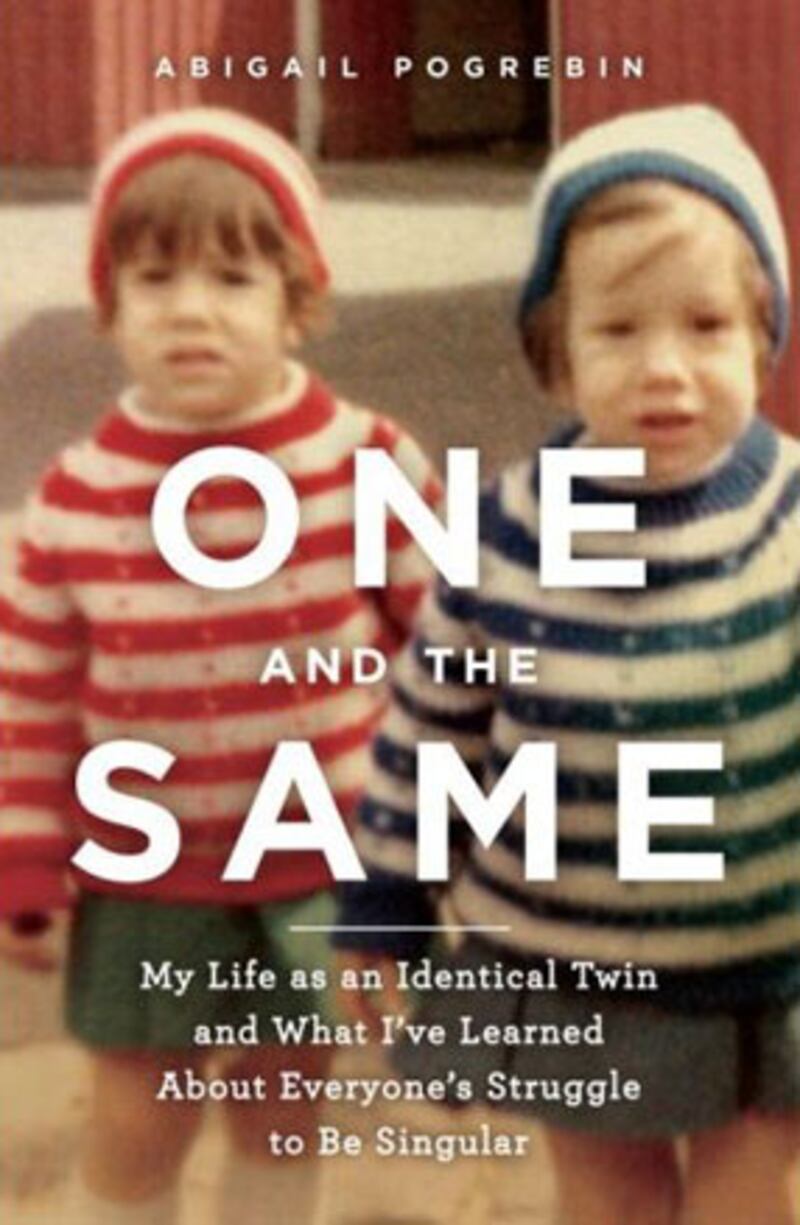
Twins have always been fascinating, even before the miracle of modern science and fertility drugs made them almost ubiquitous. In this memoir that is also a reported essay, former 60 Minutes producer Pogrebin looks at her own experiences as an identical twin—her sister, Robin, is a New York Times reporter—and those of others; she also interviews what seems like almost every twin expert in the world. How is a twin’s experience of childhood and life different from that of mere singletons? This book about what it means to be a duplicate is smart and revealing and wise—and, well, singular. (Doubleday, October 20)
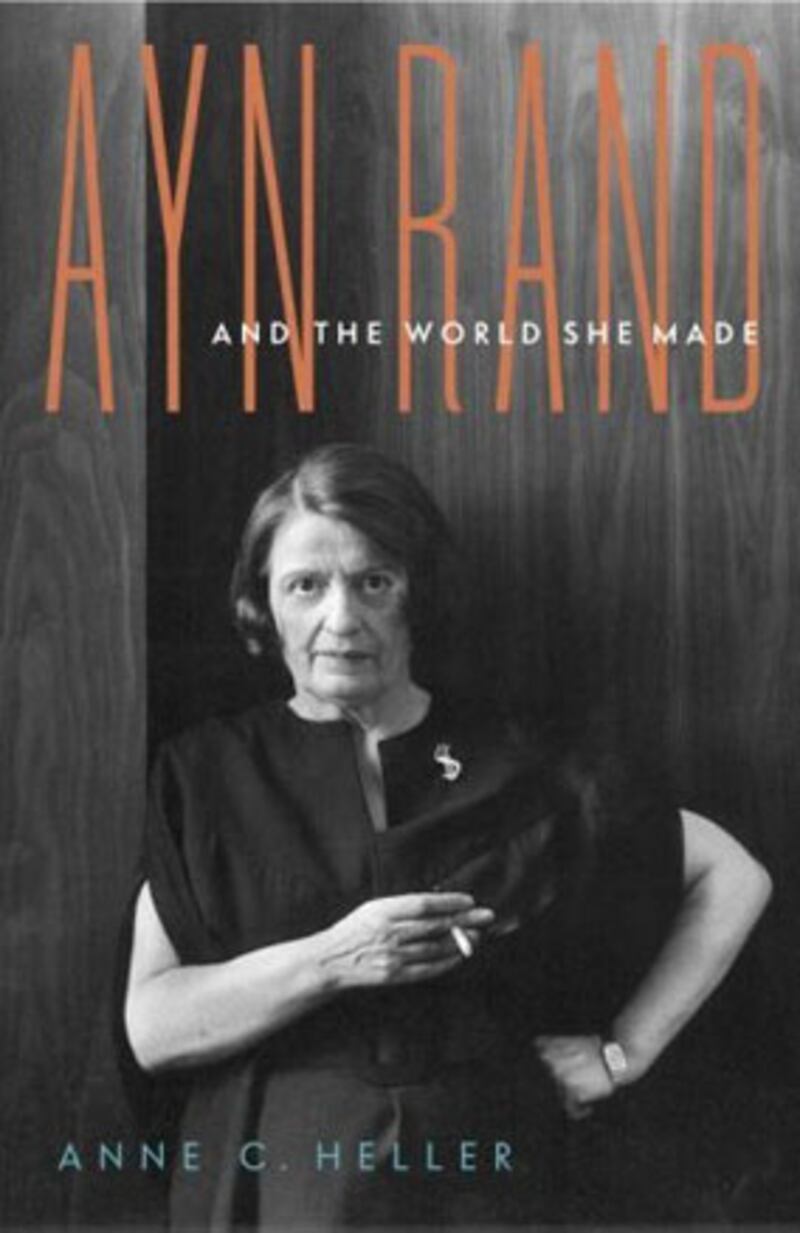
Forget Ronald Reagan or Alan Greenspan: Ayn Rand may have been the most famous capitalist in late 20th-century America, with a reach at least as great. Two of her maddening, controversial novels, Atlas Shrugged and The Fountainhead have sold more than 12 million copies in the U.S. alone, and in 1998, they were No. 1 and 2 on the reader's choice ranking of The Modern Library's greatest books of the 20th century. So who was Rand, the creator, and why does just mentioning her name at a literary gathering inspire such passionate response? In Ayn Rand and the World She Made, Heller traces the author’s life from her Russian childhood, to her years as a screenwriter, to understand the woman behind the mantra: “Money is the root of all good.” (Nan A. Talese/Doubleday, October 27)
A great Roth novel is, like the sex that’s often at the center of it, about as good as it gets. Even a not-so great one is still pretty good. Less narrative-driven (thankfully) than, say, The Plot Against America, this tale of an aging actor who thinks he can no longer perform (yes, it’s also a sexual metaphor) is among Roth’s finer, shorter books; like The Dying Animal, Indignation and Everyman, it examines the painful process of aging, physical, emotional, professional, and sexual. The Humbling also includes one of the more disturbingly erotic scenes in recent Roth history. (Harcourt, November 2)
A novel about middle-aged male suburban angst—written by a young woman?! A Friend of the Family is moving tale of a New Jersey doctor who goes, well, crazy in an effort to protect his son (said son being neither drug addicted nor otherwise addled, just teenaged) is the kind of quiet domestic novel we don’t see much of these days. Pulitzer Prize-winner Elizabeth Strout (no stranger to the smart, quiet novel) calls A Friend of the Family “wonderful and compelling.” In other words: Read it. (Algonquin, November 10)
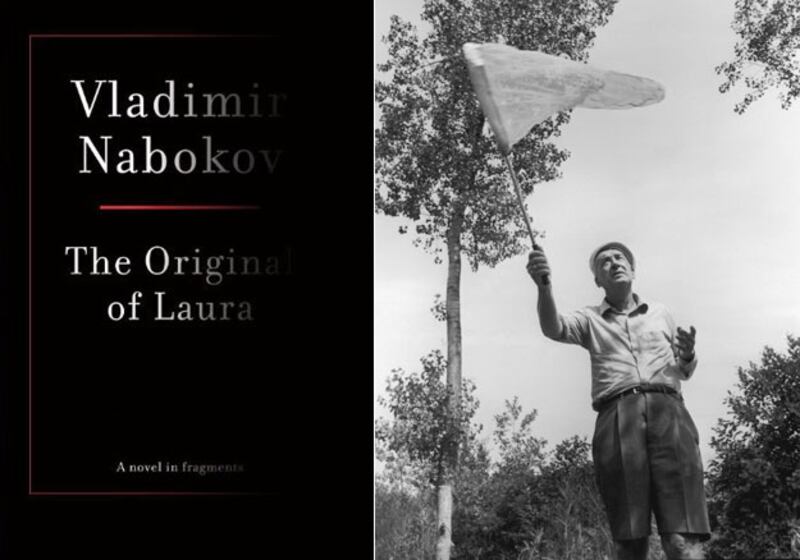
When the Lolita author died in 1977, he left behind 138 notecards that looked to be the making of a novel and strict instructions that they were to be burned. Nabokov’s son, Dmitri, debated for years about whether to adhere to his wishes or let the world see The Original of Laura. In the end, Dmitri, now in his 70s, decided to publish the fragments, which all together add up to a curious and complicated and compelling story of a love and death, Nabokovian trademarks, after all. [Knopf, November 17]
Horst Tappe, Hulton Archive / Getty Images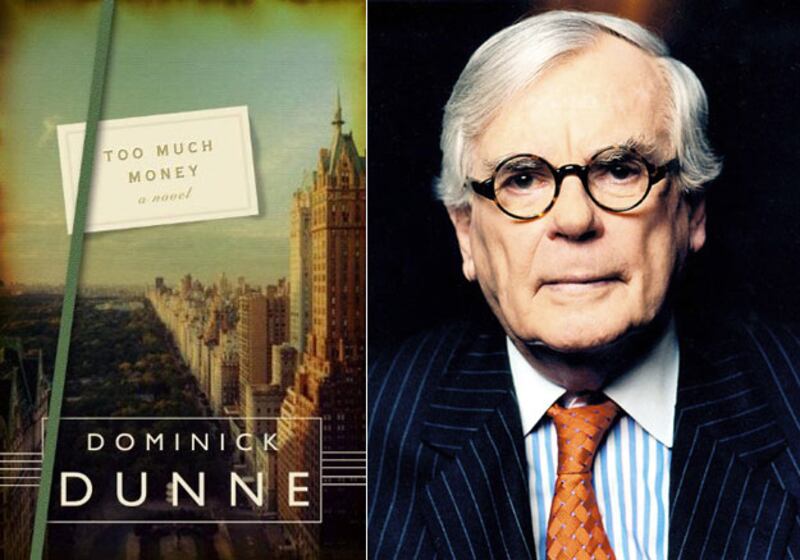
The author who gave us The Two Mrs. Grenvilles and An Inconvenient Woman passed away in August, but not before finishing, Too Much Money, a characteristically knowing and irresistible novel about—yup!—the American privileged class. Reprising his alter ego, Gus Bailey, Dunne has created a story about a journalist who finds himself in trouble for telling too much of the truth about a murderous congressman. Given the lawsuits and the hoopla, how will Gus concentrate on his (thinly veiled) novel about an impresario who goes surprisingly missing —and turns up dead? This is Dunne at his best, and, as always, the fun is in figuring out who’s who—and we mean that in the most serious high-society sense. (Crown, December 1)
Everett Collection