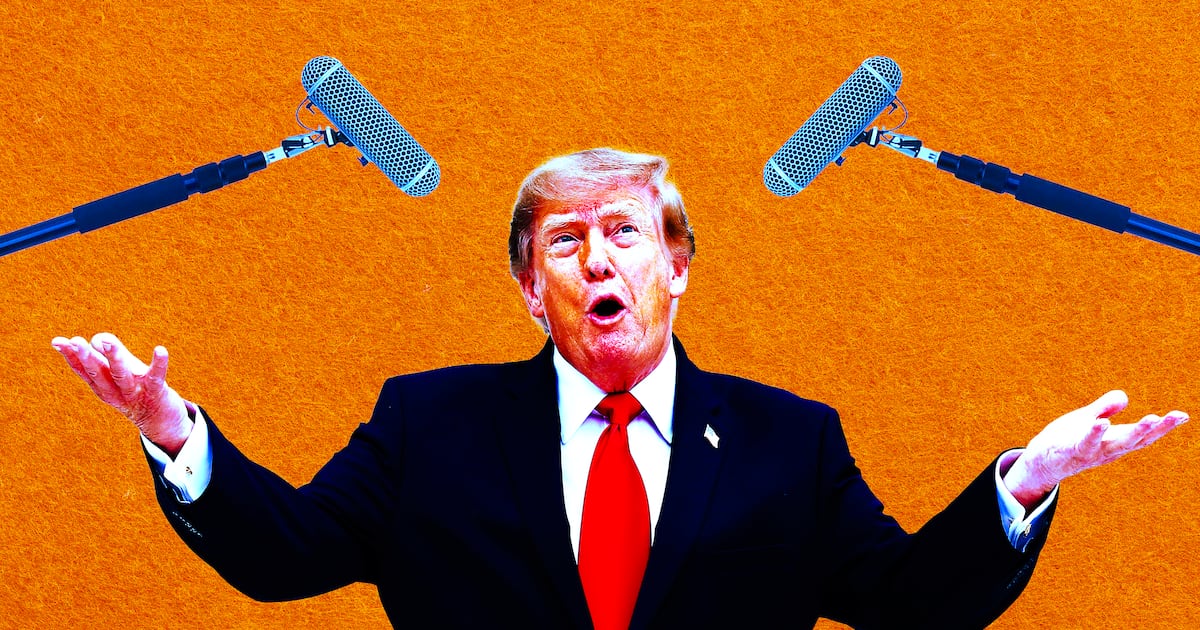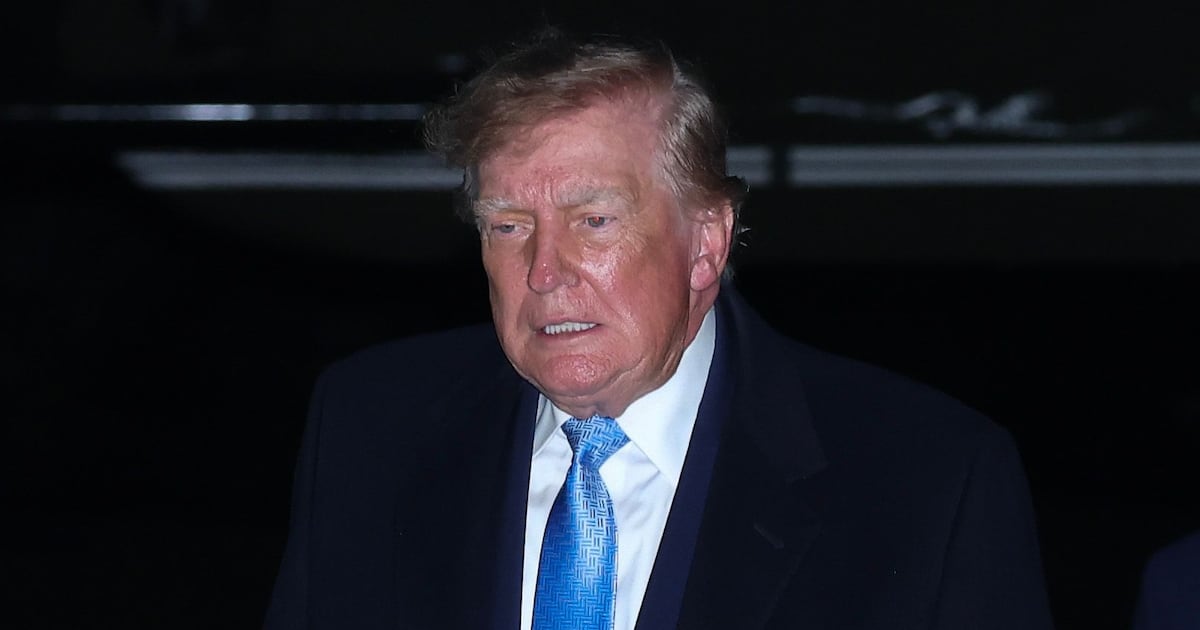
He admitted earlier this year to selling private photos of a teenage Mary-Kate Olsen to the tabloids. His sister has publicly described him as abusive and toxic. He and his wife, Heidi Montag, once torched millions of dollars on crystals, bodyguards, and compulsive luxury spending after becoming two of reality television’s most infamous villains on The Hills.
Under older political assumptions, that résumé should disqualify someone—in this case, Spencer Pratt—from public office in one of America’s largest cities. But the fact that Democrats still instinctively believe it does, however, shows that they continue misunderstanding the political moment we are living through.
Donald Trump is president, and Pratt is now a real presence in the Los Angeles mayoral race. Following several viral AI campaign videos and a debate performance that exceeded (admittedly, low) expectations, the rich and famous—from composer David Foster to Real Housewife of Orange County Heather Dubrow—have glommed onto the spectacle Pratt has generated, throwing their support behind him. Mainstream Republican powerbrokers and MAGA stars are steering his campaign.

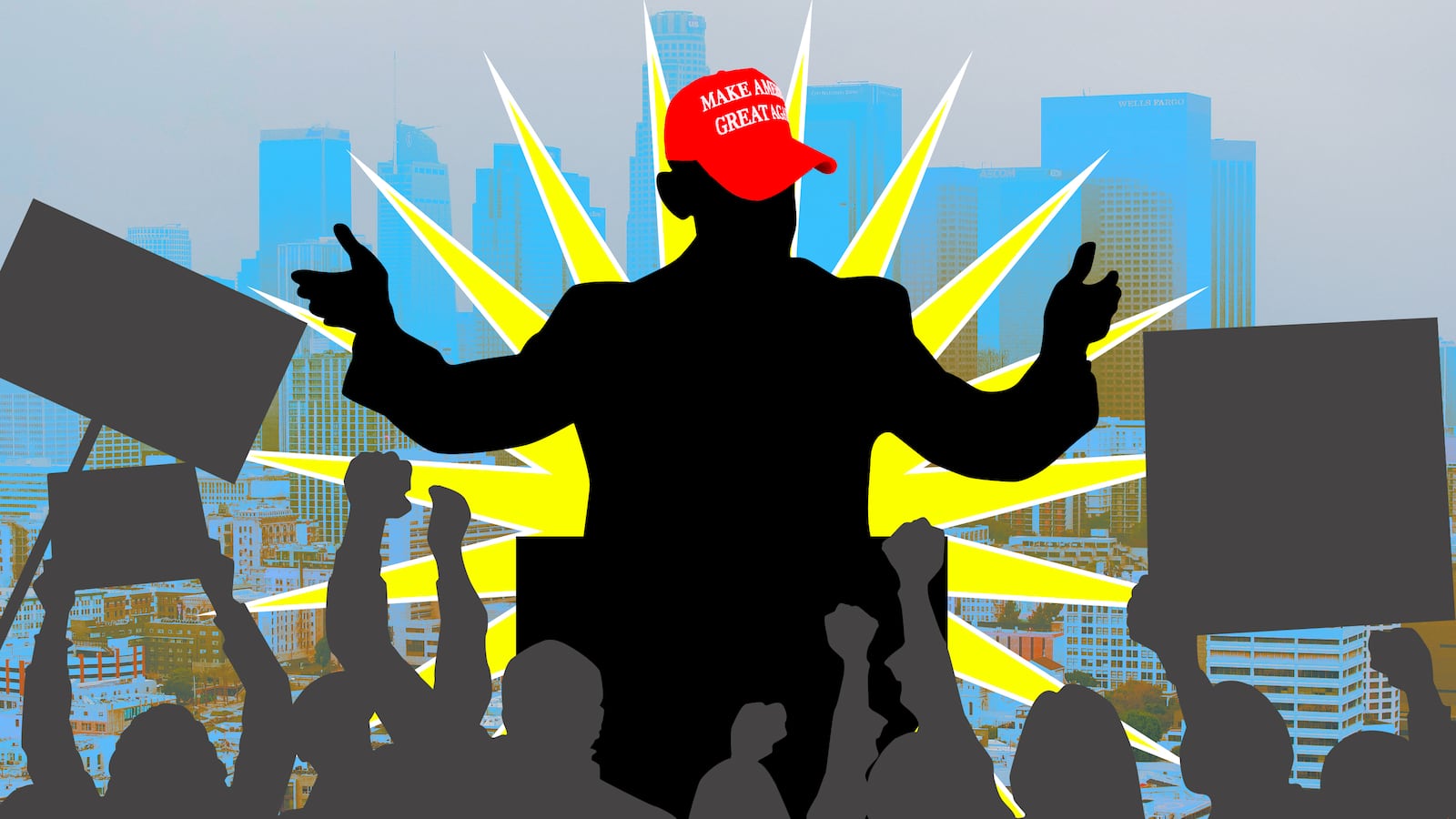
These realities are connected. The lesson of the last decade—Trump’s rise as our first reality TV president—was never that voters stopped noticing scandals or obvious character flaws. It was that they became willing to tolerate them, even credit them, if they believed a candidate at least understood their anger and was willing to say plainly that something (or, indeed, everything) around them felt broken and needed fixing. That the candidate was theatrical, engaging, a veritable wrecking ball from outside the political mainstream was a bonus.
In 2016, many establishment figures convinced themselves Trump’s vulgarity, tabloid scandals, and reality television background would eventually disqualify him because they still believed institutional professionalism naturally carried more political weight than spectacle. Many voters increasingly experience the opposite
That is the opening Pratt understands far better than many Democrats seem willing to admit. Los Angeles today is a city where many people feel economically squeezed, frustrated by visible homelessness, angry about affordability, and increasingly distrustful that institutions are capable of producing meaningful improvements in their daily lives. While it has become a common retort on both sides of the aisle to claim “facts are not feelings,” the reality is that how people feel is a fact that the political establishment must contend with, even when the data doesn’t support those beliefs. Simply responding to Pratt by listing reasons he is unserious increasingly sounds detached from what voters themselves are actually angry about.
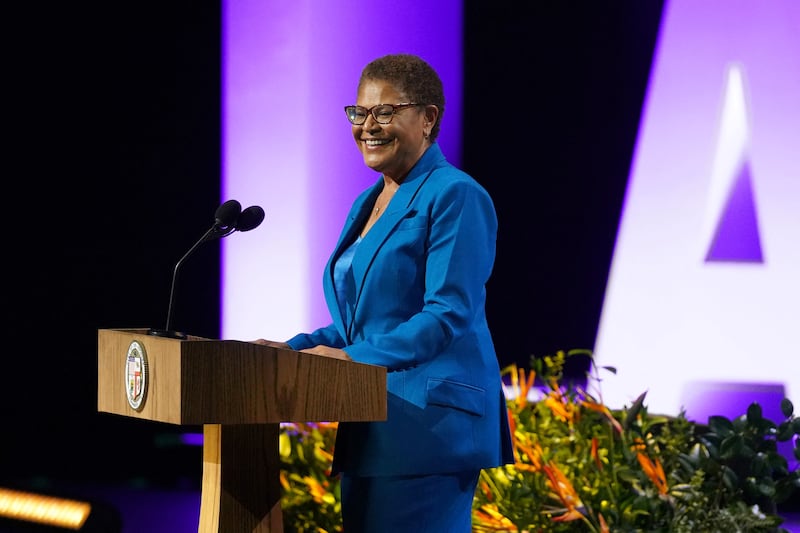

Incumbent mayor Karen Bass, with decades of political experience at the state and federal levels under her belt, can point to statistics showing homelessness has declined, that homicides have decreased nearly 30% under her tenure, and that she has stemmed a years-long decline in LAPD recruitment. From a policy perspective, those numbers matter. Politically, though, many voters still look around Los Angeles and don’t feel safe.
That gap between official metrics and lived reality is exactly where Pratt operates most effectively. He does not sound like someone trying to reassure voters that things are getting better. He sounds like someone validating that they are furious. Pratt’s AI-generated campaign videos depicting Los Angeles as a smoke-filled dystopia are exaggerated and ridiculous in a way many establishment Democrats find unworthy of engaging. But that is exactly why they need to be.
It’s “slopulism” at its most effective; telling people what they want to hear and validating their fears and concerns, evidence be damned.
(Several Democrats and entertainment-industry figures have, however, correctly pointed out the irony of Pratt leaning so heavily into AI-generated content in a city where Hollywood workers are deeply anxious about artificial intelligence threatening their jobs. From a policy standpoint, that criticism is fair. Politically, though, it misses the point.)

Pratt understands that instinctively because he emerged from a culture where attention itself was a matter of survival. Reality television trains figures like him to understand how outrage travels, how conflict spreads, and how audiences emotionally attach themselves to spectacle. While traditional candidates like Bass and Nithya Raman, a progressive city council member challenging Bass from the left, often communicate with voters who are carefully parsing policy plans, Pratt campaigns for people who are absorbing politics while doomscrolling on social media late at night.
This does not mean Spencer Pratt is Donald Trump (though Trump is reportedly considering an endorsement), nor does it mean he is likely to become mayor of Los Angeles. Bass continues to dominate in the polls and the city has not had a Republican mayor since 2001. The point—and the problem—is that Democrats and the traditional gatekeepers still often respond to figures like Pratt using assumptions that have already failed.
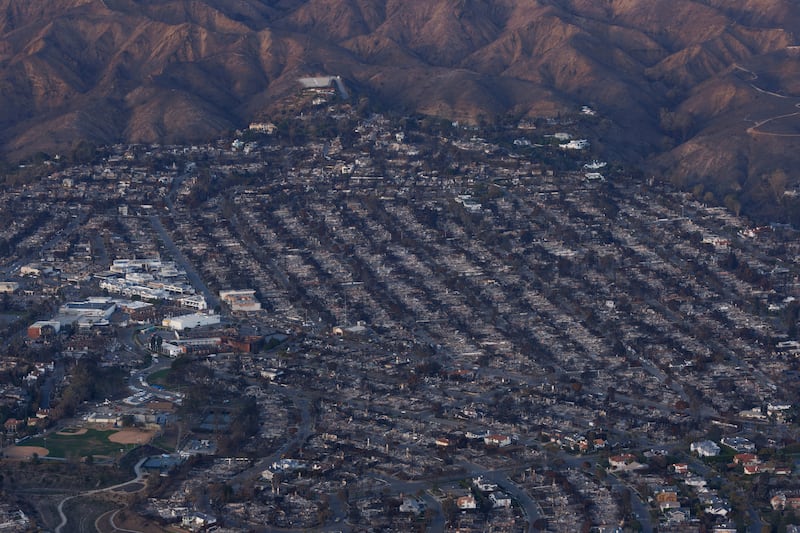
One of the defining failures of institutional America during Trump’s rise was its inability to recognize how attempts to tone-police or invoke the ‘rules’ strengthened anti-establishment figures rather than weakened them. Unfair as it might be, calling out chaos and failures seems to work in these outsiders’ favor, while the discord and dishonesty they create themselves go unpunished. For example, Pratt was praised for his viral ad that suggested he lived in a trailer as a result of the Palisades fire, in which he lost his home; TMZ has since pointed out that Pratt actually stays at a $1,500 per night hotel. So far, the exposé hasn’t cost him support. Instead of griping about the double standard, though, the only way to fight back is to take control of the narrative.
The Democratic Party still seems to be trapped in the fantasy that voters will automatically choose institutional competence over spectacle. But the American electorate increasingly doesn’t even believe that they’re competent! After a decade of Trump-era politics, they still have not fully reckoned with the fact that once voters lose faith in the people already running their city, or country, the devil they know can start feeling a lot scarier than the one they don’t.