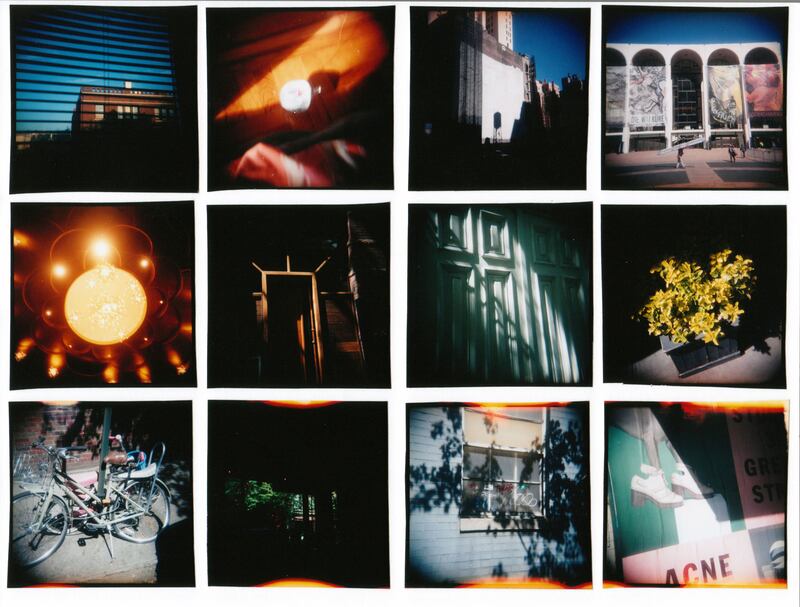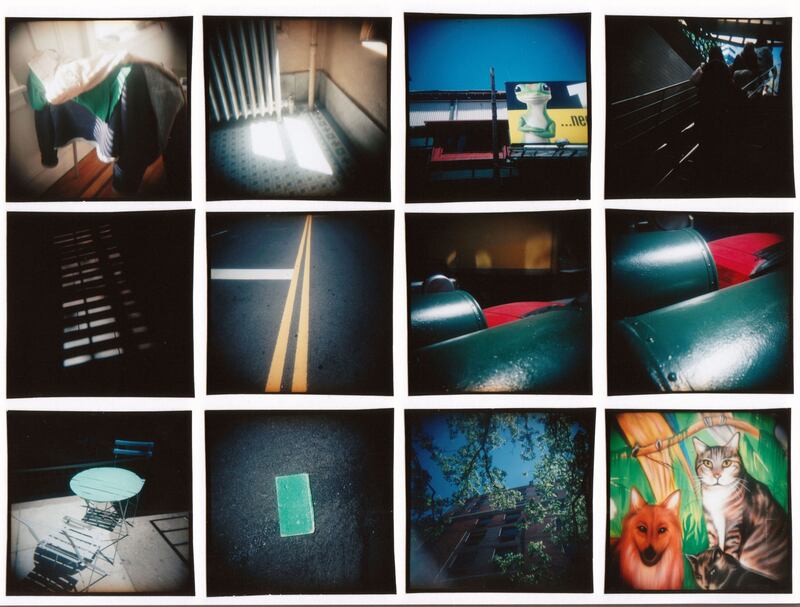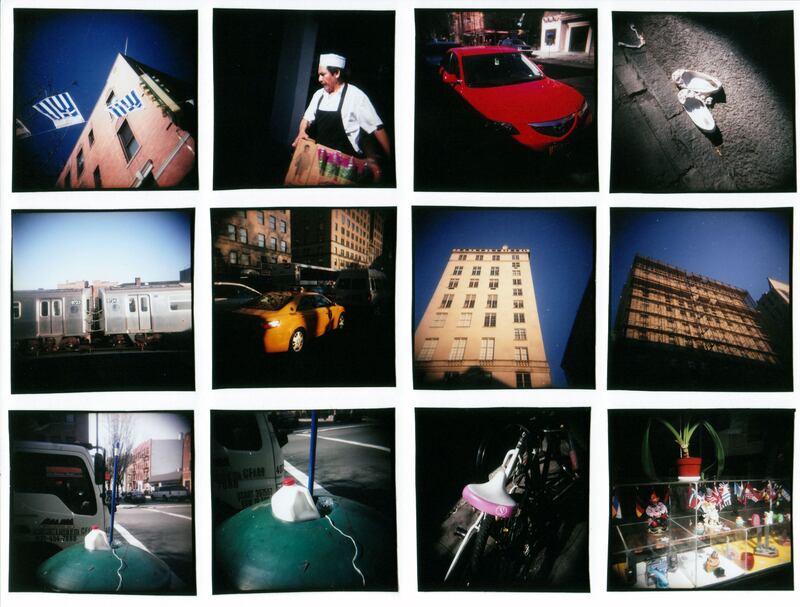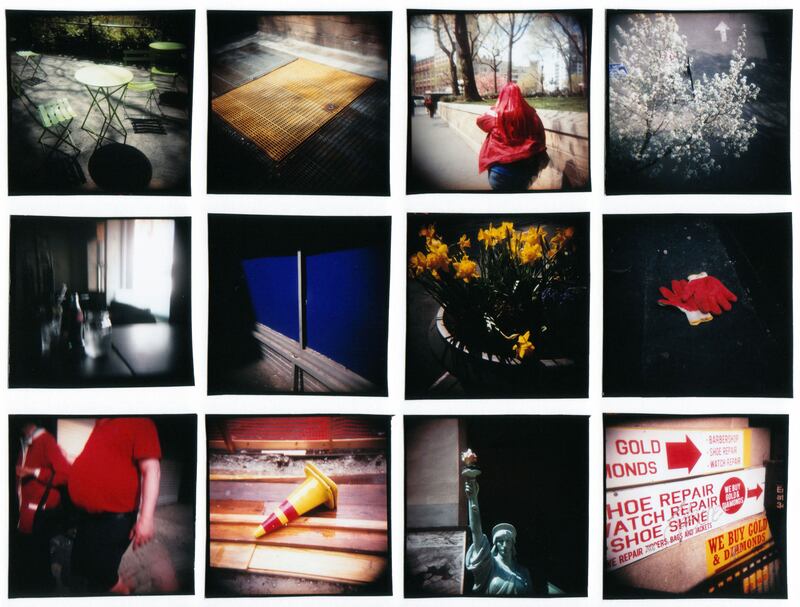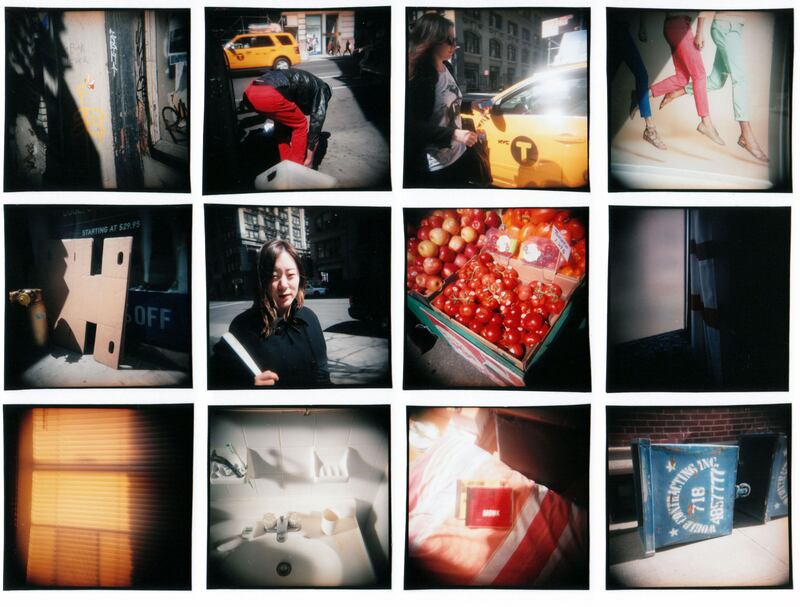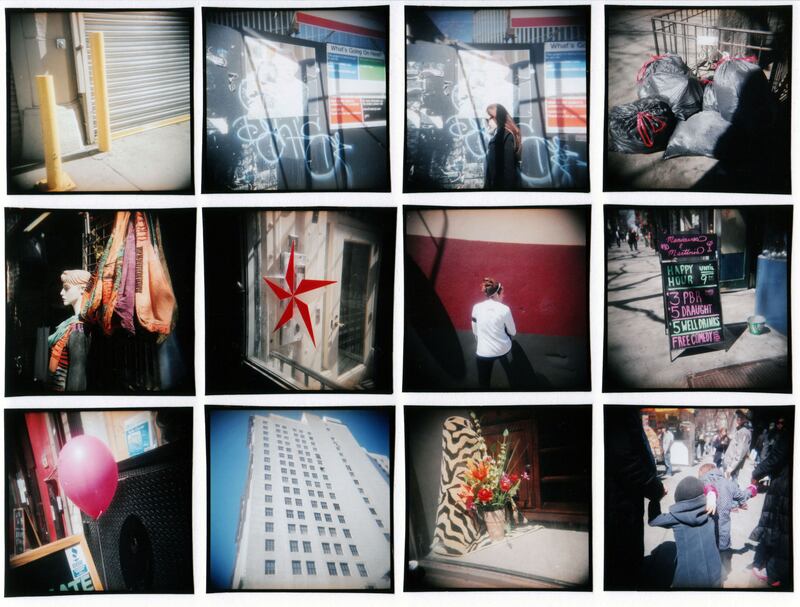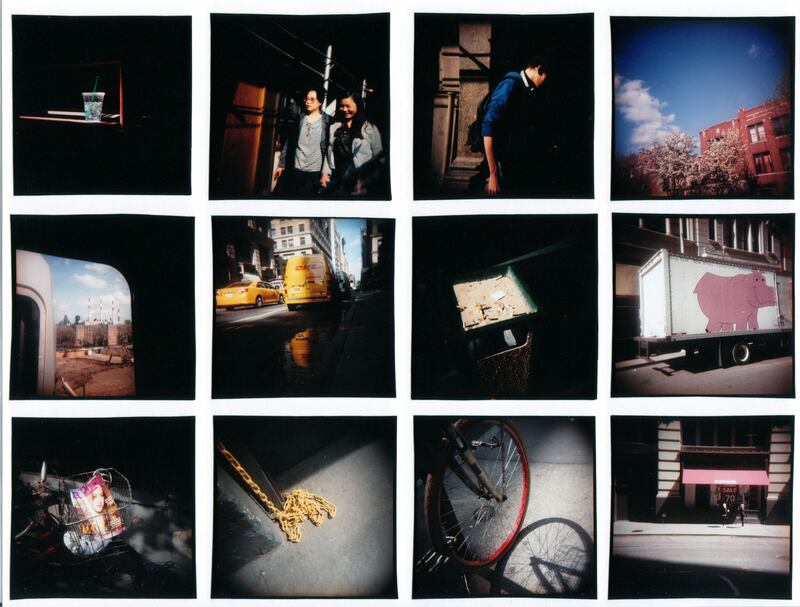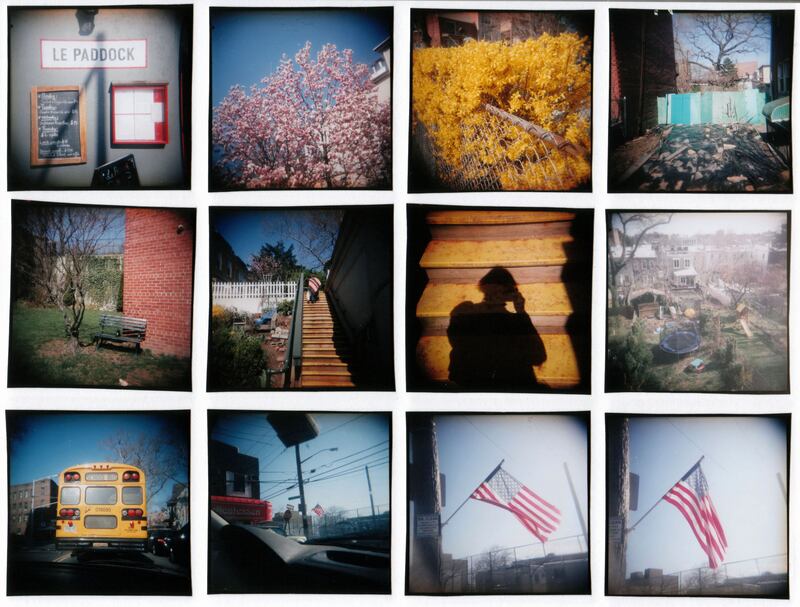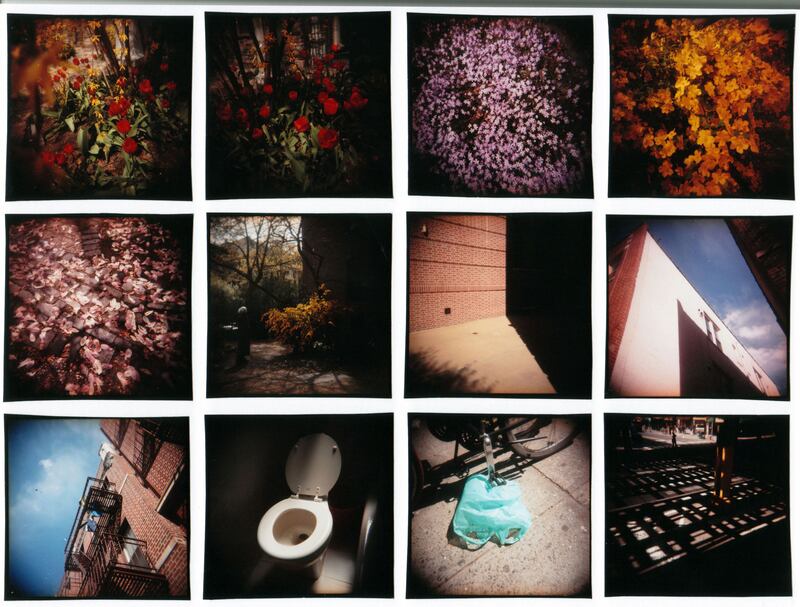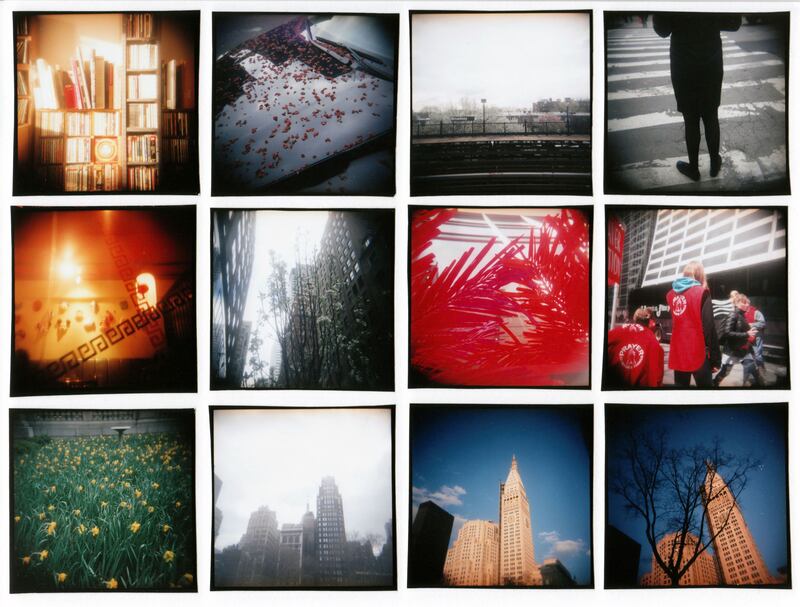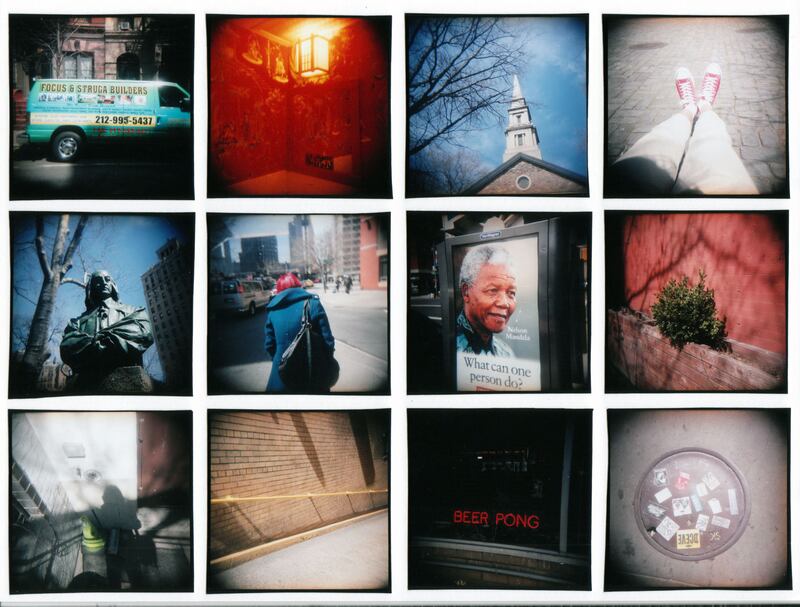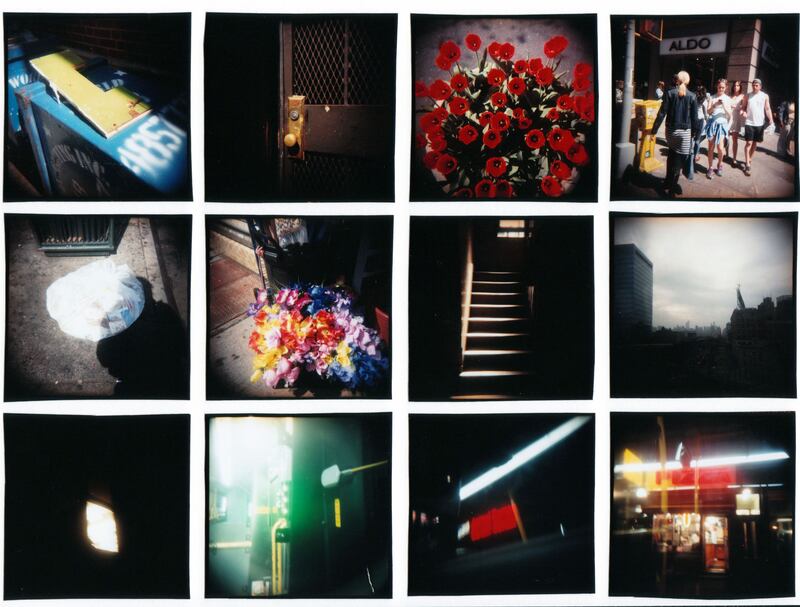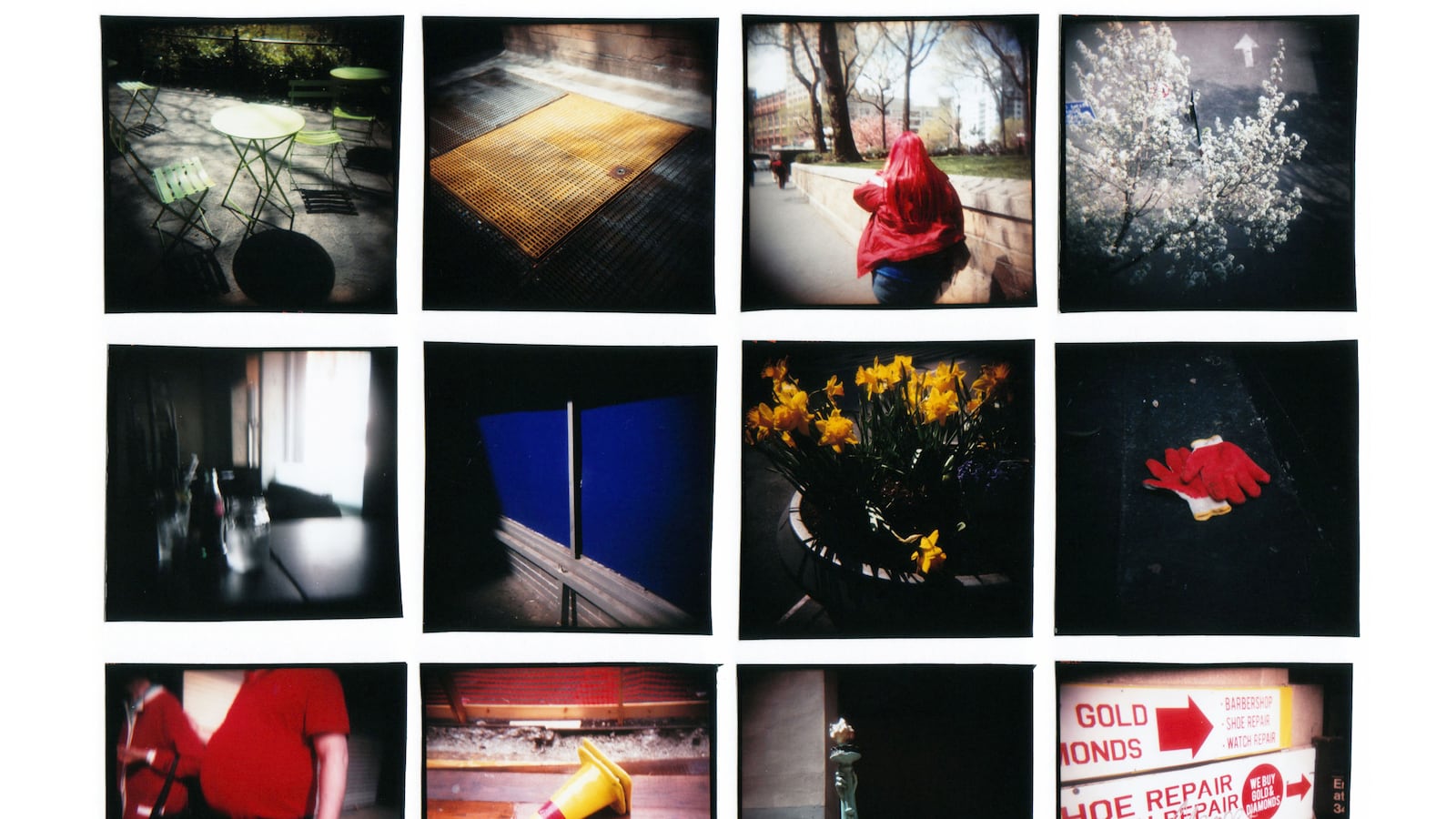
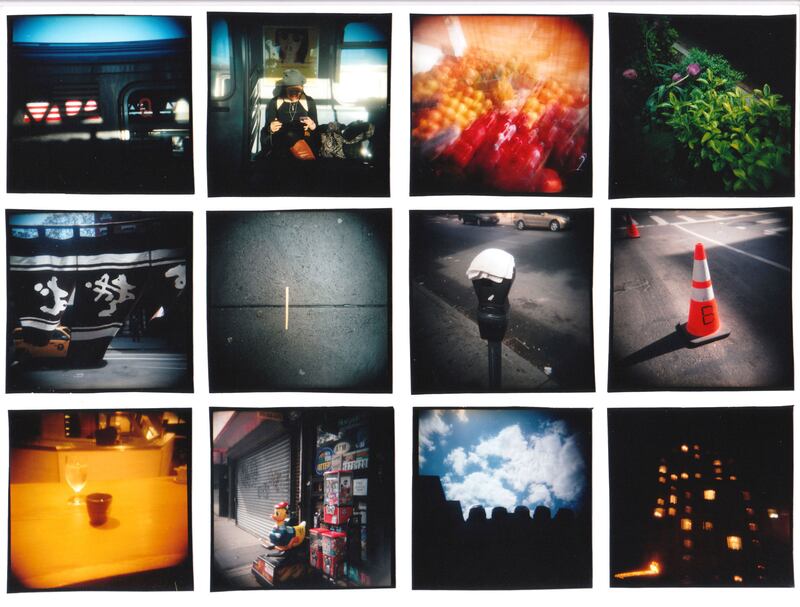
As a child growing up in Tokyo, photographer Hiroyuki Ito would stare at the ground when he walked, much to his mother’s dismay. By some unwitting instinct, he was training his eyes to become the talented street photographer he is today. From the beginning of his career, Ito found satisfaction in using his camera to capture the everyday occurrences and arbitrary objects that surround him. "Randomness is what makes the city interesting," he said during a recent interview.
The Daily Beast asked the New York-based photographer to explore the city with a Holga – the inexpensive, yet iconic, plastic film camera that produces nostalgic-looking images that Instagram can only mimic. Ito sees photography like a "sketch book," and favors the process of picture-taking over the final image. His work is presented here as contact sheets, mostly in chronological order. Observing Ito at work in Chelsea one evening, his pace is marked by a certain ease and brevity: always looking and discovering, snapping the camera, never looking back. "I want to be done photographing something before I am even aware that I want to photograph it," Ito said.
This slideshow is best viewed in fullscreen mode.
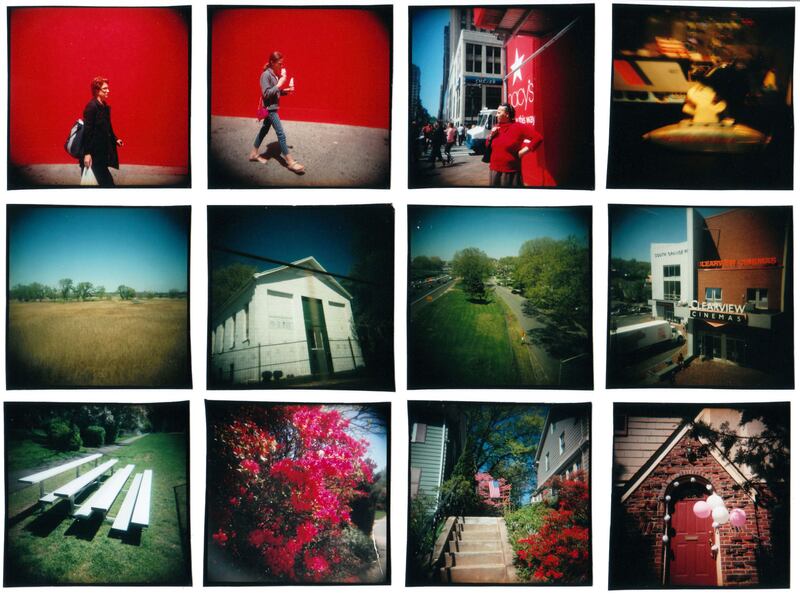
Hiroyuki Ito: "These contact sheets of photographs were taken in April and May 2013."
Hiroyuki Ito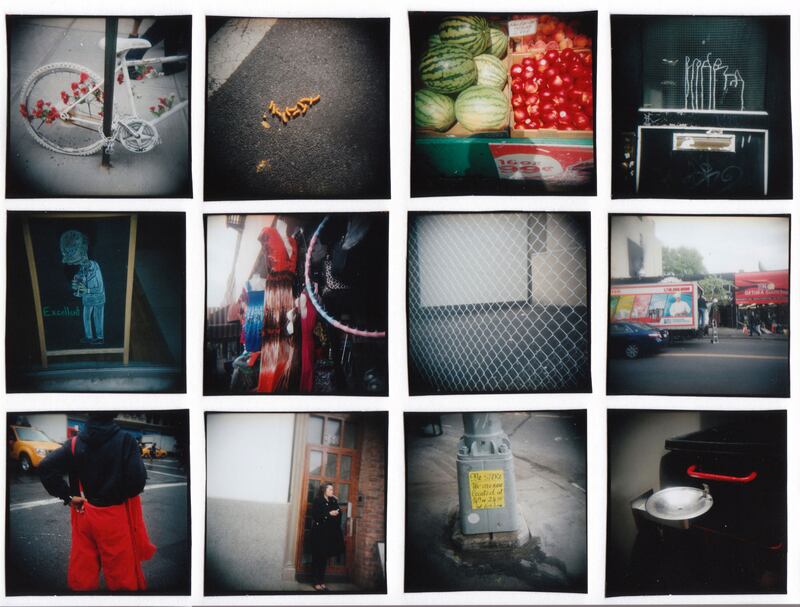
"If you always look for social commentary in photography, you'll find none here. For instance, there is a photograph of cheetos on the ground. Am I talking about littering with our corrupted manner or am I making a big statement about our junk food culture?
No.
I just photographed cheetos on the ground. Would you mind?"
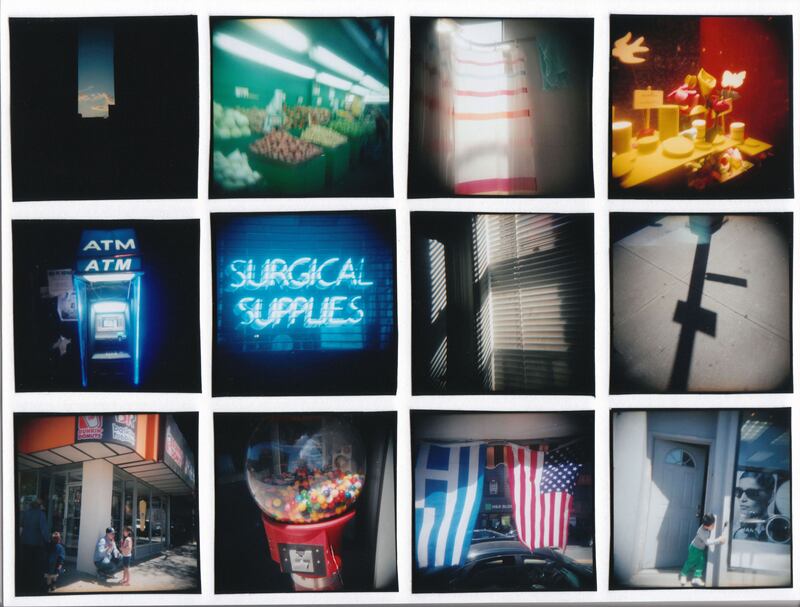
"When I am taking pictures, ideally speaking, I want to be done with photographing something before I am aware that I want to photograph it."
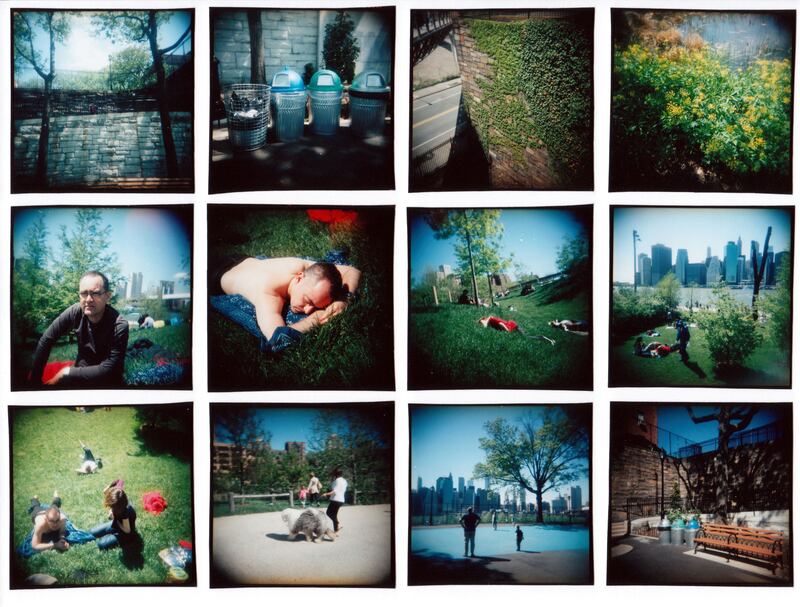
"I was never a big fan of 'Whys' and 'Becauses.' They tend to prevent me from living free."
Hiroyuki Ito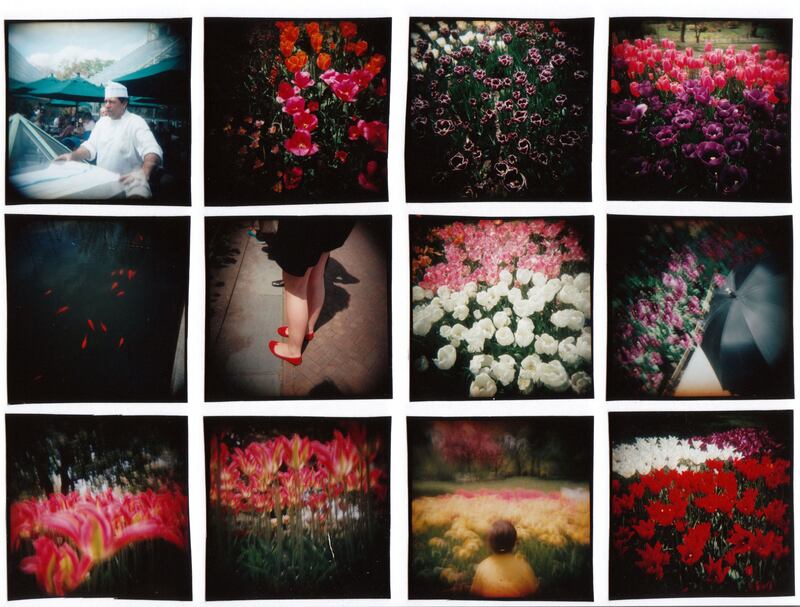
"To photograph is to collect light. A tiny hole in a black box opens up for a fraction of a second to let the light immortalize what our eyes can see, and meditation on photographs will further complicate our understanding of who we are. It's a beautiful way to get mystified by this perfectly, flawed world."
Hiroyuki Ito