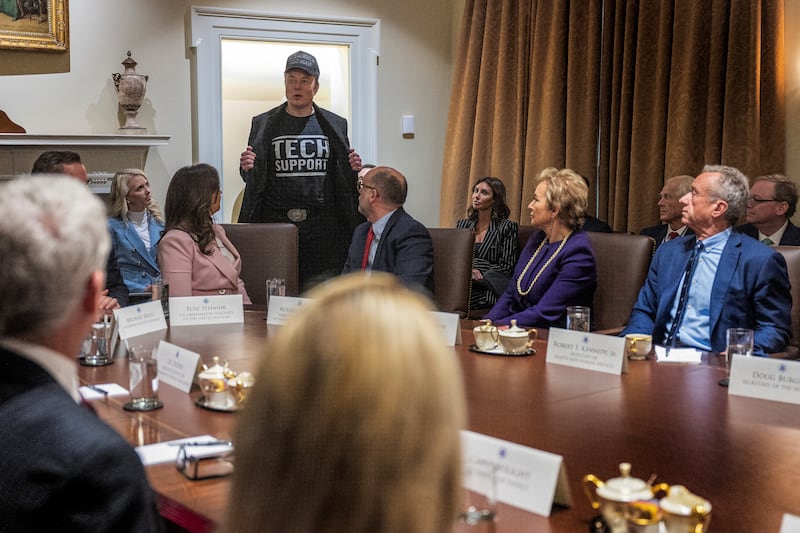
The fight against fraud “is a long-term enterprise,” Elon Musk said recently. “If we take our eye off the ball, the waste and fraud will come roaring back,“ he added. And a recent report summary released by Amtrak’s Office of Inspector General (OIG) shows just how loud fraud can roar.
The OIG’s report revealed the largest criminal conspiracy in Amtrak’s history—a widespread, years-long scheme in which at least 119 Amtrak employees conspired with healthcare providers to bilk Amtrak’s health care plan of more than $12 million over just three years. According to the Amtrak OIG, the employees accepted thousands of dollars in cash kickbacks so the healthcare providers could use their insurance information to file fraudulent and questionable medical claims for services that were never provided or not medically necessary.

A dozen perpetrators, including eight Amtrak employees and four medical professionals, have already been convicted, with restitution amounting to millions of dollars and counting. (One acupuncturist caught in an undercover sting must pay back more than $9 million alone.) The OIG also referred a whopping 61 active employees for personnel action.
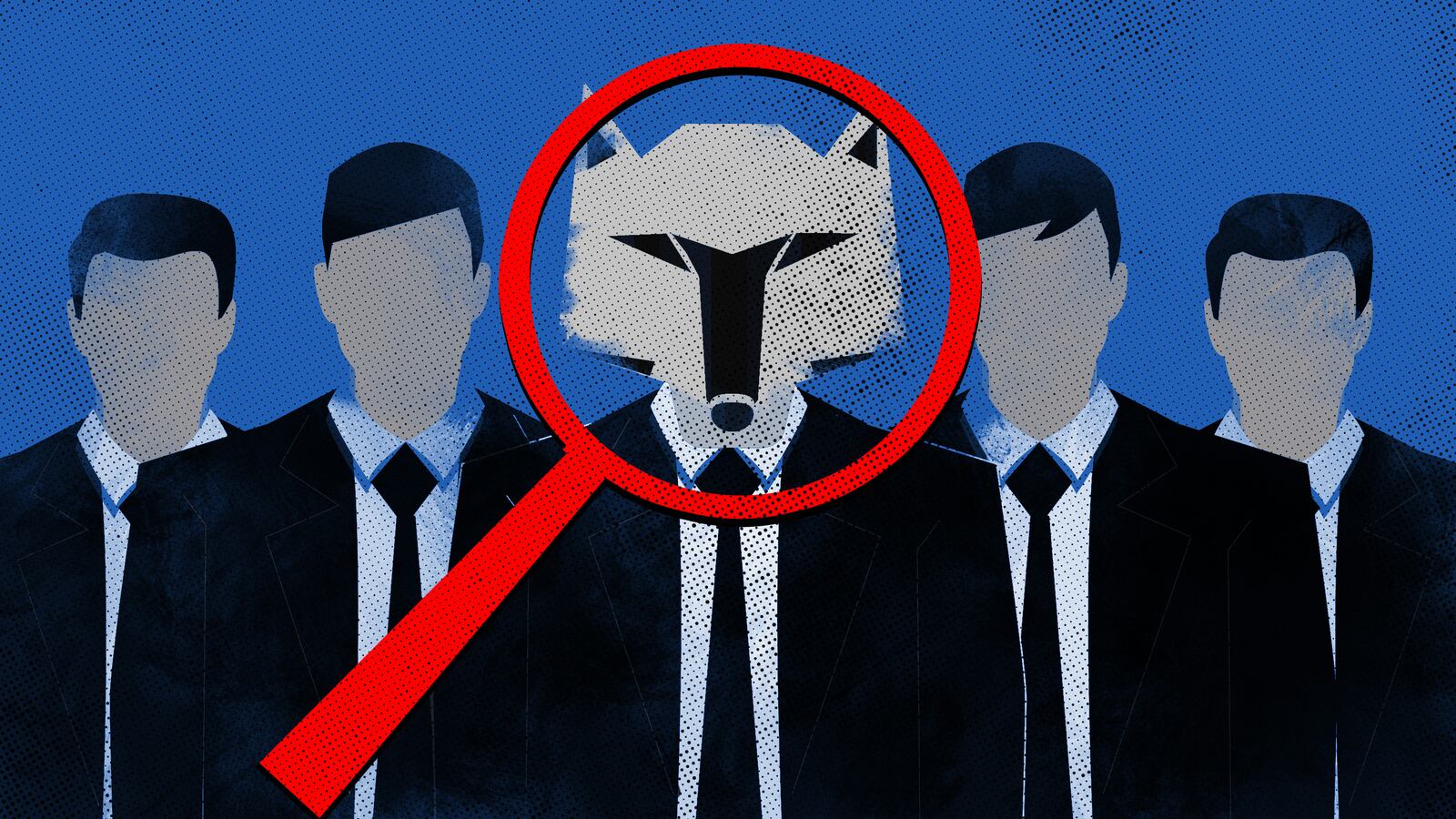
The report is a timely reminder of why we need Inspectors General. They provide crucial oversight of our federal tax dollars, to prevent and detect waste, fraud, and abuse throughout the government. They are uniquely situated to not only investigate misconduct, but also make recommendations on how their agencies can improve—and hold them accountable for failing to implement recommended changes.
It’s also important to highlight how the OIG uncovered the Amtrak scheme in the first place: data analysis. “The investigation was sparked,” according to the OIG’s summary, “when an OIG agent noticed unusual billing patterns in reports.”
Bolstering data analytics has been a focal point for the Inspector General community for years. And this investigation is a good illustration of the future of IG oversight: harvesting the government’s huge streams of data to find anomalies and patterns that indicate suspicious behavior. During the Covid-19 pandemic, for example, Inspector Generals used data to uncover billions of dollars in waste, fraud, and abuse in pandemic spending across federal agencies.
Americans should expect to see more data-based oversight in the future and that’s a good thing.
Crucially, this could inform the future of Musk’s DOGE, the Department of Government Efficiency. As Musk’s tenure at the department apparently winds down in the coming weeks, the question becomes what it will look like without—or beyond—him. Some have suggested that DOGE’s high-powered techies should focus their efforts on analyzing huge federal data sets.
If DOGE reframes in that way—shifting from Musk’s chainsaw, cut-everything-in-sight campaign to a more surgical, sustainable approach—the IG community should be a natural ally and asset in improving the performance of federal agencies for the benefit of the American people.

But this would require a few changes. First, a mindset shift in DOGE, which has seemingly sidelined the OIGs.
Second, President Trump would have to nominate nonpartisan, independent IGs who will have the requisite credibility to effect positive change in their agencies—and empower them to do their jobs without fear of retribution. There are currently an astounding 28 vacant IG positions for the President to appoint, many due to the fact that he fired 18 IGs—myself included— at the start of his term due to “changing priorities.” Moving forward in this vein, Trump must issue a clear and unequivocal statement affirming the OIG community’s authority to carry out independent oversight, including reaching conclusions that may not align with his preferences.
With these changes, the Inspector General community could become an effective partner and force multiplier for DOGE 2.0 in preventing waste and fraud from roaring back.