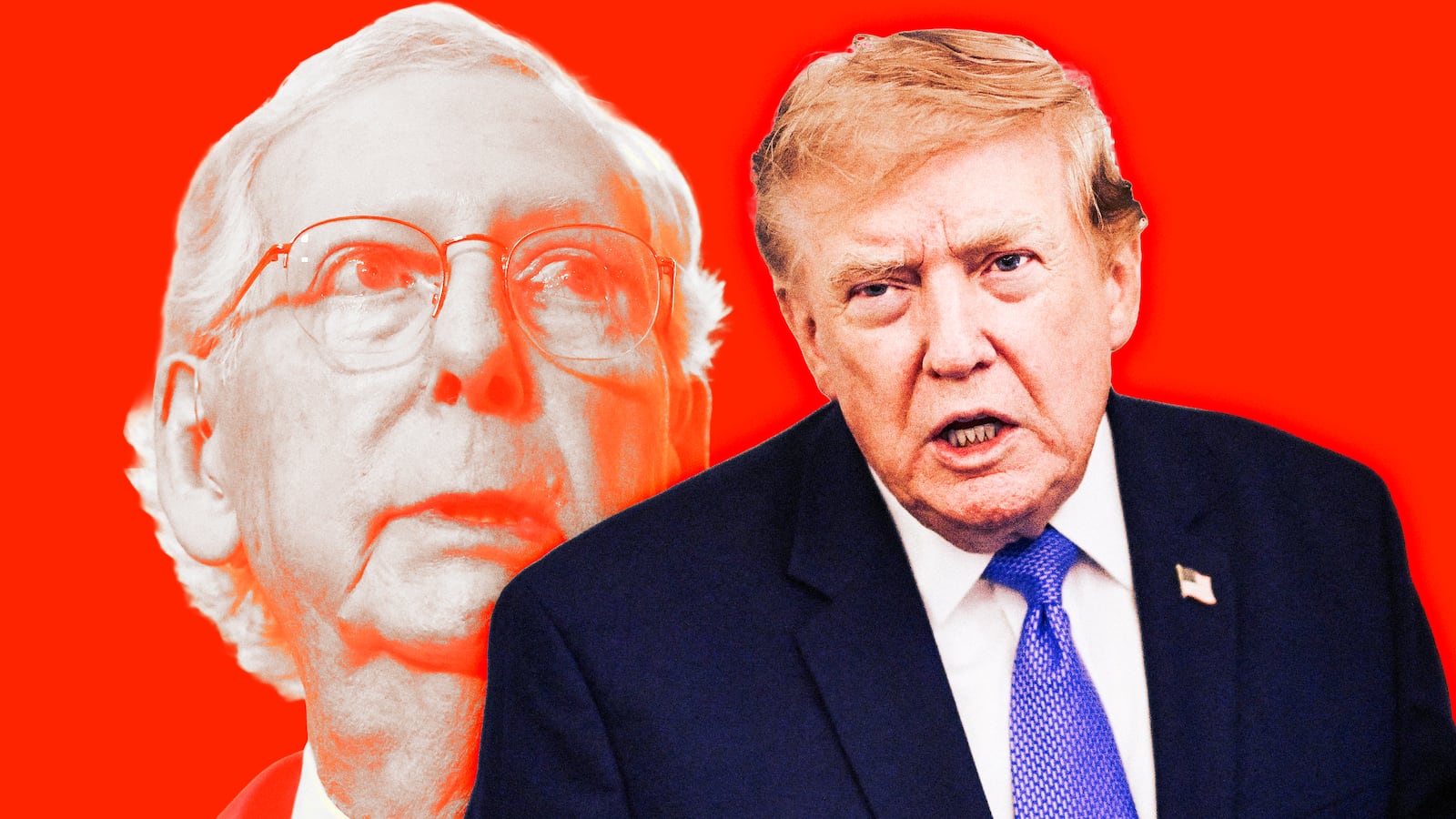
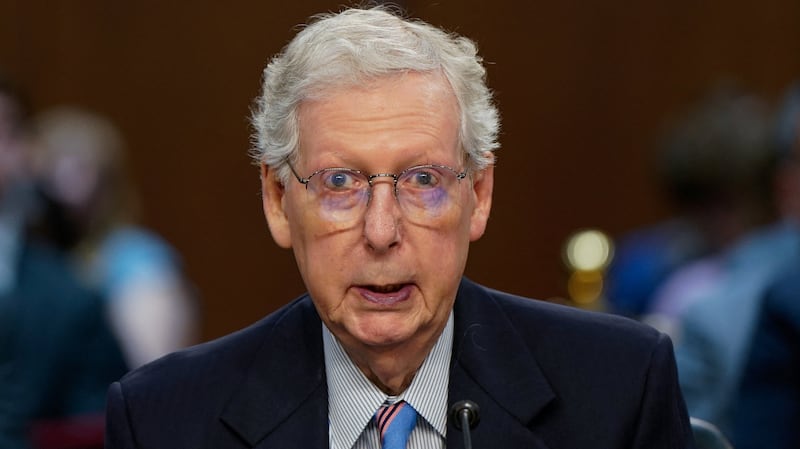
The fate of President Donald Trump’s pick for attorney general hangs in the balance thanks to the vanishing act of Mitch McConnell.
With the 84-year-old Senator still mysteriously absent following his hospitalization seven weeks ago, Todd Blanche’s nomination will come down to the wire as Republicans scramble to confirm him before the Senate’s summer recess begins on Friday.
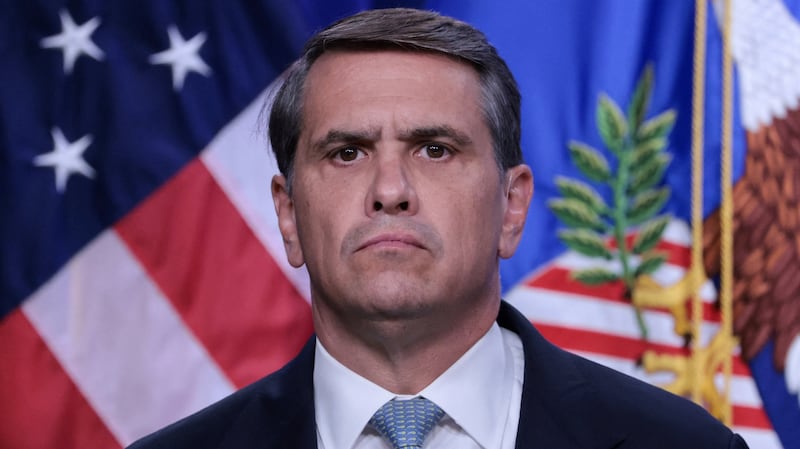
But what should have been an easy ride for Blanche, who has been acting attorney general since Trump fired Pam Bondi in April, has now become a potential humiliation for the president.
Maine Senator Susan Collins has already announced she will oppose Blanche’s nomination, saying that while she respects his legal skills, she believes the Justice Department has become too politicized under his leadership.
With McConnell gone, this defection means Republicans can only afford one more “no” vote if, as expected, Democrats remain united in opposition.
That leaves two of the Senate’s most closely watched moderates—Alaska Senator Lisa Murkowski (who occasionally breaks ranks with her party) and Louisiana Senator Bill Cassidy (who lost his primary race after Trump endorsed his opponent)—with enormous sway over the outcome.
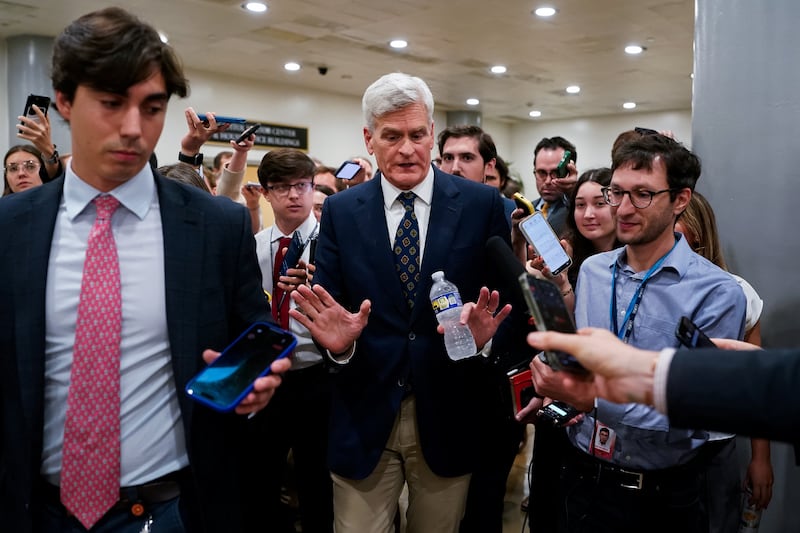
Both have so far declined to reveal how they intend to vote; however, in a radio interview this week, Cassidy said he was “very concerned” about “lawfare” and pointed out Blanche’s history with Trump.
Blanche used to be Trump’s personal attorney and represented him in the so-called “hush money” trial that led to the president being criminally convicted of falsifying business documents to cover up a sex scandal with porn star Stormy Daniels.
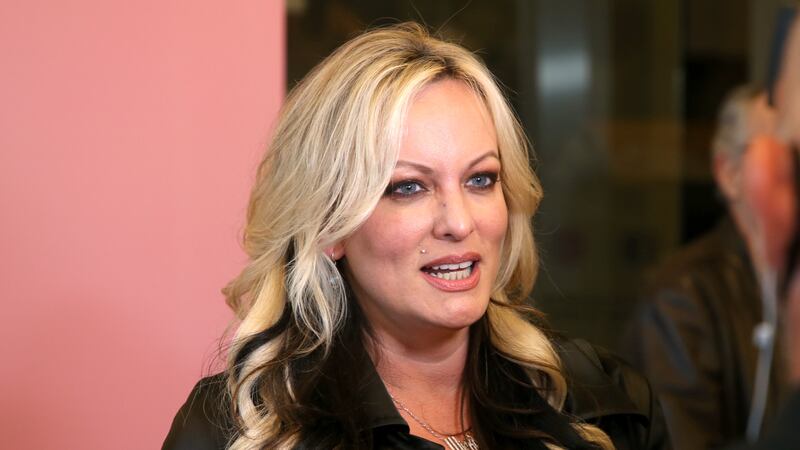
But his close relationship with Trump has sparked questions about his ability to lead the department independently, particularly after he admitted during his confirmation hearings that the White House was essentially running things.
He has also faced mounting controversy over his stewardship of the Department’s handling of the Jeffrey Epstein files, including the sweetheart deal that resulted in Epstein accomplice Ghislaine Maxwell being transferred to a cushy prison camp in Texas.
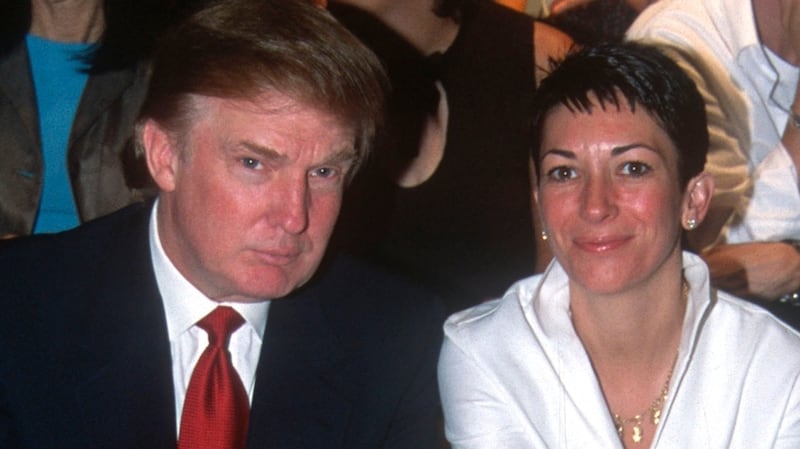
“I’ve got to be convinced that he is an attorney general who just happens to have once been President Trump’s personal attorney, as opposed to President Trump’s personal attorney who is now the attorney general,” Cassidy said on Sirius XM.
“I think there’s a big difference between the two.”

The razor-thin math underscores how dramatically McConnell’s vanishing act has altered the Senate landscape.
The senator was rushed to George Washington University Hospital on June 14 after a 911 call suggesting he’d had a heart attack, was unconscious, and had received CPR.
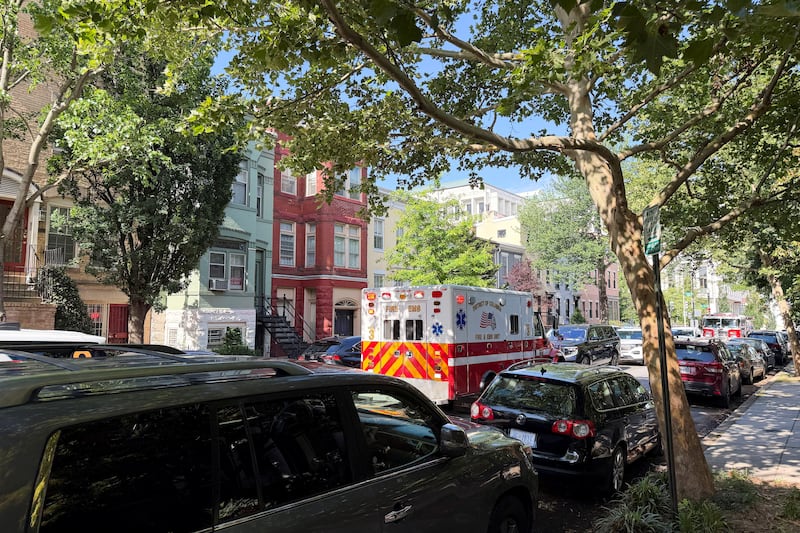
Since then, he has missed dozens of crucial votes on everything from a war powers resolution on Iran to judicial nominations and policies on housing affordability.
But apart from two “proof of life” statements and photos—both of which have been met with deep skepticism—McConnell and his team have refused to answer basic questions about his condition or when he was likely to return to work.
Alabama Senator Tommy Tuberville said three weeks ago that McConnell ought to return to work before the August 8 recess, after which the Senate does not return until Sept. 14.
“We’re gonna need him because the Democrats’ not gonna give us any votes,” Tuberville said at the time.
If Blanche’s nomination were to fail, it would amount to a major rebuke for Trump, who has demanded the GOP back him.

Last week, as Republican Senators Thom Tillis and John Cornyn threatened to upend the vote over concerns about the $1.8 billion “anti-weaponization fund”, the president threatened to bypass the Senate by keeping him on as acting attorney general until the pair left Congress after the midterms and he finally got the numbers.
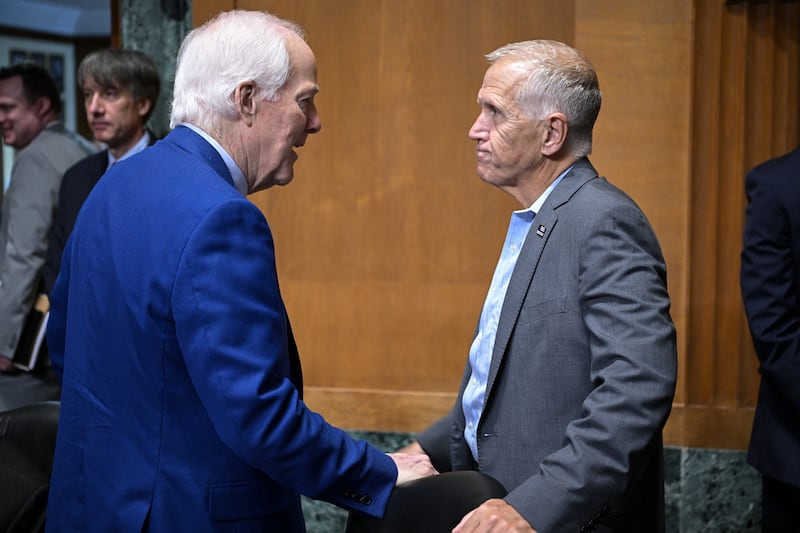
He still has the ability to do this, although both men folded this week after extracting what they viewed as a concession from the administration: the formal cancellation of the fund and written assurances about the dubious settlement deal that underpinned it.
But their victory lap was immediately overshadowed by criticism that the pair had secured far less than suggested because the controversial agreement shielding Trump, his family and his businesses from IRS scrutiny remains.