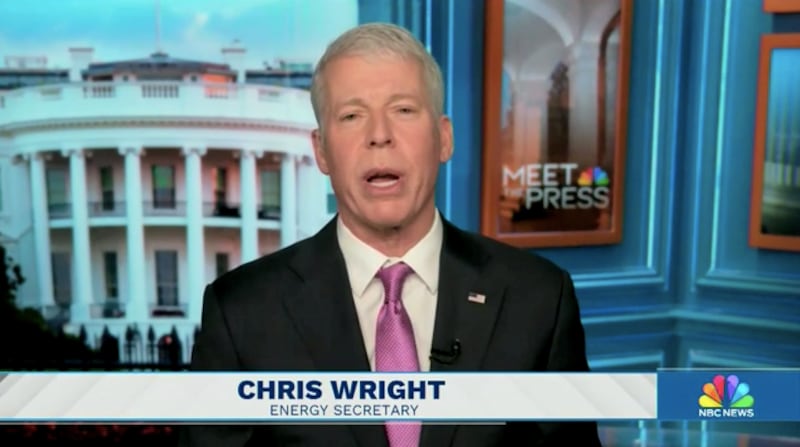
Energy Secretary Chris Wright tripped over his words when confronted over President Trump’s decision to lift sanctions on Russian crude oil—and whether it was effectively rewarding Vladimir Putin.
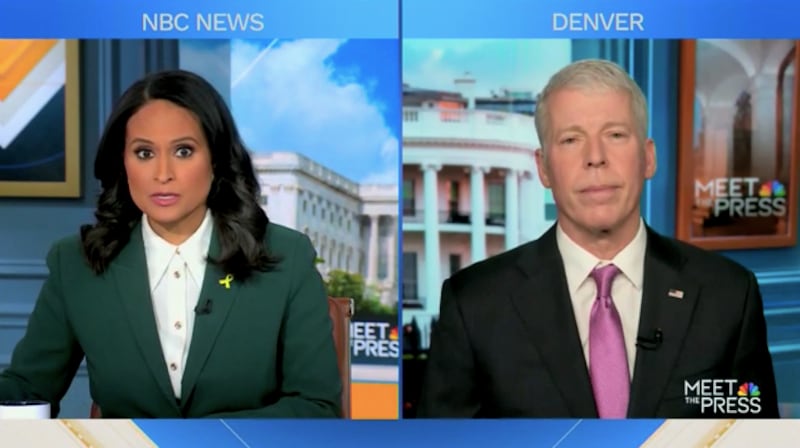
Wright appeared on NBC’s Meet the Press on Sunday, where host Kristen Welker pressed him on the decision.
“The Treasury Department is temporarily lifting sanctions on Russian oil this week amid reports that Russia is giving Iran intelligence to target U.S. assets in the region. Why is the United States rewarding Russia?” Welker asked.
Wright paused for a moment, before loudly protesting: “So this is not rewarding Russia. I understand that it can be seen that way.”
As Wright tried to continue, the NBC host interrupted: “How else can it be seen? But, Mr. Secretary, how else can it be seen if the U.S. is lifting sanctions on Russia?”
Wright once more took a moment to think, before stumbling over his words as he began: “Because the oil we’re lifting sanctions on is already on the water waiting to unload in a Chinese port, but it will wait there for six or eight weeks.”
The energy secretary made no connection to Trump’s unauthorized war with Iran putting Putin in a position of power as he reasoned: “So instead of letting that oil sit there idly, we told the Indians and then the broader nations of Asia, ‘Go ahead and buy that oil, bring it into your port now and keep your refineries running.’
“That oil was already exported, already going to be sold. We’re just changing the destination of where it will be sold and by doing that we’re keeping a little bit of a lid on oil prices and helping our allies across Asia.”
Prior to Trump’s decision to pause sanctions, Putin’s oil shipments were stranded at sea awaiting buyers, with millions of barrels sitting offshore and limiting one of Russia’s major economies.

Things changed for Russia when Trump entered into war with Iran on Feb. 28. The Strait of Hormuz, through which around 20 percent of the world’s oil flows, is now largely impassable, putting Putin’s offerings back in demand amid rising prices.
According to the Financial Times, Russia is now making as much as $150 million per day in extra budget revenues from their oil sales.
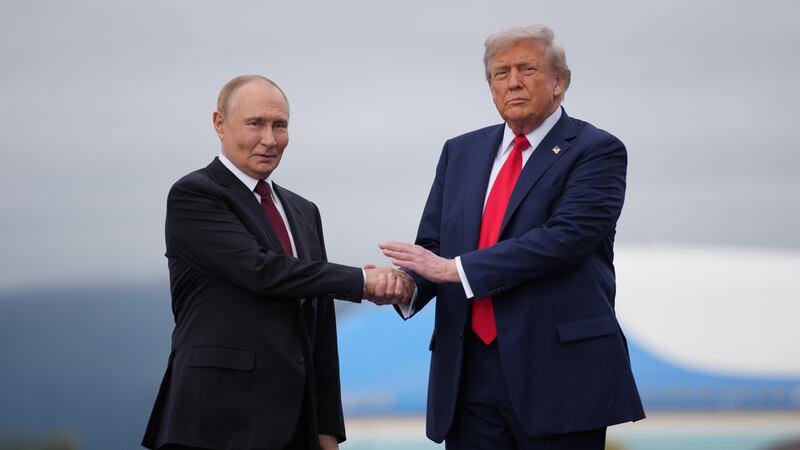
While Wright argued that Russia wasn’t being “rewarded,” it seems that the Russians themselves think differently. On Friday, Russia’s economic envoy Kirill Dmitriev shared a sunny outlook for his country on Telegram.
“The United States is effectively acknowledging the obvious: without Russian oil, the global energy market cannot remain stable,” he wrote.
Dmitriev added: “Amid the growing energy crisis, further easing of restrictions on Russian energy sources appears increasingly inevitable, despite resistance from some in the Brussels bureaucracy.”