
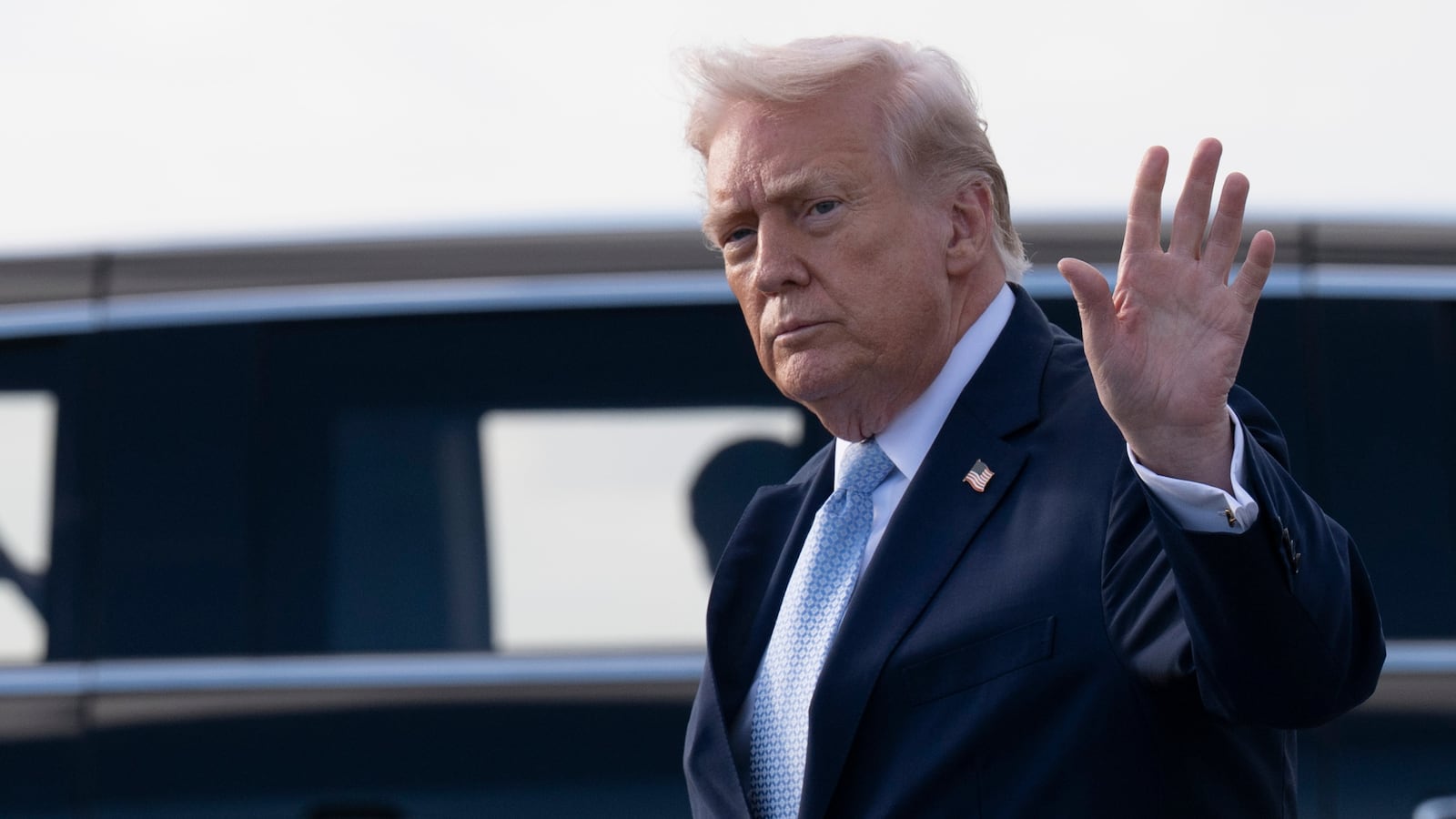
President Donald Trump is facing fresh political blowback after a new poll found many Americans are deeply skeptical of his reasons for launching the war with Iran.
The latest CBS News/YouGov survey, conducted between March 17-20 among 3,335 U.S. adults, shows that most Americans view the war with Iran as a conflict the U.S. chose rather than one it had to fight.
In the survey, 66 percent called it a war of choice, while just 34 percent said it was a war of necessity.
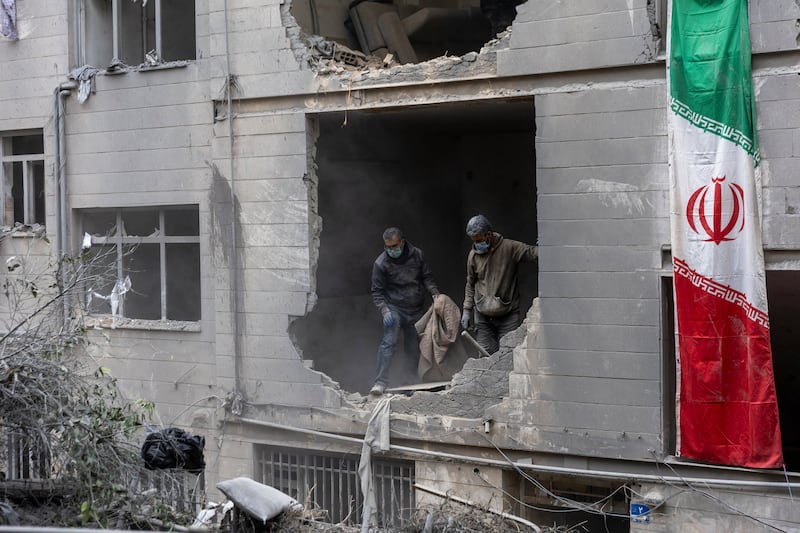
The poll also found broad confusion about what Trump is trying to achieve. Fully 68 percent said the administration has not adequately explained its goals.
Since the Iran war began on Feb. 28, Trump has repeatedly offered conflicting explanations for the military action.

At first, he framed the strikes as a blow against Iran’s nuclear ambitions and said they could help bring about a leadership change in Tehran. But as events developed, his explanation began to shift. Within days, he was recasting the military action as a preventive move designed to shield the United States and its allies from possible Iranian retaliation.
His timeline for the conflict also grew increasingly muddled. Early on, Trump said the fighting could continue for “four weeks or so.” Not long after, though, he claimed the campaign was “very complete, pretty much,” before later walking that back and saying the war would not be over that week, though it would end “very soon.”
Meanwhile, the Pentagon has asked Congress to sign off on another $200 billion for the Iran conflict, a massive funding request that appears at odds with Trump’s repeated claims that the war is nearly over. The administration is also reportedly considering sending additional air and naval assets to escort oil tankers through the Strait of Hormuz and keep the vital shipping lane open.
Sen. Ruben Gallego, an Arizona Democrat, said the staggering emergency request undercuts the White House’s message that the fighting is winding down. In his view, the size of the proposed war package points to an administration that still lacks a clear strategy for ending the conflict.
“At the height of combat the Iraq War cost around $140 billion per year. If the Pentagon is asking for $200 billion they are asking for a long war,” Gallego posted on X.
The uncertainty appears to be feeding growing opposition to the conflict. Sixty percent now disapprove of the war, according to CBS, a four-point increase from earlier this month.

The public is also deeply uneasy about where the conflict is headed: 57 percent said the war, which has seen 13 U.S. service members killed, is going very or somewhat badly for the United States, while 92 percent said they want it brought to an end as soon as possible.
Americans also are not sold on Trump’s argument that the war will ultimately make the country stronger or safer. CBS found that 42 percent believe the conflict will make the U.S. less safe over the long term, more than the share who think it will improve national security or have no real effect.

On the economy, the most common view was similarly gloomy, with 33 percent saying the war, which has already seen oil and gas prices explode, will leave the U.S. economy weaker in the long run.
Despite the polls, the White House has claimed there is public backing for the war.
“Polling shows President Trump’s decision to launch Operation Epic Fury has Americans’ support—with MAGA and Republicans strongly supporting it,” a White House official told the Daily Beast.
Analysis by CNN pollster Harry Enten showed that 90 percent of MAGA Republicans approve of U.S. military action in Iran, while Trump’s approval with the group is at 100 percent.
White House spokesperson Davis Ingle told the Daily Beast: “What matters most to the American people is having a commander-in-chief who takes decisive action to eliminate threats and keep them safe, which is exactly what President Trump is doing with the ongoing successful Operation Epic Fury.
“President Trump campaigned proudly on his promise to deny the Iranian regime the ability to develop a nuclear weapon, which is what this noble operation is seeking to accomplish. The president does not make these incredibly important national security decisions based on fluid opinion polls, but on the best interest of the American people.”