
A senior Trump administration official warned Iran ahead of a planned U.S. operation to guide ships through the Strait of Hormuz, urging Tehran not to interfere, according to a report.
The warning suggests the administration was trying to avoid a further escalation of the conflict, which has seen oil and gas prices spike.
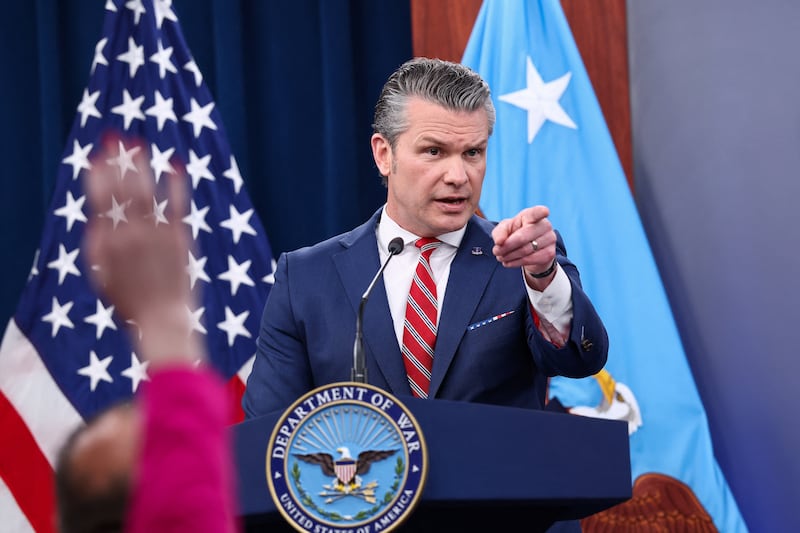
Defense Secretary Pete Hegseth appeared to confirm the report, from Axios, at a press conference on Tuesday, saying the U.S. “is communicating both overtly and quietly to the Iranians to allow this defensive operation to take place on behalf of the world.”
But despite the warning, Iran claims it has attacked U.S. Navy ships and the U.S. commercial vessels they were accompanying through the Strait.
The Daily Beast has contacted the White House and the Department of Defense for comment.
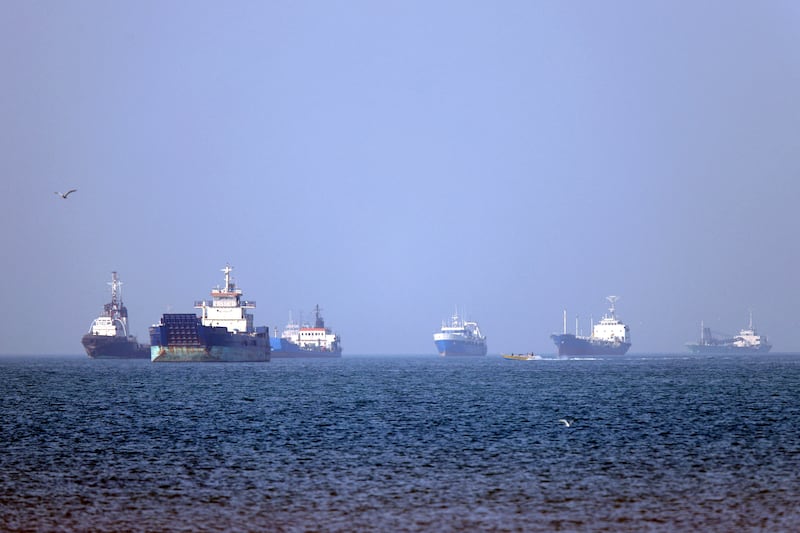
It comes after President Trump, 79, sought to cast himself as a peacemaker on Sunday, announcing a “humanitarian gesture” to help guide stranded ships out of the Strait of Hormuz, the key waterway the U.S. has blockaded amid its standoff with Iran.
Since fighting erupted on Feb. 28, the closure of the Strait of Hormuz has left hundreds of ships and roughly 20,000 seafarers stranded in the Persian Gulf, fueling a global oil shock.

Trump framed his proposed response—dubbed “Project Freedom”—as a humanitarian move, saying it would “free up people, companies, and countries that have done absolutely nothing wrong,” describing them as “victims of circumstance.” He said the effort would demonstrate “goodwill” after months of conflict.
Tehran responded with a warning that it would target any U.S. vessels entering the area. Iran’s semi-official Fars news agency later claimed a U.S. ship had been hit by missiles near the port of Jask, though Washington disputed that account.
Iran has since claimed that it has carried out multiple attacks on U.S. naval forces, commercial vessels, and targets in the UAE.
Still, U.S. officials insisted the truce remains intact, with Defense Secretary Pete Hegseth saying on Tuesday, “Right now, the ceasefire holds,” while Gen. Dan Caine described the strikes as “below the threshold of restarting major combat operations.”
But the ceasefire between the U.S. and Iran has come under strain in recent days. Negotiations between the two sides have stalled since mid-April, with no agreement yet on key issues, including reopening the Strait.
That means global energy prices are likely to stay high and unstable—something that is hurting Trump in the polls ahead of the midterms.
The latest ABC News/Washington Post/Ipsos poll found that around 76 percent of Americans disapprove of his handling of the cost of living, while 72 percent disapprove of his handling of inflation, up from 65 percent in February. About 65 percent disapprove of his handling of the economy, matching the worst ratings seen in years.

Meanwhile, Trump’s operation in the Strait of Hormuz does not appear to have significantly boosted the flow of oil or commercial shipping in its first 24 hours. U.S. Central Command said two U.S.-flagged vessels passed through the waterway on Monday, with no ships recorded on Tuesday.
But Hegseth has insisted that “hundreds more... are lining up.”