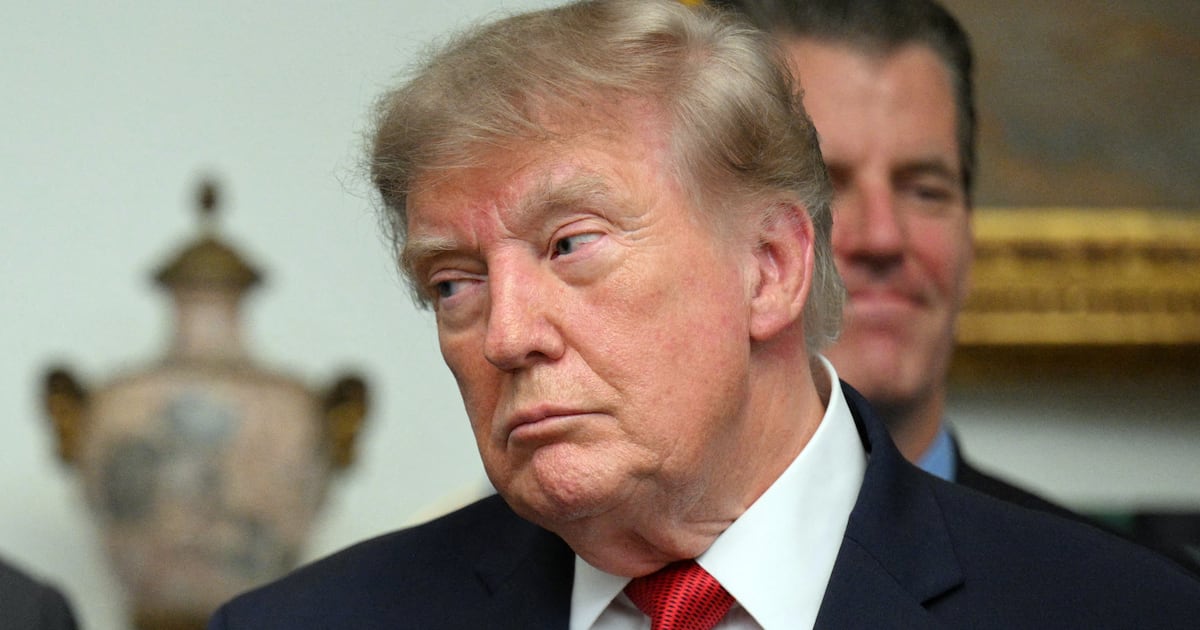

Donald Trump’s affordability crisis is about to get even worse.
Groceries could be set to join soaring gas prices caused by the president’s war in Iran, creating a household nightmare that’s already hurting Americans’ wallets.
The bad news was detailed by Bloomberg, which cited an economist who warned that inflation could rise by between 4 percent and 4.5 percent as the country faces ongoing global conflict, historically low cattle stocks, and a possible El Niño weather pattern.

“It’s going to be a challenging year,” California Polytechnic State University agribusiness professor Ricky Volpe told the outlet. “Food is going to become less affordable, and consumers should be prepared for it.”
He used to work for the U.S. Department of Agriculture’s Economic Research Service, and felt that the real rate of inflation would outstrip the USDA’s 2026 food-at-home price outlook of 3.2 percent, published on Friday.
Gas is already approaching the $5 a gallon mark, and the country’s exceptionally warm start to the year—at 5.7°F above average, according to the National Centers for Environmental Information—is threatening to only compound the misery.
USDA meteorologist Brad Rippey told the news agency that those high temperatures have increased the chances of low crop yields because plants’ annual development came prematurely, exposing them to bad weather they would not usually have had to contend with.
Gas prices have surged largely due to the closure of the Strait of Hormuz, a narrow shipping lane through which one-fifth of the world’s oil flows in peacetime, a consequence of Trump’s war with Iran.
Tehran has stunned the world with its ability to shut the waterway, threatening ships, planting mines, infuriating Washington, and proposing a paid-for service for vessels wanting to pass to and from the oil-rich countries around the Persian Gulf.
This is expected to affect groceries, too, as farms incur higher fuel costs.
The war has also caused chaos with the world’s fertilizer markets, sending prices up 20 percent since the start of the war, according to the Green Markets index for North America.
In the farmlands of the U.S., things haven’t been rosy either.
Storms have hampered tomato yields in Florida, leading to a 33 percent price spike, Bloomberg reports, while wildfires and brutal hailstorms have wreaked havoc for producers of various crops around the country.
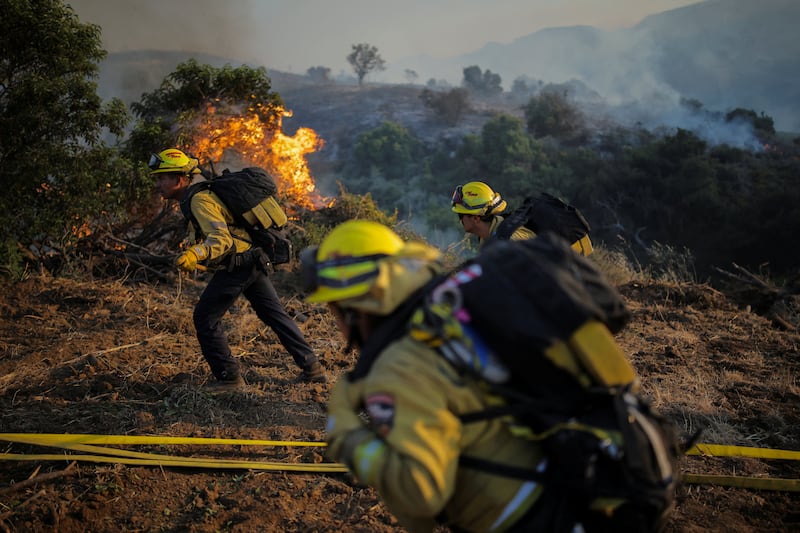
A previous Bloomberg report noted that around 1.6 million acres had burned in wildfires by April 1 this year across almost 19,000 fires, stretching firefighting resources.
Dauntless Air operates waterscooping planes, and its CEO told the agency in early April that they’d been busy already this year.
“We’re well ahead of where we should be this early in the season,” Brett L’Esperance told the agency. “This pace is unlikely to slow down, at least for now.”
California could face irrigation problems due to diminished snowpack in the Sierra Nevada mountains, raising concerns about the state’s vast production of fruit, vegetables, and nuts for the national food supply.
Meanwhile, the southeastern and central regions have suffered from low rainfall.

The National Drought Mitigation Center at the University of Nebraska-Lincoln told Bloomberg that 70 percent of the country’s winter wheat production was in areas marked as in drought. The same goes for 25 percent of corn production.
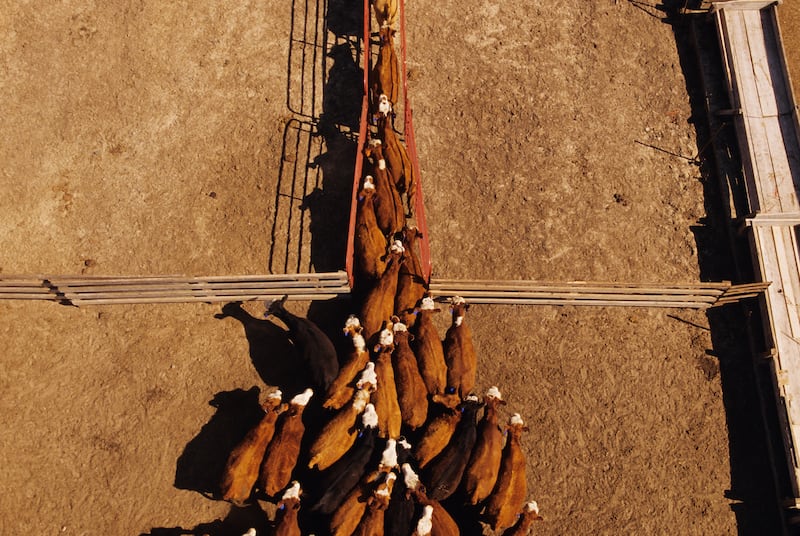
Meanwhile, the average price of a pound of ground beef has already risen, from around $5.50 at the start of 2024 to just over $7 in April this year, Bloomberg data showed.
To make matters worse, an El Niño weather pattern is expected to develop by August, creating further problems that are expected to stretch into 2027.
While it could provide vital rain to California, it is also likely to hit overseas producers of various imported goods, such as coffee. This adds an extra layer of concern to the already-fraught import market following the imposition of Trump’s sprawling tariff plan.
The president ran an election campaign promising to make Americans better off, but as the midterms loom in November, it is the Democrats who are expected to make their pitch to voters on improving affordability.
In a statement to the Daily Beast, White House spokesman Kush Desai said, “President Trump has always been clear about temporary disruptions as a result of Operation Epic Fury, but the Trump administration has never lost focus on delivering long-term economic relief for the American people: Most-Favored-Nations deals to slash drug prices, USDA actions to increase cattle herd sizes to reduce beef prices, executive orders slashing construction regulations to increase housing affordability, and an energy abundance agenda to power America’s economic resurgence.”
The Daily Beast has contacted the USDA for comment.