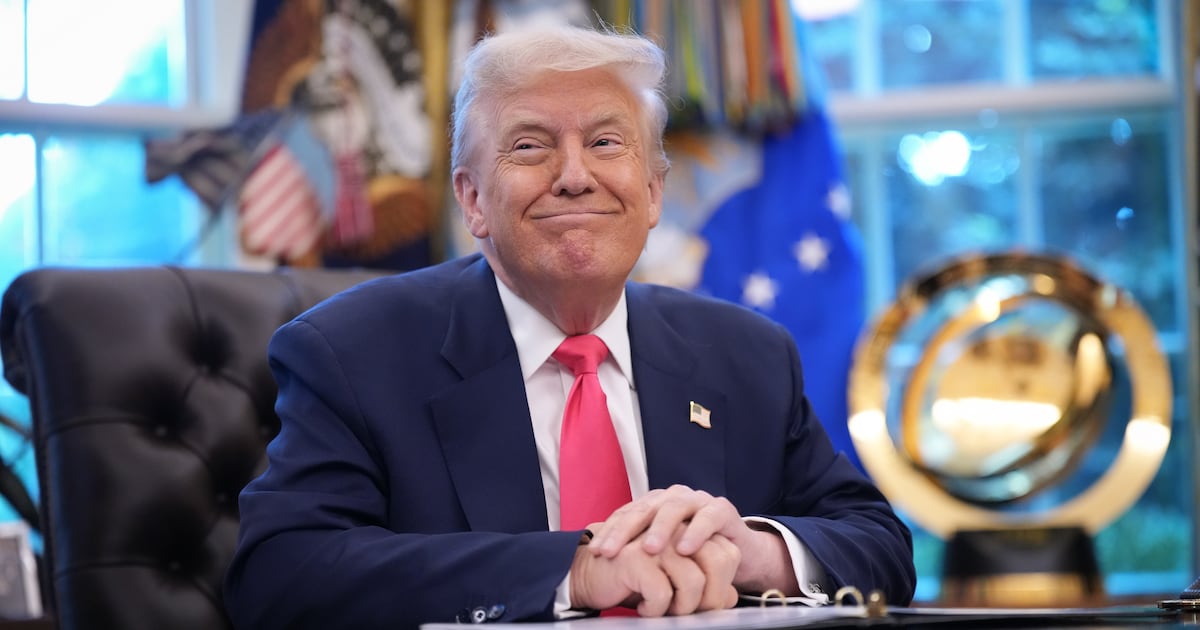
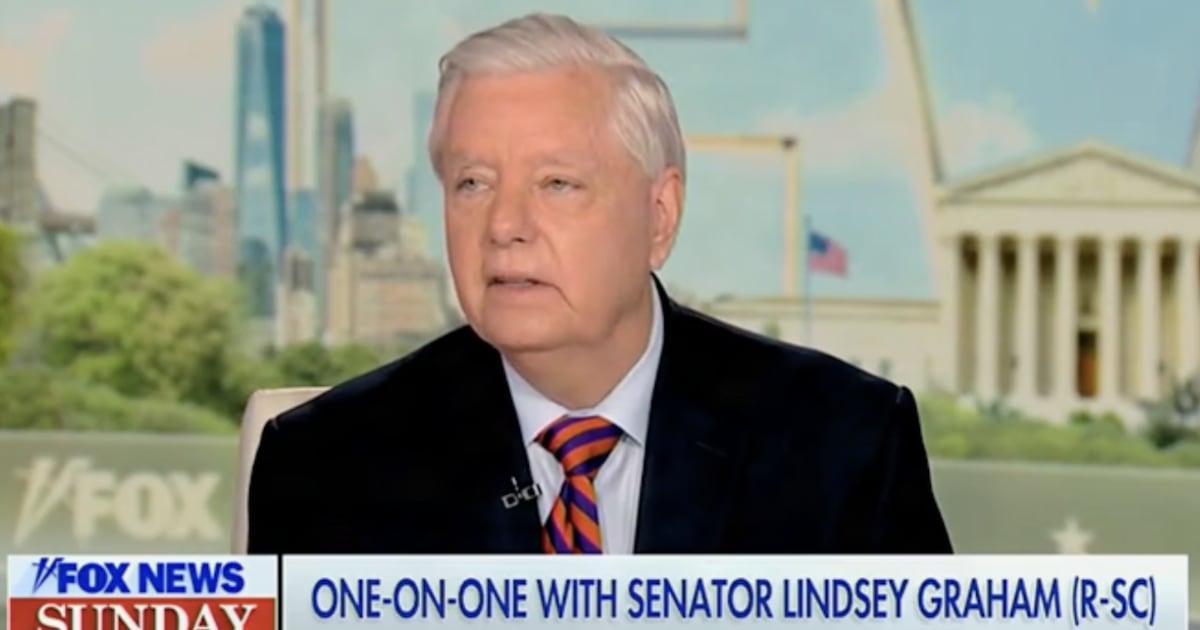
The senior Trump intelligence official who quit the administration over the Iran war says Trump’s plan to put U.S. boots on an exposed island would be a “disaster”—but almost nobody around him appears to have said so.
Joe Kent, 45, the former National Counterterrorism Center director who served under Director of National Intelligence Tulsi Gabbard, has spent the days since his March 17 resignation warning that the White House is drifting toward a far riskier phase of the war.
After 13 U.S. service members were killed in the opening stretch of the conflict, Kent quit and began making his case in interviews aimed at Trump’s MAGA base.
Perhaps his sharpest warning yet came in The Washington Post, where Kent argued that sending American ground troops to occupy Kharg Island would amount to handing Tehran a cluster of sitting targets. Reuters separately reported that Trump, 79, has been weighing whether to occupy or blockade the island, a vital oil hub, in an attempt to force a reopening of the Strait of Hormuz.
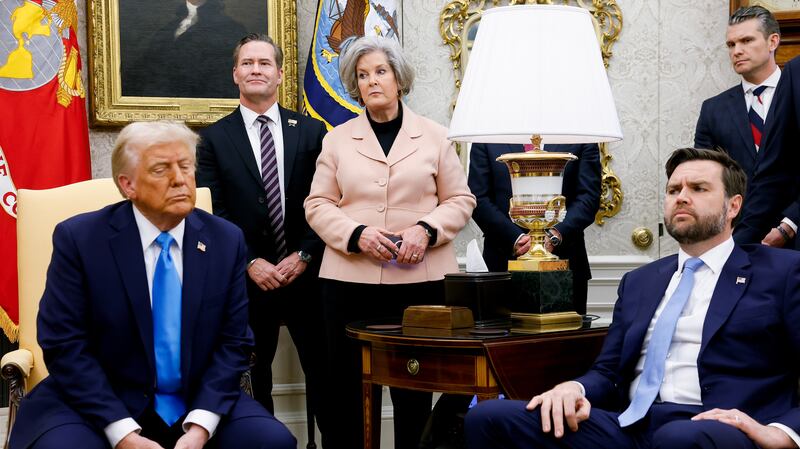
He admitted that “makes me very nervous,” adding: “I just think that would be a disaster. It would essentially be giving Iran a bunch of hostages on an island that they could barrage with drones and missiles.”

Kent has been trying to introduce that argument into MAGA media ever since he walked. In the same interview, he said Trump was calm on their call even while rejecting Kent’s view of the war.
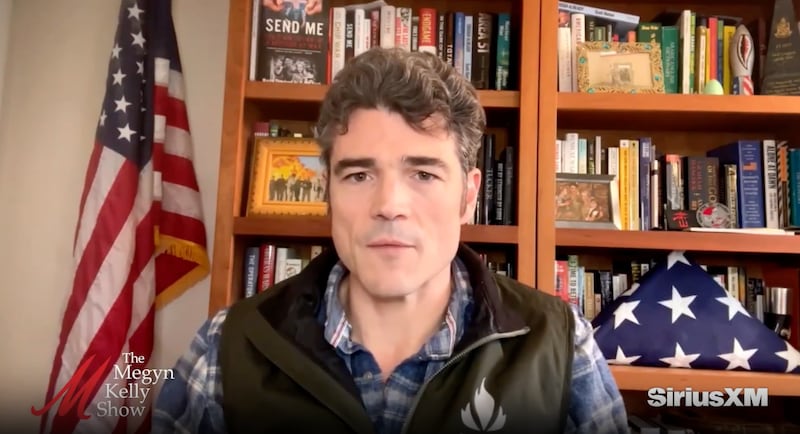

Kent’s clear message follows muddled signals from Trump. On March 19, Trump said he was “not putting troops anywhere,” even as other reporting described a military buildup and options that could include ground action linked to control of shipping lanes and Kharg Island itself.
Vice President JD Vance, Secretary of State Marco Rubio, and Chief of Staff Susie Wiles were said by Bloomberg to be more muted about war, while “few, if any,” told Trump directly it was an ill-conceived idea.
Bloomberg said Wiles focused on making sure Trump understood his options, while Vance pressed officials to speak plainly and questioned how a war would work.
The White House says Kent’s claims are false and insists Trump acted on evidence of an imminent threat.
The Iran war seems to have moved into a more dangerous phase, with Trump on Saturday giving Tehran a 48-hour ultimatum to reopen the Strait of Hormuz or face U.S. strikes on Iranian power infrastructure.
Iran has answered by threatening to hit Gulf power facilities, including sites that feed U.S. bases, and by warning that any attack on its southern coast or islands could trigger mine-laying and a much wider closure of Gulf shipping lanes. U.S. Central Command’s chief, Admiral Brad Cooper, said the campaign is “ahead or on plan,” even as Iranian missile launches and Israeli strikes have continued.

The immediate stakes are energy, shipping, and escalation. Reuters and AP both report that Kharg Island remains central to the pressure campaign, while markets are reacting to the risk of Hormuz remaining shut while regional infrastructure is damaged.
Brent crude was trading around $113 a barrel on Monday. Asian markets fell sharply in early trading, and the head of the International Energy Agency warned that the conflict poses a “major, major threat” to the global economy.
The Daily Beast has contacted the White House and the Pentagon for comment.