Survivors of the deadly attack in Kuwait after Donald Trump launched a war on Iran are disputing Defense Secretary Pete Hegseth’s claims about how the strike that killed six U.S. service members occurred.
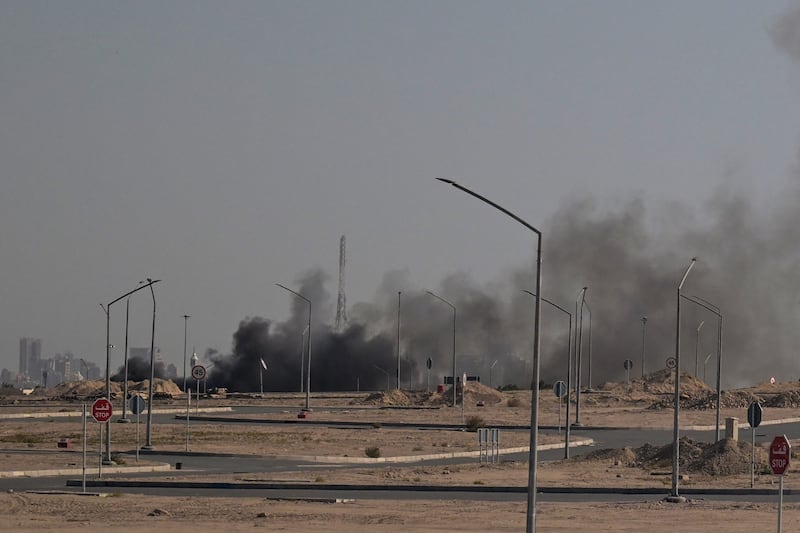
Soldiers on the ground for the deadly strike that left more than 20 others wounded told CBS News they were “dangerously exposed” and “unprepared” to defend themselves.
The accounts from those who were there in the lead-up to the attack and lived through the devastating experience in Port Shuaiba directly contradict Hegseth’s version of events and his claim that the location had been fortified.
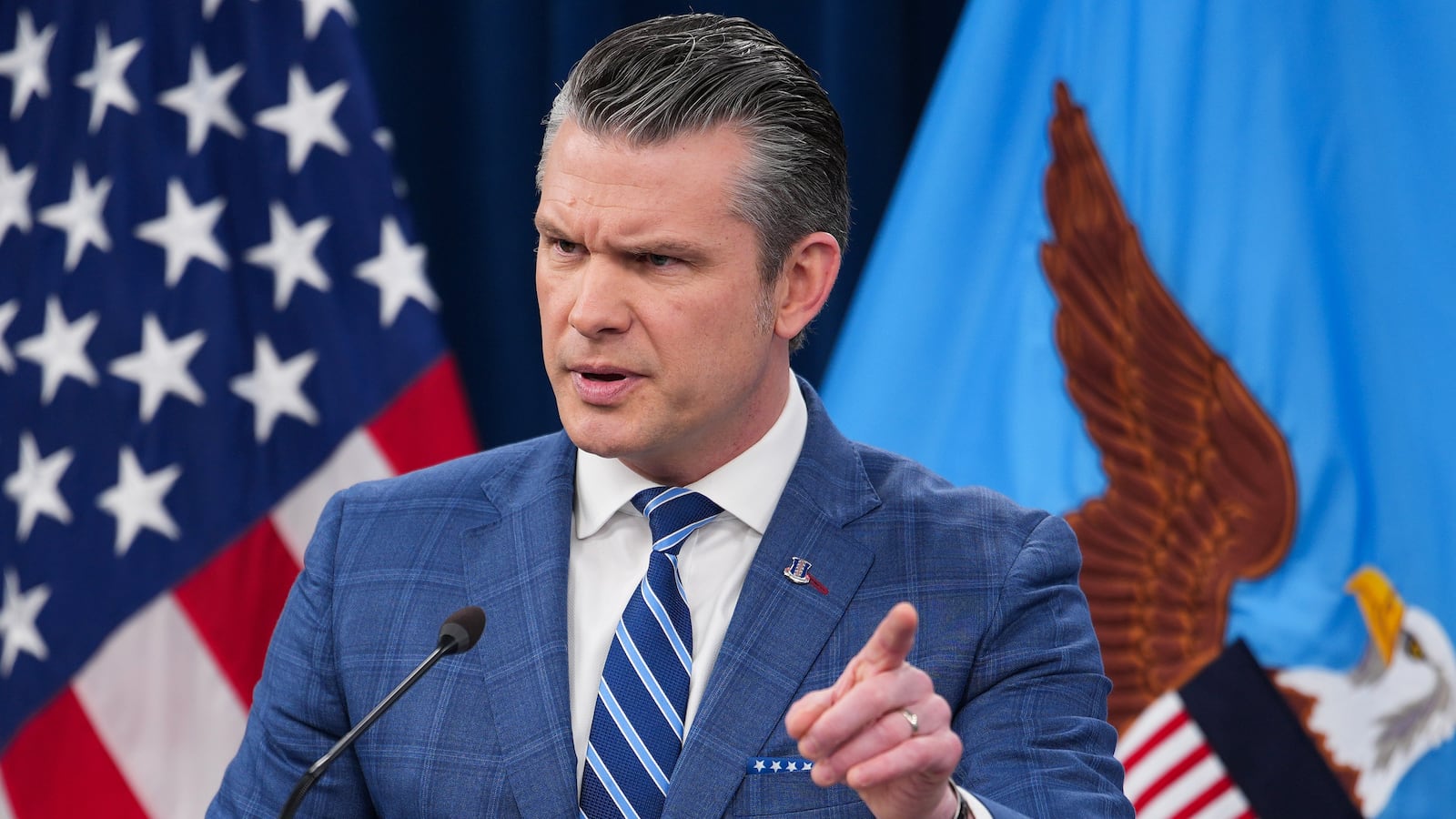
On March 2, during his press briefing, Hegseth indicated the deadly strike on March 1 was the result of a “squirter” that squeaked through defenses.
“We have incredible air defenders. Every once in a while you might have one, unfortunately we call it a squirter, that makes its way through, and in that particular case, it happened to hit a tactical operation center that was, that was fortified, but these are powerful weapons,” Hegseth said.
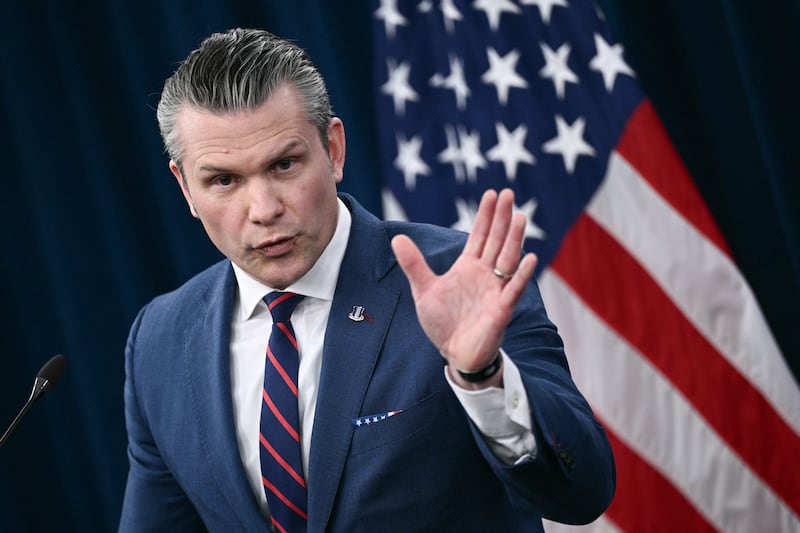
But one injured soldier told CBS News: “Painting a picture that ‘one squeaked through’ is a falsehood.”
“I want people to know the unit … was unprepared to provide any defense for itself. It was not a fortified position,” the soldier, who, like others, spoke on the condition of anonymity due to strict rules within the military, added.
One soldier said they saw intelligence that the post was on a list of potential Iranian targets. Soldiers indicated they still had questions over why they remained in range of missiles and drones from Iran.
“We moved closer to Iran, to a deeply unsafe area that was a known target,” the soldier also said. “I don’t think there was a good reason ever articulated.”

The soldier also described the bunker as “weak as one gets” with no defensive cover for attacks from above. Asked to describe the fortification, the soldier said it was a “none category” and, “From a drone defense capability … none."
Another injured soldier described the attack as “chaos” with “no single line of patients to triage. You’re on one side of the fire or you’re on the other side of the fire.”

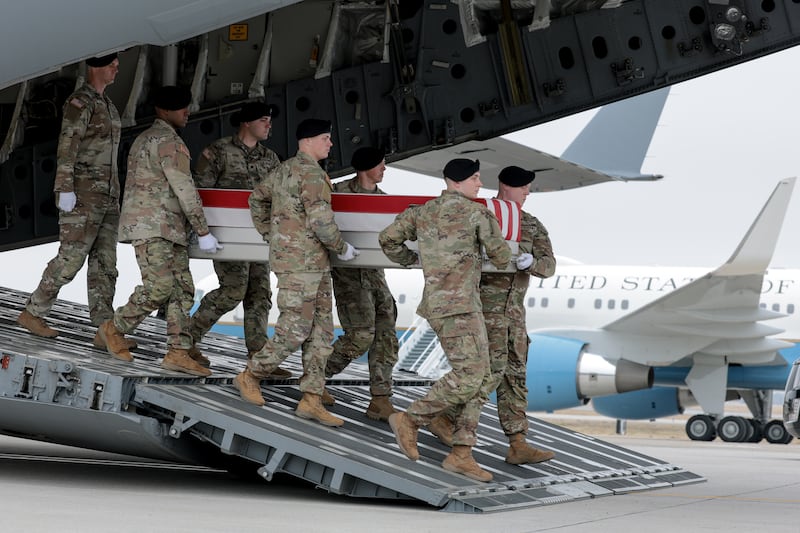
It was the deadliest attack on U.S. troops since 2021. According to witnesses, the soldiers triaged themselves with makeshift tourniquets and grabbed civilian vehicles to take the wounded to two local Kuwaiti hospitals.
“One of the hardest things for me is that I know we didn’t get everybody out, so I know that at this point there are still soldiers inside there that still haven’t been identified and evacuated,” one survivor told CBS News.
It was a damning account by multiple survivors provided to the network that had been heading under its new leadership in a more pro-MAGA direction.
A Pentagon spokesperson declined to comment on the soldiers’ claims to CBS News, noting the active investigation.