JD Vance has set the tone for high-stakes peace talks on Iran by questioning whether one of the country’s top officials could speak English properly.
The vice president made the rude gaffe on the world stage before heading to talks in Islamabad on Saturday, where he will play a central role in seeking a diplomatic off-ramp to the messy conflict.
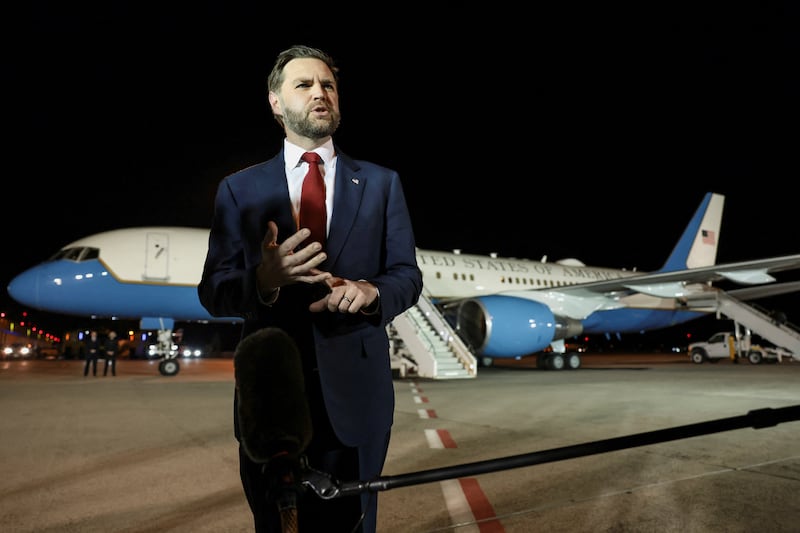
Speaking as he left Hungary—where he controversially campaigned for far-right leader Viktor Orban’s upcoming election—Vance was asked about claims by Iran’s parliament speaker that America had violated three clauses of the ceasefire agreement.
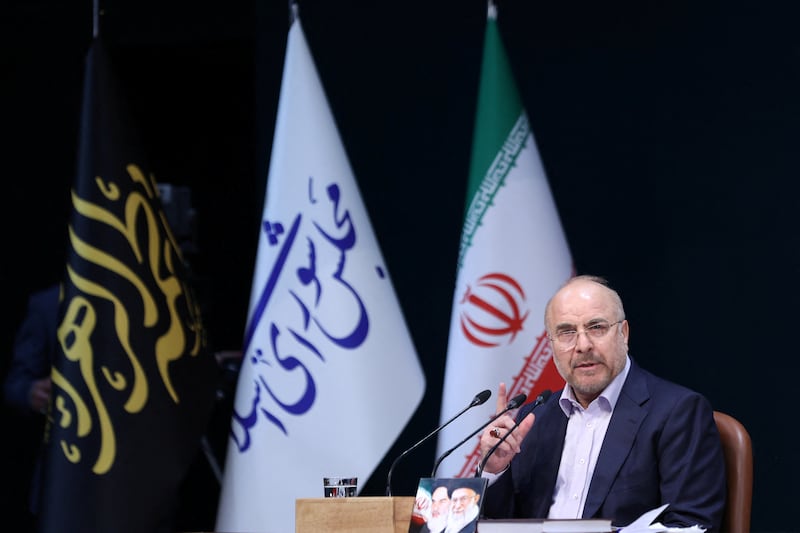
These violations, according to Speaker Mohammad Bagher Ghalibaf, were Israel’s continued attacks on Lebanon, the entry of a drone into Iranian airspace, and the denial of the Islamic Republic’s right to enrich uranium. However, Vance responded with an insult.
“I actually wonder how good he is at understanding English, because there are things that he said that frankly didn’t make sense in some of the context of negotiations that we’ve had,” he told reporters.
Vance then addressed the points the speaker made, firstly by declaring that “ceasefires are always messy,” before using a bizarre analogy involving Second Lady Usha Vance.
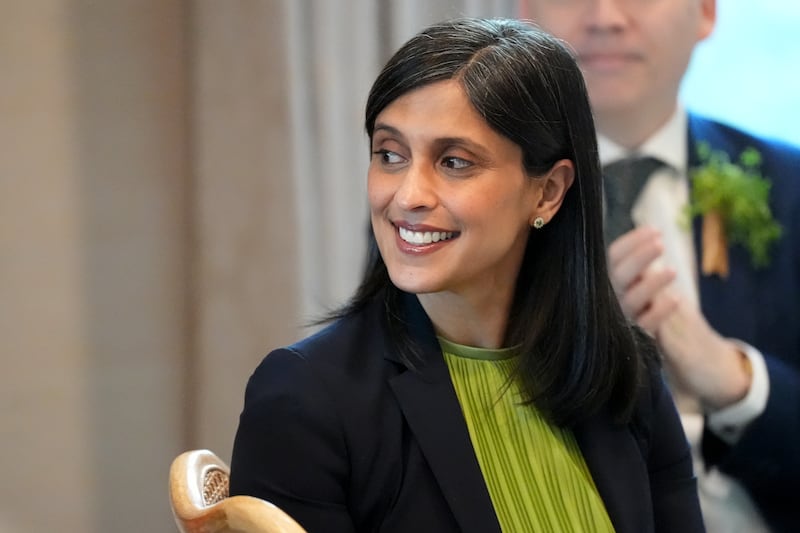
Noting Ghalibaf’s claim that Iran was being denied its right to enrich uranium, Vance said: “I thought to myself, You know what? My wife has the right to skydive, but she doesn’t jump out of an airplane because I don’t want my wife jumping out of an airplane.”
“We don’t really concern ourselves with what they claim they have the right to do,” he added in relation to the speaker’s complaints.
“We concern ourselves with what they actually do. And I think the president’s been very clear on the enrichment question, our position on that has not changed.”

Vance’s comments came six weeks after Donald Trump sparked a war that has so far killed thousands of people across multiple countries, shut down the world’s most critical oil passage, and sent energy prices skyrocketing ahead of this year’s midterm elections.
But the issue is tricky for the vice president, who served in the Marines and whose political reputation was built on his opposition to U.S. intervention in foreign conflicts.

However, as the war has become an increasing liability for Trump, Vance has been closely involved in Iran policy throughout the conflict.
He is viewed by both Washington and some Iranian officials as a key interlocutor, with Tehran reportedly more willing to engage with him than other figures in President Donald Trump’s inner circle.
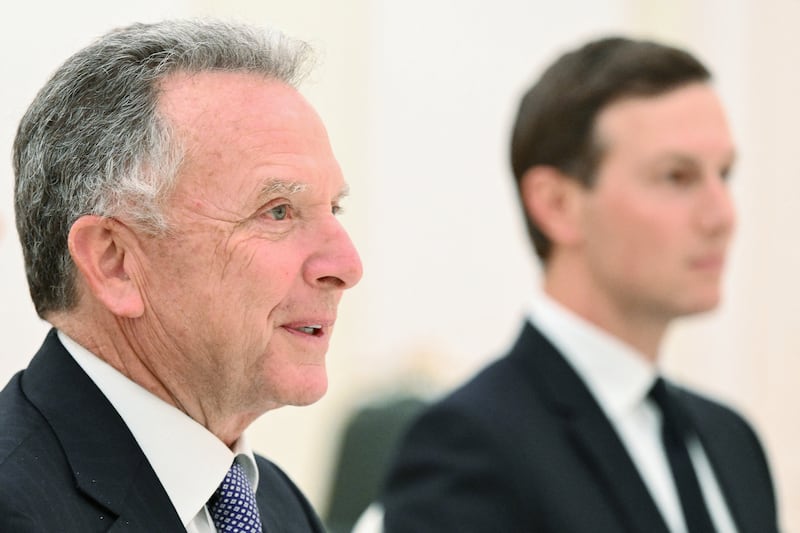
If Saturday’s talks in Islamabad go ahead, he will be joined by Trump’s son-in-law Jared Kushner and Middle East envoy Steve Witkoff.
His role will be to advance U.S. demands, including curbing Iran’s nuclear ambitions and ensuring the reopening of the Strait of Hormuz, a vital global shipping route.
“We don’t want Iran to have the capacity to build a nuclear weapon. The President’s also said that we don’t want Iran enriching towards a nuclear weapon, and we want Iran to give up the nuclear fuel,” Vance told reporters in Hungary.
“If they don’t give us what we need, then I think it’s going to be bad, but I’m optimistic that the Iranians are going to be smart, that they’re going to negotiate.”