

European airlines could face collapse as early as September if jet fuel prices remain at record highs, the chief executive of Wizz Air has warned.
Europe’s airlines are racing to lock in jet fuel as supplies from the Middle East are disrupted by the U.S.-Iran conflict, triggering a global scramble for cargo and driving prices higher.
The region uses around 1.6 million barrels of jet fuel a day, with about 500,000 barrels typically imported—largely from the Gulf. But flows through the Strait of Hormuz have been heavily restricted since the fighting began, creating a significant shortfall.
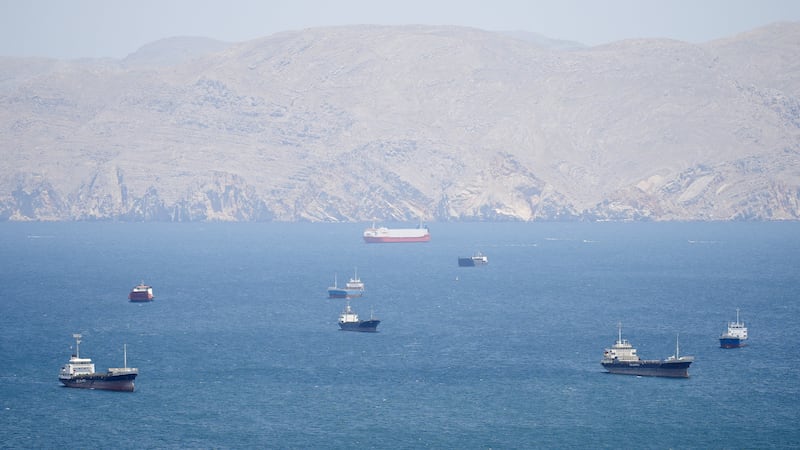
With traditional supply routes constrained, European buyers are increasingly sourcing fuel from the U.S., Nigeria, and parts of Asia. However, competition is intense, with airlines now bidding against buyers in markets such as Singapore and Australia, with the bidding war pushing prices up.

And while U.S. exports have surged to record levels, they remain insufficient to fully replace lost Middle Eastern volumes.
Amid the shortages, Wizz Air CEO József Váradi told The Telegraph that if fuel prices do not start to come down soon, airlines could be in trouble by September.
“At the moment, all airlines are selling against summer demand, which is the highest-priced capacity during the year. But you run out of steam by the end of June,” he said.
He added, “Airlines go bust two times a year, in September and February. Airlines with weak liquidity positions will come under immense pressure in September time.”
Váradi also warned that the shortages could lead to airlines scrapping flights.
“No one is really taking capacity out during the summer because you are still making money,” he said.
“Winter is totally different. My personal expectation is that you will see a flood of capacity removed from the market in September and October time.”
The shortages are already affecting flights. Last week, Lufthansa canceled about 20,000 flights, saying the move would save more than 40,000 metric tons of jet fuel.
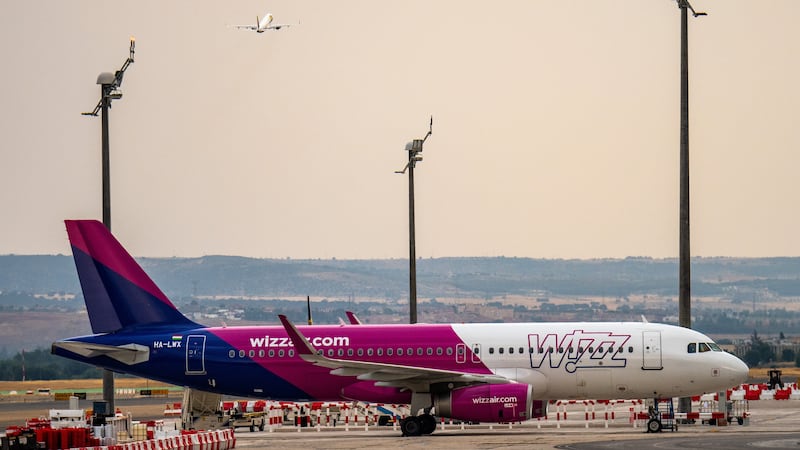
Air France-KLM said it has responded to the “sharp and sudden” rise in fuel prices by raising fares and adjusting schedules in the coming months.
But Váradi warned that airlines with weaker finances will be hit hardest, along with major legacy carriers like British Airways and Air France.
In an “Armageddon situation,” Váradi said Wizz Air, which is based in Budapest but listed in London, could be forced to cut 30 percent of its flights.

Wizz Air has seen its shares fall 33 percent since the start of the war. But Váradi has insisted the company is in a good position, with €2 billion in cash.
He added that demand for summer trips remains strong, with many still committed to traveling.
Váradi said there has been a rebound in bookings to destinations like Turkey, Egypt, and Cyprus after earlier declines.
“People are sticking to their summer plans and saying no matter what, I’m going to go,” he said.
The Middle East, though, “is dead, no one is going”, Váradi said.
But there is no end in sight for the war.
Brent crude oil surged to a four-year high on Wednesday after reports that President Trump will be briefed on new military options for possible action in Iran, raising concerns over fresh escalation in the Middle East.