CBS employees have come up with a nickname for one of the most tumultuous days at the historic network in recent memory.
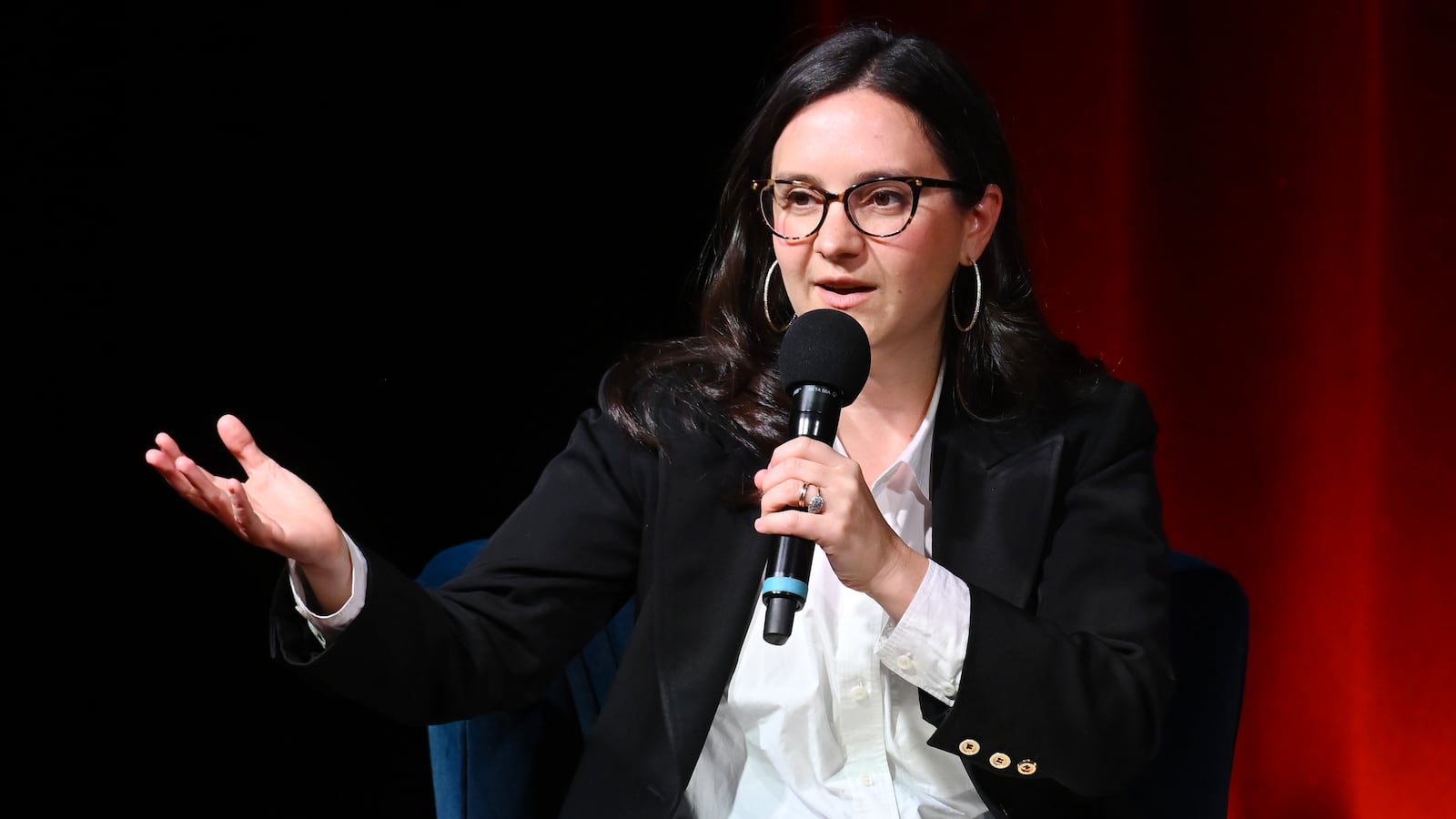
Editor-in-chief Bari Weiss made waves when, on May 28, she fired several prominent correspondents and producers, including longtime 60 Minutes reporters Sharyn Alfonsi and Cecilia Vega.

Meanwhile, executive producer Tanya Simon was replaced with tech columnist Nick Bilton, who, like Weiss, had never worked in broadcast news prior to joining CBS.
The shocking move prompted 60 Minutes veteran Scott Pelley to confront Weiss and Bilton, accusing Weiss of “murdering” the program.
“She does not love this place. She was brought in to kill it, and she’s been doing exactly that,” Pelley told Bilton. A day later, Bilton fired Pelley, who had worked at CBS for 37 years.

Since that dark day, CBS staffers have taken to referring to it as “Black Thursday,” according to a new report from Variety.
The Daily Beast has reached out to CBS for comment.
In the report, six former staffers discussed Weiss’ impact on the network. Weiss was installed in her role as editor-in-chief by Paramount Skydance CEO David Ellison after the company’s acquisition of the 42-year-old’s anti-woke news outlet, The Free Press, in October.

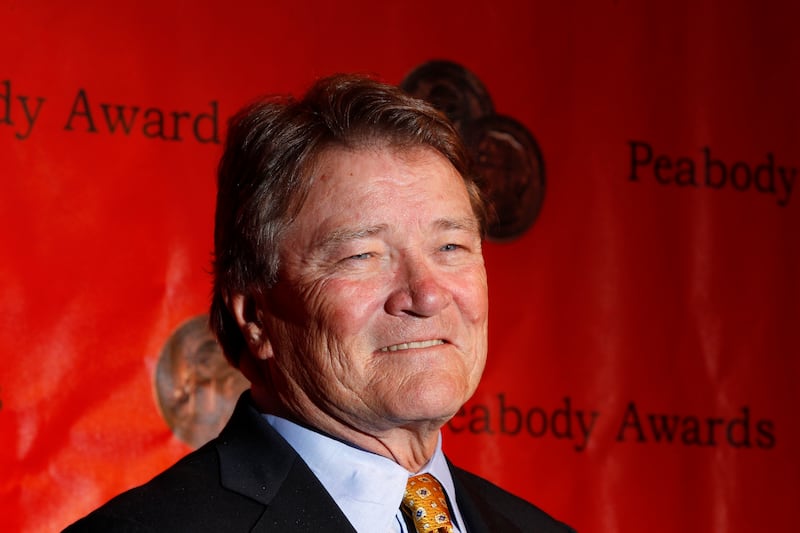
“Everything she’s touched has turned to s--t,” former 60 Minutes correspondent Steve Kroft told the outlet. “Everything she’s touched has gone colossally wrong. And I don’t think she’s shown any talent for this position. She’s only fulfilling other people’s agendas.”
Kroft, who retired in 2019, added that he did not think Weiss would remain in her role for much longer.
A former 60 Minutes staffer acknowledged that the program “needed a facelift,” but that the way Weiss had gone about it was disastrous.
“You don’t give a facelift with a f------ machete,” they told Variety.
Pelley expressed similar sentiments in an interview with The New York Times following his departure, going even further and accusing Weiss of tilting coverage in President Trump’s favor.
“My impression at the time was that she was putting a thumb on the scale on behalf of the administration,” Pelley said. “Constantly looking out for the views of the president.”
Weiss’ editorial decisions since taking over the reins have drawn significant criticism from the public. In December, she shocked viewers after she abruptly canceled an episode of 60 Minutes, reported by now-ousted correspondent Sharyn Alfonsi, covering El Salvador’s notorious CECOT prison, claiming that it “needed additional reporting.”
A source told Puck at the time, “It did not need additional reporting. It went through every layer of fact-checking and was reviewed by all the lawyers.”
In a leaked memo to her colleagues, Alfonsi, who joined 60 Minutes in 2015, also defended the segment, telling them, “In my view, pulling it now—after every rigorous internal check has been met is not an editorial decision, it is a political one.”
The report was eventually aired in January. In the introduction, Alfonsi told viewers, “Since November, 60 Minutes has made several attempts to interview key Trump administration officials on camera about our story. They declined our requests.”
During an appearance at the National Press Club in Washington, D.C., to accept the Ridenhour Courage Prize in May, Alfonsi said, “I will not linger on the internal mechanics of the dust-up at CBS that led to our CECOT story being pulled, but we have to be honest about what it represents.”
“It wasn’t an isolated editorial argument. In my view, it was the result of a more aggressive contagion: the spread of corporate meddling and editorial fear. It’s hard to watch.”