Scouted selects products independently. If you purchase something from our posts, we may earn a small commission.
From red light therapy devices to sheet masks, serums, and moisturizers, there’s no shortage of beauty products designed to prevent and target fine lines and other signs of aging skin. What I never considered, though, is that there’s something else in my daily routine that could potentially be contributing to premature aging: my sleeping habits. It may not seem obvious, but even your sleeping position (I’m a side sleeper), pillowcase, and pillow could play a role in wrinkle formation.
More abrasive (and super common) pillowcase fabrics like cotton, linen, or polyester aren’t always easy on the skin. Their roughness can put a lot of stress on your more delicate facial area, making your skin dry, scratchy, and more prone to fine lines. Not only that, these fabrics can pull on your skin’s delicate barrier (especially if you tend to move around a lot while you sleep), exposing it to oxidative stress and other environmental issues.
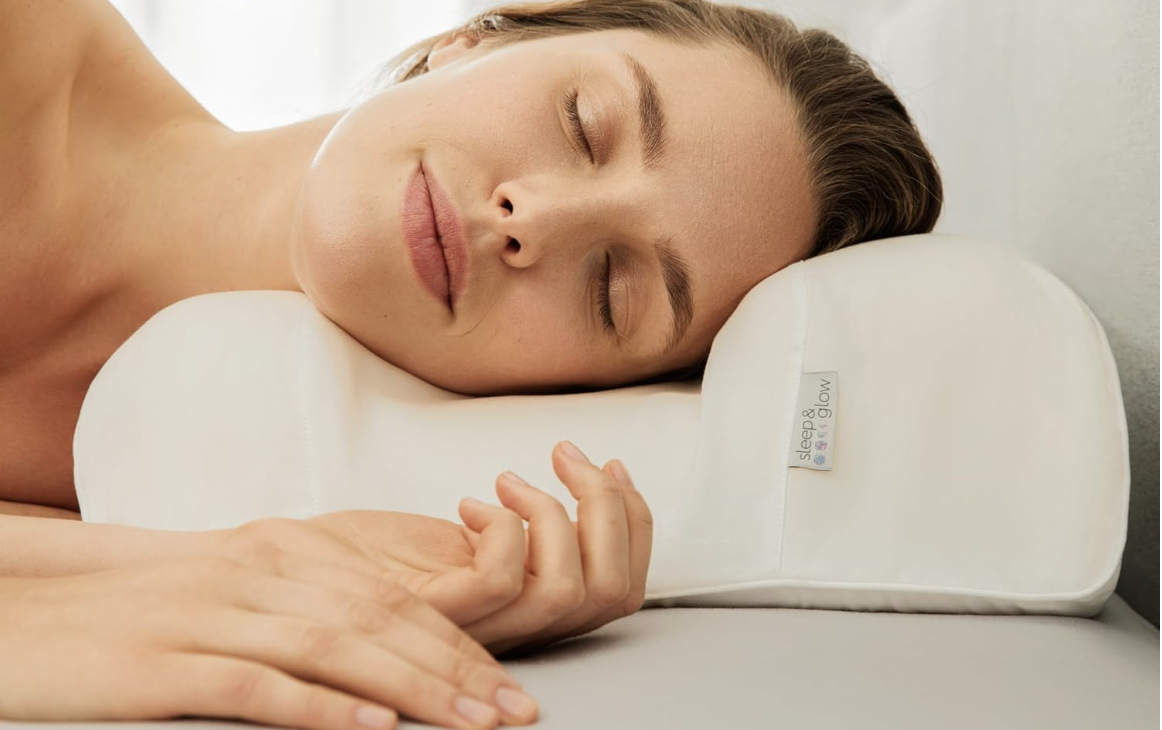
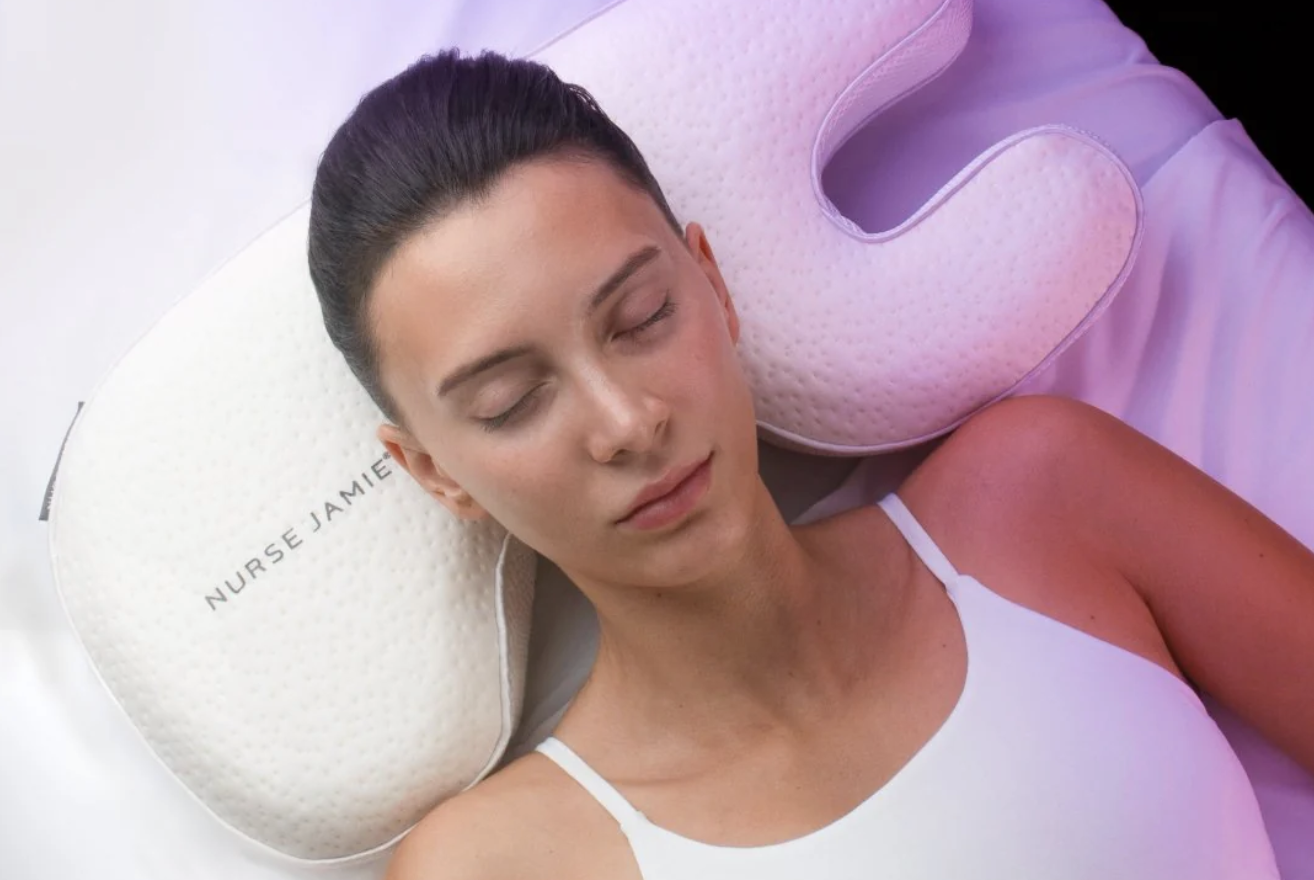
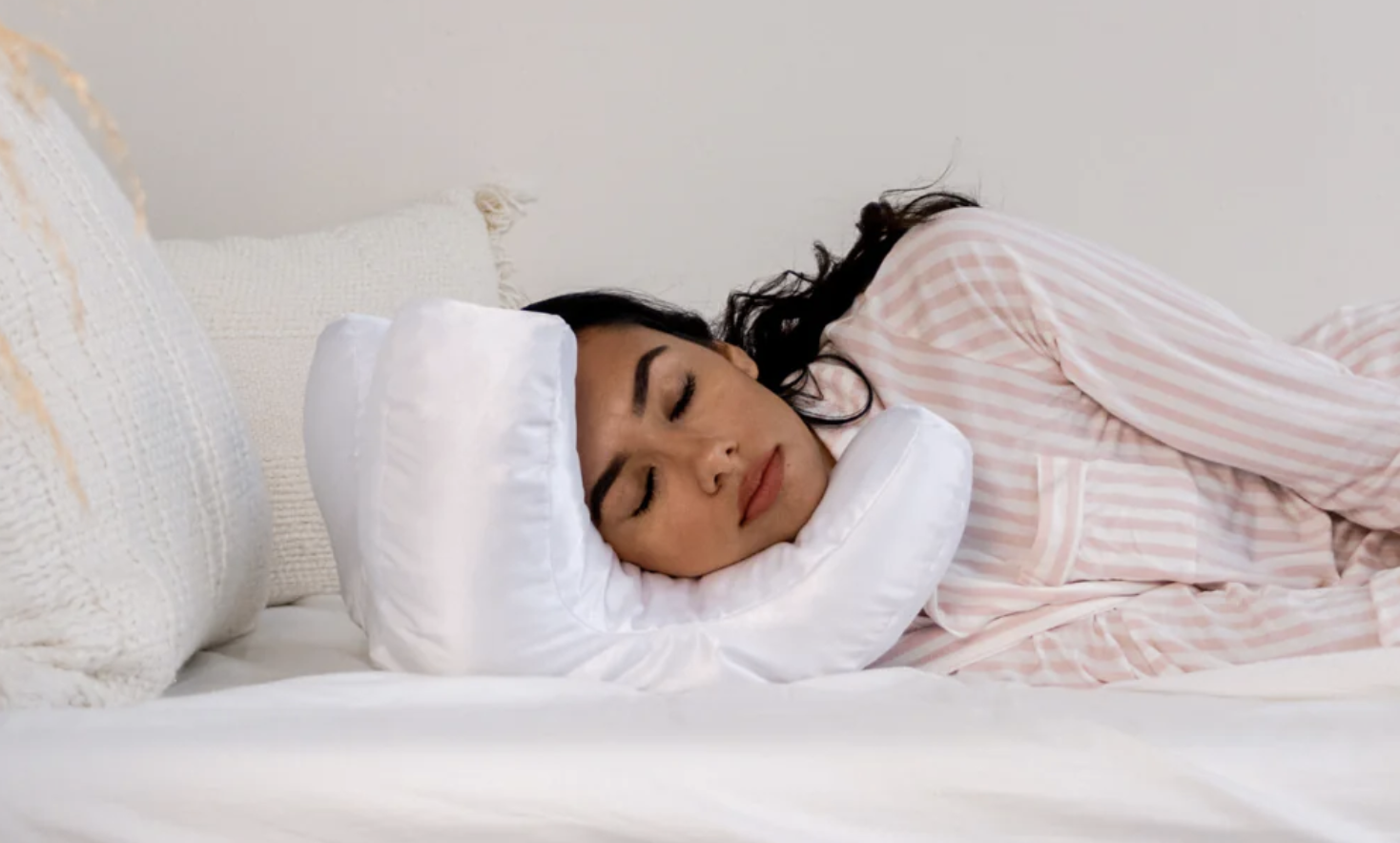
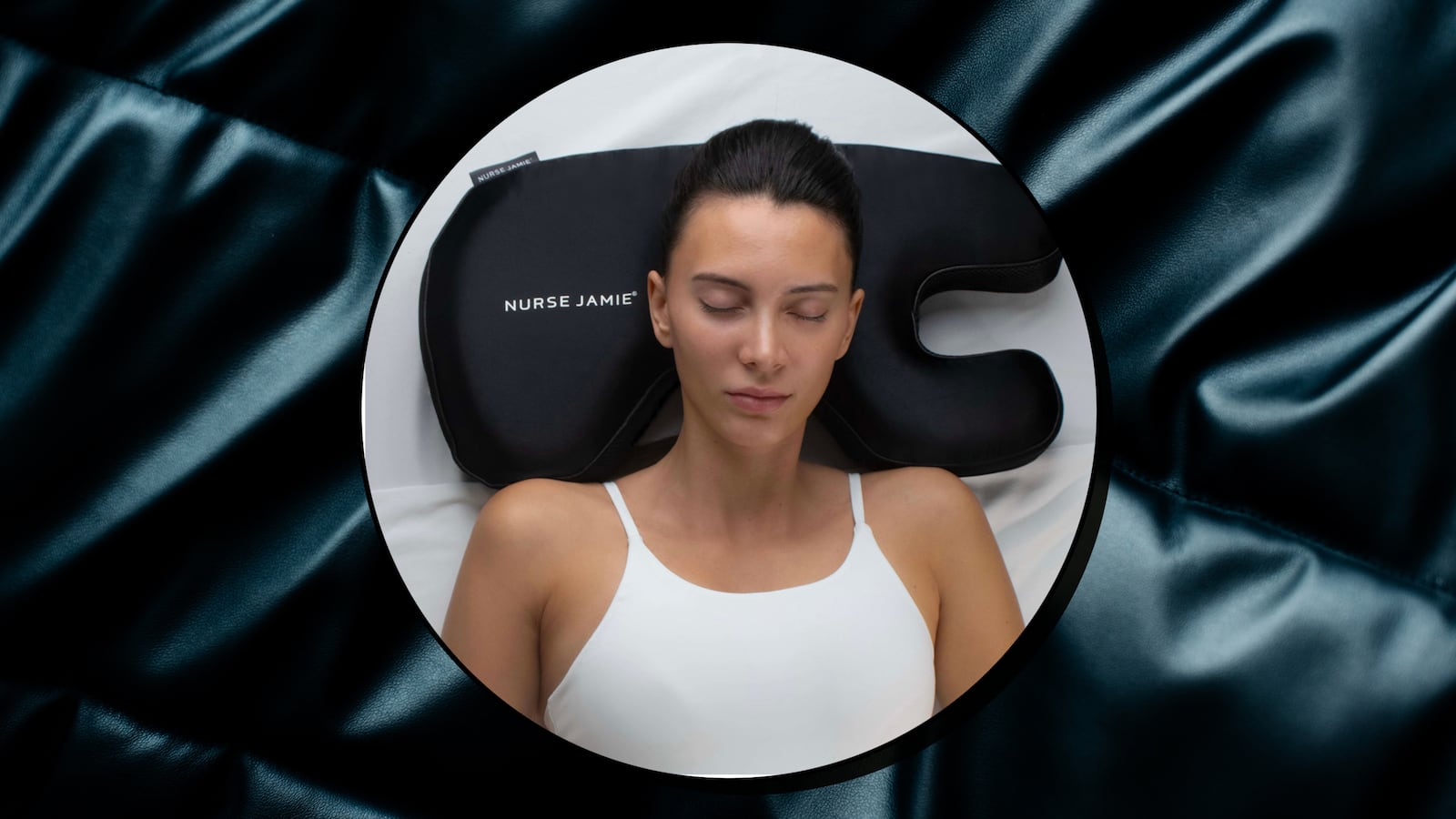
If you sleep on your side or stomach, this sleep orientation may also be wreaking havoc on your skin—and potentially leading to asymmetry on the face. Fortunately, there are a slew of side-sleeper-friendly ‘anti-aging’ pillows that can help prevent sleep-induced fine lines, so you don’t have to force yourself to become a back sleeper.
I asked a dermatologist for all the details on keeping our skin in check while we sleep. Scroll through below to check out her tips and favorite products.
Can Your Pillowcase Impact the Health of Your Skin?
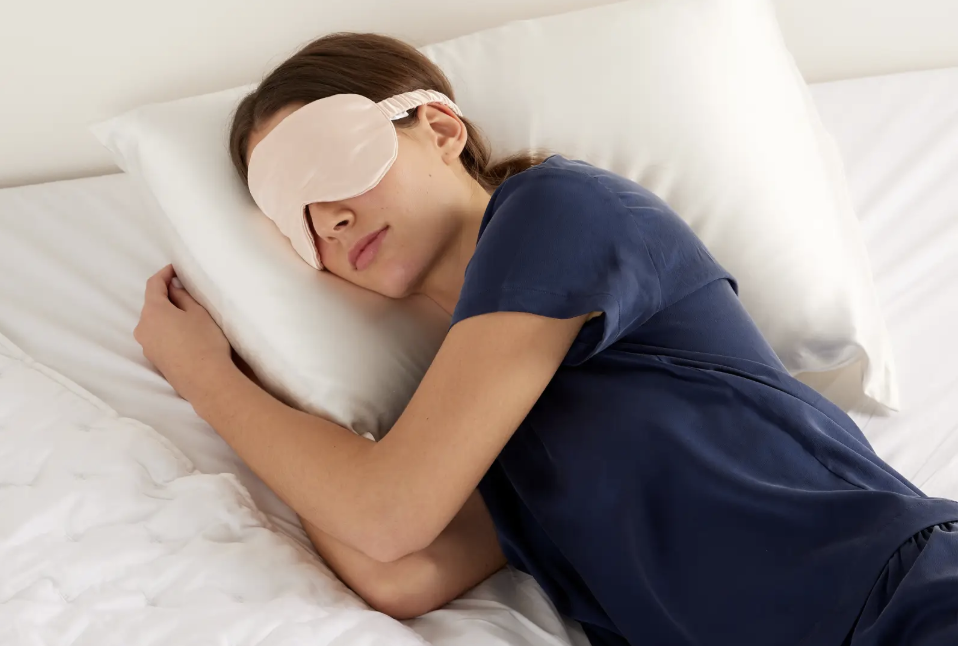
Board-certified dermatologist Miriam Hanson, MD, says that your choice of pillowcase is absolutely key when it comes to long-term skin health. If you’re sleeping on something that’s more abrasive, like cotton (the most common pillowcase fabric), it might be time for a change. “The fabric of your pillowcase can impact your skin, potentially contributing to premature aging or fine lines,” she says.
“Silk and satin pillowcases are the best choices to help reduce the risk of fine lines and premature aging, as they minimize friction and moisture loss. While cotton is breathable and soft, it can absorb moisture from your skin, leading to dehydration and possible wrinkle formation. Linen is a natural product and a great eco-friendly option, but its coarse texture can cause friction and lead to tugging on the skin.”
What Types of Fabric Are Best for Your Skin?
According to Hansen, any fabric that’s soft, smooth, and non-irritating is the ticket. Like she mentioned above, she recommends silk the most because it’s the gold standard in skin-friendly fabrics. It has a smoother surface that reduces friction and doesn’t leech any moisture from the skin. When shopping for a silk pillowcase, she says to choose a high-quality silk pillowcase with a high momme count (a unit used to measure the density of silk fabric) and a grade A rating. Her favorite brand is LilySilk because the fabric is soft and high quality, and its pillowcases have lasted for years.
Silk, however, isn’t always the most affordable option, so satin is another great option that has similar benefits. She also recommends bamboo, which is equally as soft, breathable, and hypoallergenic, making it a great option for those with sensitive skin. “It also has antimicrobial properties, which may also be beneficial for acne-prone skin,” she says.
Are There Other Sleeping Habits That Can Contribute to Premature Aging in the Skin?
Although your choice of pillowcase is the main thing to consider when cultivating a nighttime anti-aging routine, there are also other sleep habits that can, unfortunately, contribute to premature aging. Side-sleepers and those who sleep on their stomach—I’m sorry, but Hanson says this is another habit that can contribute to fine lines and wrinkles. “[It] places constant pressure on the skin,” she explains. “This compression can cause skin creases over time, leading to the formation of wrinkles. This pressure can also disrupt the skin’s natural barrier, making it more prone to irritation and aging.” The easiest fix (aside from sleeping on your back)? An anti-aging pillow designed to prevent fine lines from forming.
Other factors like insufficient sleep or poor sleep quality are also something to consider when it comes to keeping your skin healthy. Hanson says a lack of sleep leads to higher cortisol levels, which can break down collagen, leading to sagging and fine lines. A lack of quality sleep also means a reduction in the body’s ability to repair skin cells and regenerate healthy skin tissue. This can, in turn, accelerate the aging process.
The Best ‘Anti-Aging’ Pillows & Pillowcases