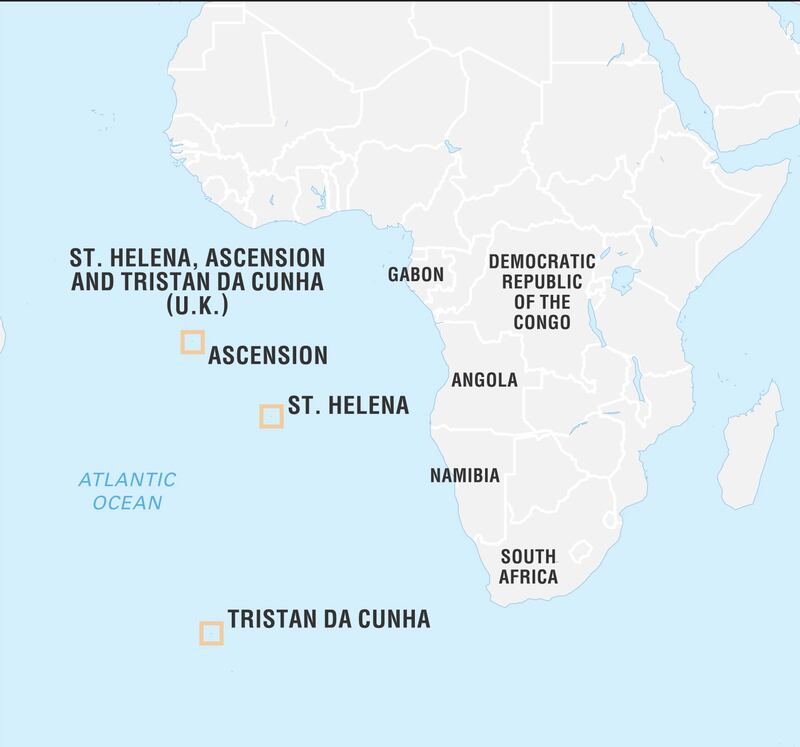
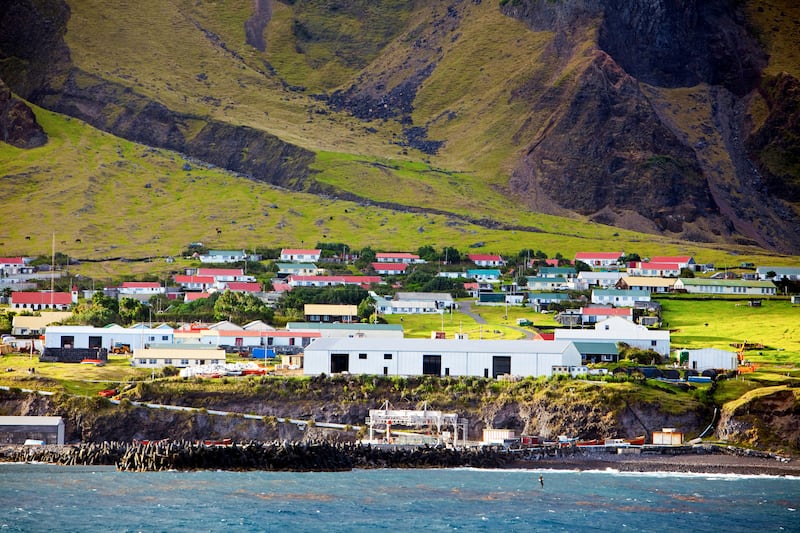
A suspected case of the deadly hantavirus has been identified on a windswept volcanic outpost in the South Atlantic widely considered the most remote inhabited place on Earth.
The U.K. Health Security Agency announced Friday that a resident of Tristan da Cunha, home to just 250 people, is being assessed for infection after passengers from the cruise ship MV Hondius came ashore there in mid-April.
The vessel has since become the focal point of a multi-country outbreak of the rodent-borne disease that has claimed three lives and infected at least eight more. They include the ship’s own physician, who is in intensive care in Johannesburg, South Africa.
With the ship’s medic sidelined, an Oregon oncologist who boarded the Hondius for a birdwatching expedition stepped in to treat the sick. Dr. Stephen Kornfeld, a semi-retired physician from Bend, told CNN he “sort of fell into the role of becoming the ship doctor,” working 18-hour days with limited equipment as cases mounted.
Surviving hantavirus, he noted, hinges on rapid access to critical care—something not available aboard a remote vessel.
Tristan sits about 1,500 miles of open Atlantic from South Africa, its nearest neighbor, and has long contended with infestations of rats and mice. The rodents typically transmit hantavirus through urine, droppings, or saliva.
The island declined to undertake a sweeping eradication program when one was proposed years ago, opting instead for limited control around its lone settlement, Edinburgh of the Seven Seas.
The Hondius, a Dutch-flagged expedition ship operated by Oceanwide Expeditions, departed Ushuaia, Argentina, on April 1 with 147 passengers and crew. After stops at South Georgia Island, Tristan da Cunha, St. Helena and Ascension Island, severe respiratory illness surfaced on board.
The World Health Organization has since confirmed the outbreak is the Andes strain, the only known hantavirus that spreads between people, though rarely.
Roughly 30 passengers disembarked on St. Helena on April 24—13 days after the first fatality—without contact tracing. Authorities across more than a dozen countries, including five U.S. states, are now monitoring travelers who left the ship.
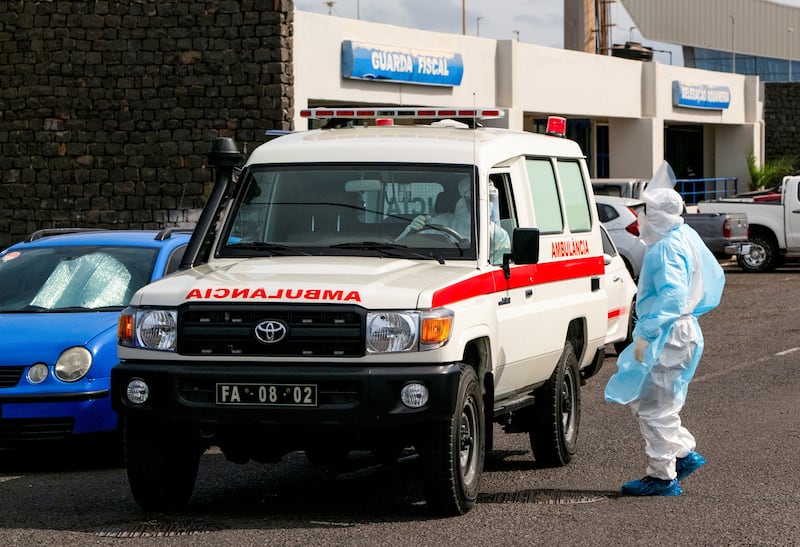
The vessel is expected to dock in Tenerife on Sunday after Spain overruled an earlier refusal by the Canary Islands’ regional president. The cruise was originally supposed to end in Cape Verde, but island authorities said the passengers could not disembark there, only allowing the transfer of the three ill patients from the ship to a medical flight.
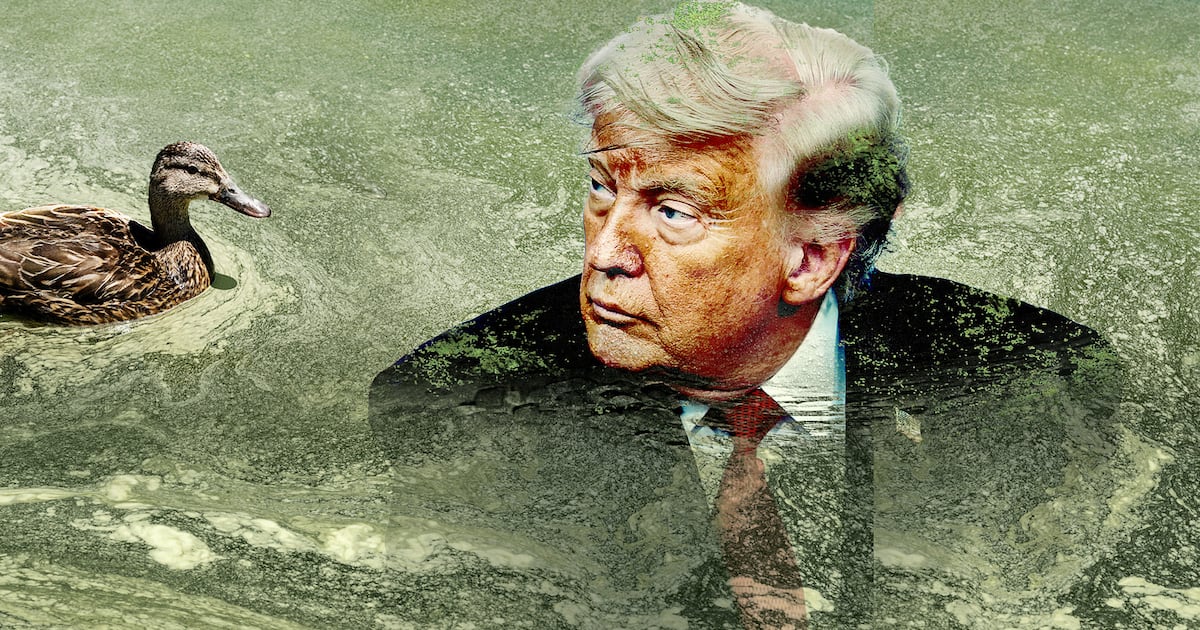
President Donald Trump told reporters Thursday he was hopeful the outbreak could be contained, calling it “very much, we hope, under control.”
Pressed on whether Americans should be worried about further spread, he replied: “I hope not. We’ll do the best we can.”