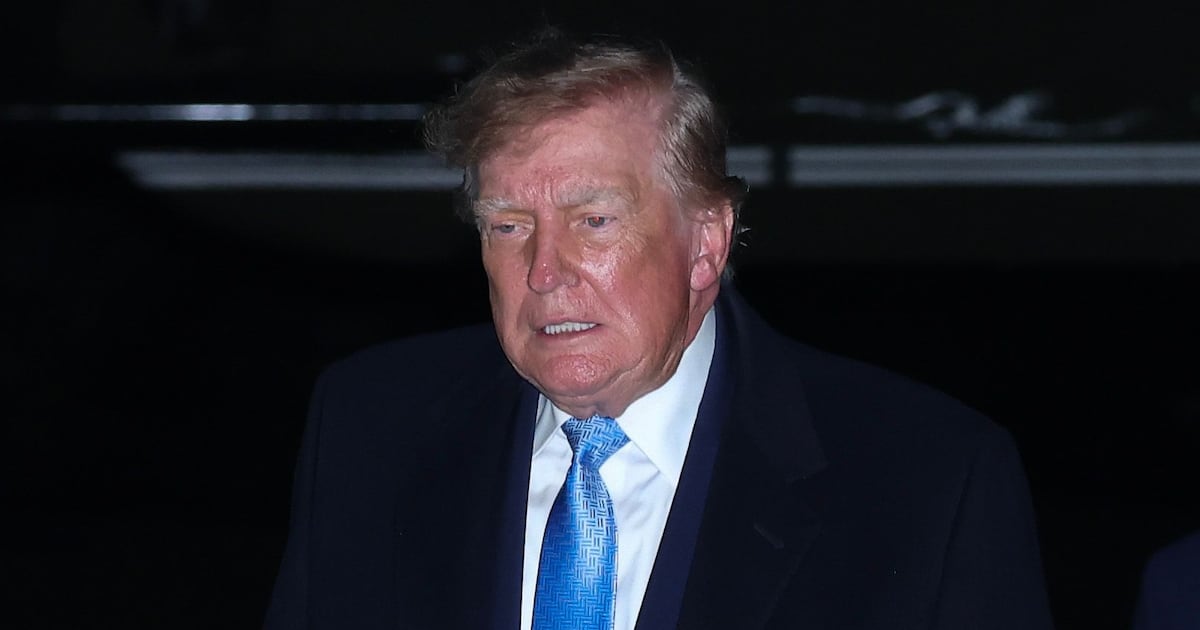
A man has been arrested for allegedly chasing and threatening the disgraced former Prince Andrew
The incident occurred on Wednesday evening on public land near the Sandringham Estate, close to Andrew Mountbatten-Windsor’s new home, Marsh Farm, while the former British royal was out walking his dogs.
British newspaper The Telegraph, which broke the story, said the suspect “had been sitting in his car when he saw Mr Mountbatten-Windsor about 50 yards away. He then got out of his vehicle and made his way towards the former royal while shouting at him.”
Andrew, who was accompanied by a private bodyguard, “rushed towards his own car, parked nearby, and drove away at speed as the suspect allegedly tried to sprint after him.”
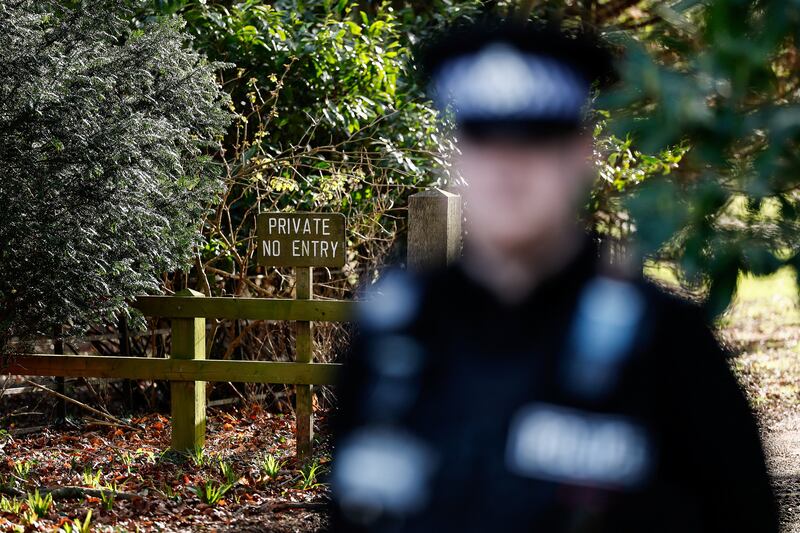
The paper said police had “searched the man’s vehicle for any sign of a weapon.”
A source told The Telegraph: “This shows why Andrew’s security provisions need to be proportionate and properly balanced for an individual with a very high profile. Surely this demonstrates why his security should be reviewed.”
The incident will reignite a bitter, unresolved argument over who is responsible for keeping Andrew safe and who should pay for it.
For years, Andrew enjoyed the full protection of the Metropolitan Police’s Royalty and Specialist Protection unit, a level of coverage befitting a senior working royal as he then was.
However, when his public role was stripped following his catastrophic and defiant 2019 Newsnight interview over his friendship with the convicted sex offender Jeffrey Epstein, his police protection was removed.

King Charles initially agreed to cover the cost of Andrew’s private security arrangements—a significant expense estimated at several hundred thousand pounds a year—as part of the complex negotiations over Andrew’s retreat from public life.
But Charles is understood to have made major cutbacks to the detail since he was exiled to Norfolk.
The parallel with Prince Harry is striking. Harry has been engaged in his own protracted, and very public, battle to have his Metropolitan Police protection restored, arguing through the courts that he faces credible and serious threats to his life.
That case has so far failed.
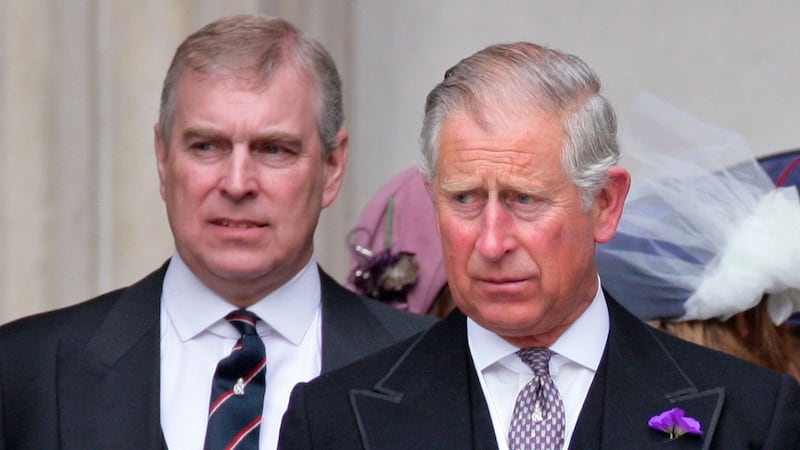
The royal family’s decision to push Andrew out of public life and into internal exile at Marsh Farm—a relatively isolated property on the Sandringham Estate, a world away from Royal Lodge in Windsor—has done nothing to make him safer.
Rather than the controlled, staffed environment of a major royal residence, Andrew now exists with only private protection, in a part of the country where his movements are easily discoverable and his presence hardly a secret.

The security arrangements at Marsh Farm have themselves become a source of controversy. A caravan was installed in the grounds to house Andrew’s protection detail, a makeshift, unglamorous solution that drew considerable mockery and suggested that whatever security infrastructure exists around him is being assembled on the cheap and on the fly.
Andrew is widely loathed. Many people in Britain, and internationally, believe he has never been held properly accountable for his association with Epstein and the sexual abuse allegations that have swirled around him for years.
Virginia Giuffre alleged that she was trafficked to Andrew and forced to have sex with him on three occasions when she was 17 years old. Andrew has always strenuously denied this. He settled a civil lawsuit brought by Giuffre in 2022 for a reported sum in the millions without admitting liability. He has never been charged with any criminal offense.
Norfolk Police have been contacted for comment.
Want more royal gossip, scoops and scandal? Follow all Tom Sykes’ reporting at The Royalist on Substack or listen to The Royalist podcast on YouTube.