Trump Self-Soothes With All-Caps Late-Night Brag: ‘THIS IS BIG!!!’
Breaking off from the Jeffrey Epstein scandal, the president trumpeted the House vote to defund public broadcasters NPR and PBS.

Song Haiyuan/MB Media/Getty Images
President Donald Trump took a break from railing against the latest Jeffrey Epstein revelations to brag about gutting funding for public broadcasters PBS and NPR.
Early Friday morning, House Republicans greenlit $9 billion in spending cuts to foreign aid and the Corporation for Public Broadcasting.

The measure had barely squeaked through the Senate, where Vice President JD Vance was forced to cast the tie-breaking vote after Republican defectors Mitch McConnell, Lisa Murkowski, and Susan Collins joined Democrats in opposing the bill.
“HOUSE APPROVES NINE BILLION DOLLAR CUTS PACKAGE, INCLUDING ATROCIOUS NPR AND PUBLIC BROADCASTING, WHERE BILLIONS OF DOLLARS A YEAR WERE WASTED,” Trump crowed in a post on his platform Truth Social. “REPUBLICANS HAVE TRIED DOING THIS FOR 40 YEARS, AND FAILED….BUT NO MORE. THIS IS BIG!!!”
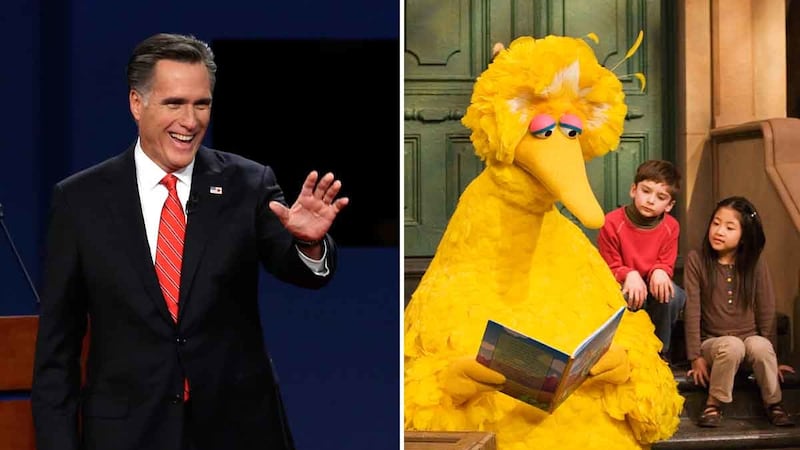
Former Sen. Mitt Romney is one of the many Republicans who have called for defunding NPR and PBS.
AP Photos (2)
Congress passed the measure, which claws back $1.1 billion in funding that had previously been allocated to NPR and PBS through September 2027, under an obscure presidential budget law that allowed Congress to circumvent the Senate filibuster.
The bill also squeaked by the House, 216-213, with GOP Reps. Mike Turner and Brian Fitzpatrick voting against the measure.
Get the best of The Beast delivered right to your inbox
By clicking “SUBSCRIBE” you agree to our Terms of Use and Privacy Policy.
Created in 1967 by the Public Broadcasting Act, NPR and PBS have long faced Republican claims of political bias, and Trump has repeatedly called for them to be defunded. In fact, every Republican administration except Gerald Ford’s has tried to cut funding, according to PBS News Hour.
In a statement, NPR CEO Katherine Maher said the cuts would lead to job losses and “irreparably harm communities across America who count on public media for 24/7 news, music, cultural and educational programming, and emergency alerting services.”
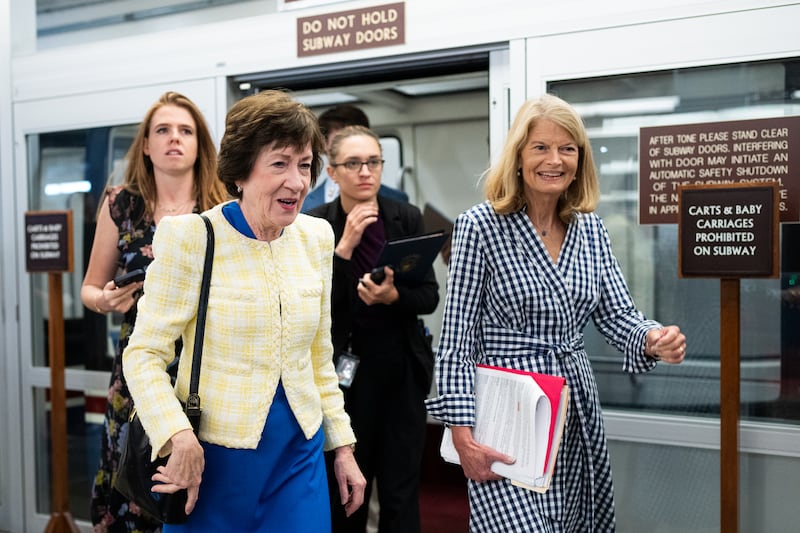
Republican Sens. Susan Collins and Lisa Murkowski voted against defunding America's public broadcasters, saying they provide essential services to rural areas in particular.
Bill Clark/CQ-Roll Call, Inc via Getty Images
Rural areas in particular rely on public broadcasters to get non-political news and announcements, along with groundbreaking early education shows including Sesame Street and Mister Rogers’ Neighborhood, according to the Republican lawmakers who opposed the cuts.
The Pew Research Center found in March that only 24 percent of Americans supported defunding public broadcasting, and even among Republicans it was a minority at 44 percent.
Despite their unpopularity, the cuts offered Trump a no-doubt welcome reprieve from the Epstein maelstrom that has consumed the administration over the past couple of weeks.
MAGAworld went into a tailspin earlier this month when the FBI and the Department of Justice concluded definitively that the disgraced financier did not have a “client list” and had died by suicide in 2019 while awaiting trial on sex trafficking charges, as opposed to being murdered.

President Trump crowed about his "BIG WIN!!!" defunding America's public broadcasters as the Jeffrey Epstein scandal continued to tear MAGA world apart.
Davidoff Studios Photography/Getty Images
Instead of closing the book on the case, the findings have reignited questions about Trump’s ties to Epstein, with The Wall Street Journal reporting this week that the president sent Epstein a bawdy letter featuring a drawing of a naked woman for his 50th birthday.
Trump has denied being responsible for the letter and promised to sue the newspaper.

Before the Congress approved the president’s public broadcasting cuts, public radio stations received on average about 8 percent of their funding from the federal government, while television stations got an average of about 17 percent, according to PBS News Hour.
The federal funding cost Americans $1.50 per year on average, according to PBS.
See more of our coverage in your search results.

Got a tip? Send it to The Daily Beast here.
Register below to read this article for free or subscribe
to unlock unlimited access to The Daily Beast.
Monthly
$1
First month then $5.99/month
Annual
$35
First year then $59.99/year
Premium
$79
First year then $119.99/year
*Substack access provided by the next business day, using your subscription email. Choosing the Premium plan constitutes your permission to share your subscription email with Substack and your agreement to Substack’s Privacy Policy.
Already have an account? Sign In
Looks like you already have a subscription!
You're all set!
Thanks for subscribing.