

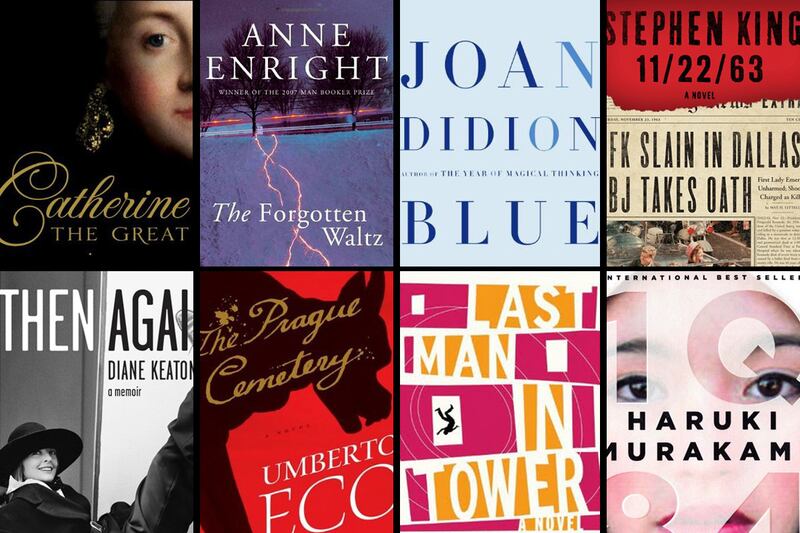
AFTER LAZY DAYS of reading fat thrillers on the beach, it’s time to get serious with the annual fall reading bonanza when publishers release all their marquee names, big stars, and prize contenders. The good news: serious does not mean dull. Expect stars to return in top form (Charles Frazier, Lee Child), stunning debuts (Chad Harbach, Erin Morgenstern), juicy political memoirs (Condoleezza Rice on her WH years), sweeping history (Simon Sebag Montefiore on Jerusalem, Robert Hughes on Rome), charming celebrity memoirs (Harry Belafonte, Judy Collins), and more. We’ve sifted through the avalanche to identify 21 books you won’t want to miss.
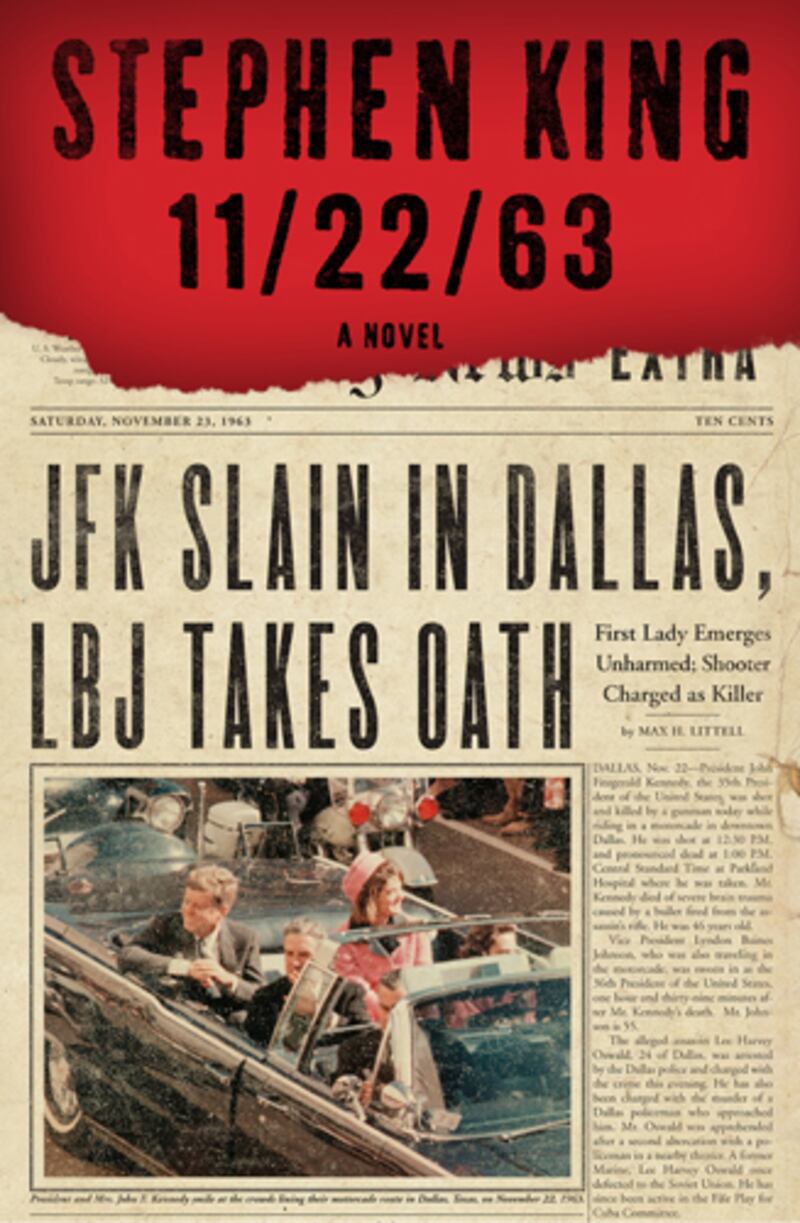
11/22/63
by Stephen King
The horror king delivers a trip down the rabbit hole of history with a novel that reimagines that watershed moment: the Kennedy assassination. Jake, a high-school English teacher, finds a portal to the past and goes back to Texas in 1958, where he becomes George Amberson, finds the love of his life, and tries to stop Oswald, all in 842 pages. [Nov. 8]
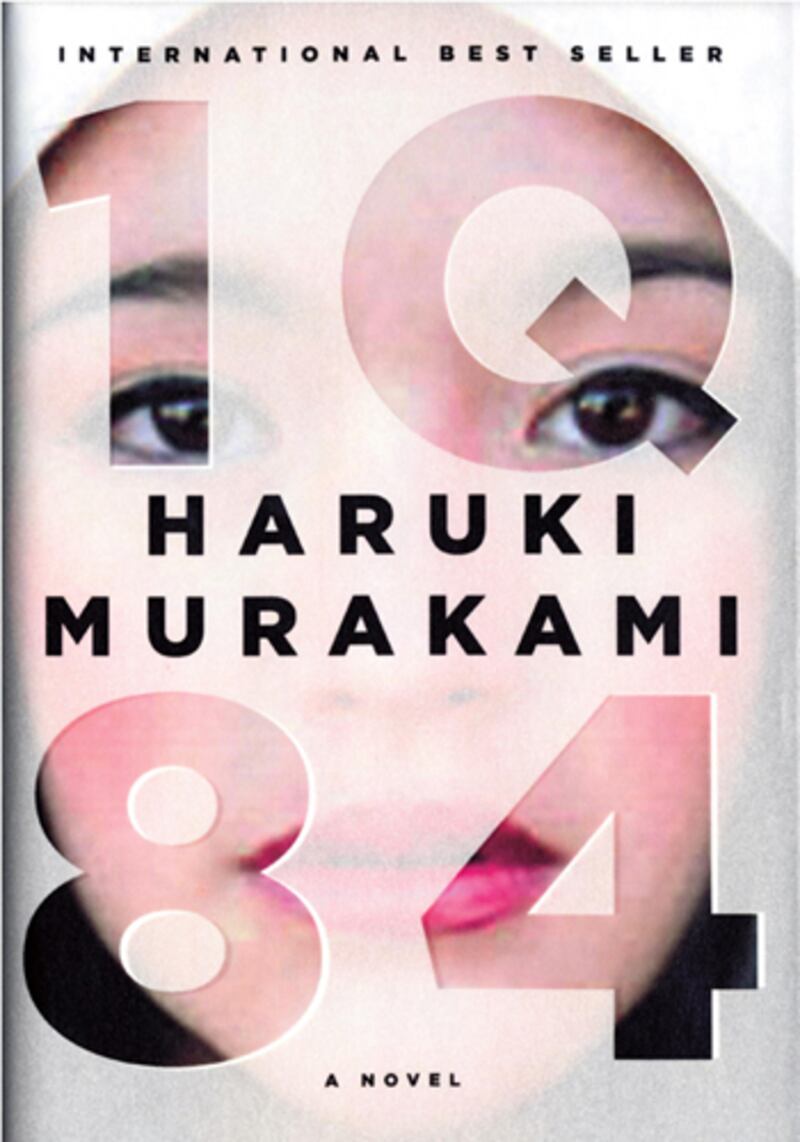
1Q84
by Haruki Murakami
As with most Murakami novels, things begin in ordinary ways—a woman sits in a taxi in a traffic jam—and then quickly warp out of control: the woman winds up in an alternate universe before the cars begin to move. Add a novelist rewriting the work of a 13-year-old girl, a militant religious cult, a reclusive dowager who runs a battered-women’s shelter, and a very ugly detective, and the result is top-drawer Murakami. [Oct. 25]
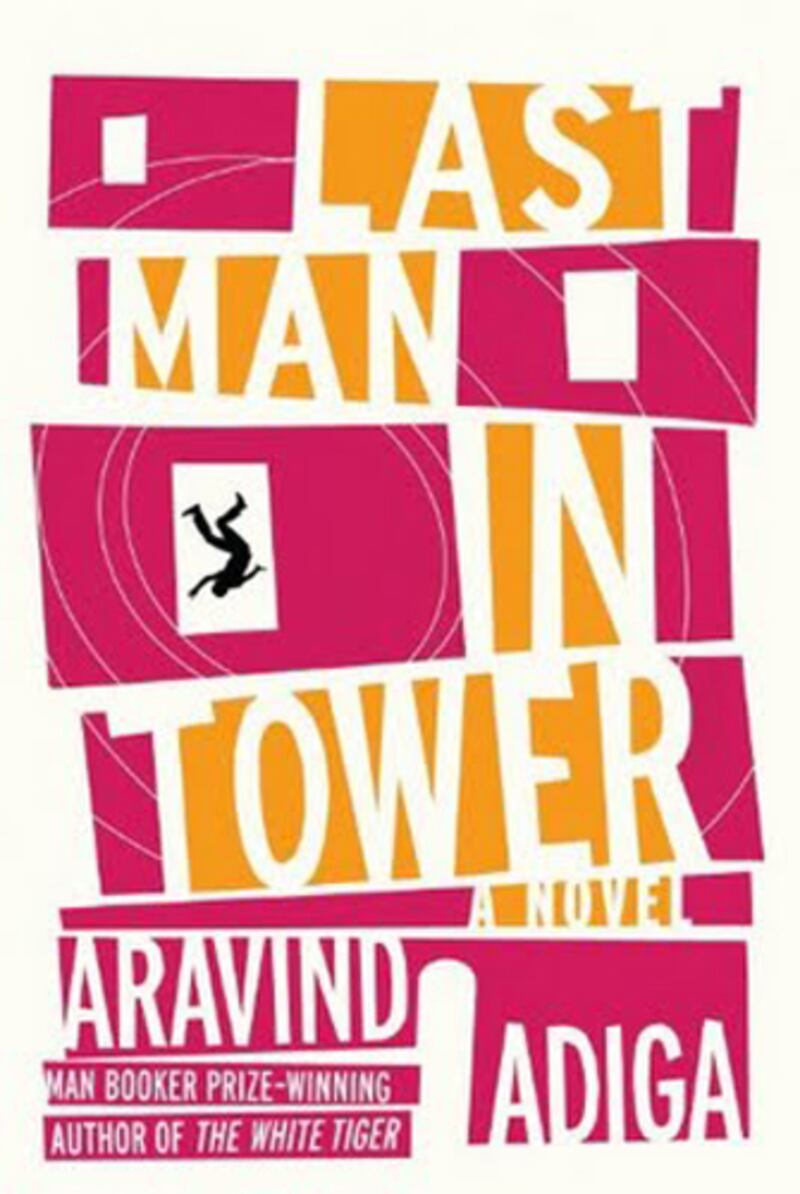
Last Man In Tower
by Aravind Adiga
The Booker Prize-winning author of The White Tiger delivers a masterful portrait of booming Mumbai told through the struggle over an apartment building between an ambitious property developer and a humble, defiant schoolteacher. With this gripping, amusing glimpse into the contradictions and perils of modern India, Adiga cements his reputation as the preeminent chronicler of his country’s messy present. [Sept. 20]
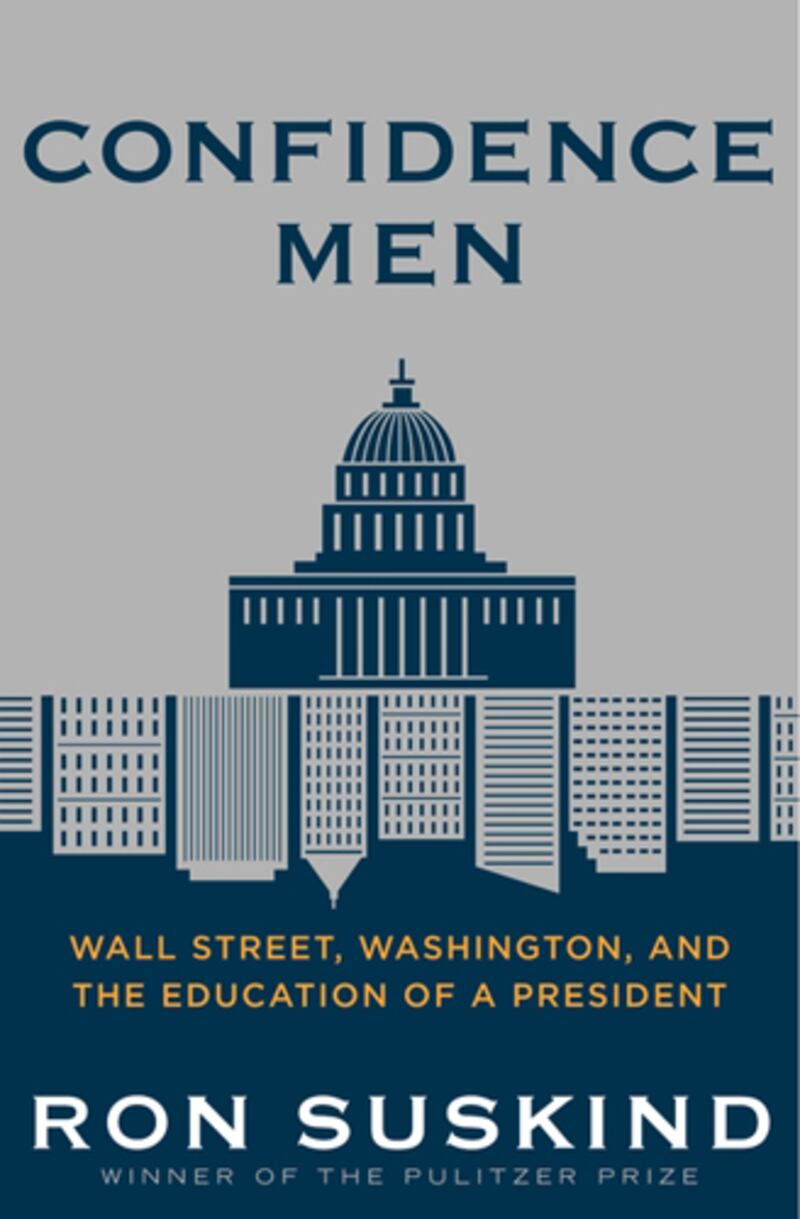
Confidence Men
by Ron Suskind
Three years after the financial meltdown, the American economy is still limping along. How the recovery went awry is the subject of Ron Suskind’s reported account of the Obama White House’s struggle to fix the economy—and the response of the financial titans in New York. Suskind’s book delivers fascinating revelations and a hard look at Obama’s leadership. [Sept. 20]
Blue Nights
by Joan Didion
The master of American prose turns her sharp eye on her own family once again in this breathtaking follow-up to The Year of Magical Thinking. With harrowing honesty and mesmerizing style, Didion chronicles the tragic death of her daughter, Quintana, interwoven with memories of their happier days together and Didion’s own meditations on aging. [Nov. 1]
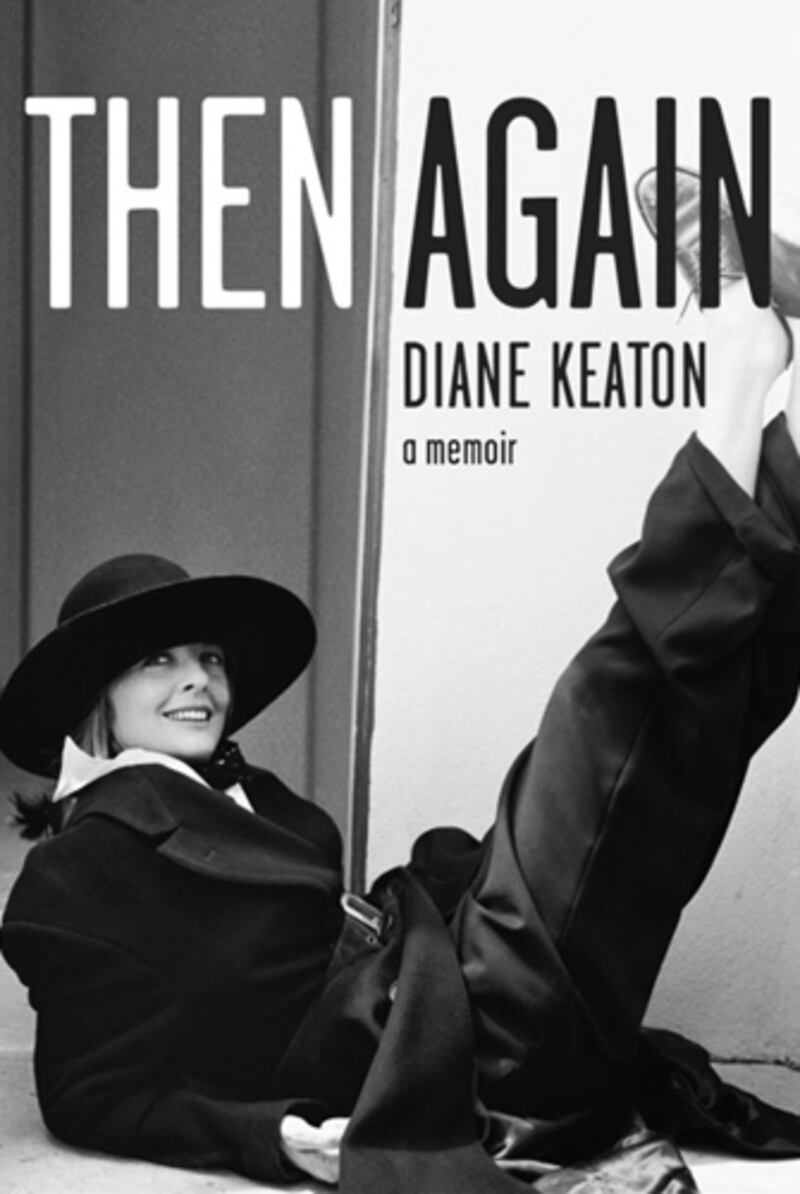
Then Again
by Diane Keaton
Most celebrity memoirs are read either for juicy revelations or as monuments to impregnable egos. Diane Keaton’s memoir, like the actress herself, is altogether different—a moving, thoughtful, and genuine tribute to her mother and a revealing glimpse into the surprising choices and iconic roles of her own life. [Nov. 15]
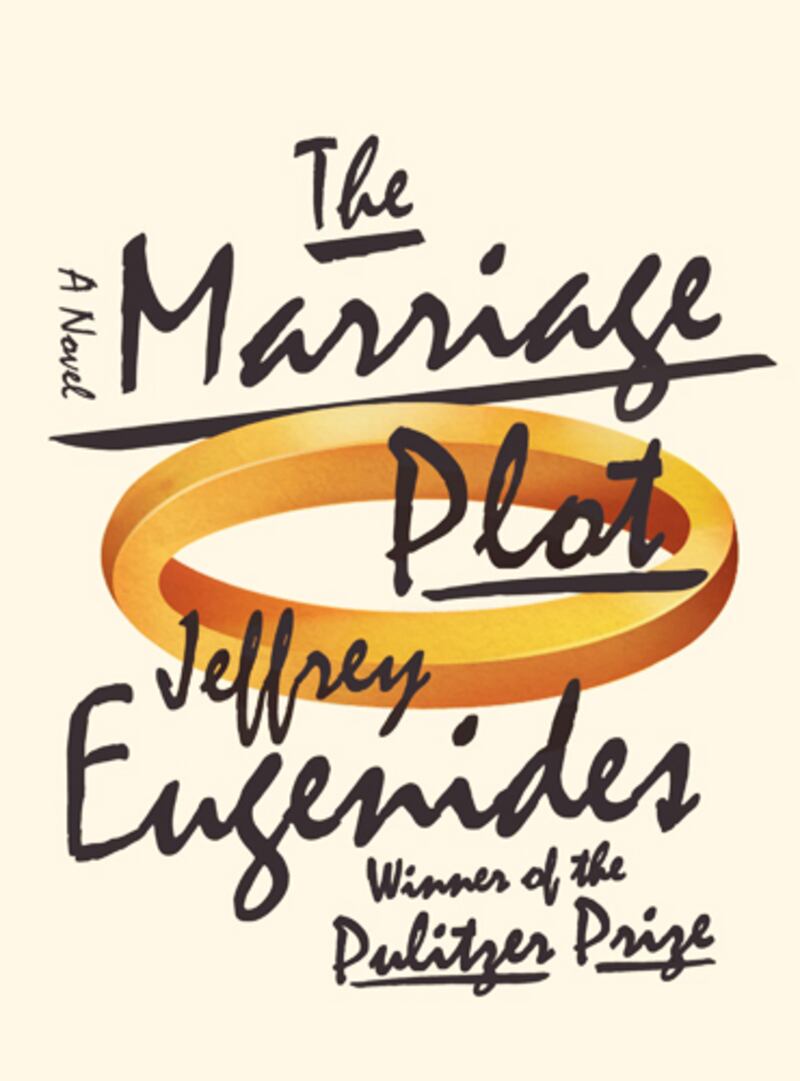
The Marriage Plot
by Jeffrey Eugenides
Pulitzer Prize-winner (Middlesex) Eugenides returns with a knowingly old-fashioned love story: Madeleine Hanna, an out-of-step English major in the ’80s who tilts toward Thackeray and Dickens when everyone else tilts toward Derrida, is wooed by not just one but two suitors, both wildly romantic in their respective ways, and maybe a little mad. [Oct. 11]
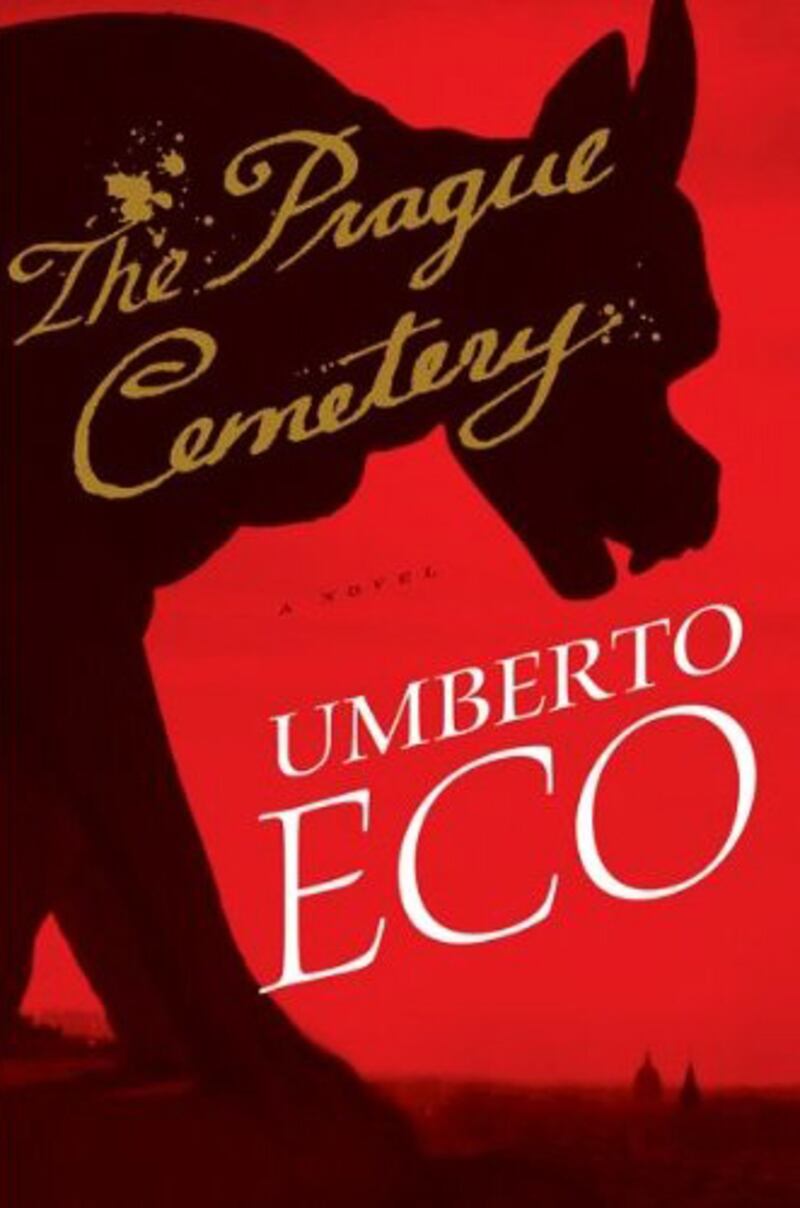
The Prague Cemetery
by Umberto Eco
Eco imagines a late-19th century Europe ruled by conspiracies, none of them pretty. Jesuits, Freemasons, devil worshippers, forgers, anarchists, freethinkers, and anti-Semites—everybody had an enemy, and paranoids were realists. The thrilling question posed here is, what if one man were behind all the conspiracies, from the Paris Commune to the Protocols of the Elders of Zion? [Nov. 8]
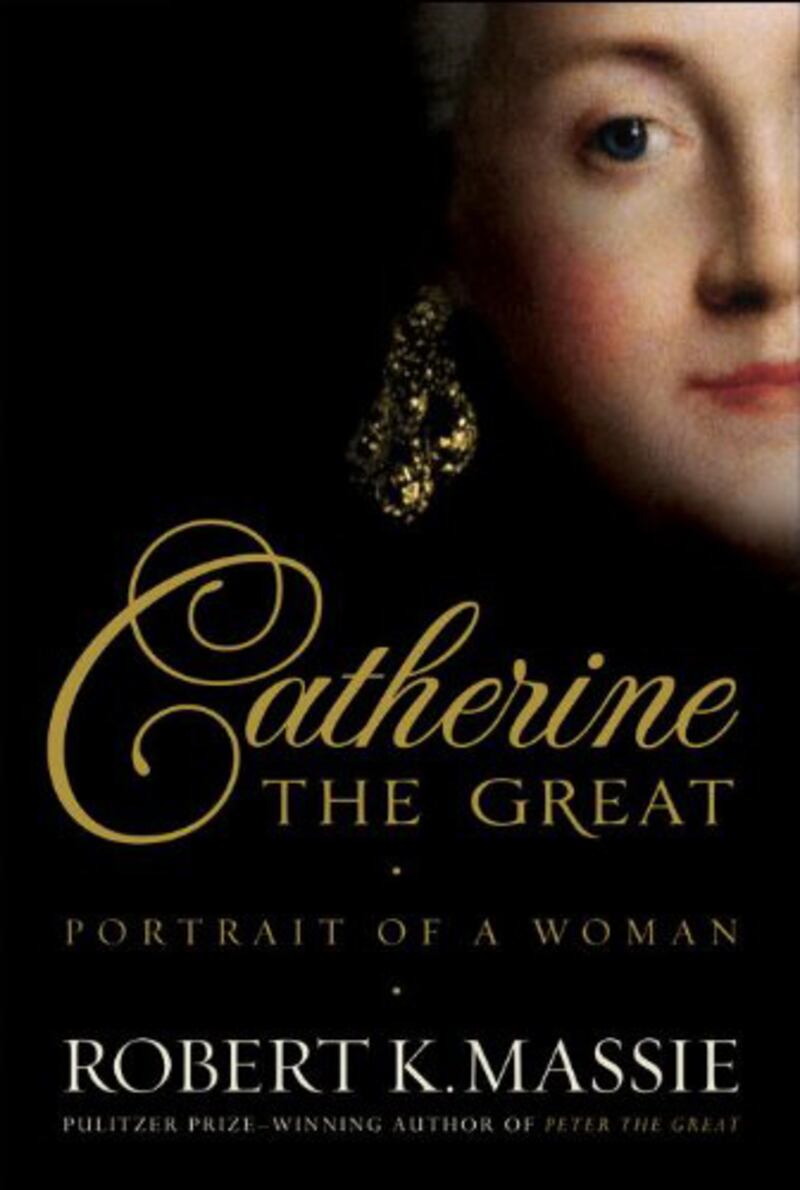
Catherine the Great
by Robert K. Massie
Crowning his biographical portrait gallery of Russian royalty, the Pulitzer Prize-winning historian delivers a rich, nuanced examination of Russia’s lone female leader, the 18th-century woman so wily that she kept at bay the winds of revolution sweeping Europe even as she allowed in the spirit of the Enlightenment that ushered Russia into the modern world. [Nov. 8]
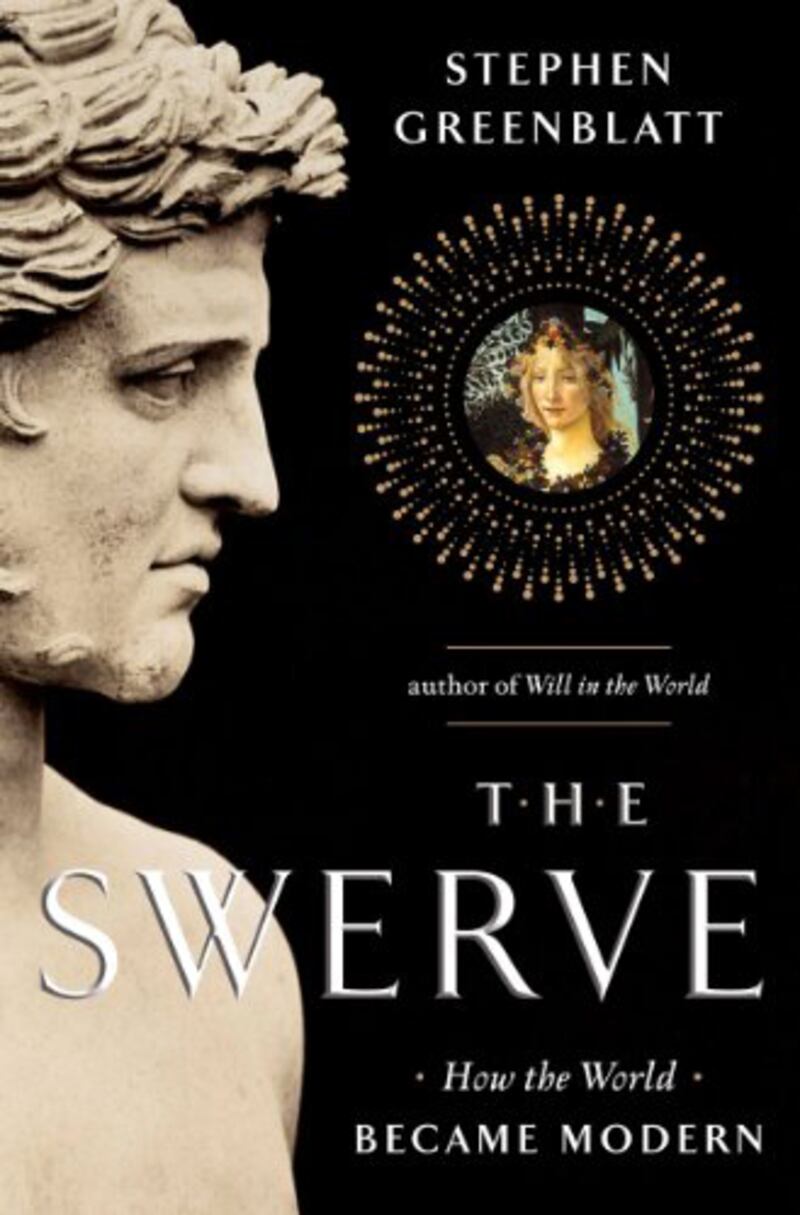
The Swerve: How the World Became Modern
by Stephen Greenblatt
Can a poem change the world? Harvard professor and bestselling Shakespeare biographer Greenblatt ably shows in this mesmerizing intellectual history that it can. A richly entertaining read about a radical ancient Roman text that shook Renaissance Europe and inspired shockingly modern ideas (like the atom) that still reverberate today. [Sept. 26]
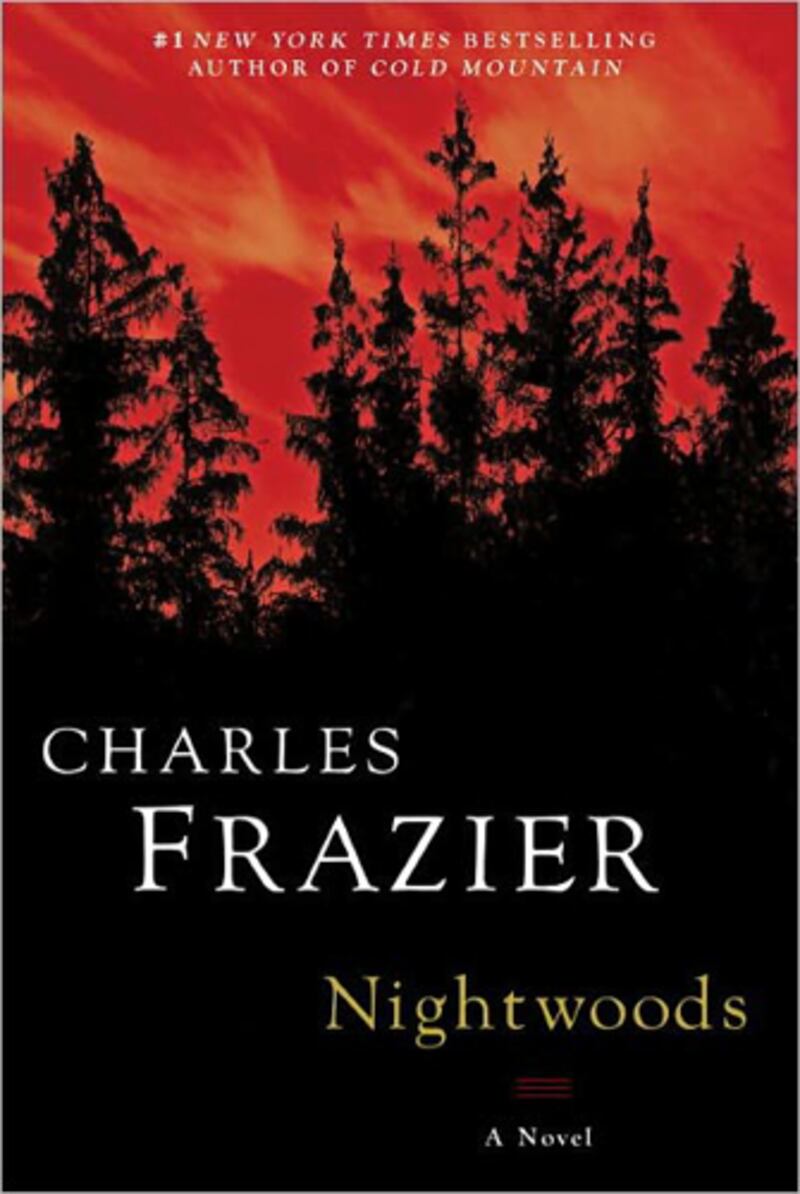
Nightwoods
by Charles Frazier
Frazier once again spins a story of two people falling in love in the North Carolina mountains. It’s even the '60s again, but this time it’s the 1960s, and things move a lot more swiftly than they did in Cold Mountain—think Thunder Road meets Night of the Hunter meets old murder ballads. This is a suspenseful noir nightmare, complete with bootleggers and switchblades. [Sept. 27]
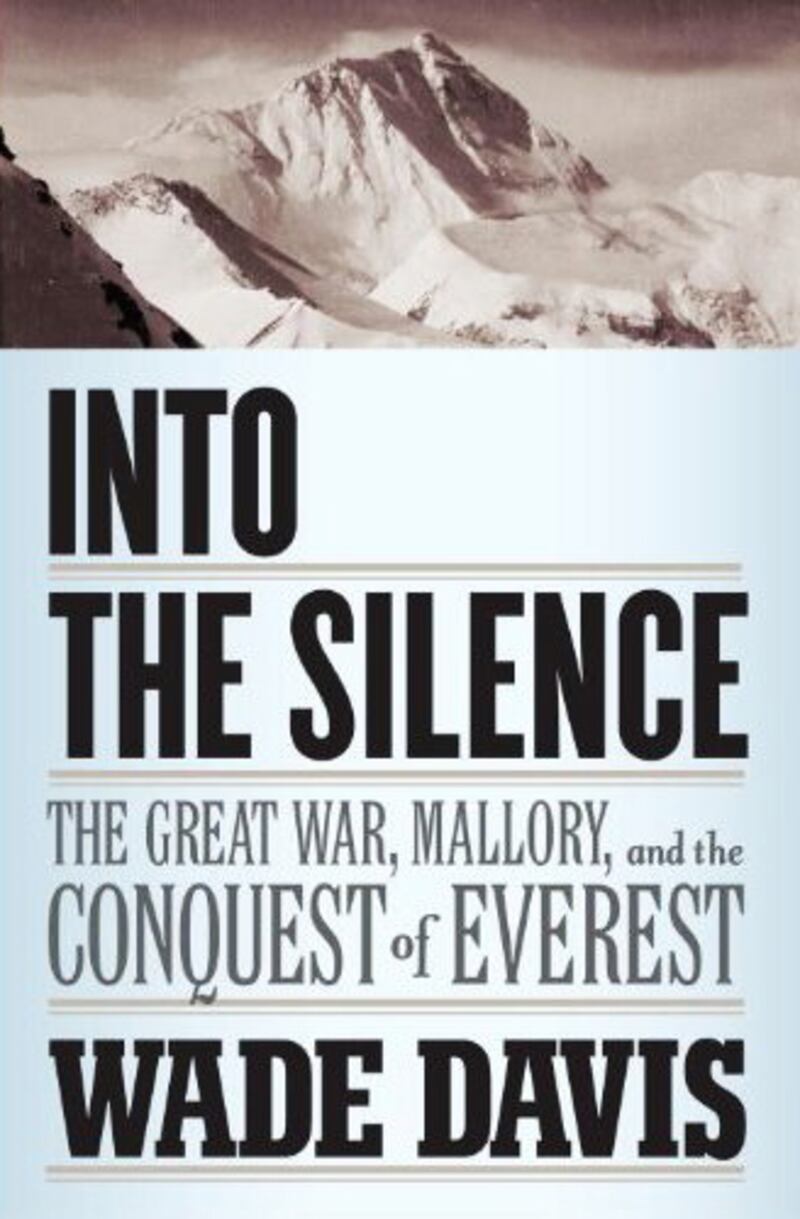
Into the Silence: The Great War, Mallory, and the Conquest of Everest
by Wade Davis
The notions of heroism and idealism died out almost entirely in the trenches of World War I. Six years after the Great War’s end, on the slopes of Mt. Everest, George Mallory and a group of climbers almost singlehandedly brought those noble ideas back to life. In this rigorously researched book, Davis shows how Mallory’s fatal climb reignited the idea of the hero for an entire culture. [Oct. 18]
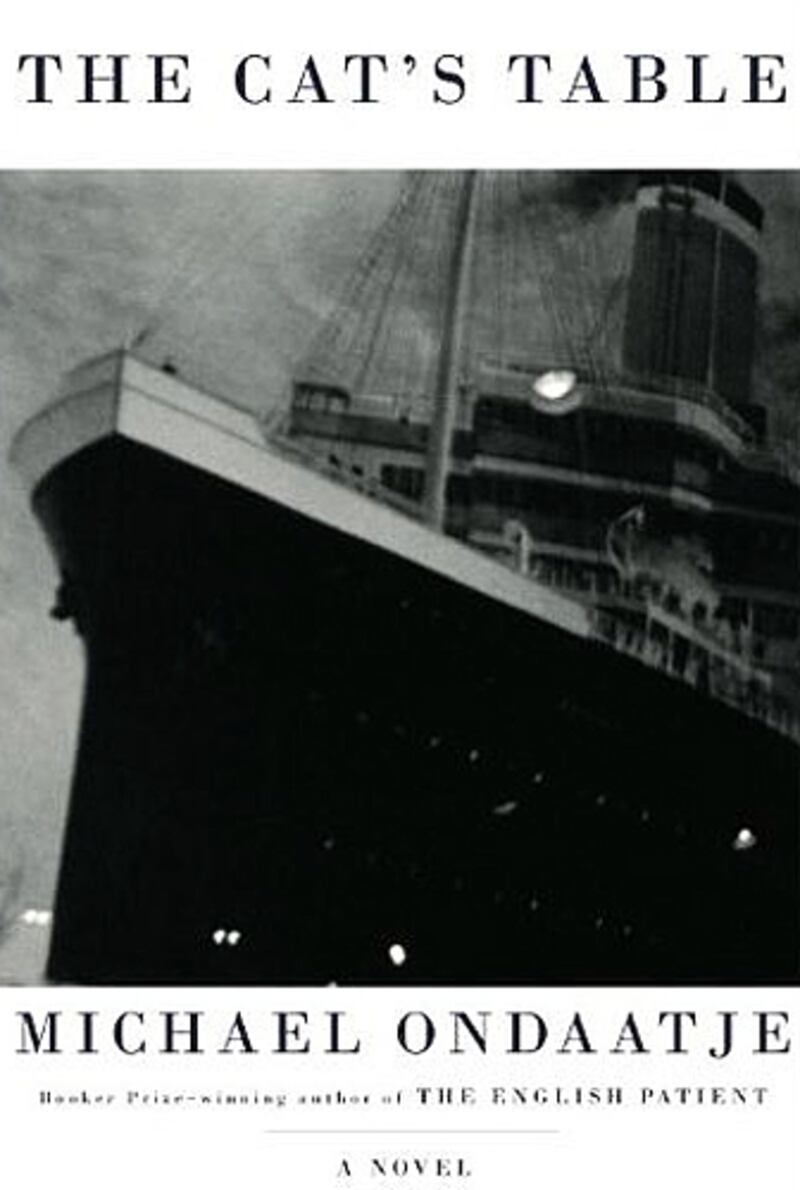
The Cat’s Table
by Michael Ondaatje
From the author of The English Patient comes an enthralling voyage: an unaccompanied 11-year-old boy aboard an ocean liner in the '50s. Prowling the ship at all hours with two friends, he uncovers a series of mysteries, including a murderer kept in chains. The end of childhood has rarely been so gracefully drawn.
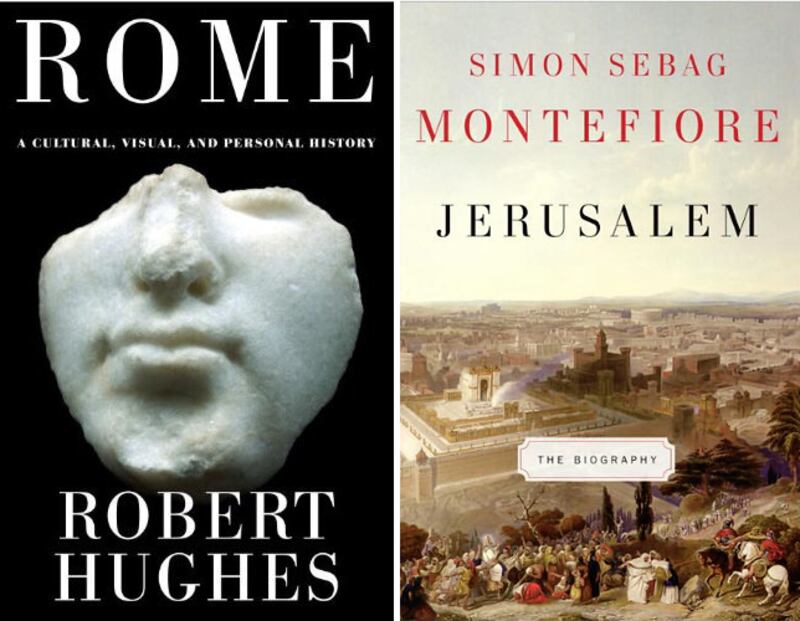
Rome: A Cultural, Visual, and Personal History
by Robert Hughes
Jerusalem: The Biography
by Simon Sebag-Montefiore
These eternally twinned cities of Western Civ get the star treatment this season with blockbuster histories from master art critic Robert Hughes (Rome) and British historian Simon Sebag-Montefiore (Jerusalem). Between these two books it’s all there: religious violence, Renaissance icons, Mussolini, family history, the birth of Judaism, Christianity, and Islam, and more. [Nov. 1; Oct. 25]
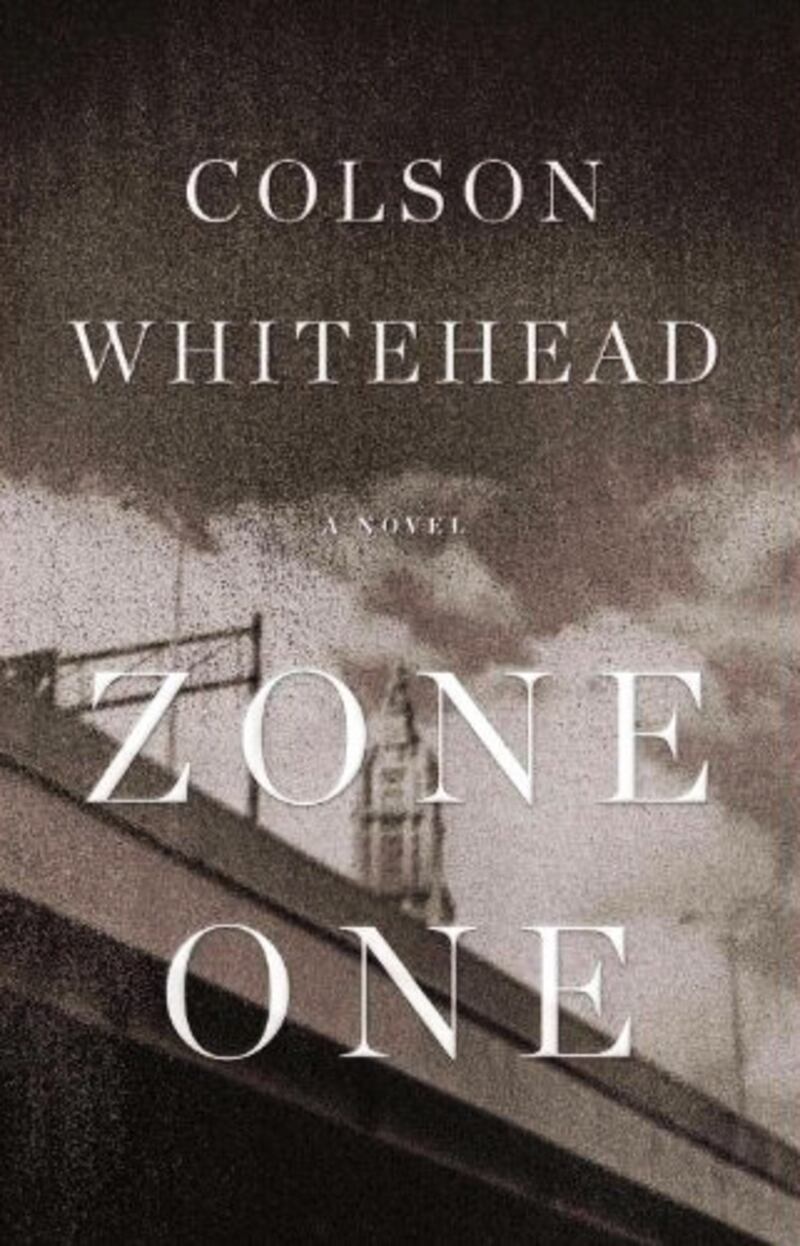
Zone One
by Colson Whitehead
A satirist so playful that you often don’t even feel his scalpel, Whitehead toys with the shards of contemporary culture with an infectious glee. Here he upends the tropes of the zombie story in the canyons of lower Manhattan. Horror has rarely been so unsettling, and never so grimly funny. [Oct. 18]
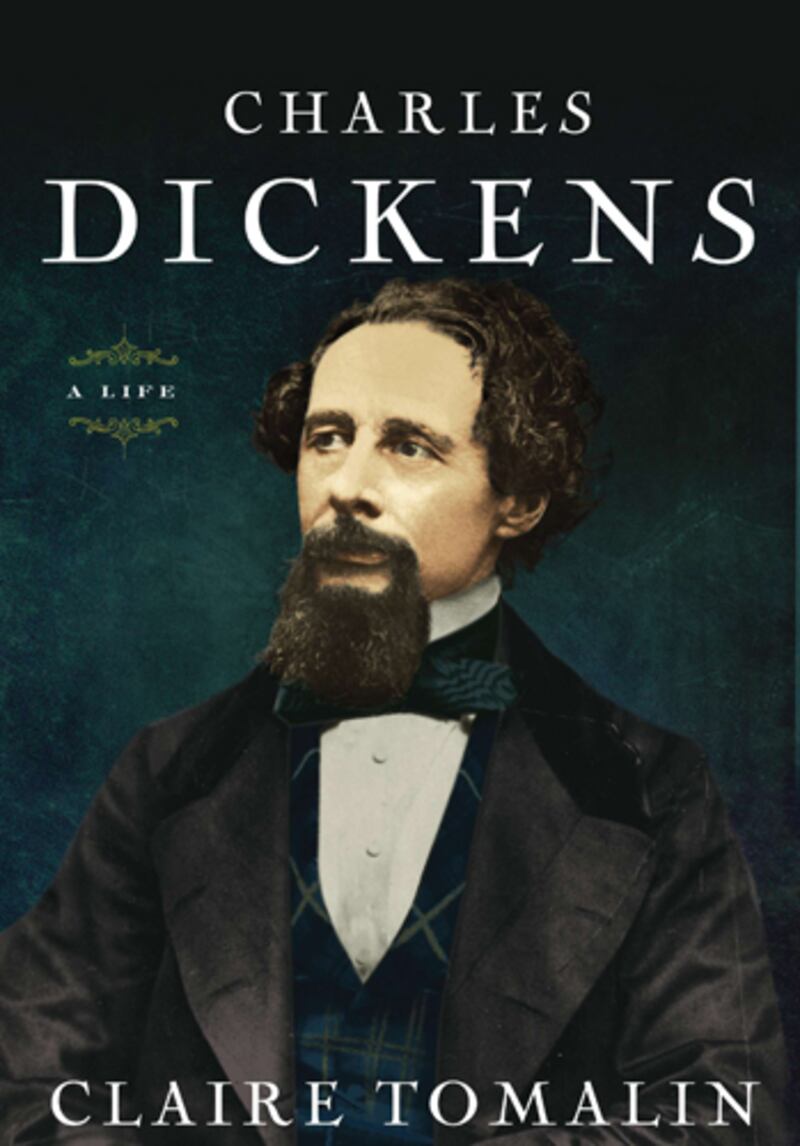
Charles Dickens
by Claire Tomalin
He was probably the most beloved author of all time. But the image projected through his fiction—that of a man who serenely and implacably saw into every character’s heart, who knew what there was to be known of life—was, while not a lie, certainly not the whole story. As Tomalin portrays him, with her usual uncommon skill, he was, for starters, hell at home, not at all nice to the children and beastly to his wife, on whom he famously cheated. He was, in other words, utterly fascinating, and so he remains. [Oct. 27]
The Forgotten Waltz
by Anne Enright
The Man Booker award-winning novelist has an almost scary affinity for language, a skill she marries to an unblinking shrewdness about the way people behave. Here she dissects a love affair barreling toward disaster. The result is a stunning study of a woman turned inside out. [Oct. 3]
Thinking, Fast and Slow
by Daniel Kahneman
For anyone interested in economics, cognitive science, psychology, and, in short, human behavior, this is the book of the year. Before Malcolm Gladwell and Freakonomics there was Daniel Kahneman who invented the field of behavioral economics, won a Nobel (for his work with Amos Tversky), and now explains how we think and make choices. Here’s an easy choice: read this. [Oct. 25]
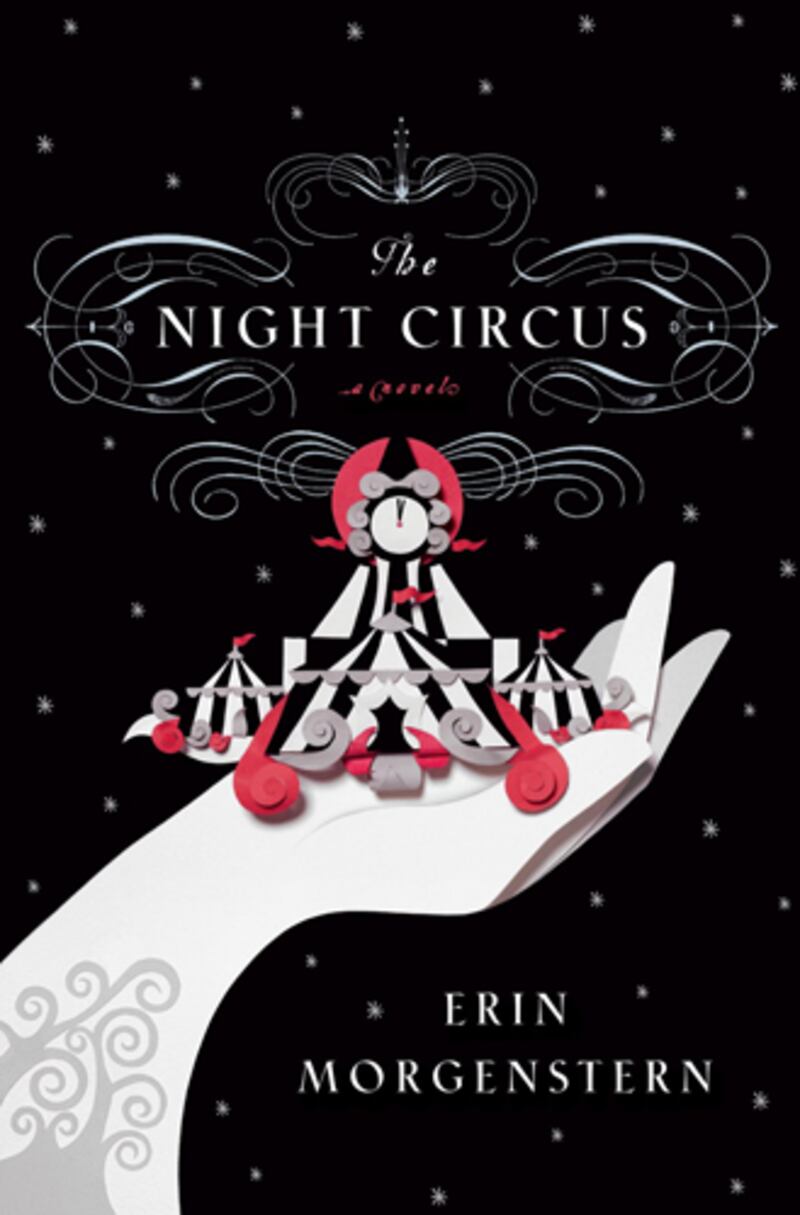
The Night Circus
by Erin Morgenstern
The hoopla surrounding this first novel’s publication—a high six-figure advance, movie rights sold, foreign rights sold in 27 countries—might distract our attention from a less powerful book. But a few pages into this story of a mysterious circus and its two stars, a young man and woman who are both capable of real magic, and you know you are in the presence of an extraordinary storyteller. [Sept. 13]
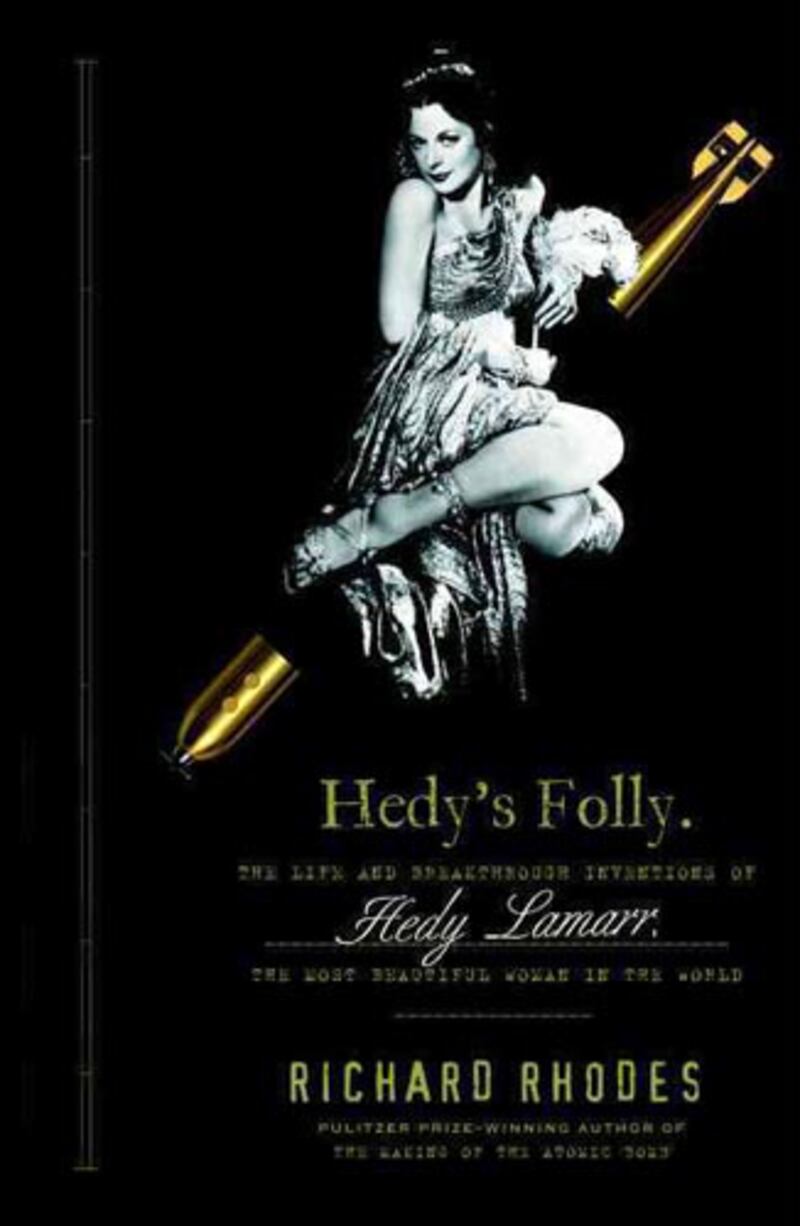
Hedy’s Folly: The Life and Breakthrough Inventions of Hedy Lamarr, the Most Beautiful Woman in the World
by Richard Rhodes
If the subtitle of this book—The Life and Breakthrough Inventions of Hedy Lamarr, the Most Beautiful Woman in the World—doesn’t make you want to read, nothing we say is likely to change your mind. But we will add this much: Rhodes, who has written about everything from atomic power to sex to John James Audubon, is apparently incapable of writing a bad book and most of what he does is absolutely superior, including this tale that has Nazi weapons, Hollywood stars, 20th century classical music, and the earliest versions of digital wireless. [Nov. 29]