President Donald Trump did not warn key allies before launching a major military operation in Iran, leaving them scrambling to deal with the fallout as Iran retaliated against countries aligned with the U.S.

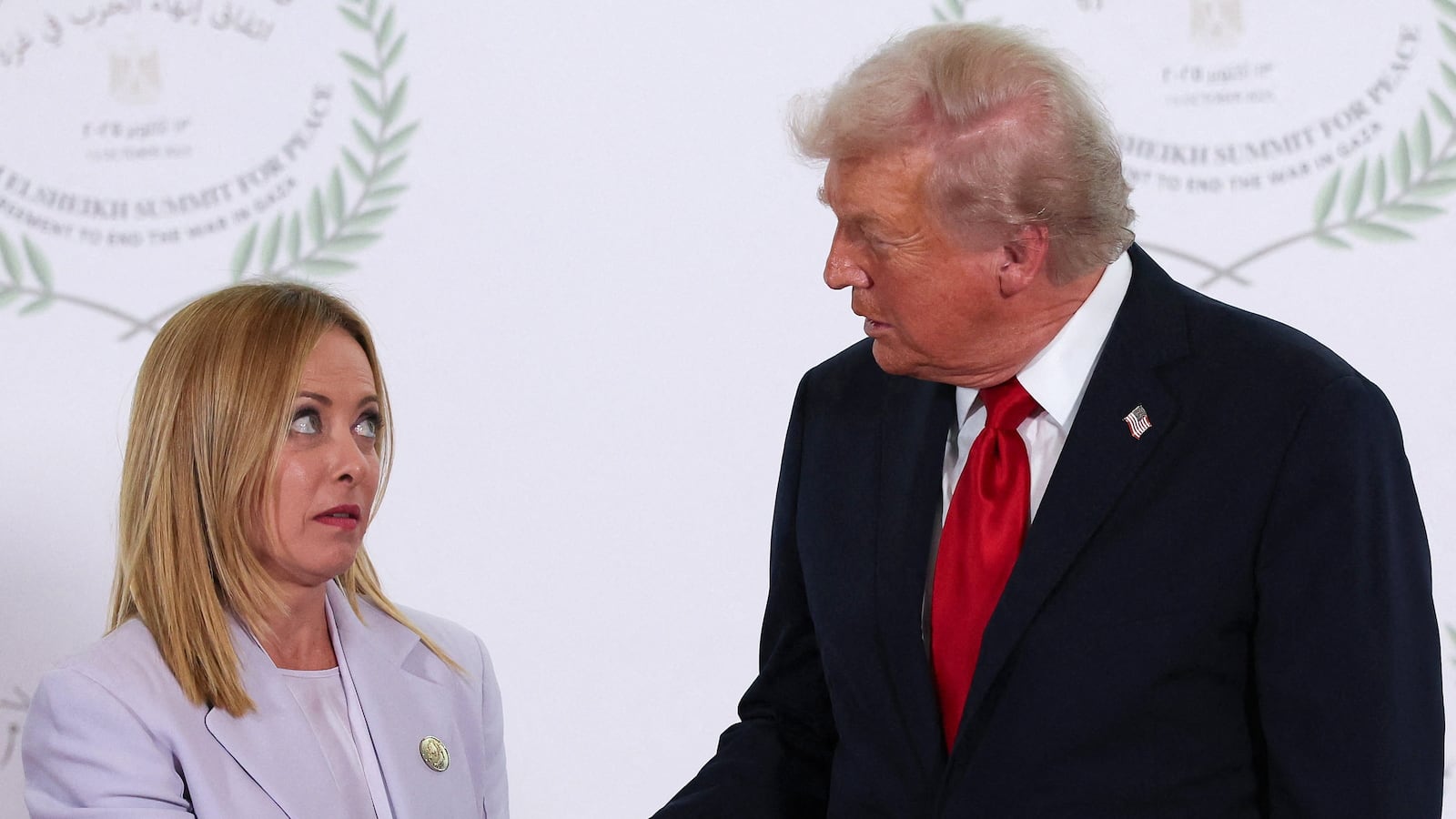
One of the administration’s closest partners in Europe, the far-right government of Italian Prime Minister Giorgia Meloni, only learned of the attack on Iran as it was happening, Deputy Prime Minister Matteo Salvini said Saturday morning, according to Italian daily La Repubblica.
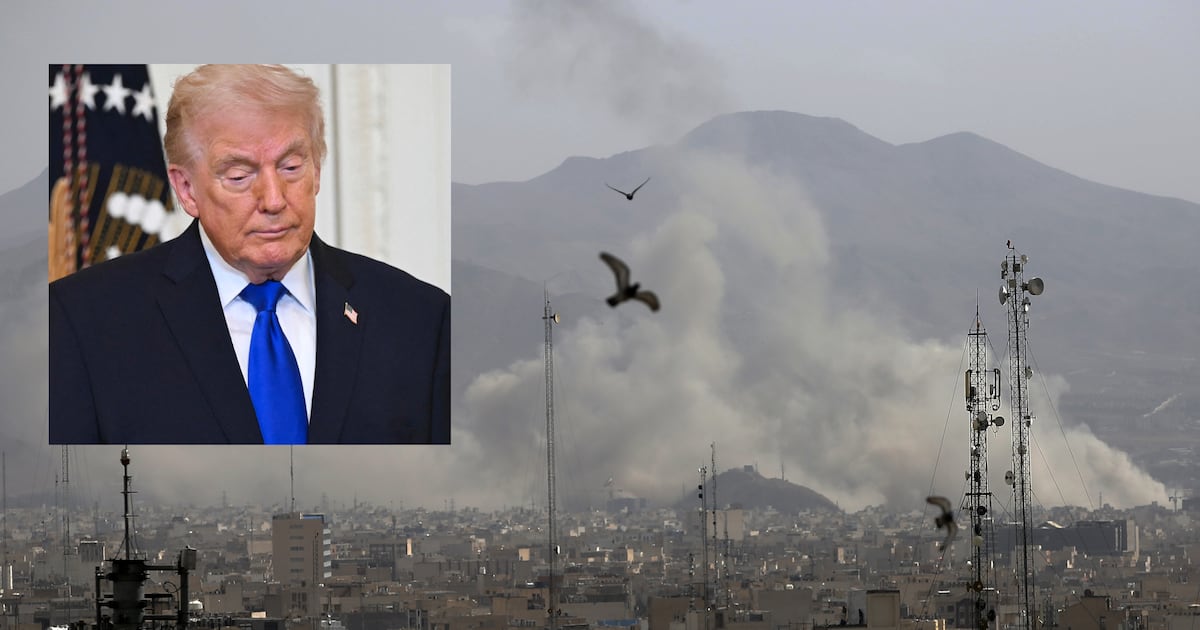
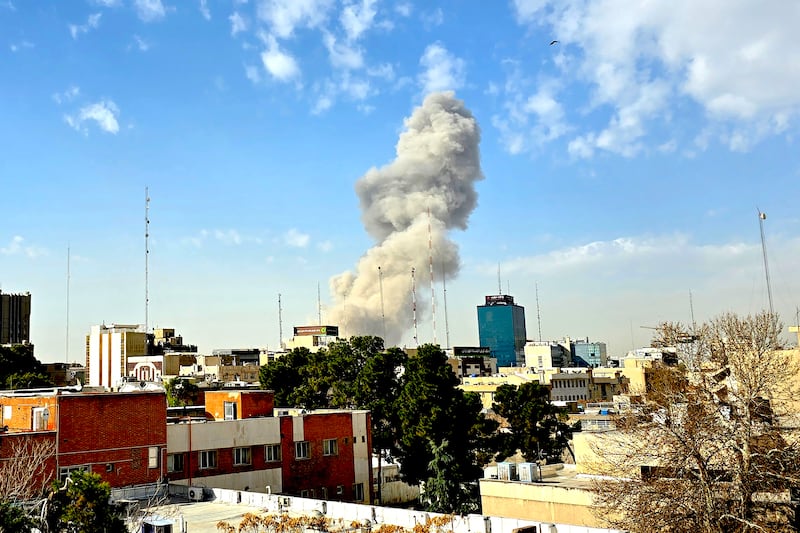
Soon after American and Israeli forces unleashed a series of attacks on regime targets in the Iranian capital of Tehran, the Islamic Revolutionary Guards Corps responded with what it called a “first wave” of missile and drone attacks against Israel.
Explosions also rocked Qatar, Bahrain, and the United Arab Emirates, which host strategically significant U.S. military bases.
A military base in Kuwait that houses 300 Italian Air Force personnel was among those hit, Italy’s foreign minister, Antonio Tajani, said. The personnel were all in their bunkers at the time and were not hurt in the attack, La Repubblica reported.
Foreign allied soldiers are also stationed at the U.S. Navy’s Fifth Fleet in Manama, Bahrain, which was targeted with Iranian missile attacks.
Civilians from America’s allies were also caught unawares, with hundreds of Italians in Tehran now being advised to stay indoors wherever they are.
Similarly, the U.S. embassies in Israel, UAE, Bahrain, Kuwait, Qatar, and Jordan advised Americans in the region to shelter in place.
Much of the fallout was predictable given that Iran’s ambassador to the United Nations, Amir Saeid Iravani, warned on Feb. 20 that that “all U.S. military bases, facilities, and assets in the region would constitute legitimate targets if the United States follows through on its military threats and attacks Iran.”

But by failing to advise European allies ahead of time about the attacks, the U.S. left its global partners racing to devise last-minute security plans.
A government spokesperson for Germany said the country had been informed by Israel, not the U.S., in advance of the strikes, The New York Times reported.
The Italian government said in a Saturday morning statement that high-level officials were holding emergency meetings to determine how to deal with what one senior cabinet member called a “serious and concerning” situation.
The government’s official statement called for a “de-escalation of tensions,” while several opposition leaders have called for the Italian government to distance itself from Trump to avoid being “complicit” in what they say is an illegal war.
Spain’s prime minister, Pedro Sánchez, condemned the U.S.-Israeli attacks, calling them “an escalation,” according to the Times.
Ireland’s premier, Micheál Martin, said he was “deeply concerned” about the risk of wider conflict in the Middle East following the strikes, while the Brazilian government also expressed its “grave concern” about the attacks, The Guardian reported.
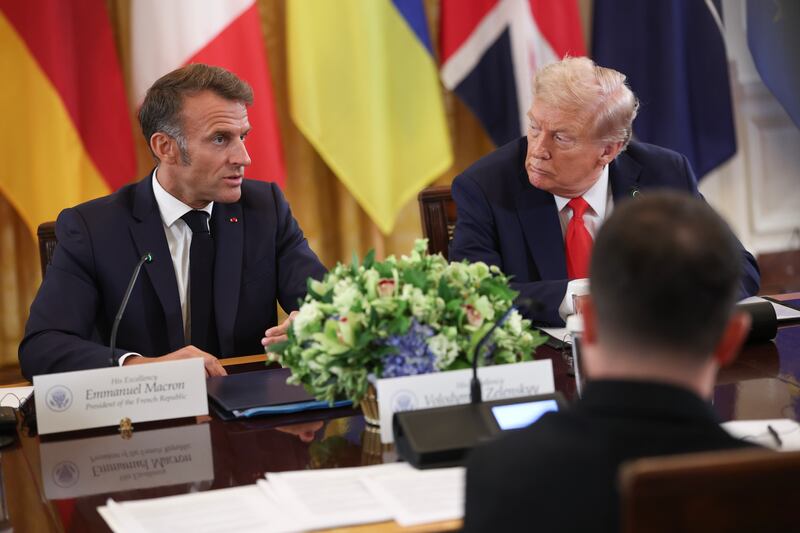
French President Emmanuel Macron called for an urgent meeting of the U.N. Security Council to try to defuse tensions. France hosts several military bases in Qatar, the UAE, and Jordan.
Residents in Tehran reported a series of explosions at about 10:30 a.m. local time on Saturday in the Pasteur neighborhood, where the presidential palace and national security council head offices are located.
The Iranian cities of Qom, Kermanshah, Tabriz, Lorestan, Karaj, and Khorramabad were also targeted in the strikes.
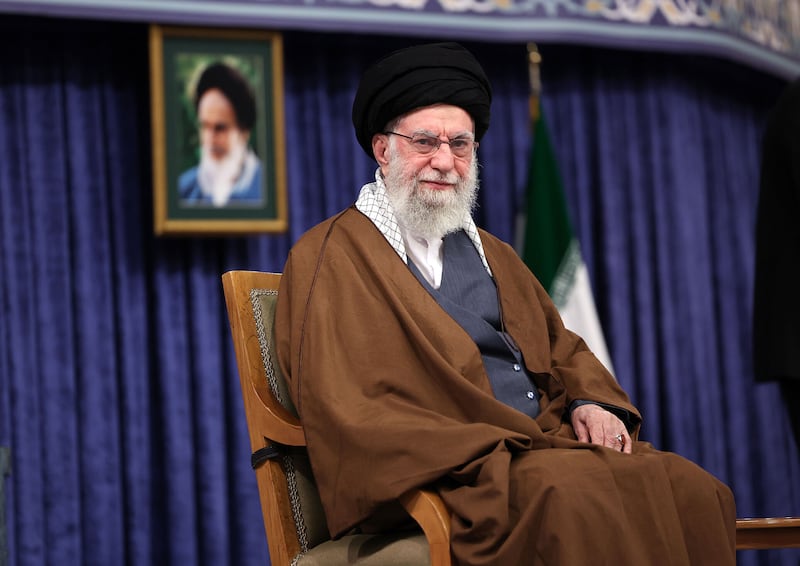
The attacks have caused “a significant number of deaths,” though Supreme Leader Ayatollah Ali Khamenei was not believed to be at his Tehran residence at the time, The Guardian reported.

His officials have “vowed a crushing response” to what appears to be “the start of a full-scale military exchange, and not a limited U.S. action.”
The Daily Beast has reached out to the White House and Defense Department for comment.