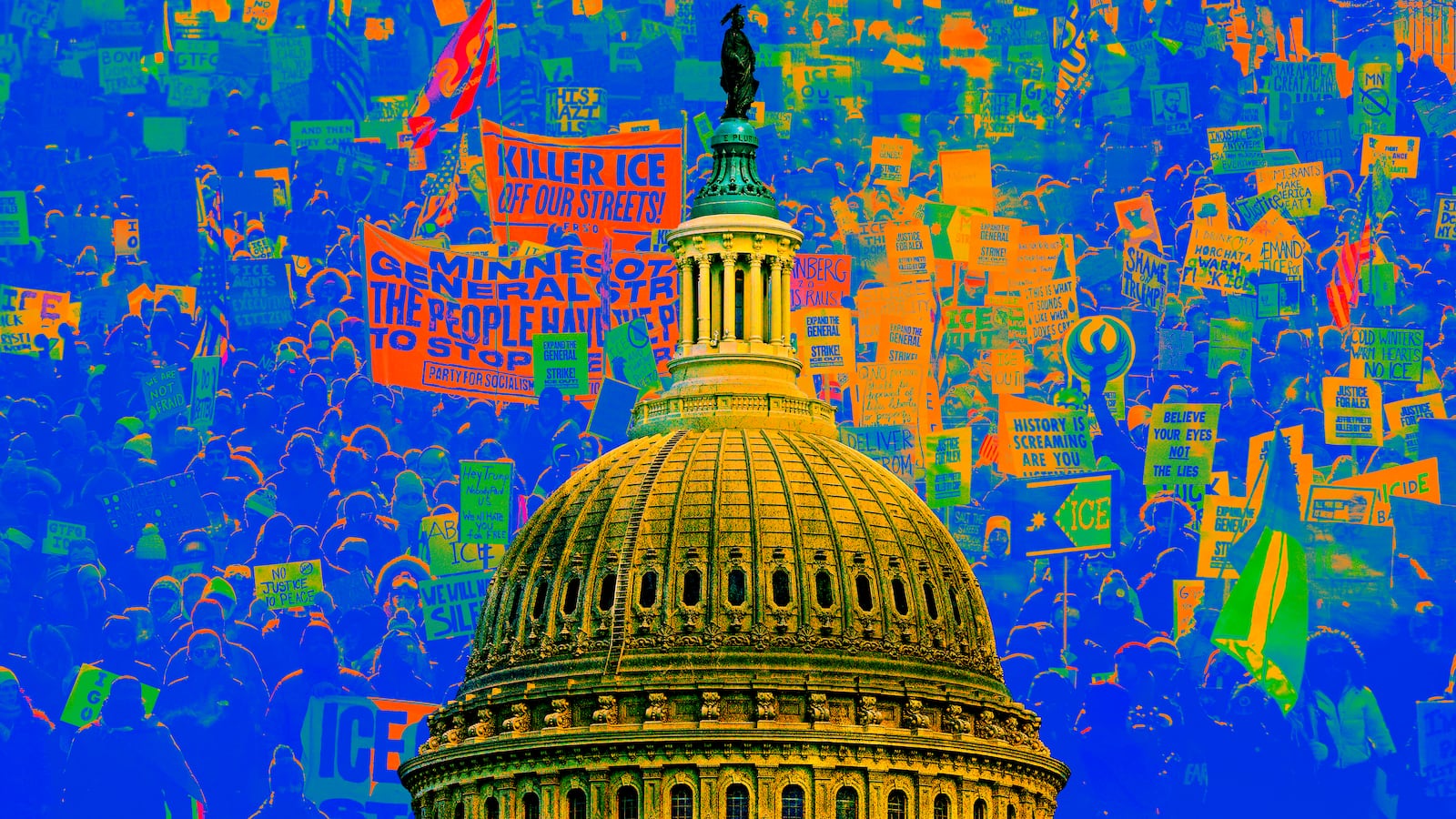
Congress is barreling toward yet another government shutdown this week, as a coalition of Senate Democrats has signaled they will block Department of Homeland Security (DHS) funding and with it, significant budget authority for Immigration and Customs Enforcement (ICE) and other federal enforcement agencies, unless meaningful reforms and oversight measures are enacted.
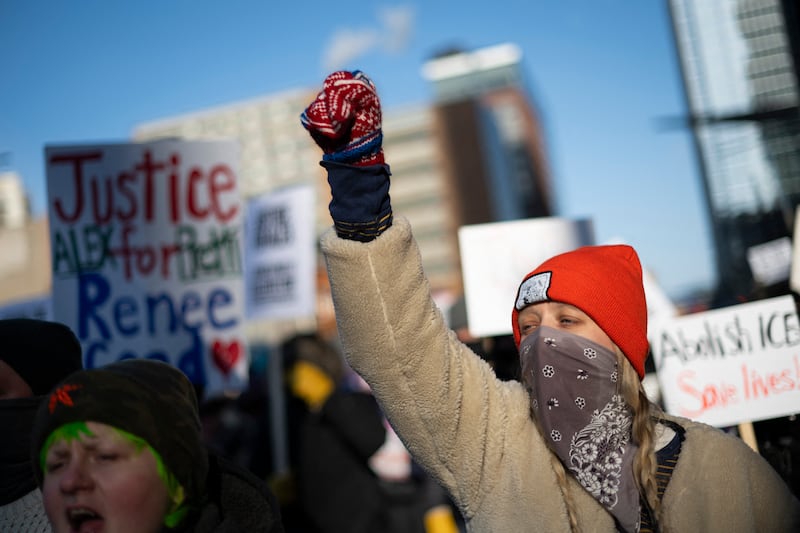
The threat of a shutdown over DHS funding is directly tied to outrage over the killing of two U.S. citizens by federal immigration officers in Minneapolis during the Trump administration’s ongoing enforcement surge. Just a few weeks ago, 37-year-old Renee Nicole Good was fatally shot by an ICE agent during a federal operation targeting undocumented immigrants. Then this past weekend, Alex Pretti, also 37, was shot and killed by Border Patrol agents in a similar incident.
The shootings have shaken the nation, engendering large protests and endless cable news commentary. They have become a political Rorschach test, with Democrats and civil rights groups demanding accountability while many Republicans and their allies (but, notably, not all) defend the officers. Both sides claim that video footage supports their preferred narratives—that Good was using her SUV as a weapon, or that she was just driving away; that Pretti had been disarmed before he was shot, or that he was still a clear threat and provocateur.
They remind me of a past controversy: the 2017 shooting by U.S. Park Police of an unarmed driver, Bijan Ghaisar, on the George Washington Parkway outside Washington, D.C. After a minor fender-bender—in which Ghaisar was the victim—he fled the scene. U.S. Park Police officers chased him for a few miles; Ghaisar was reportedly speeding in residential neighborhoods, and on three occasions he pulled over but then sped off again. The fourth time he stopped, a Park Police cruiser blocked Ghaisar, and an officer got out and stood between the two vehicles. Ghaisar’s SUV then lurched forward slightly, and the officers shot ten rounds. Ghaisar was hit and died several days later.
As with the recent tragedies in Minneapolis, the response to Ghaisar’s death was contentious, with conflicting narratives that supported either allegations of excessive use of force or assertions that the exercise of law enforcement officers’ authority was justified.
Various investigations, criminal proceedings, and lawsuits dragged on for years. As the Inspector General of the U.S. Department of the Interior, which oversees the U.S. Park Police, I knew what was missing: a neutral entity to step in and evaluate the facts. Someone who had no dog in the proverbial fight, no incentive to arrive at any pre-ordained conclusion, no reason to put the thumb on the scale to favor one side or the other. That’s exactly what Inspectors General were created for: conducting fair and independent oversight of the federal government for the American people.

My office conducted a comprehensive review of the shooting, following the evidence without fear or favor. We ultimately concluded that the use of force was within the department’s policy in effect at the time. While our findings were upsetting to some, it was an impartial and objective assessment of the facts and the law that drove our conclusions–not politics.
What I saw in that heart-rending saga is now unfolding again in Minnesota: not just tragedy, but a deficit of trust. And democracy simply cannot function when trust is absent. The solution is creating a neutral entity to review the shootings and determine once and for all whether they were justified or not. The current reviews into Good and Pretti’s deaths, by either the FBI or DHS, will likely have scant credibility with the American people, especially given that the administration has already labeled the victims “domestic terrorists.”
Independent investigations are vital to restoring confidence in public institutions after controversial uses of force. Inspectors general are intended to be insulated from operational and political control precisely so the public can trust that their findings are fair and objective. Unfortunately, the DHS Office of Inspector General has reportedly declined to review DHS’s use of force during immigration operations in Chicago, claiming that the agency’s internal review would be sufficient. The odds are regrettably low that it would change its mind and open an inquiry.
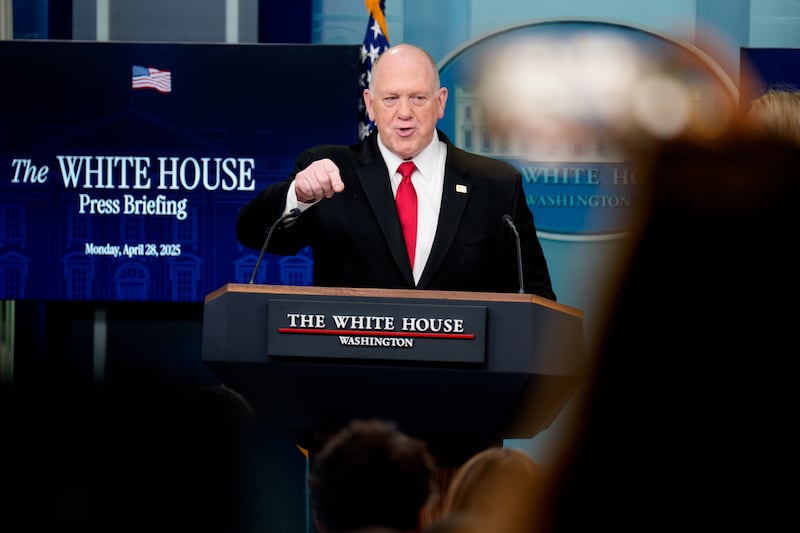
That is why Congress should immediately establish a special bipartisan investigative commission with the authority to examine these shootings—outside of DHS and its traditional oversight chains. Such a body should have subpoena power, unfettered access to evidence, the ability to interview witnesses and a transparent process that allows Americans to see its conclusions and recommendations for reform. Considering that several senior Republicans, including several Trump allies in Congress, have pushed for independent investigations, such a commission should not devolve into a partisan circus like the January 6th special committee.
This is not a symbolic gesture. It is a necessary investment in institutional integrity at a moment when confidence in government is being tested. Government doesn’t earn public trust by avoiding hard questions or by leaving accountability up to internal reviews that are easily dismissed as self-serving, but by confronting difficult truths with integrity, transparency, and independence.

Lawmakers on both sides of the aisle should see an independent investigation not as a political win or loss, but as a constitutional responsibility. Establishing a commission would provide a path to answer critical questions—and could also serve as an olive branch to avoid a government shutdown. And if Congress cannot agree on the need for an unbiased investigation in moments like this, then we are not merely risking a shutdown. We are risking public confidence in government itself.
An independent investigation should not be viewed as a threat. Instead, it would be a critical step in repairing the shattered foundation of public trust plaguing Minnesota and the nation. It is what democracy demands, especially in today’s highly partisan and deeply divided nation.