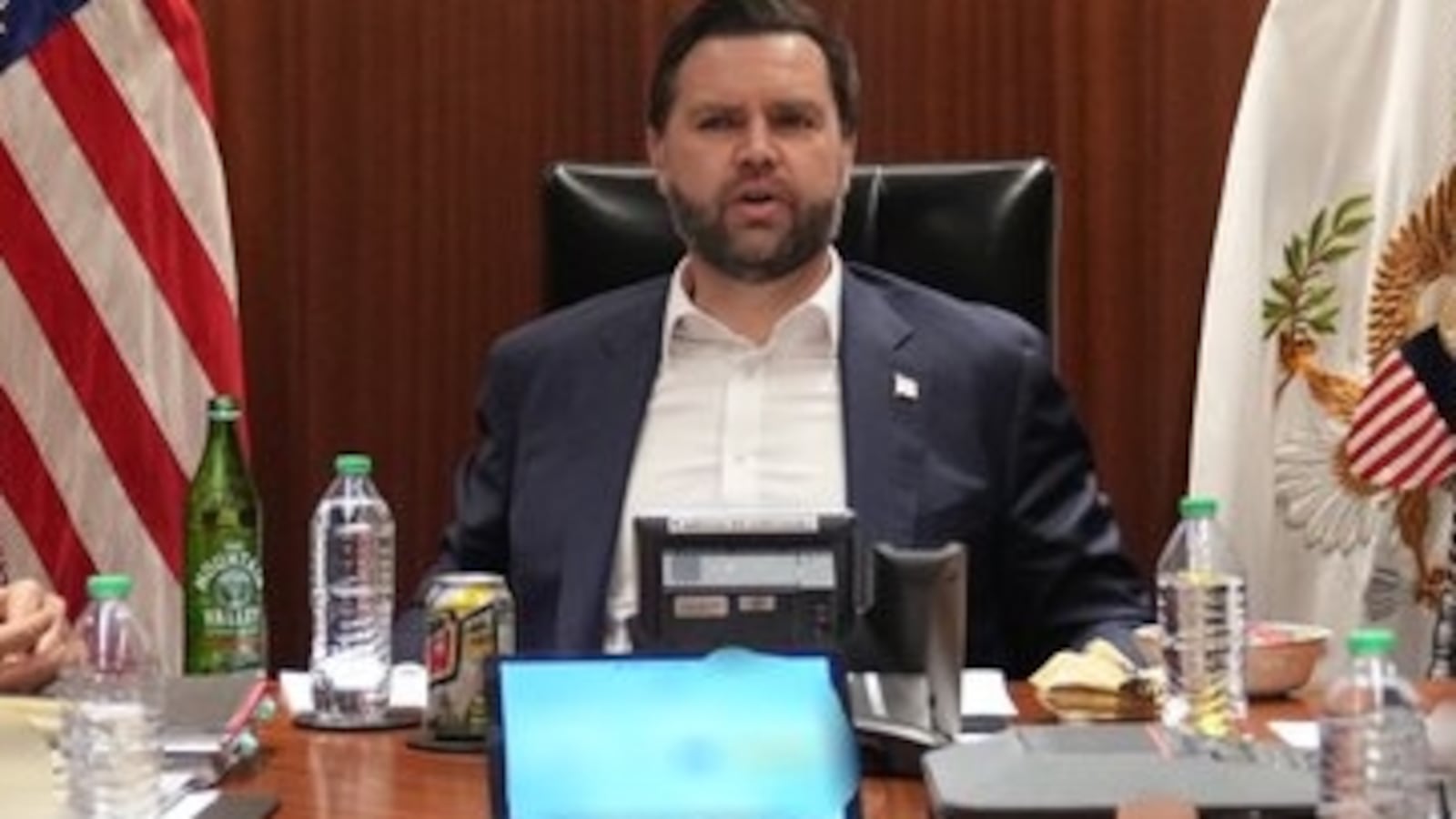
Vice President JD Vance has kept a low profile following claims that he has differences with Donald Trump over the United States waging war on Iran.
Vance has made no secret of his skepticism over America’s involvement in foreign wars, and sources say the split has affected his relationship with the president. As everyone else in Trump’s inner circle took on key assignments for the unauthorized strike on Iran, Vance was notably quiet.
According to the New York Times, Vance did not oppose a strike but “intensely questioned” the chairman of the Joint Chiefs of Staff, Gen. Dan Caine, and CIA chief John Ratcliffe at a planning meeting for the attacks at the White House two days before the attacks.
The Atlantic also reported that Vance had reservations about the war plans.
Pentagon chief Pete Hegseth and the national security team joined Trump at Mar-a-Lago on Saturday as the strikes were launched on Iran in Saturday’s early hours.
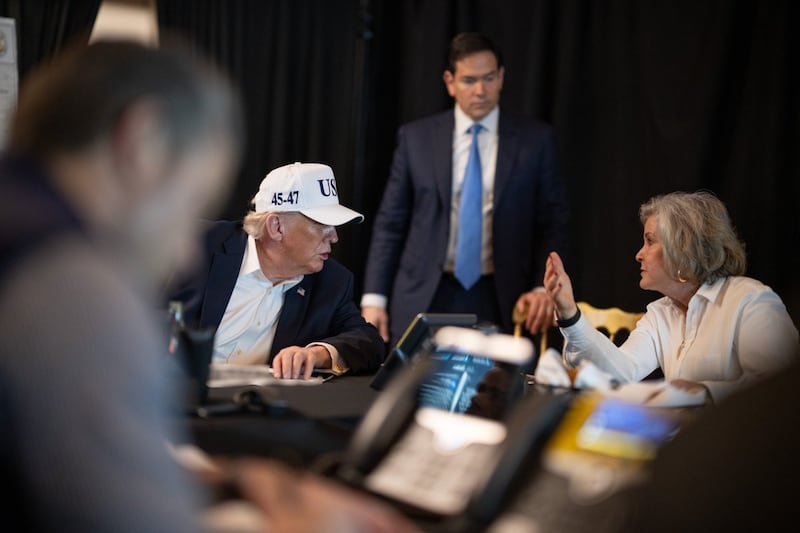
Secretary of State Marco Rubio was tasked with informing lawmakers about the impending attack, and White House Press Secretary Karoline Leavitt was heading up the communications team.
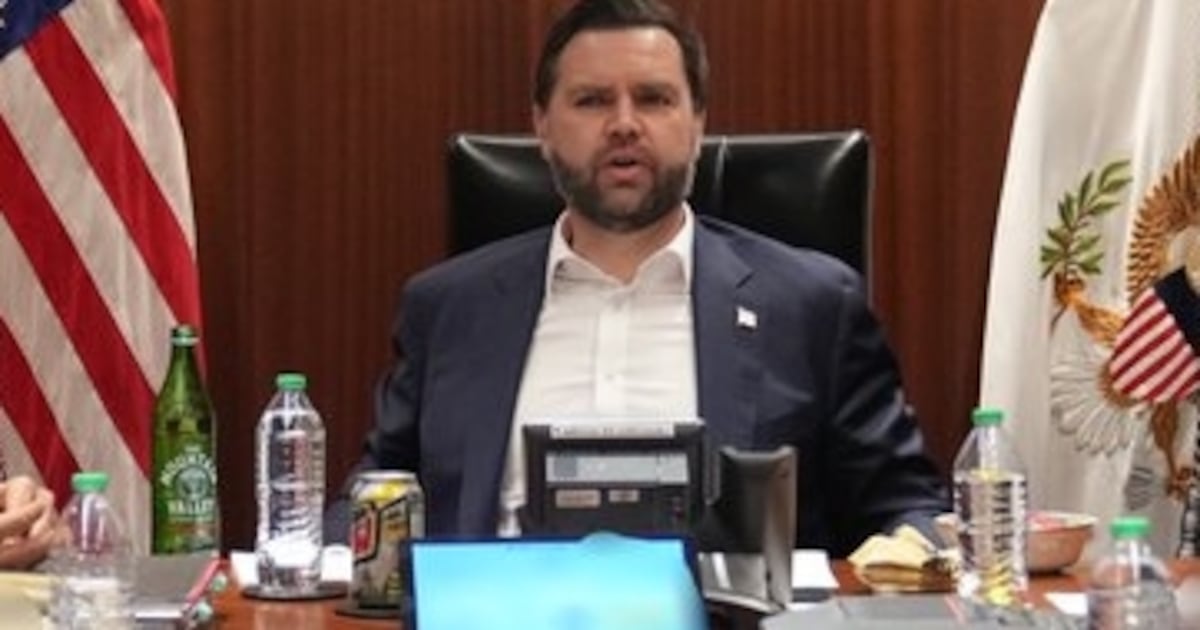
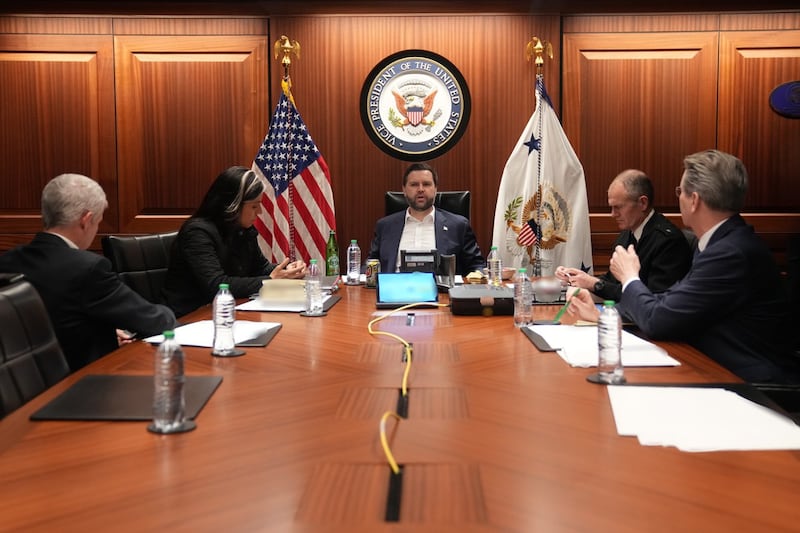
Meanwhile, Vance remained at the White House with Treasury Secretary Scott Bessent, Director of National Intelligence Tulsi Gabbard, and Energy Secretary Chris Wright in the Situation Room, where they were kept in touch via a secure line.
Nothing was heard from Vance in the immediate aftermath of the bombings.
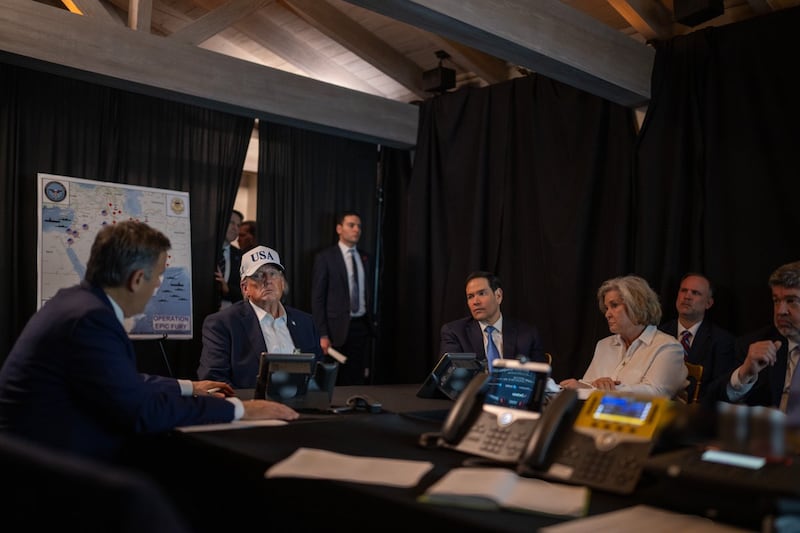

While Vance and Rubio were vying for Trump’s attention, sources say the VP’s reticence about a conflict with Iran was seen by the president as a sign of disloyalty.
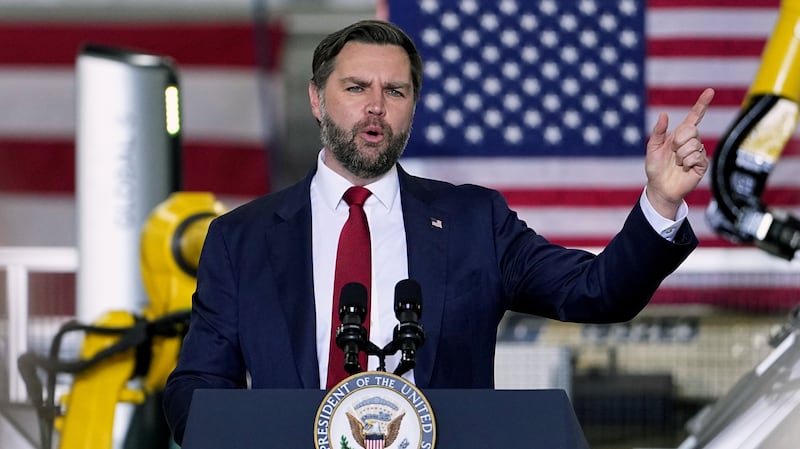
Instead, he is being sent out to U.S. cities to plug the administration’s affordability and energy programs, and this week was put in charge of uncovering fraud.
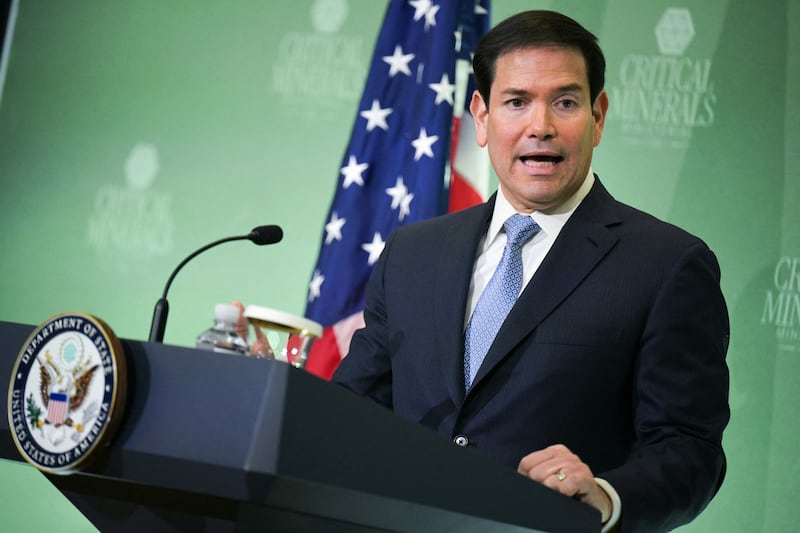
At the same time, Rubio is winning plaudits from the commander-in-chief for juggling negotiations in the Ukraine War, Gaza, Cuba, and Iran.
A spokesperson for the vice president maintained it was “categorically false” that Vance had been frozen out by the president.
“The vice president was fully integrated in the planning process and monitored the execution of the operation from the situation room,” he said.
“The vice president remained in Washington to maintain operational secrecy, and in keeping with the administration’s security protocols to limit the president and vice president co-locating away from the White House,” he added.
The day before bombs rained down on Tehran, Vance insisted there was “no chance” there would be a prolonged conflict with Iran.
“The idea that we’re going to be in a Middle Eastern war for years with no end in sight—there is no chance that will happen,” he said.
He added in an interview with the Washington Post that he didn’t know what Trump was planning to do about Iran, but claimed that he and Trump were “skeptics of foreign military interventions.”
On Friday, Rubio was telling Americans to get out of Iran as soon as possible and declaring the country a state sponsor of wrongful detention as the clock ticked towards an attack. Later, he contacted seven of the eight members of the gang of eight key lawmakers on Capitol Hill to tell them what was about to happen.

On Saturday, Trump called for regime change and made it clear it wasn’t a limited operation.
There was not a peep from Vance.