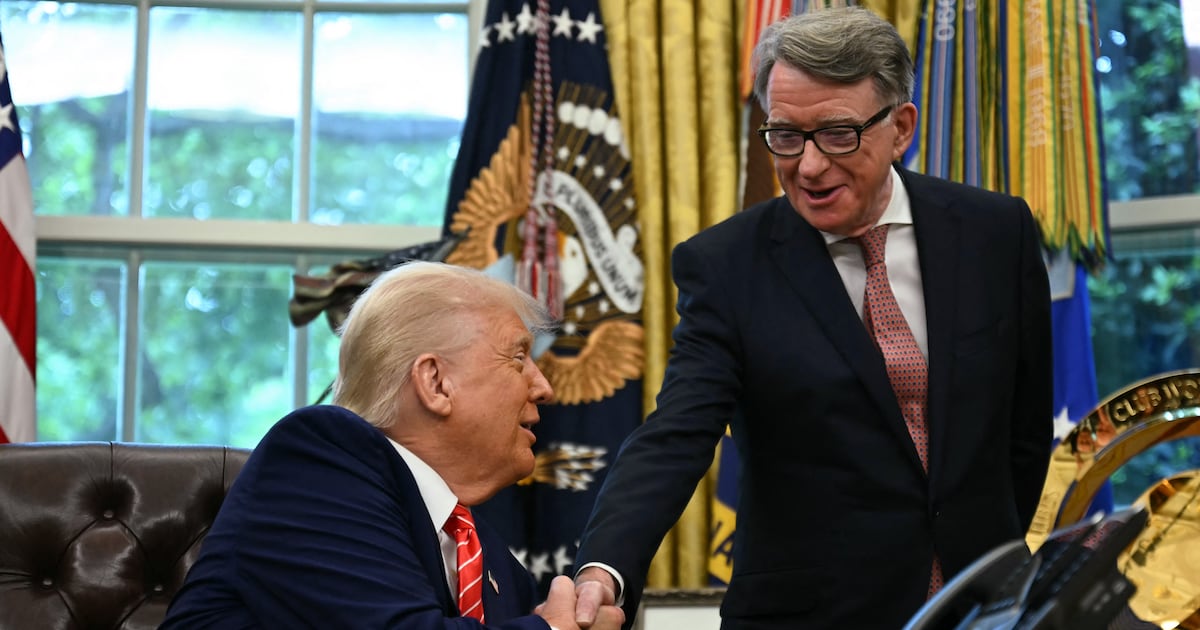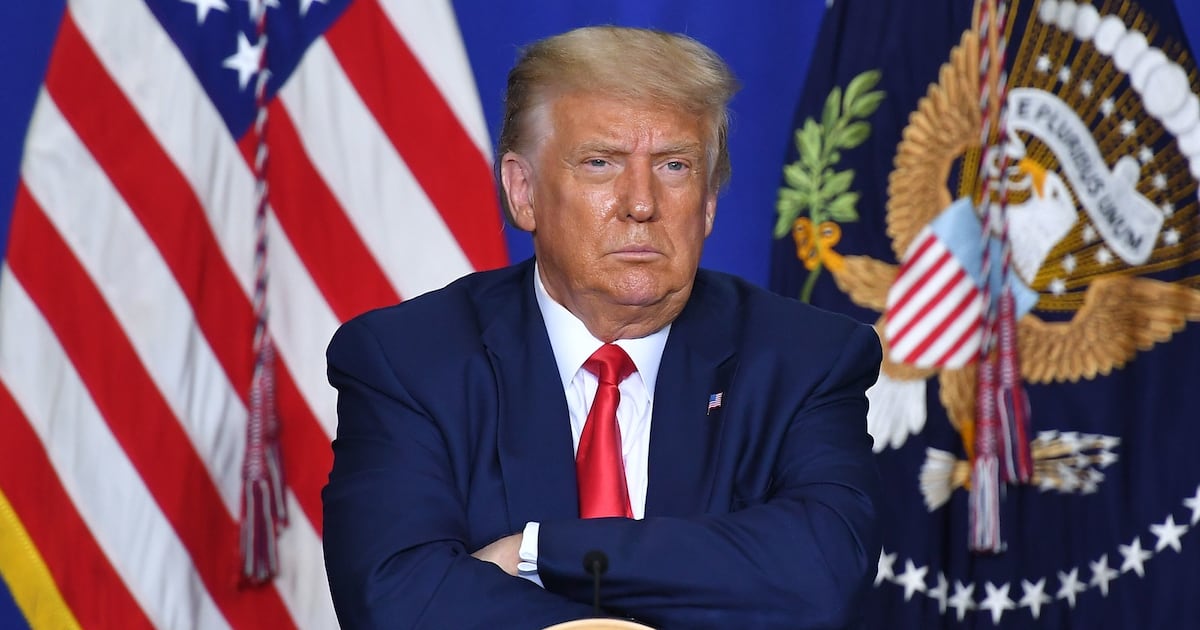

President Donald Trump’s ridiculous gerrymandering push in Texas has thrown the state’s midterm primary elections out of whack, even for Republicans.
During Tuesday’s primary elections, two major Texas counties turned away voters of both parties at polling sites and directed them to different precincts due to changes spurred by the president’s partisan efforts to boost Republicans’ representation.
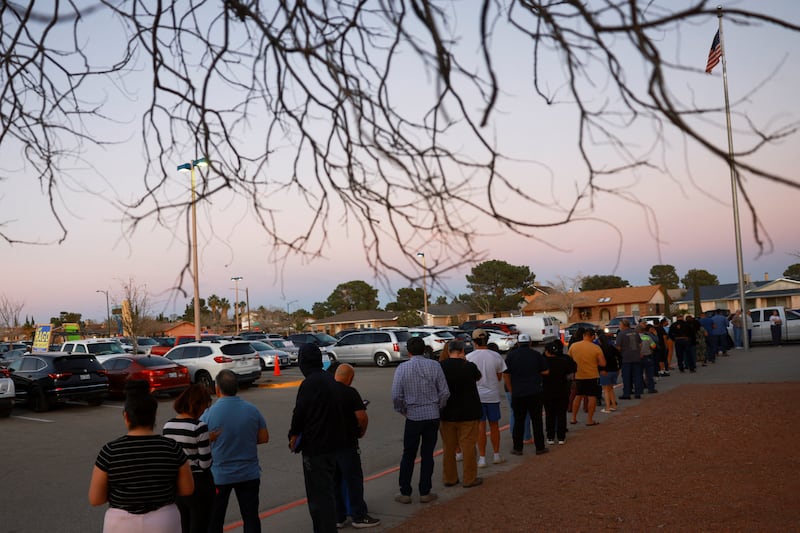
According to the Associated Press, a judge ordered polls to stay open until 9 p.m., two hours past the scheduled 7 p.m. closing time. Acting on a petition filed by the local Democratic Party, the judge cited “voter confusion so severe” that it caused the county election office’s website to crash.

Voters in Dallas and Williamson counties had previously been allowed to cast their ballots anywhere in their county. This primary, however, the local Republican parties chose to prevent countywide voting—forcing voters in the two counties to vote only at their assigned precinct.
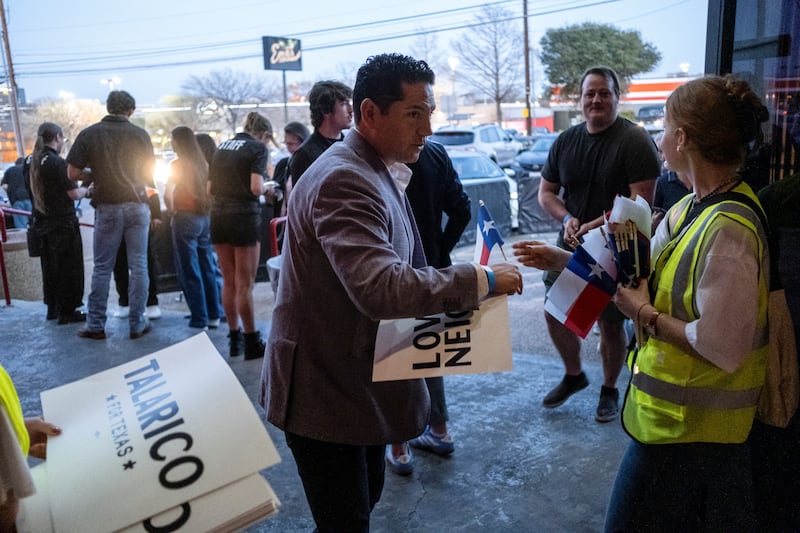
Both Democratic U.S. Senate campaigns decried the change and requested an extension of polling hours on election day.
“Both Dallas and Williamson county voters have grown accustomed to countywide voting, including on election day,” U.S. Rep Jasmine Crockett’s campaign said. “This effort to suppress the vote, to confuse and inconvenience voters, is having the intended effect as people are being turned away from the polls.”

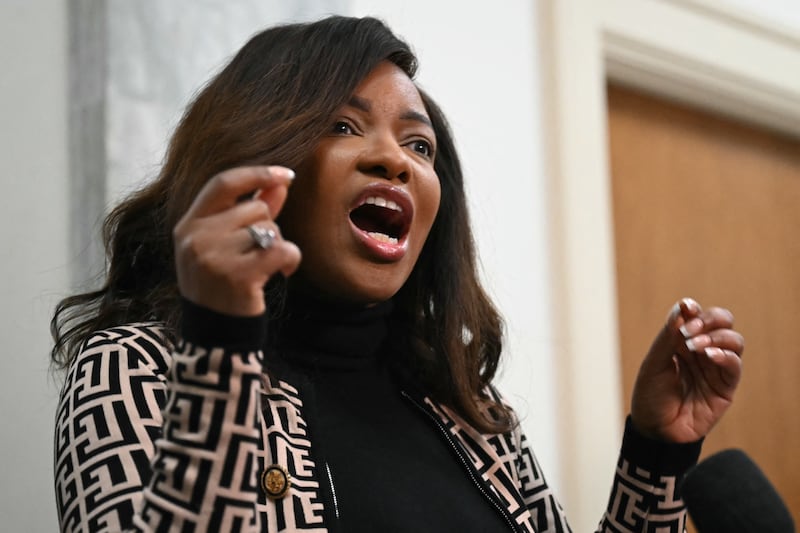
“IF YOU’RE IN LINE — STAY IN LINE!!!" Crockett added in a post on X. “You get to vote!!”
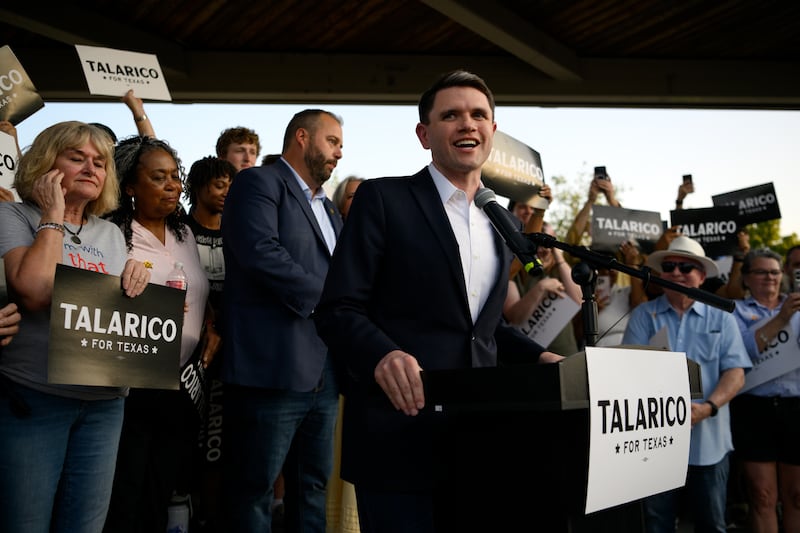
State lawmaker James Talarico’s campaign shared similar sentiments, saying it was “deeply concerned” about reports of voters being turned away from polling sites and asked to go elsewhere.

Executive director of the Dallas Democratic Party, Brenda Allen, told the AP that her offices were inundated with calls from voters of both political parties seeking their voting precincts.
“Lots of reports of people being turned away, hundreds of people unable to vote. Both parties are affected by this,” Allen told the outlet. “It’s not great.”
Last year, Trump, 79, pressured Republican-controlled states, starting with Texas, to redraw their political districting maps in an effort to maintain Republican control of the House of Representatives, as their slim majority is in danger of slipping away.
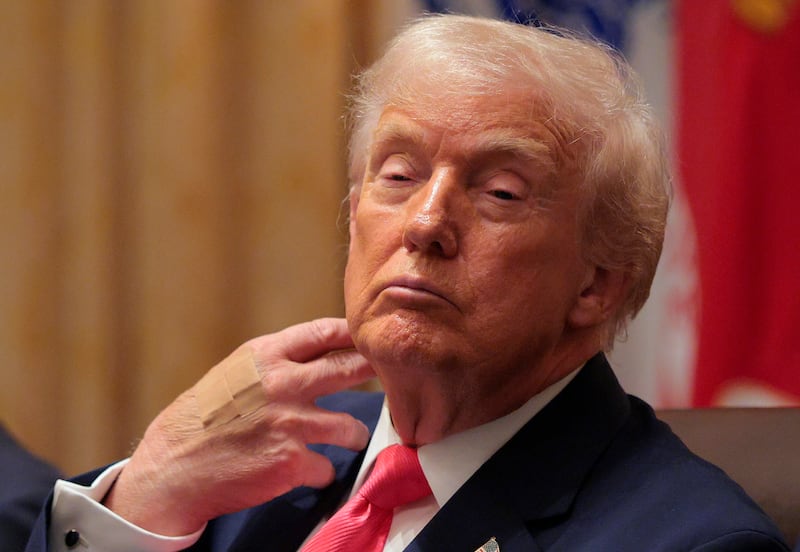

In December, the U.S. Supreme Court ruled in a 6-3 decision that Texas was allowed to use a GOP-friendly voting map in the 2026 midterm elections, appeasing the president’s desire for a Republican House majority via racial gerrymandering.
Texas’s midterm gerrymandering drama sparked a national push for redistricting outside of a Census year, leading Democratic California to win its own redistricting effort to combat the Republicans’.