This piece first ran on the Obsessed by Kevin Fallon Substack. Subscribe here to read more like it!
There was no other way to end The Kelly Clarkson Show. Obviously, she had to sing. A lot.
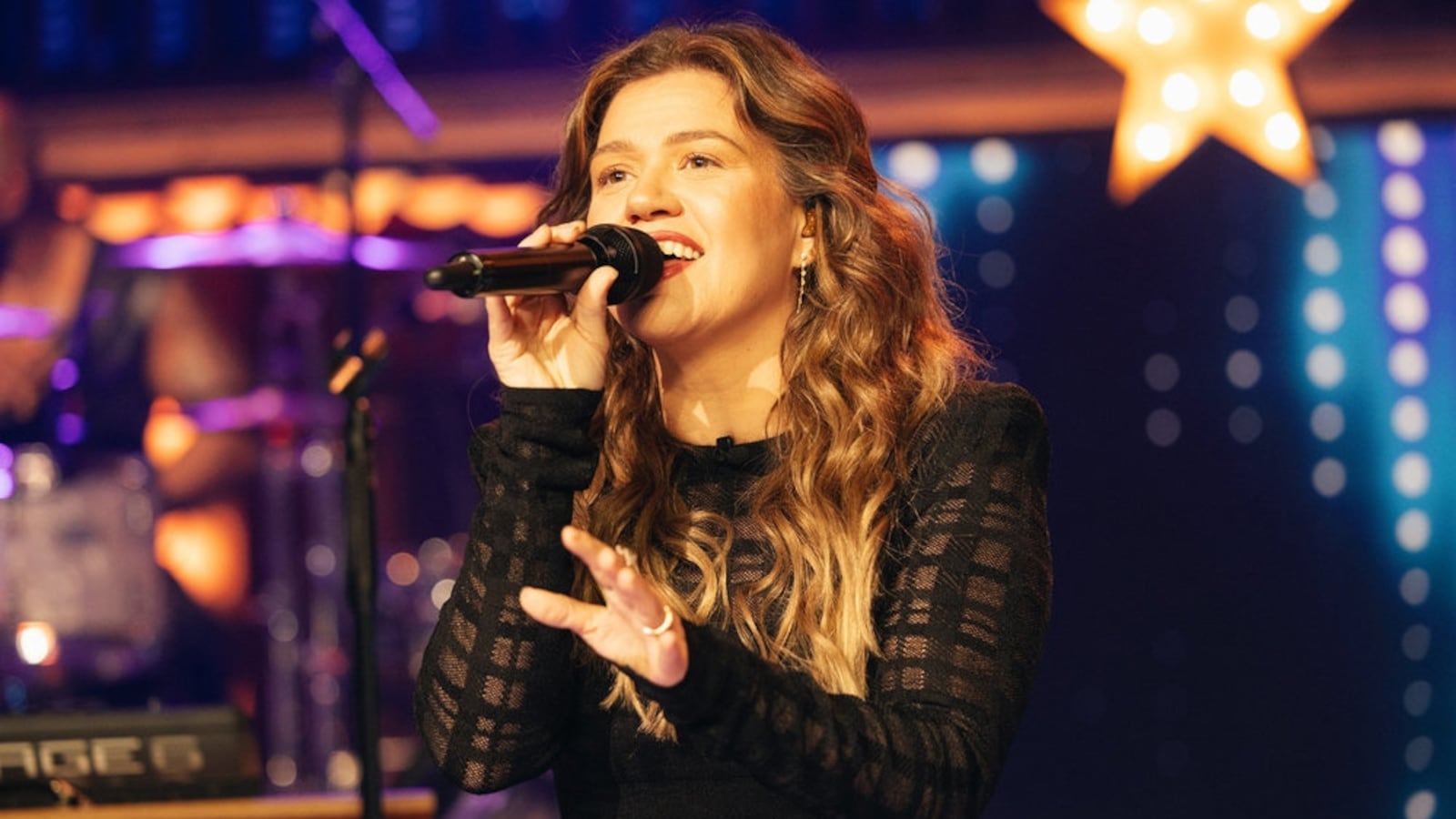
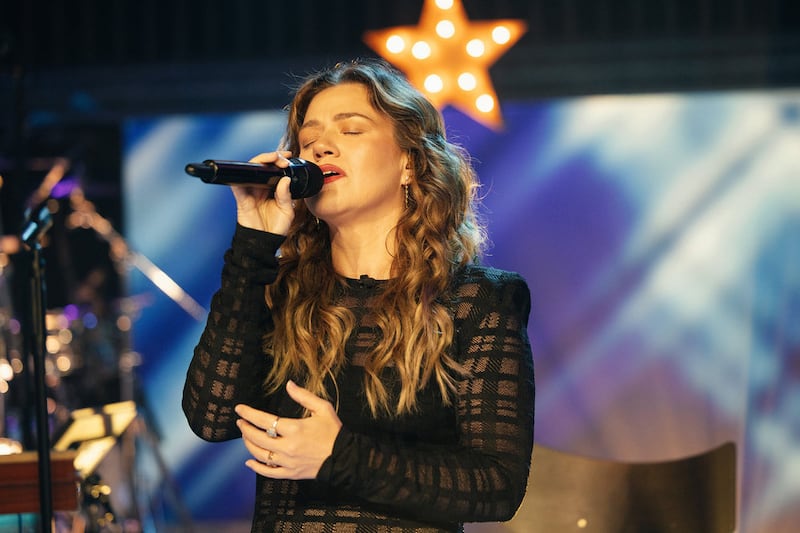
After seven seasons and 1,200 episodes, the series ended its blockbuster daytime TV run Monday by giving its fans exactly what they want: an hour of the Grammy-winning pop star performing a curated greatest hits set from her career, bookending her vocal gymnastic routines with candid stories behind each of the songs, some of the drama behind recording them, and how it feels singing them at this point in her life.
I was at the taping of the series finale, which essentially meant living out an elder millennial’s dream: attending a matinee Kelly Clarkson concert.
You know when any music star’s songs sound the best? In the early afternoon, when you can lose your mind jumping up and down while screaming along to the chorus of “Since U Been Gone” and then gorgeously venture back out in the world in time to grab a late lunch.
“You know that Kelly Clarkson would love every concert to start in the afternoon,” Alex Duda, the show’s executive producer and showrunner, told me, laughing.
Over its run, The Kelly Clarkson Show won 24 Daytime Emmy Awards. It’s up for 11 more this year. Once a lucrative pop-culture mainstay, the genre seemed to be gasping for air before the chart-topping artist revitalized it. The series also introduced a new side of Clarkson to audiences and fans, revealing the singer as a candid, adorably self-deprecating storyteller and earnest conversationalist, her gee-golly Texas enthusiasm inflecting her screen presence like some of her best vocal runs.
Debuting during the pandemic and, eventually, moving its production across the country from Los Angeles to New York City’s famed Rockefeller Center, the show became an unexpected daily salve, with Clarkson as a TV solar flare of warmth puncturing through the incessant fog of, for lack of a better way of putting it, the world’s bad vibes.
The country’s first—and best—American Idol became its Daytime TV Queen. I was there to see her abdicate the throne.
When I caught up with Duda several weeks after the finale taping, I had burning questions about the decision to end the show. Like, first of all, how dare you?
She laughed. “It’s hard to say goodbye to something that you love!” she said. “Our goal when we launched this was to try to make the world a little smaller. I feel good about what we were able to do when it came to that, through music and laughter.”
Clarkson moved the show from Los Angeles to New York in 2023, a desperate—and risky—decision made as she retreated from a tumultuous divorce and sought a healthier life for her two children, River and Remington. She craved being the joyful, ebullient TV host she needed to be, but finally, actually mean it. “I did a really good job of smiling and showing up for work and compartmentalizing my personal life for a few years,” she told me then. “Because I was really unhappy.”
Then last year, just as that smile returned, her ex-husband, Brandon Blackstock, died at age 48. “Stepping away from the daily schedule will allow me to prioritize my kids, which feels necessary and right for this next chapter of our lives,” Clarkson said in her announcement that The Kelly Clarkson Show was ending.
There were times during the talk show’s run when Clarkson was also a judge on The Voice, releasing new music, performing a Las Vegas residency, guest commentating at the Olympics, co-hosting a music competition series with Snoop Dogg, emceeing the lighting of the Rockefeller Christmas tree, launching a Sirius XM radio channel, and lending her voice to animated movies like Ugly Dolls and Trolls World Tour.
Lord knows the woman had too many jobs, I told Duda. But why did this have to be the one she gave up? “I know,” she laughed. “But as a mama, you can understand.”
It was a natural instinct for the series’ swan song to be a concert, Duda said. The episode was framed as “Kelly by Request.” Clarkson’s biggest fans and some of the, as the show called them, “Rad Humans” whose charity and otherwise selfless, heroic acts had been spotlighted over the years were invited to request their favorite songs from their catalog and their connection to the track. Clarkson shared her own memories and emotions about each song before absolutely annihilating it with her band, Y’All.
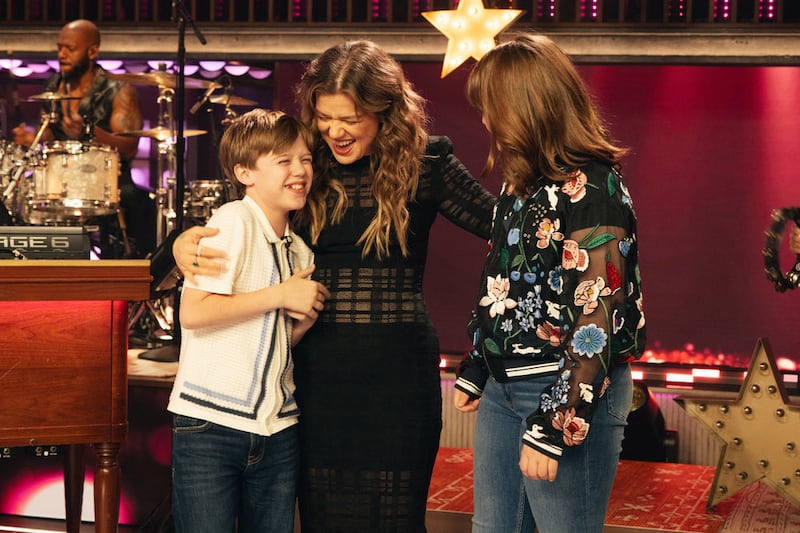
The episode, then, became a rousing greatest-hits concert, simultaneously a tribute to Clarkson’s career, her relationship to her fans, and, owing to an emotional appearance by her kids, family.
“Music was always our shortcut to connection,” Duda said. “It just felt like the final celebration belonged to the fans, because for seven seasons they were always telling us what they loved, what songs mattered, and what moments they wanted to see. We wanted them to have the mic.”
At the taping, curious who these superfans might be who joined the battalion of TV executives in the audience, I struck up a conversation with Jeremy and Pam, the man and woman sitting next to me. It turns out they were the co-hosts of a Kelly Clarkson podcast called, I kid you not, Miss Indepodcast, a play on Clarkson’s early-career hit single, “Miss Independent.”
Jeremy and Pam actually got to request two songs. The first, “Since U Been Gone,” coaxed Clarkson into telling a pretty dishy story about how she was essentially disrespected and tricked into recording the track, after being led to believe that she was being brought in to write her own lyrics to it. The experience left a bad taste in her mouth, which she’s overcome over the years by seeing just how much fans love the song. As proof, I’m fairly sure at some point during the bridge, Clarkson’s belting amplified by the audience’s scream-a-long led to the Rockefeller roof being blasted off.
Later in the episode, Jeremy requested “Piece by Piece,” a devastating song Clarkson wrote about the struggle to heal after being abandoned by her father and learning, as a parent herself, what healthy love and fatherhood could possibly be. Jeremy had lost his mother and found it difficult to listen to the song without breaking down, mirroring Clarkson’s own appearance during attempts to sing it live.
Maybe, they posited, after trading tearful anecdotes about their experiences, they could get through this performance together. Next to Jeremy, you may see me desperately trying to lean out of the frame of the camera as I hurriedly wiped my eyes. The Kelly Clarkson Show finale! An emotional roller coaster!
The only song Clarkson performed during the episode that wasn’t from her own catalog put punctuation on the massive success of the show’s “Kellyoke” segment.
Throughout the series, Clarkson performed over 800 covers of other artists’ hits, sometimes reinterpreting them and, more often, outsinging the original vocals. As the segments routinely went viral, fans cheekily joked that artists quivered in fear of Clarkson performing their songs better than they did, which host Trevor Noah even joked about at the 2024 Grammys. In reality, artists like Céline Dion and Coldplay posted on social media how honored they were to be covered by Clarkson.
The final Kellyoke was the most-requested song ever on the show, which Clarkson had clearly been saving for a special occasion: “Golden” by HUNTR/X from the movie KPop Demon Hunters. It was a beast, requiring Clarkson to hit high notes that seemed to exist in the stratosphere. As X users marveled when the performance was released on social media, Clarkson sang the song in the original key—something that not even the original vocalist can still do.
Celebrating the end of The Kelly Clarkson’s Show run, which is wrapping on Clarkson’s terms rather than being taken off air because of ratings woes, it’s funny to recall that, seven years ago, Clarkson was considered a risk as a daytime host. There is an entire graveyard of celebrities whose talk shows failed. Why would this singer be an exception?
“The first time I met Kelly, I knew this would be special. We all knew,” Duda said, recalling her first time pitching the series to Clarkson. “We walked out of there and were walking down Jimmy Stewart Boulevard, and we were walking on sunshine. She just felt like the real deal. We’d get in the room with her, and she changes the chemistry. We knew if we could just capture that and put that on TV, then we could make everybody’s day a little better. And they could go walking down the street walking on sunshine.”
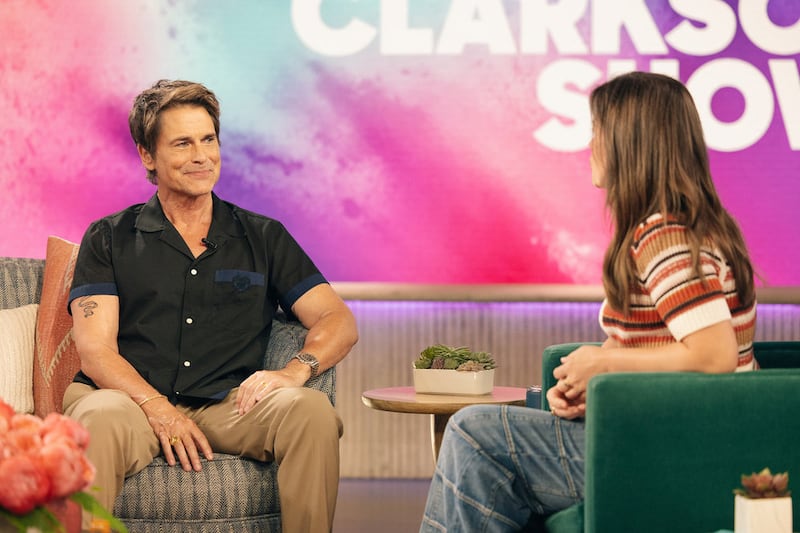
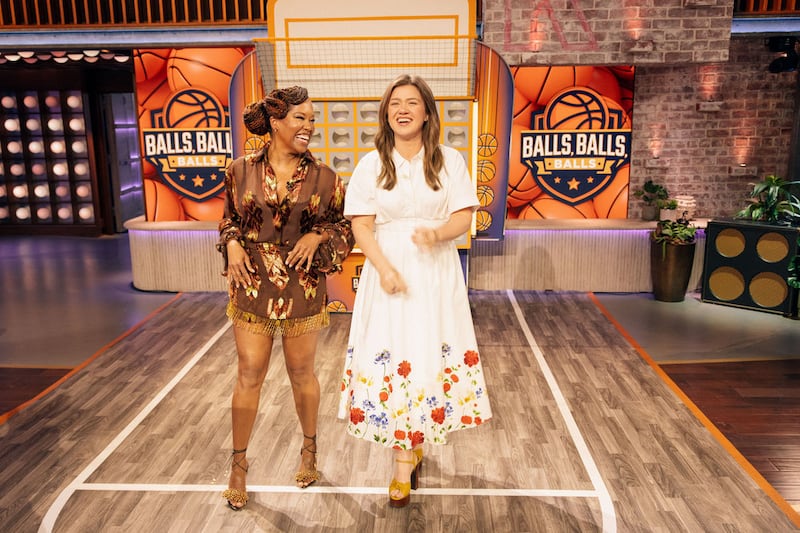
It wasn’t rare for celebrity guests to collapse into giggle fits, or for a blushing Clarkson to get up and take a lap around her chair after being overwhelmed by a gaffe she made during an interview. The everyday people who’d appear on the show would sit next to A-listers on the couch, at ease and disarmed by Clarkson’s ability to facilitate connection.
“Kelly was always the first to say she’s not Barbara Walters,” Duda said. “She’s a conversationalist, so we tried to make an environment where that conversation could happen easily.”
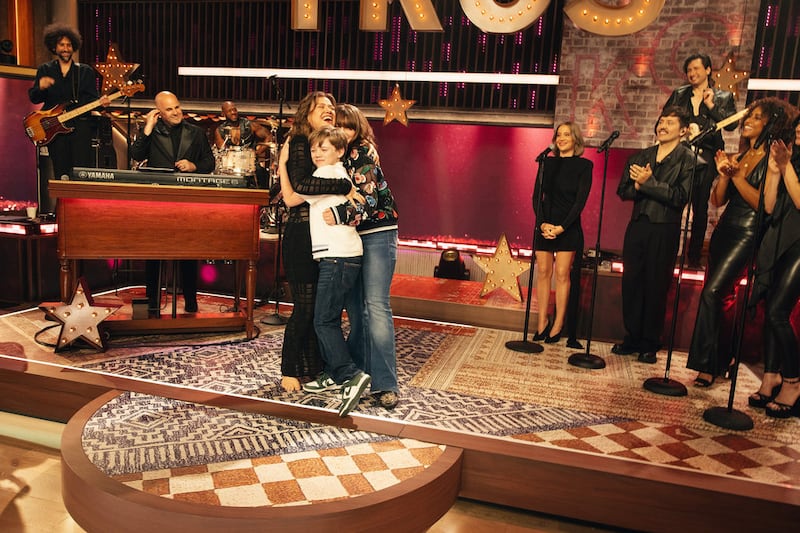
One of the last moments of the series is given to Clarkson’s daughter, River, when she and her brother join their mom onstage for the final goodbye. Asked what their favorite memory of the series has been, River looks at Clarkson and says, “Watching you shine.”
Clarkson and the show’s staff had largely managed to keep it together throughout the taping, but not after that. It was fitting, though. What’s a farewell without some waterworks?