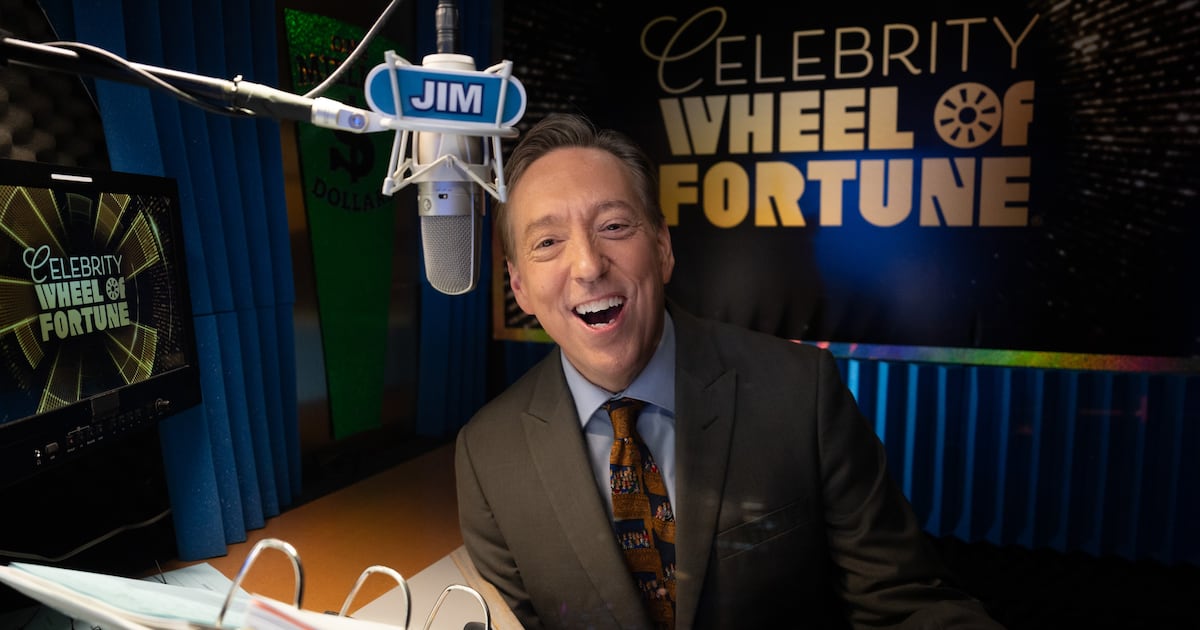
Saturday Night Live star James Austin Johnson revealed the biggest challenges he faced as he took over Alec Baldwin’s role as President Donald Trump.
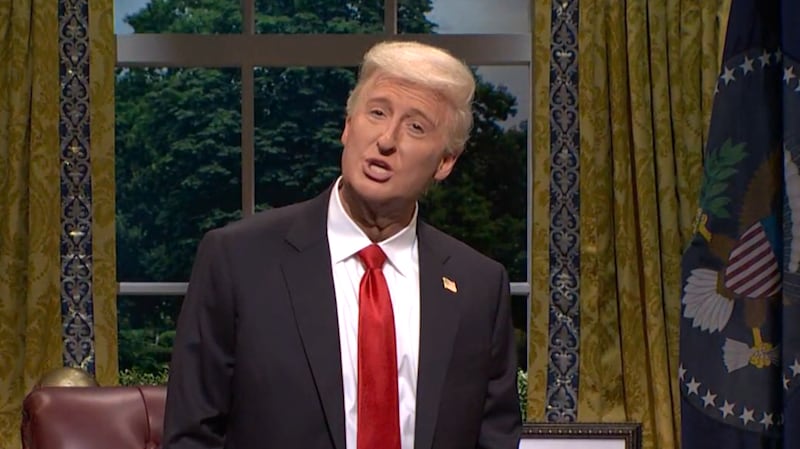
Johnson has been the show’s go-to guy to portray Trump ever since he joined the sketch comedy series as a cast member in fall 2021. Before him, the role had been played for five seasons by frequent SNL host Alec Baldwin.
Johnson spoke at a five-person panel at the premiere of the new feature documentary Playing POTUS. The documentary covers the history of American presidential impersonations, focusing heavily on SNL’s impact on U.S. politics from the Gerald Ford era onward.
Johnson was joined on stage by former SNL writer Jim Downey, Triumph the Insult Comic Dog performer Robert Smigel, and Playing POTUS director Josh Greenbaum.
Johnson explained that one of the biggest obstacles to creating a memorable Trump impression was that, by 2021, many Americans had grown sick of the guy.

“I get why people hate him so much that they don’t even want to think about the normal things that an actor would think about to get into a character,” Johnson said.
He added, “I think that’s definitely made it hard for people to find the way in with Donald Trump. And he’s also been around for a billion years.”

This was part of why Johnson took a different approach to Trump than Baldwin. Whereas the 30 Rock star’s impression was mean and openly aggressive, Johnson’s parody of Trump is a bit more subtle.
“I think I play his charm a little bit more maybe than Alec did,” Johnson said. “I think I play the secret weapon that [Trump]’s deployed, which is that he’s funny, intentionally and unintentionally… That’s not really something I’m looking for when it’s time to vote for somebody, but it’s been extremely powerful.”
Another key to capturing Trump, Johnson explained, is that he plays the president as a guy who “never finishes a thought.”

Johnson performed several riffs of his version of Trump for the Tribeca Film Festival audience, emphasizing how he depicts the president’s infamous tendency to ramble.
Johnson revealed he often improvises his Trump impression in the live show, although he tries not to do it too much, as it risks having later sketches cut from the episode.
“It wouldn’t feel like Trump if there wasn’t this queasy feeling in the audience of, ‘What is he going to say? Is he going to say something crazy?’” Johnson said.
He continued, “So I have to improvise for the character, to kind of come alive, so I’m throwing in stuff.”
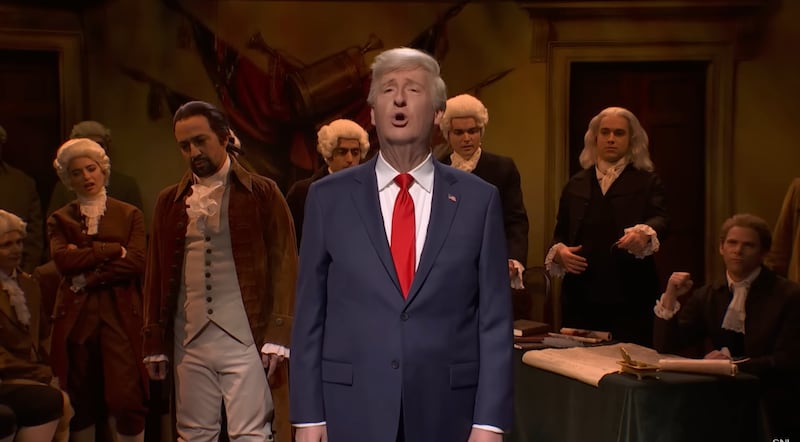
Johnson particularly leaned on improv in the cold opens where Trump rambles while the rest of the cast stays frozen in place behind him.
“I’m doing stuff that’s not on the cards because I want Mikey Day or Marcelo [Hernandez] to giggle,” Johnson said.
Later in the panel, an audience member asked Johnson if he ever feels afraid of receiving any backlash from the president.
“Am I fearful of the crazy person who wields the military and all that stuff all the time, that seems to target individuals? Yeah,” said Johnson, although he noted that Trump has so far seemed too hung up on Baldwin’s impression to direct his anger at Johnson’s new portrayal.
Johnson explained further, “I’m doing a version of [Trump] that I feel is sustainable, because I do think that there is a little bit of a game of Operation that all of comedy is playing right now. And I just don’t think we’ve seen a president who’s so willing to target private citizens and ruin their lives.”

Playing POTUS premieres two weeks after The Late Show with Stephen Colbert, briefly featured in the film, aired its final episode. Although Colbert’s show was officially canceled for financial reasons, critics have speculated that pressure from the Trump administration may have played a role in CBS’s decision.
The documentary also included interviews with Jimmy Kimmel and Seth Meyers, both of whom expressed concerns that Trump might successfully get their shows taken off the air one day.
The documentary also drew a heavy contrast between how former presidents responded to SNL impressions and how Trump has responded throughout the past decade.
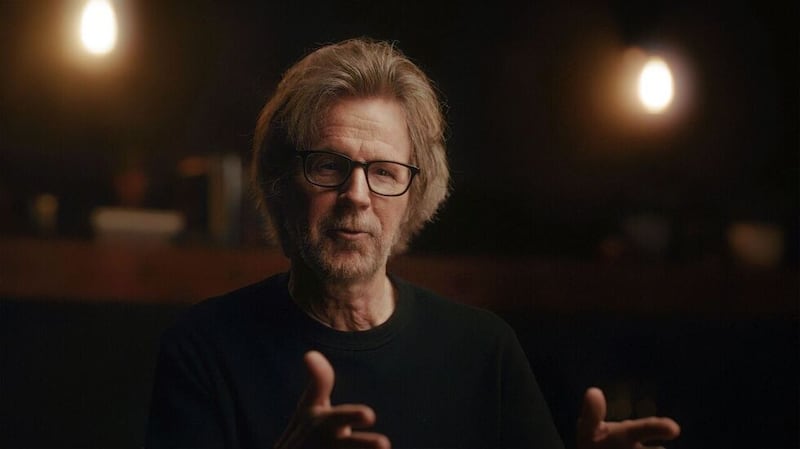
In the after-show panel, meanwhile, veteran SNL writer Jim Downey noted a difference between how SNL first approached political content and how it approaches it today.
“Sometimes I thought we did a little too much political stuff on the show,” Downey said. He noted that in the 1970s the cold opens were political “about a third of the time at most,” but things shifted in the mid-1980s.

“It was after we started to get a lot of attention for the politics in the mid-’80s that Lorne [Michaels] felt it was almost like we were a daily newspaper, and we had an obligation to the public to put something political up front,” Downey said.
Smigel declared that he doesn’t mind the show’s growing political focus. In fact, he argued that the show might not be political enough.
“It feels like there are a lot of people that people have opinions about that the show is not getting to,” Smigel said. He cited Jeff Bezos as someone he’d like SNL to throw more shots at.
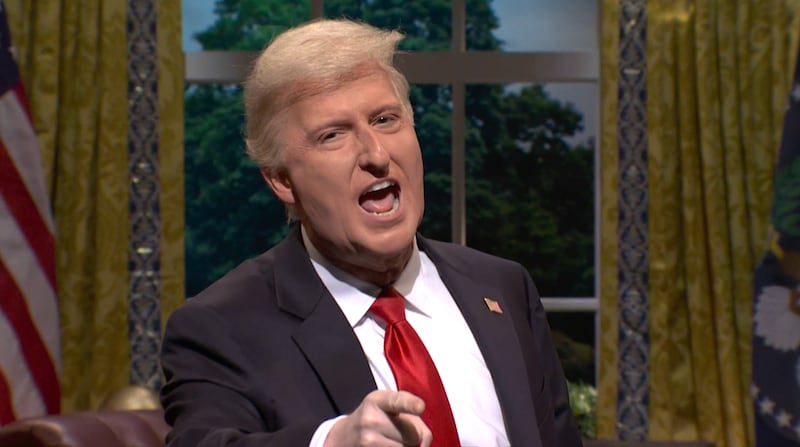
Johnson also noted another major challenge that comes with playing the president: Trump has so many controversies that the show’s cold opens keep needing to be rewritten at the last minute.
“There’s tons of new bulls--- every day,” Johnson said. “You can’t follow a single story ever. It all expires immediately and turns over.”

Johnson continued, “If [Trump] has a crazy State of the Union on Wednesday that we have written, he will say something much crazier Saturday morning. Or a guy will faint in his office, and he just kind of looks over at a guy dying two feet from him.”
Johnson lamented, “I was really excited about that State of the Union [sketch]. I really wanted to do that.”