
Between theatrical and streaming, there were upwards of 500 new movies released this year, and though a select few clearly set themselves apart—notably, those on our Best Films of 2025 list—it’s no surprise that, when it came to widespread public attention, more than a few gems fell through the cracks.
From eclectic American indies to audacious imports, there were dramas, thrillers, family-friendly fantasies, and documentaries deserving of greater consideration. Embracing traditional genres while pushing boundaries, they found new ways to deliver electric kicks, all without the massive budgets and star-studded casts that their more critically hailed brethren boasted. They were the little engines that could, and if they failed to make a huge dent in an overcrowded marketplace, they nonetheless left a mark on those who saw them, reminding cinephiles that the fringes are often where the true discoveries reside.
For those willing to look beyond the multiplex’s mainstream offerings, Spielberg-ian flights of fancy, wrenching social-realist tales of woe, timely non-fiction epics, and nerve-rattling horror shows awaited. Of those underseen affairs, these were the cream of the crop—our picks for the best films you probably missed (but shouldn’t have) in 2025.
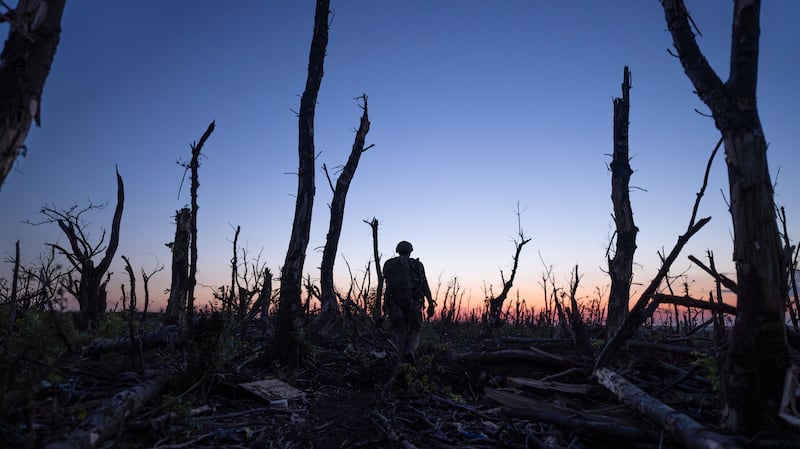
Good luck finding a more white-knuckle documentary than Mstyslav Chernov’s 2000 Meters to Andriivka, a follow-up to his Oscar-winning 20 Days in Mariupol that provides a first-person view of a Ukrainian battalion’s blistering step-by-step effort to liberate a town from Russian forces during the country’s 2023 counteroffensive. Edge-of-your-seat intense and heartbreakingly tragic, it’s a non-fiction action film of the most harrowing order.
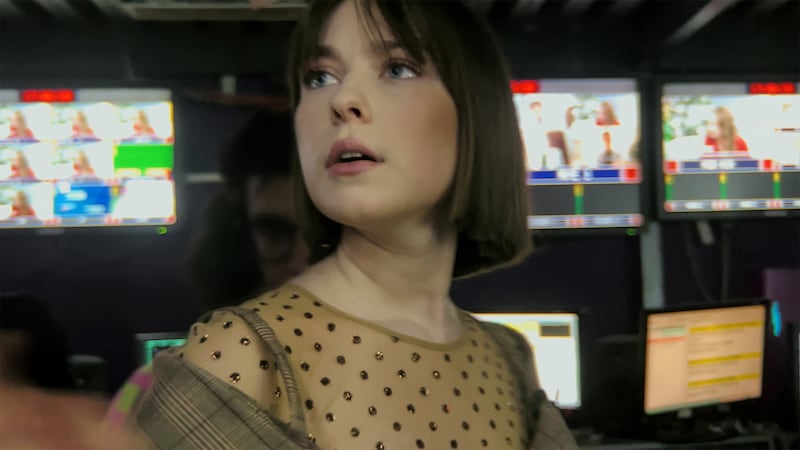
Romanian auteur Radu Jude is cinema’s wildest trailblazer. In 2025, he premiered two films: the bonkers AI-satirizing Dracula and this inquiry into his homeland’s various crises, which uses Roberto Rossellini’s Europe ’51 as inspiration for a tale about a bailiff coping with guilt over the suicide of a squatter. Tackling various of-the-moment topics with wry incisiveness, and refusing to proffer comforting answers to its thorny questions, it’s a profoundly sad (and often funny) portrait of moral confusion and despair.
Vulcanizadora
Joel Potrykus’ Vulcanizadora begins as a mysterious drama about two friends playing childish games in the middle of the woods. The ultimate nature of their outing, however, is so dark and desolate as to shock the senses, and that revelation stands as one of 2025’s most unforgettable big-screen moments. From there, this daringly unconventional indie grows even bleaker, proving a vision of misery and hopelessness that’s impossible to shake.
My Undesirable Friends: Part I—Last Air in Moscow
Set during 2021-2022 as Vladimir Putin tightened his grip on Russia and began his invasion of Ukraine, Julia Loktev’s My Undesirable Friends: Part I—Last Air in Moscow is a riveting and terrifying snapshot of authoritarianism on the march, focusing on a collection of female journalists as they struggle against seemingly insurmountable odds to keep the truth alive. At a whopping five hours and 24 minutes, it’s a considerable commitment—and one well worth your time.
Hélène Cattet and Bruno Forzani are dazzling remix artists, taking apart genre movies and putting them back together as hypnotic avant-garde head trips, and with Reflection in a Dead Diamond, they distill swinging ’60s spy films to their pure, intoxicating essence. A sea of sound and images to drown in, this reconstructive work is a pure hyper-sexualized and violent delight that’s like every great James Bond adventure rolled into one.
A noir-y thriller that shines a light on a novel corner of the modern world, David Mackenzie’s Relay concerns a man (Riz Ahmed) who acts as an intermediary for those who’ve seen (or done) disconcerting things at their jobs and need help extricating themselves from difficult messes. Tasked with brokering a deal between a whistleblower (Lily James) and her corporate bosses, the film is a unique cloak-and-dagger saga that boasts a scintillating ’70s American cinema vibe and more than a few unexpected tricks up its sleeve.
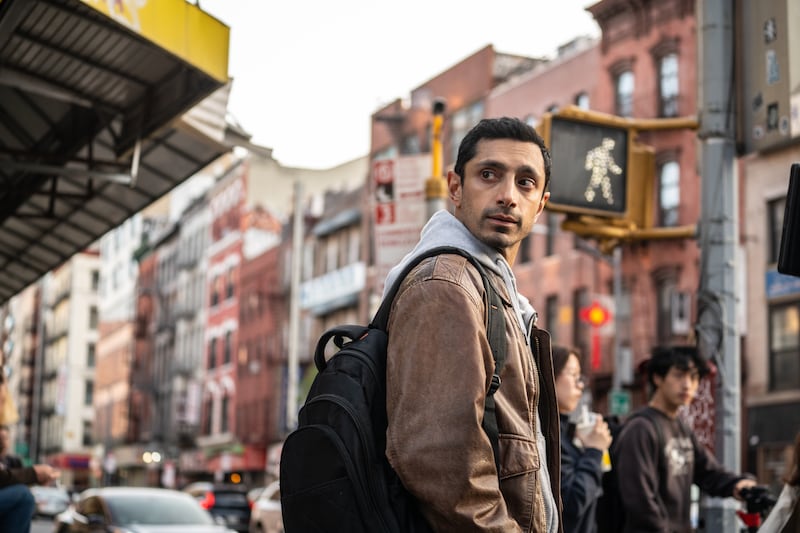
An English teacher embarks on a vengeful mission in The Things That Kill, whose lineage can be traced back to the works of David Fincher and David Lynch, and yet whose psychological intensity is all its own. Iranian director Alireza Khatami’s third feature is a descent into the shadowy recesses of its protagonist’s mind, plumbing issues of guilt, revenge, and paternal abuse with a razor-sharp rigorousness and an atmosphere of consuming dread.
On Becoming a Guinea Fowl
For her long-awaited follow-up to 2017’s I Am Not a Witch, Zambian-Welsh writer/director Rungano Nyoni crafts a distinctive and sneakily affecting black comedy with On Becoming a Guinea Fowl, the story of a woman (a great Susan Chandry) who, upon discovering her uncle’s dead body on the side of the road, exposes a familial history of sexual abuse. Alternately realistic and dreamy, funny and sorrowful, the filmmaker’s assured latest is both an anguished lament and a rousing call to arms.
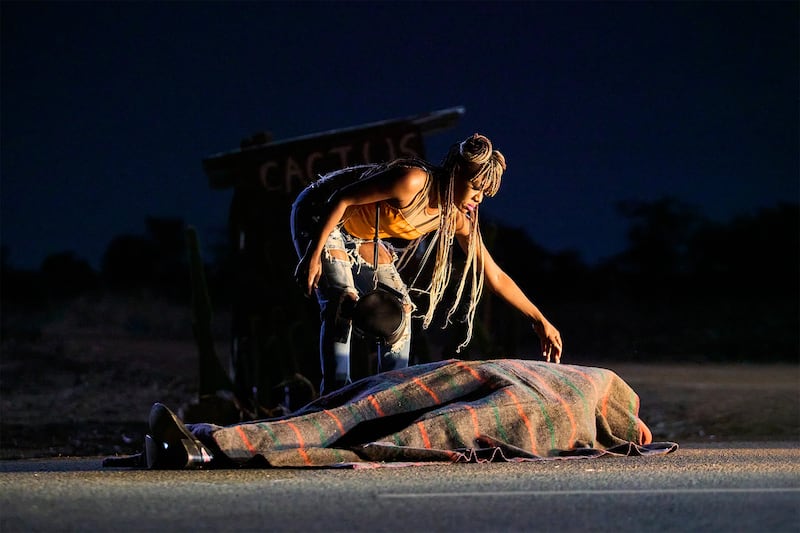
Joshua Erkman’s directorial debut traverses the tattered edges of contemporary society, where the deviant roam and the rules no longer apply. Generating intense unease from the odyssey of an amateur photographer on a nostalgic road trip through Arizona ghost towns, this self-reflexive nightmare is about cinema, the perils of deliberately getting “lost,” and the ancient evils that stalk the Earth, energized by Zachary Ray Sherman’s skin-crawling performance as a stranger with malevolent motives.
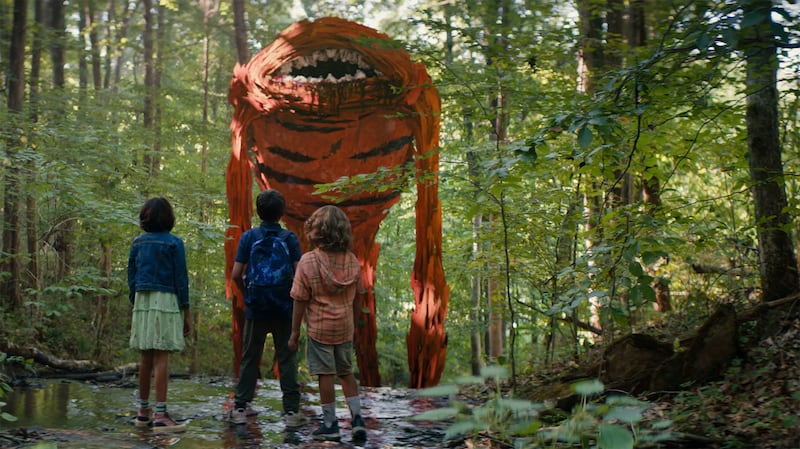
It doesn’t take a billion dollars to make a throwback to ’80s Amblin Entertainment blockbusters, as evidenced by Sketch, an imaginative children’s fable about a young girl whose notebook drawings—courtesy of a magic pond—come to gargantuan, rampaging life. With Tony Hale and D’Arcy Carden as the adults trying to control this supernatural situation, writer/director/editor Seth Worley’s directorial debut concocts one giddy set piece after another, all of them enlivened by a superb pre-teen cast.
Caught between verité authenticity and unholy unreality, Dea Kulumbegashvili’s bracing April is about an OB-GYN (Ia Sukhitashvili) whose valiant and dangerous attempts to help women in need result in only pain, suffering, and misfortune. Misogyny reigns supreme in this unforgiving landscape, with male oppression felt in every nook and cranny of the Georgian writer/director’s frame, and female agency thwarted by callous forces of a political, personal, and primal nature.
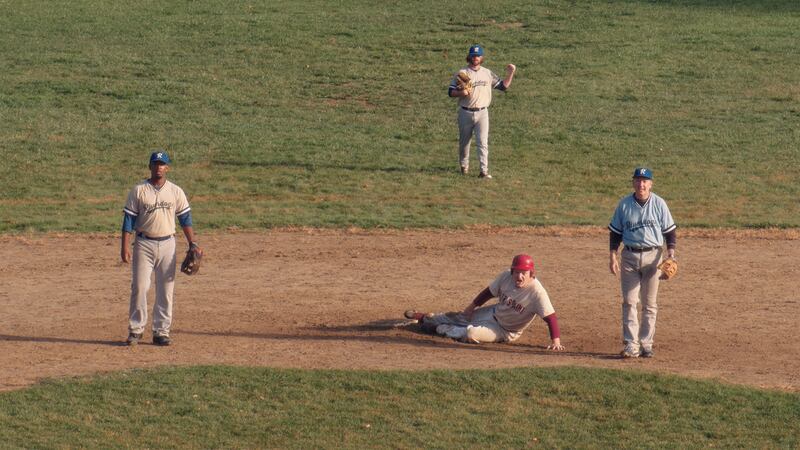
On a crisp mid-’90s New England day, a motley crew of rec league ballplayers gather for a final game at local Soldier’s Field, an air of melancholic finality hovering over the proceedings. Carson Lund’s ragamuffin first feature cares more about the feel and sound of its milieu and the goofy interactions of its players than about balls-and-strikes action. Its off-the-cuff rhythm and laid-back humor are so endearing that it makes one want to don a glove, strap on a pair of cleats, and enjoy an easygoing afternoon on the diamond with friends.