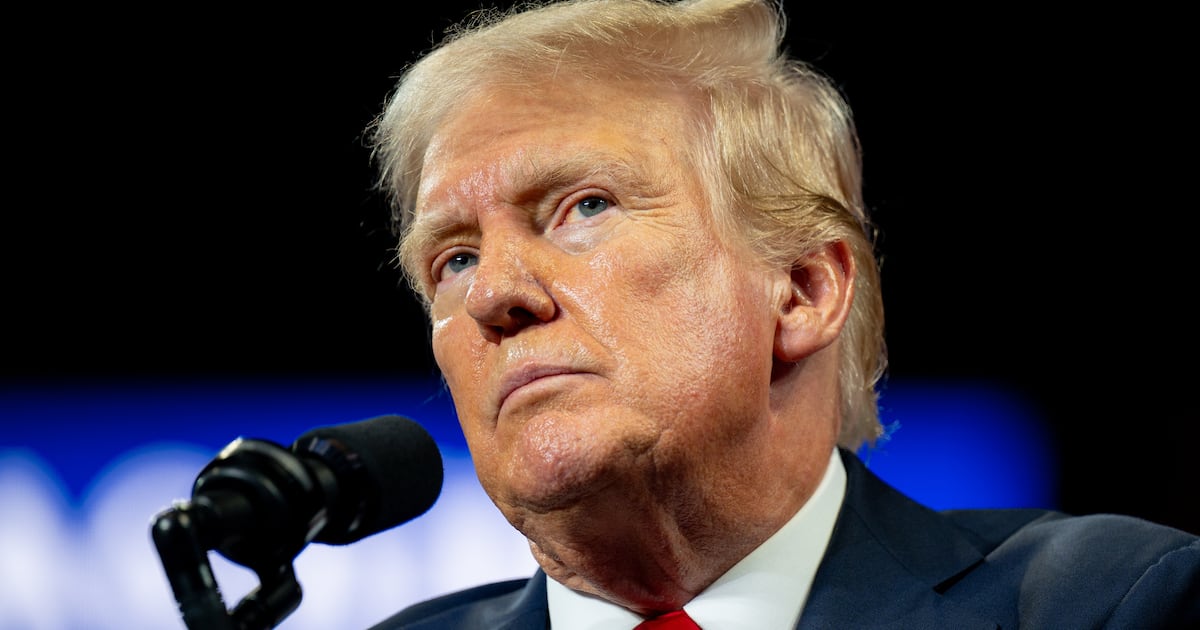

Under-pressure Vladimir Putin may launch a desperate attack on a NATO country, according to new intelligence reports.
U.S. intelligence had been under the impression that the Russian president wouldn’t launch an attack on any NATO member states while he was also at war with Ukraine.
The new report, however, raises the possibility of either a cyberattack or a small-scale ground incursion on NATO’s eastern border to test the alliance’s resolve. It says the window for an attack is between fall this year and 2029.

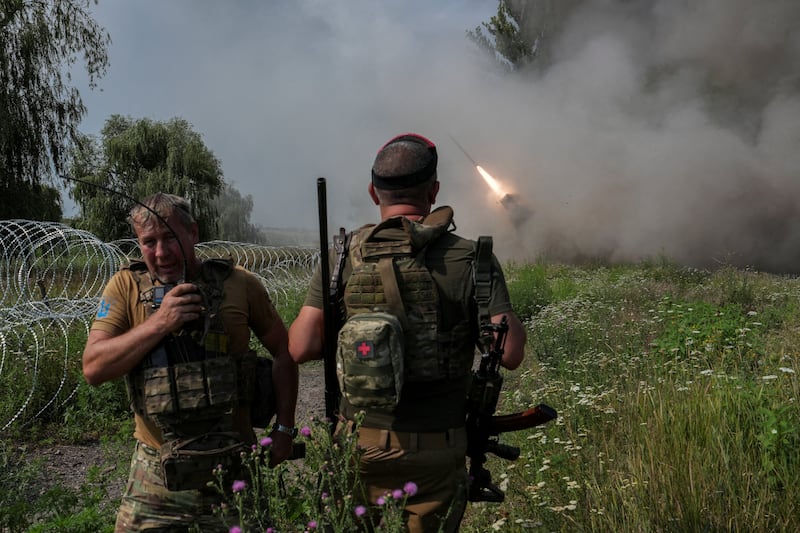
U.S. officials who spoke to the Wall Street Journal said the belief that Putin may consider an attack grew earlier this year, as he comes under increasing pressure at home to secure a victory in Ukraine,
That war is now well into its fifth year, but the frontline has become increasingly static. Moscow’s casualties are mounting, and Ukraine has stepped up a stunning blitz campaign inside Russia.
There have already been signs that the Kremlin is feeling bullish.
Several incidents have taken place at energy and logistics hubs, stray drones and rockets have miraculously found their way into Poland and Romania, and mysterious arson attacks have taken place across the continent.
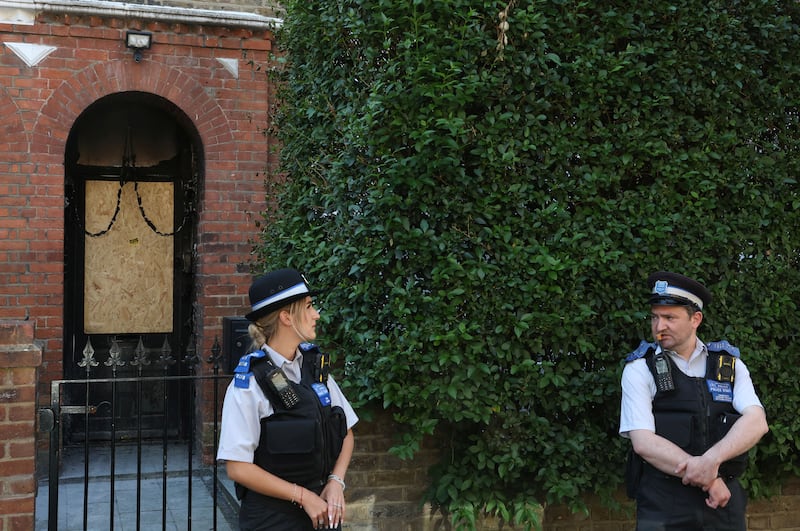
During the summer, the BBC revealed that an arson attack on a car outside a north London house connected to then British Prime Minister Sir Keir Starmer had been ordered by Moscow.
In June, Ukrainian Roman Lavrynovych, 22, was sentenced to seven years behind bars, and Romanian Stanislav Carpiuc, 27, who was born in Ukraine, was given two.
The men had been handled by a mysterious actor known as EL. They promised them Russian citizenship, glorified Putin, and after the fire at Starmer’s home, sent a message saying, “Look, you attacked the home of a very high-ranking person in Britain. I’ll send you money, you need to leave the city.”
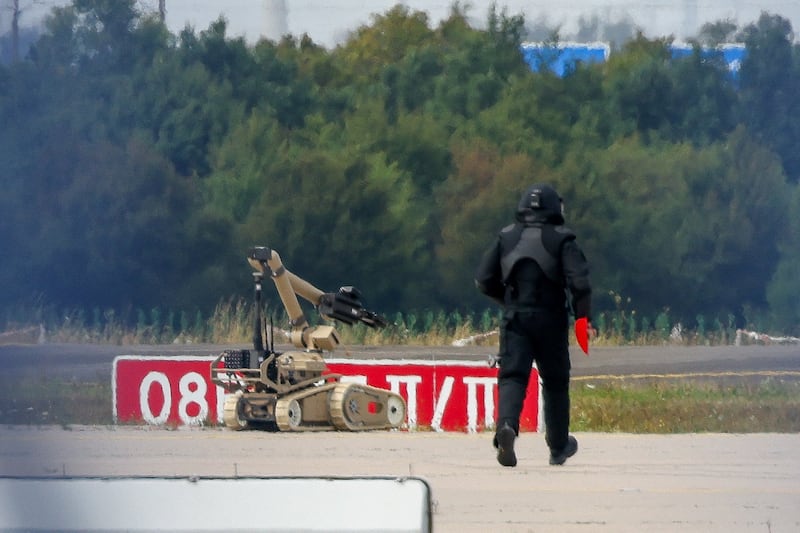
This week, in Germany, a DHL cargo plane taking off from Leipzig/Halles airport was forced to make an emergency landing in Hanover after colliding with an unidentified object.
Authorities found a drone carrying explosives at the airport, near where Ukraine’s Antonov Airlines’ planes are based.
At the start of July, the Center for Strategic and International Studies reported that 450,000 Russian troops had died since the war began in 2022, while Medizona and the BBC Russian Service had confirmed the names of 236,066 known to have been killed.
Meanwhile, everyday Russians are seeing the war come to them. After four years of the conflict being in a distant land, Kyiv is now orchestrating coordinated drone attacks deep inside Russian territory, striking at oil refineries and logistics hubs.
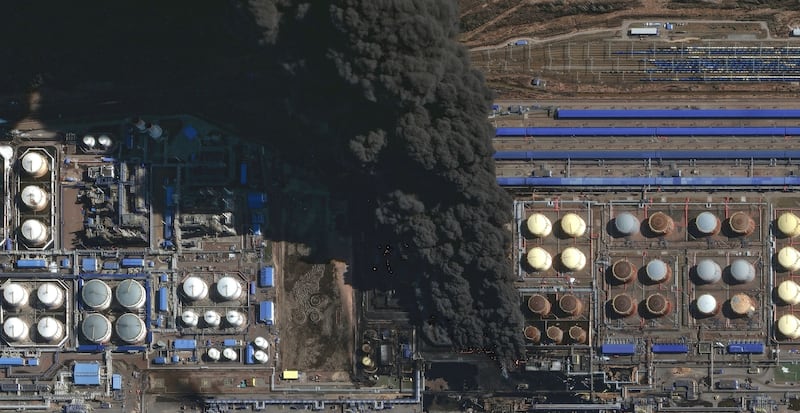
The fear the U.S. now has is whether Putin becomes more dangerous when his back is against the wall, and whether that will manifest in more attacks on Europe, the sources told the Journal.
Putin has mastered the art of pushing boundaries. In 2014, soldiers in unmarked uniforms who came to be known as ‘little green men’ appeared in the Crimean peninsula. They took over key government buildings and paved the way for the annexation of the Ukrainian territory. It was the first major act of the war that is still raging.
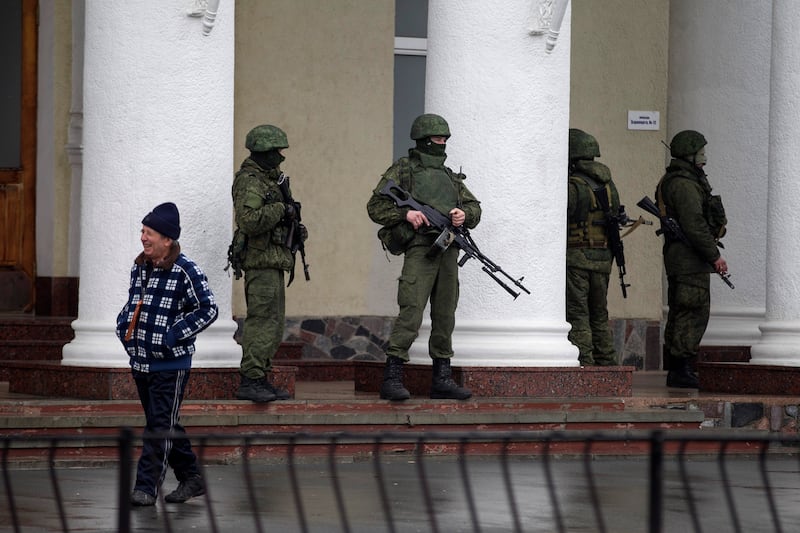
A repeat of that play is not beyond the realm of possibility, the report suggests. The officials who had seen it told the Journal that the likelihood of a limited incursion into NATO territory increases as time goes on.
“We are always thinking through and preparing for any number of scenarios. NATO is watching and we are ready to deter and defend as necessary, which we continue to demonstrate,” NATO spokesperson Col. Martin O’Donnell told the Journal.