Vladimir Putin’s army recruitment drive has taken a dark turn, according to watchdogs.
Russian losses on the front line have been intensifying, with an estimated 30,000-40,000 troops dying every month. The tide of the Ukraine war appeared to turn in May, with Ukraine’s Defense Forces carrying out more offensive and counterattacking actions than Russian troops during a 24-hour period.

Russian forces suffered 42,860 casualties in July alone, the highest monthly toll reported so far this year, according to the Ukrainian General Staff.
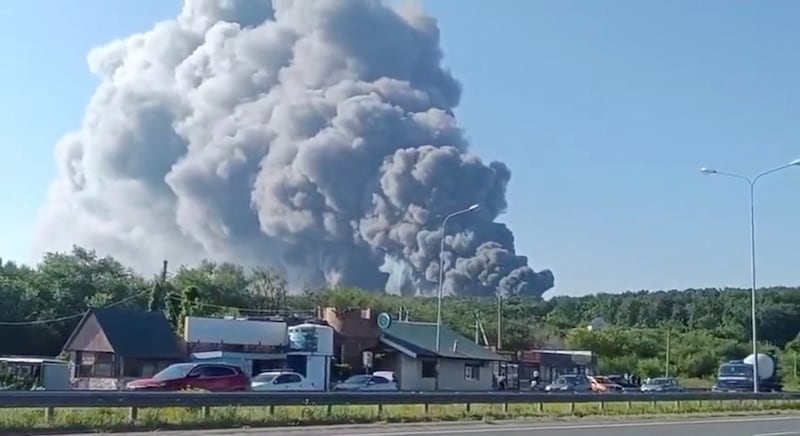
As a result, Russian men have been even more reluctant to join the military. A panicked Putin has overseen a plan to force them to go. “Authorities have switched to a method of violence, when they catch men and send them off,” Artyom Klyga, a lawyer for the victims, told The Wall Street Journal.
Authorities are using dirty tricks to get military-aged men to sign up. One method is detaining people on the streets, taking them to recruitment offices, and strong-arming them into signing up. Watchdogs and witnesses said some men are even beaten until they agree.
“Just as many people have to somehow be brought into service, and the fewer there are who are ready to sign a contract, the more pressure they have to use,” Grigory Sverdlin, the founder of the antiwar nongovernmental organization Get Lost, told the Journal.
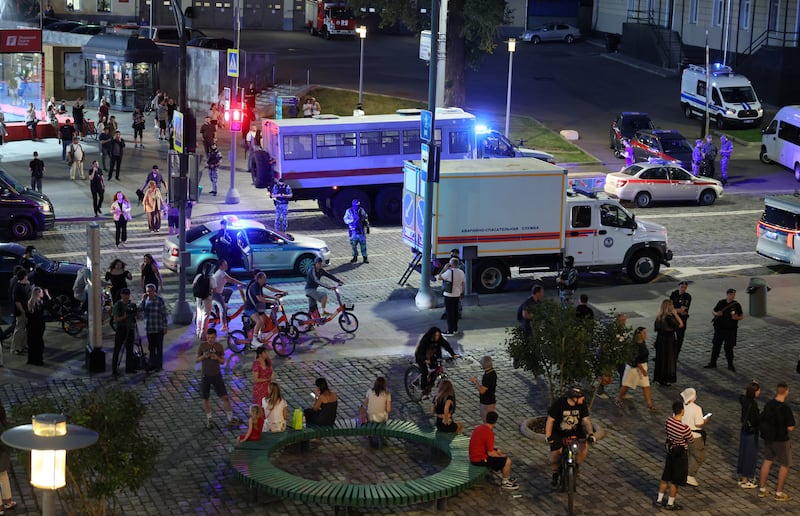
Authorities had already tried throwing money at the recruitment problem, offering large windfalls to men willing to go to the front. But Ukraine’s rally, as well as dark tales of abuse within the Russian ranks, has dissuaded potential fighters.
In some places, law-enforcement officials are working with recruitment officers to entrap their victims, insiders told the Journal.
Vladislav Leonidov, from the southwestern region of Penza, said he witnessed one such trap. He was at a police station when he saw a man he knew who had gone missing.
The man was scooped up by cops and told they needed to check his details at the office. When he got there, he was met by military recruiters who beat him then ferried him away to a recruitment office, Leonidov told the Journal.
He was able to intervene during the man’s medical exam and get him released, he told the newspaper. “If we had come two hours later, he would have already been taken away,” Leonidov said. “They move very quickly.”
Locals in Penza have revolted against the recruitment drive. “They beat you, they forced you!” a woman is seen shouting in one video of a forced recruitment exercise that went viral on social media. However, the Penza branch of the Interior Ministry denied anything fishy was taking place.
It also threatened “legal consequences” against “those spreading false information.”
“They haven’t forbidden me from continuing, but they’ve made it clear it’s in my best interests not to,” blogger Stanislav Morozov, who made a documentary about the forced conscription, told the Journal of an investigation into him by the Federal Security Service.
He claimed that officers have another grim technique to get more sign-ups. They threaten to arrest people and plant drugs on them if they refuse to put pen to paper, he said.
Another campaign has been spotted around Penza and other regions. Posters have been scattered around residential buildings offering residents around $1,300 to “bring a friend” to registration centers.
Experts suggest these methods have been signed off by the Kremlin and the Defense Ministry.
However, the strong-handed approach has not resulted in a noticeable bump in numbers on the front. U.S. officials have suggested that the Kremlin could still roll out another round of forced mobilization.
This could spell trouble for Putin, too. “As soon as I’m given a weapon, I will shoot those who mobilized me,” Russian reserve officer Dmitry Rogin told the Journal.
Russians are already unhappy, with a financial crisis growing as a result of Ukraine’s counter-offensive. A Financial Times analysis highlighted the growing impact of the punishing months-long Ukrainian drone campaign targeting critical Russian oil infrastructure and logistics hubs, reporting that oil and natural gas production capacity has been hit by 35 to 40 percent, pushing Russia toward its worst energy crisis since the collapse of the Soviet Union.
Residents of the Siberian city of Tyumen told independent outlet Meduza that they are being ignored as their city faced an “apocalypse” of polluted water, with residents falling ill and too afraid to bathe, shower, or wash food.
“All the financing is going towards those three famous letters,” one resident told the outlet, referring to the Kremlin’s term for the war in Ukraine: the SVO, or “special military operation.”