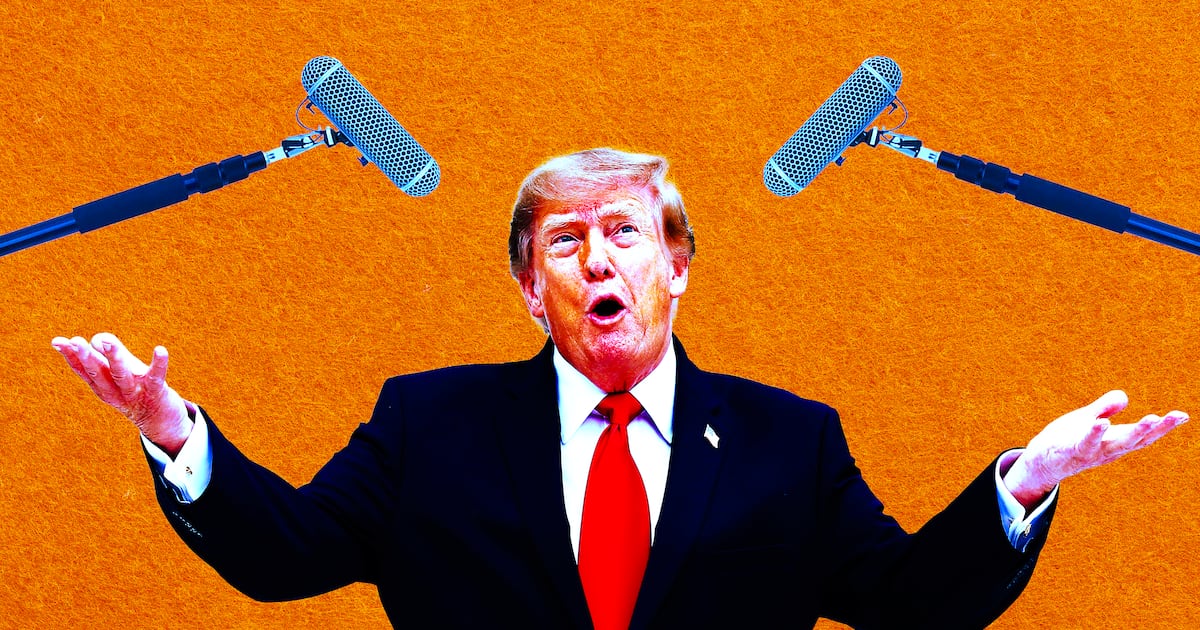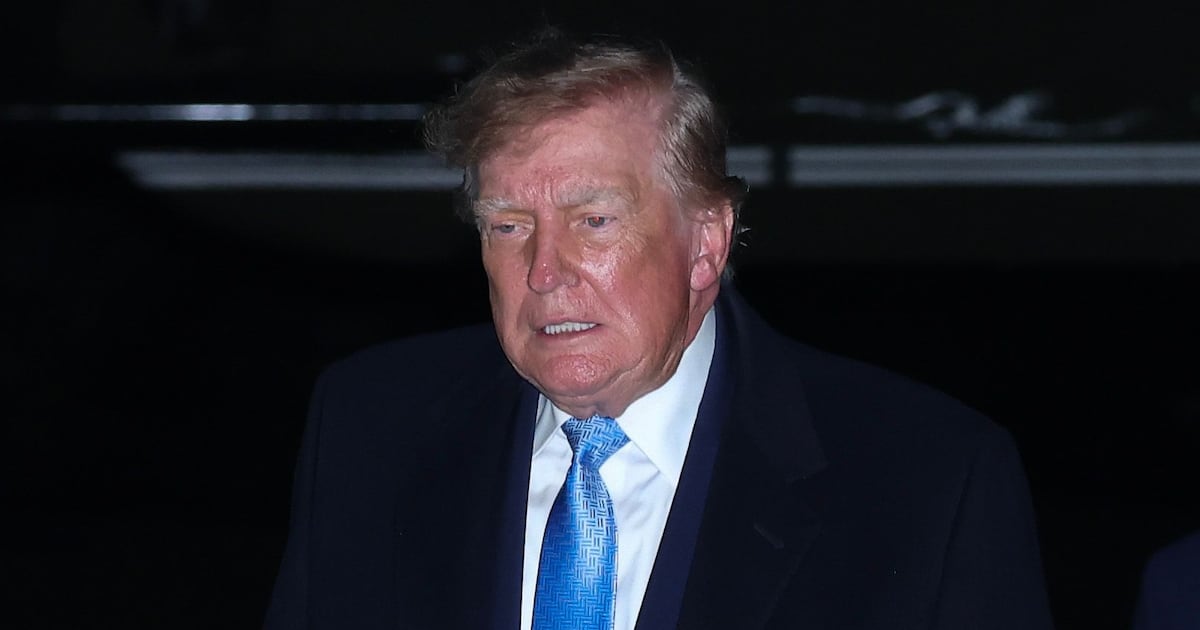

Even before someone opened fire at the White House Correspondents’ Dinner on Saturday night, King Charles’ state visit to America, which kicks off in Washington on Monday, was being described by palace insiders as the most fraught royal diplomatic mission in living memory.
The shooting incident only adds more drama to the four-day state visit to a country whose president has spent months belittling Britain’s military, threatening its sovereignty, and publicly savaging its prime minister.
Although the official line is that the tour has never been in doubt, it is no secret that not everyone close to the crown thinks Charles should be going.

Now, a source described as someone who worked with the late Queen Elizabeth has told the London Sunday Times: “I can’t help but think QEII would have had the government pull the plug on this state visit ages ago.”
The same source added: “I’m sure the king wants to tick a historic U.S. state visit off his bucket list. It just seems a shame it has to be under these conditions and timing.”
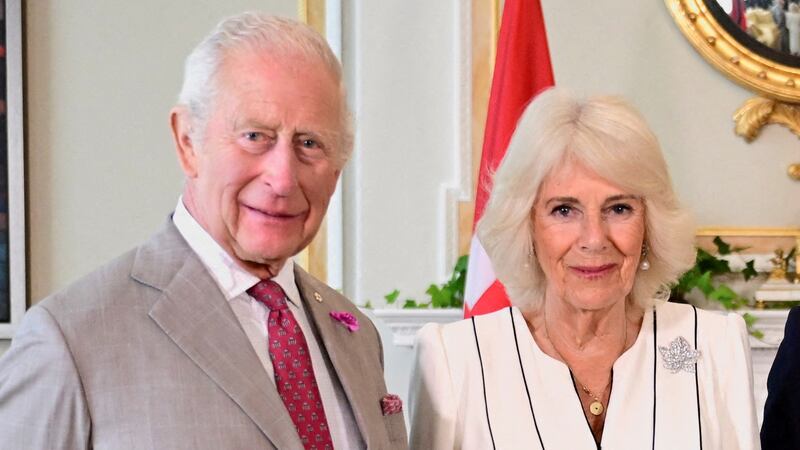
The visit—officially billed as a celebration of the 250th anniversary of American independence—begins on Monday with a private tea at the White House, followed by a garden party at the British ambassador’s residence. A state dinner, a military ceremonial review, and an address to a joint session of Congress are scheduled across the four days, with Charles and Camilla also traveling to New York and Virginia before Charles continues alone to Bermuda.

The diplomatic backdrop could hardly be worse.
In recent weeks and months, Donald Trump has called Britain’s aircraft carriers “toys,” branded Prime Minister Keir Starmer “no Winston Churchill,” described U.K. immigration policy as “insane,” and claimed Britain was “being invaded” by illegal immigrants.
A leaked Pentagon email published by Reuters on Friday outlined options for the U.S. to reassess its support for British “imperial possessions,” including the Falkland Islands, a naked threat to one of Britain’s most sensitive territorial claims, and a gift to Trump’s close ally, Argentine president Javier Milei.
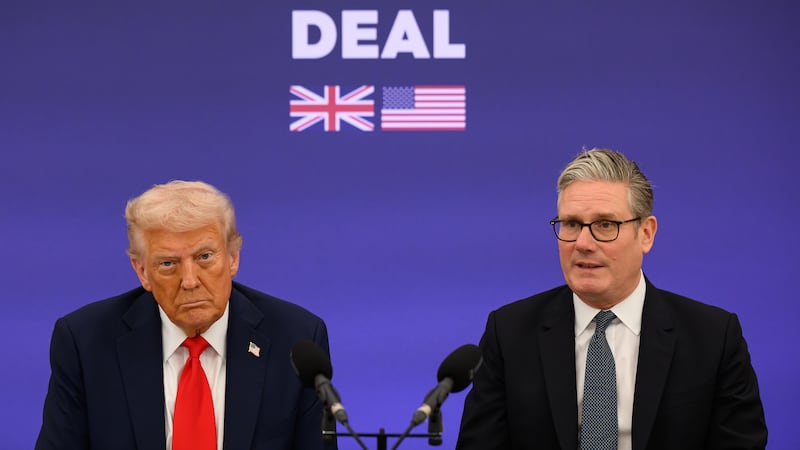
Much of the enmity flows from Starmer’s refusal to back the U.S.-Israeli military campaign against Iran. Britain initially blocked American warplanes from using its bases, relenting only after Iranian retaliatory strikes to allow limited defensive operations.
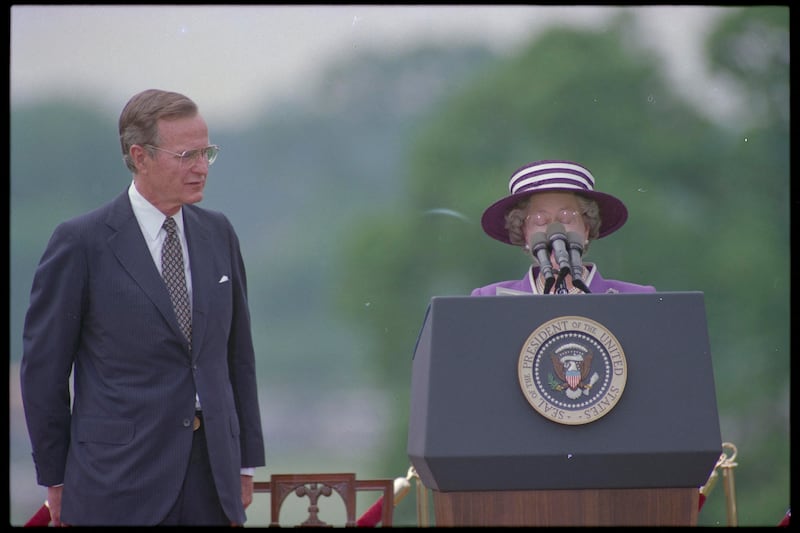
The result is a state visit that many in Westminster and the palace believe Elizabeth II would simply never have allowed to proceed under such conditions. When she made remarks at a White House ceremony in 1991, she was barely visible behind the lectern, and she charmed those present with a joke about her own height before delivering a speech celebrating shared democratic traditions in the aftermath of the Gulf War.
A former senior aide to Elizabeth, who would have turned 100 last Tuesday, recalled accompanying her on the last U.S. state visit in 2007, hosted by President George W. Bush to mark the 400th anniversary of the Jamestown settlement. “It was nothing but pure joy,” the aide told The Sunday Times. “I suspect this week will be rather different.”

The government has pressed ahead with Charles’ visit, arguing that cancellation would do more damage than the visit itself. One senior official told the Sunday Times: “If the trip had been canceled or postponed it would have risked turning what is hopefully a temporary rupture into a permanent estrangement.”
A friend of the King told The Sunday Times it was “definitely being seen inside the royal household as his biggest and most significant mission to date.”
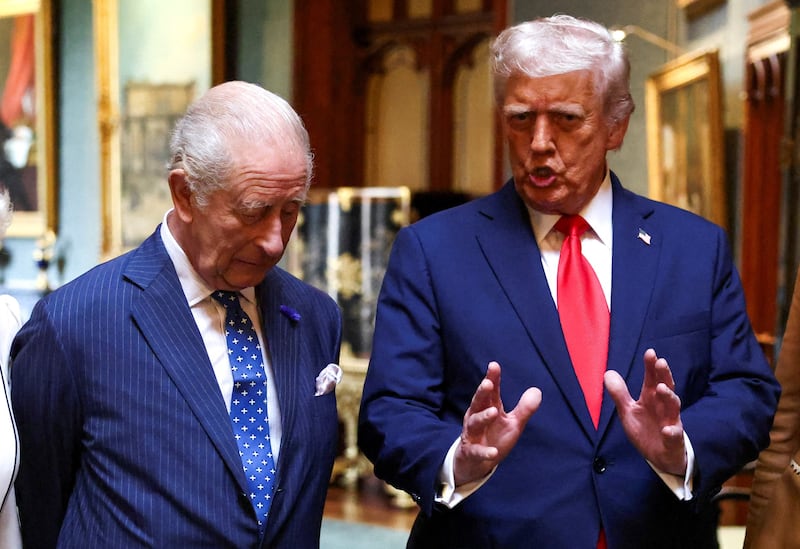
Charles, a lifelong environmentalist, a champion of interfaith dialogue, and an instinctive multilateralist, will be arriving in the court of a president who pulled out of the Paris climate accords, launched a unilateral war, and is now threatening to punish allies who wouldn’t join it.
The king’s worldview, a variety of Champagne socialism, is, at almost every point, the opposite of the MAGA movement that Trump embodies.
Charles will no doubt make a spirited case for the shared language, culture, and values that have sustained the Anglo-American relationship.
But the elephants in the room are legion: Iran, the Falklands, trade tariffs, Prince Andrew and Epstein, and the small matter of whether Trump will use the visit as a photo opportunity while continuing to berate the British government behind closed doors.
In the U.K., Liberal Democrat leader Ed Davey has been the most vocal opponent of the royal visit, calling it “a humiliation” and accusing Starmer of showing “a staggering lack of backbone” by allowing it to go ahead.

“To send the king on a state visit to the U.S. after Trump dismissed our Royal Navy as toys is a humiliation and a sign of a government too weak to stand up to bullies,” he said.
Trump, for his part, has continued to speak warmly about Charles personally, calling him “a beautiful man” and promising a “terrific” visit. The question is whether royal pageantry can paper over a relationship between two nations that, by any measure, is at its lowest point in decades.
Want more royal gossip, scoops and scandal? Follow all Tom Sykes’ reporting at The Royalist on Substack or listen to The Royalist podcast on YouTube.