Rachel Maddow has a theory about Donald Trump’s latest war on the press—and it has less to do with what the president thinks of the news media than what he gets from attacking the free press.
Trump announced Friday that he was banning CNN, MS NOW, and Politico from the White House, accusing the outlets of reporting “FICTION and LIES” about him and his administration. By Saturday morning, reporters from all three outlets had been turned away from the White House, their press credentials confiscated or deactivated.
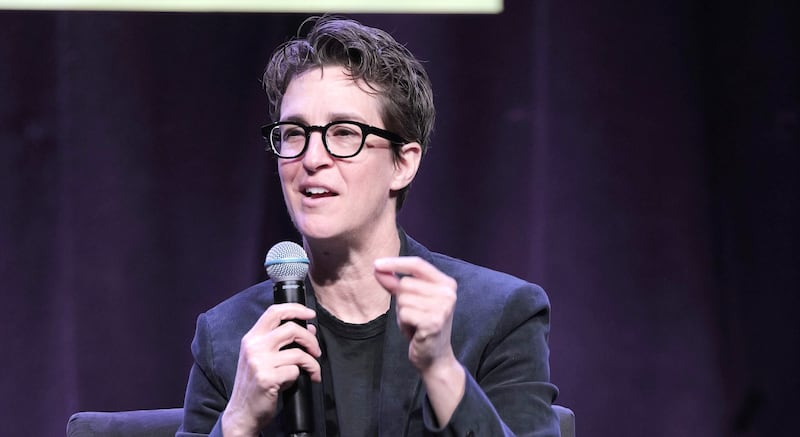
But Maddow, speaking with her MS NOW colleague Peter Alexander, suggested Trump’s motivation goes beyond his familiar complaints about “FAKE NEWS” and unfavorable stories.
“I think he gets the First Amendment, and I think he knows what he can and cannot do as president,” Maddow said.
She argued that Trump’s repeated attacks on the press are because he enjoys the reaction they elicit from his supporters.

Maddow recalled covering Trump rallies during his first campaign and presidency, when he would frequently single out journalists and direct the crowd’s attention toward them.
At those events, she said, Trump’s attacks on the press could turn into a kind of spectacle, with the crowd joining in.
And Maddow has a particularly grim name for the spectacle.
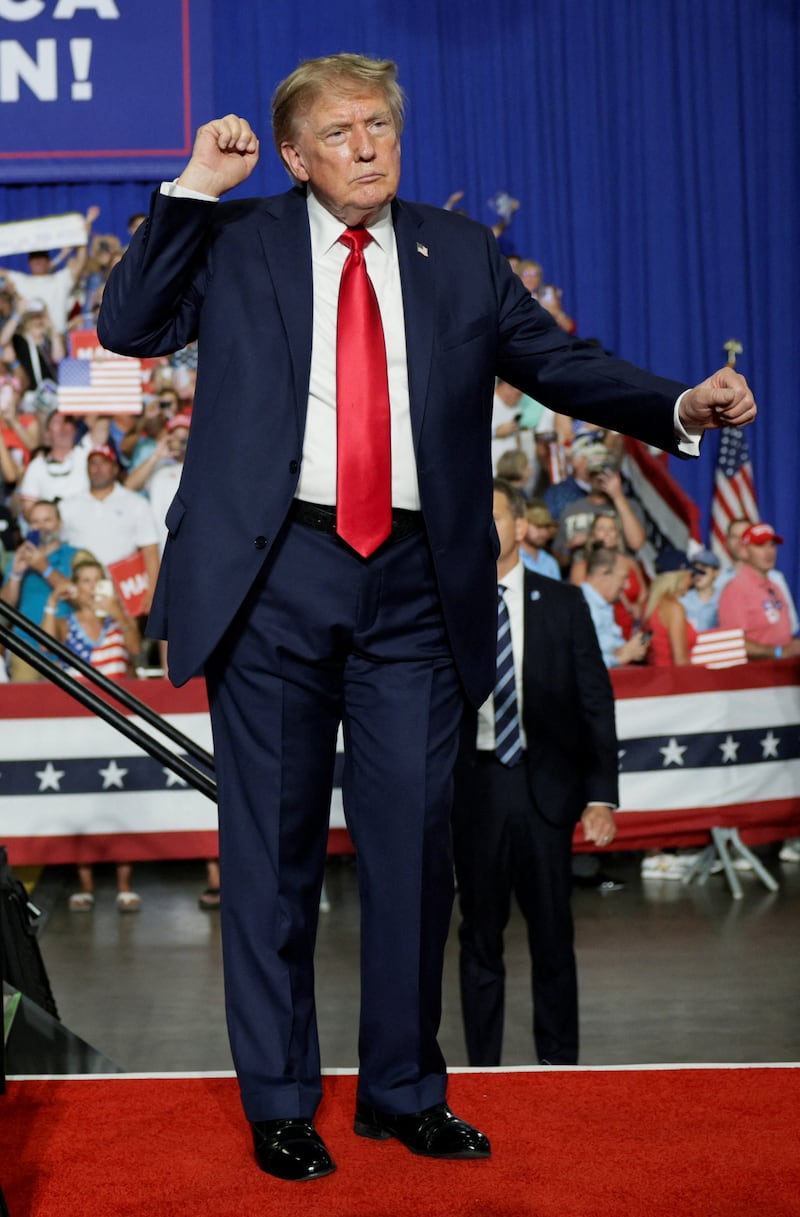
“He would direct the attention of the crowd to the press,” she said, describing what she called an “Orwellian two minutes hate” in which Trump supporters would scream at reporters after the president insulted them.
In Maddow’s view, the press-bashing is less the point than the payoff.
“All politicians, certainly all presidents, are dissatisfied with the press,” she said. “But I think the reason that he said that, and then kept doing it, is because of what would happen right after he made those calls out to the crowd.”

She pointed to the reaction she said she and other reporters repeatedly witnessed at Trump events.
“The whole crowd turns around and starts flipping off the press and screaming at them and baying for blood,” Maddow said. “And he loves that. That’s exactly the kind of reaction he wants from the crowd.”
Maddow’s theory is that Trump is returning to an old crowd-pleaser at a moment when his usual methods of rallying his supporters are no longer working as consistently.
“The same sort of lines, the same sort of tricks, the same sort of crowd manipulation tactics—the sort of authoritarian personality tics that he’s relied on all these years, they don’t always work,” she added.
“So I think this is him playing the hits,” Maddow said. “I think this is him going back to something that he knows his base will enjoy, and he wants that feeling again. And I think it’s as simple as that.”
Trump’s latest move goes beyond his usual attacks on journalists. The White House ban takes the fight well beyond Trump’s usual social media attacks on journalists. Reporters from all three outlets were actually barred from the building Saturday, prompting the organizations to vow to fight to defend their First Amendment rights.

First Amendment-focused organizations have also condemned the president’s actions, with the Reporters Committee for Freedom of the Press calling the move “flatly unconstitutional.”
Trump has offered his own explanation for his decision. In announcing the ban, he said the outlets should not be allowed to “write or report FICTION and LIES” about him, his administration or the country. He also suggested that other “Fake News Media Outlets” could face similar treatment.
The timing of the decision also led Alexander to ask Maddow whether Chinese President Xi Jinping’s upcoming White House visit had anything to do with Trump taking a page from Xi’s press playbook.
Maddow pointed to what she sees as a broader pattern in Trump’s relationship with authoritarian leaders and the media, arguing that the president appears drawn to countries and cultures where leaders have far greater power to control and punish their critics.
That, she suggested, makes the current press fight about more than Trump’s personal dislike of particular stories.
For Maddow, the immediate question is why Trump keeps returning to a fight with the press—given that he knows exactly what he gets when he does.