
Republican Rep. Thomas Massie is calling out Speaker of the House Mike Johnson for changing his tune regarding the release of the Jeffrey Epstein files. The Kentucky congressman is putting pressure on Johnson to support the document disclosure after a bipartisan effort succeeded in forcing the House into a vote on the matter.
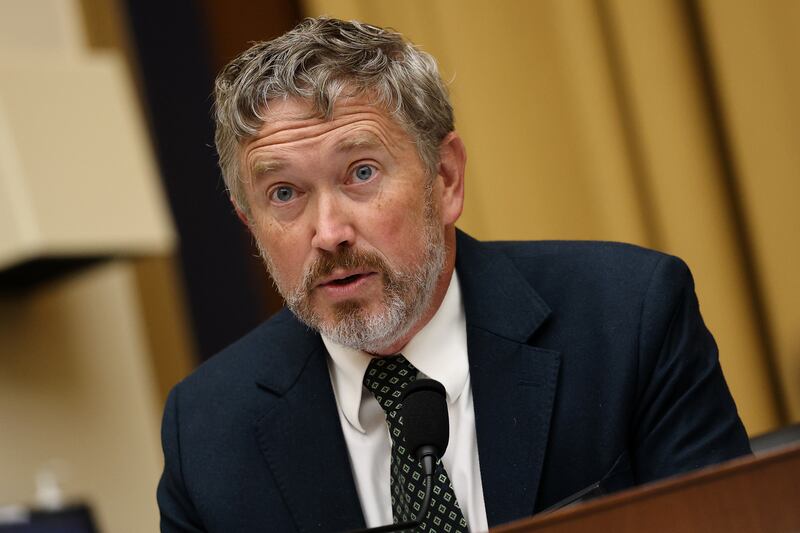
“After months of fighting and disparaging my Epstein legislation, now that my discharge petition has succeeded, @SpeakerJohnson says he tried to pass the law by unanimous consent,” Massie wrote on X.
“If that’s so, he should have no problem voting YEA next week,” Massie added, pressuring the Speaker into voting to disclose the files—something that more and more Republicans are already announcing they will vote to do.
In another tweet, Massie doubled down on these calls by writing that President Donald Trump and Johnson “can still be on the right side by encouraging a YEA vote.”
Massie’s tweets referenced a September discharge petition that he filed in a bipartisan effort led by him and Democratic Rep. Ro Khanna (D-Calif.). On Nov. 12, the discharge petition received its 218th signature, creating a majority, and compelling the House into a floor vote regarding whether the Justice Department would be forced to release the Epstein files.
The same day the discharge petition reached its goal, Johnson announced at a Nov. 12 press conference that the House would vote on the matter the next week—a quicker timeframe than what was required but an action that would have to happen eventually.

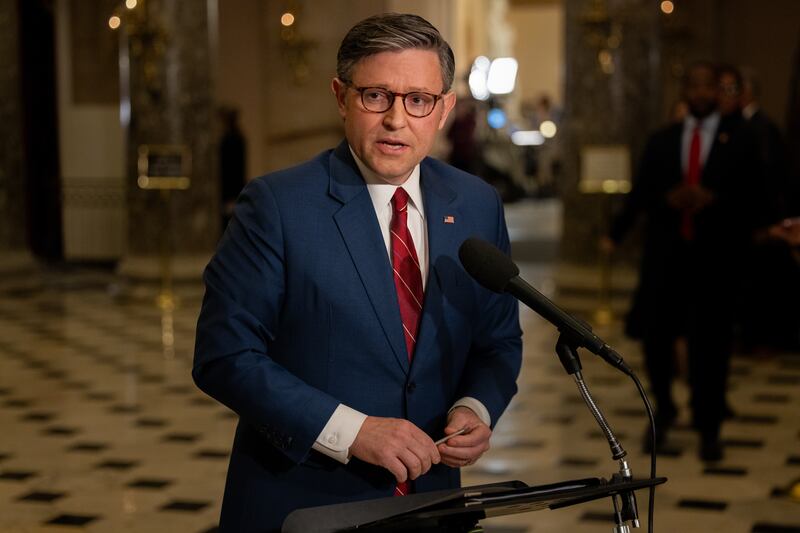
At the press conference, Speaker Johnson said, “We put the discharge up for unanimous consent on the floor tonight. That Republicans—I, the Speaker—and the Republicans asked for unanimous consent to just go ahead and pass the discharge ‘cause I think it’s a moot point.”
When reached for comment on Massie’s tweets by the Daily Beast, Johnson’s representatives asked that his Nov. 12 press conference be cited in which the Speaker said the discharge petition was “reckless” and “a totally moot point.”
“The Oversight Committee has been working, as you all know, around the clock. And you have some of the toughest members of Congress on the Republican and Democrat side who are working in bipartisan fashion to go through and release those files,” he said.
There, Johnson also promised “more is to come,” relating to the Epstein files.
However, before the discharge petition received its final signature, Johnson and the White House used other tactics to delay Congressional action as pressure mounted to release the Epstein files.
Johnson previously pushed the House into an early summer recess, causing all potential floor votes to be delayed, in order to halt action on any files release relating to Epstein. At the time, Johnson justified this move by arguing that they can’t be “careless” when it comes to releasing documents openly.
“What we refuse to do is participate in another one of the Democrats’ political games. This is a serious matter,” Johnson said. “We are not going to let them use this as a political battering ram.”
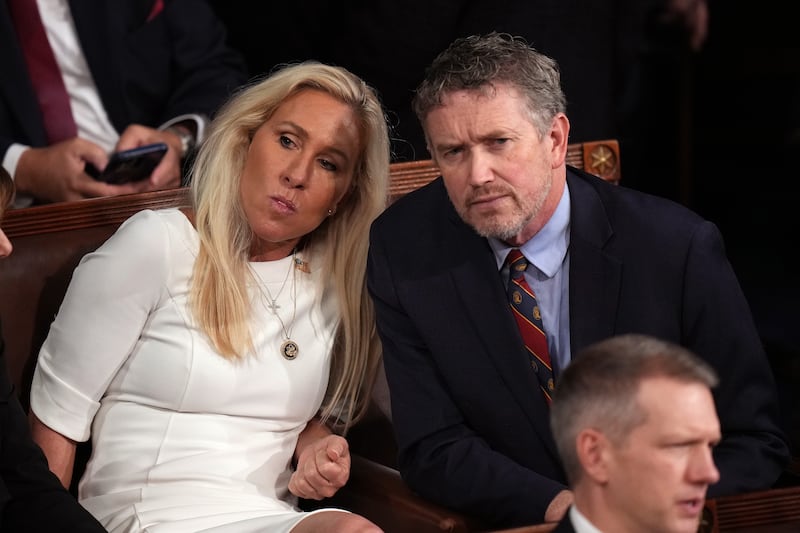
More recently, accusations popped up claiming that Johnson tried to delay the final signature of the discharge petition. To pass, the discharge petition needed 218 signatures. It had 217 from all House Democrats and four Republicans: Massie, Marjorie Taylor Greene, Nancy Mace, and Lauren Boebert.
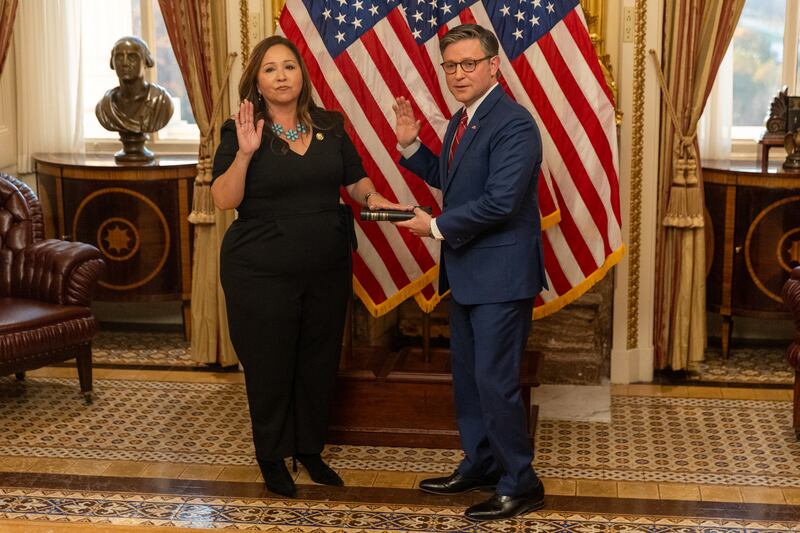
Democrats claimed that Johnson delayed Democratic Rep. Adelita Grijalva’s swearing in for seven weeks after her Arizona election, as she was expected to become the 218th and final signature. When Johnson swore her in on Nov. 12, she signed the discharge petition the same day.
The discharge petition came after Massie and Khanna introduced the Epstein Files Transparency Act in July, which would require the Justice Department to release all unclassified records and communications relating to the investigation of Epstein and his accomplice, convicted sex trafficker Ghislaine Maxwell, within 30 days. The DOJ would be forced to turn over everything, except for personal information regarding the victims.

That same month, however, Johnson publicly opposed Congressional action to force the files’ release.
“My belief is we need the administration to have the space to do what it is doing, and if further congressional action is necessary or appropriate, then we’ll look at that,” Johnson said in July. “But I don’t think we’re at that point right now because we agree with the president.”