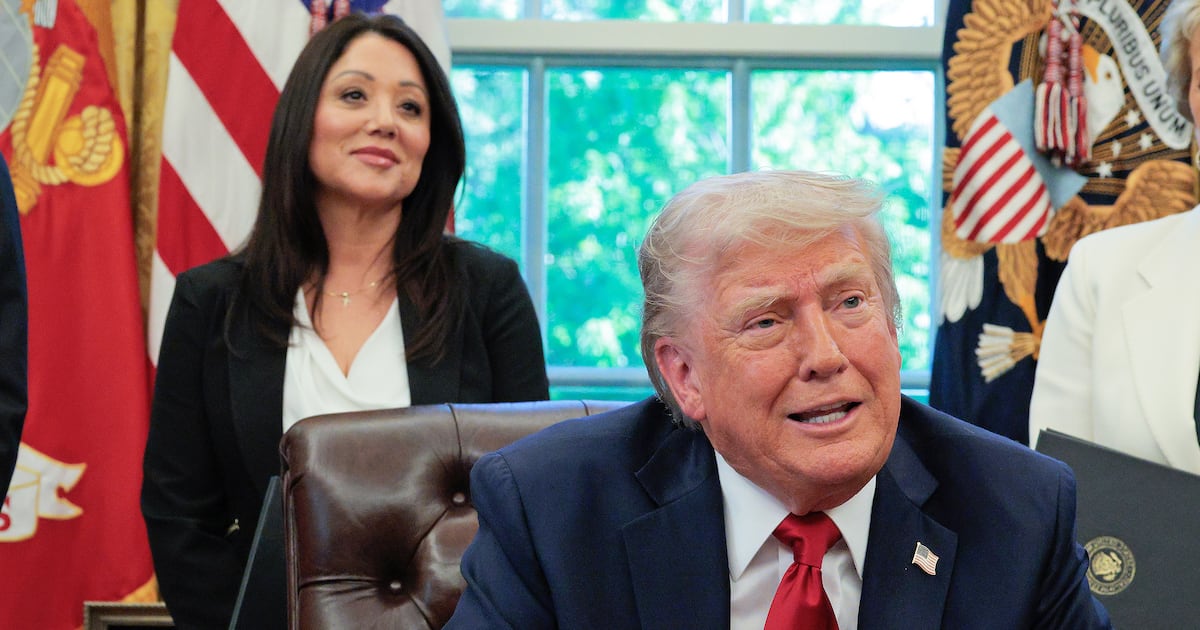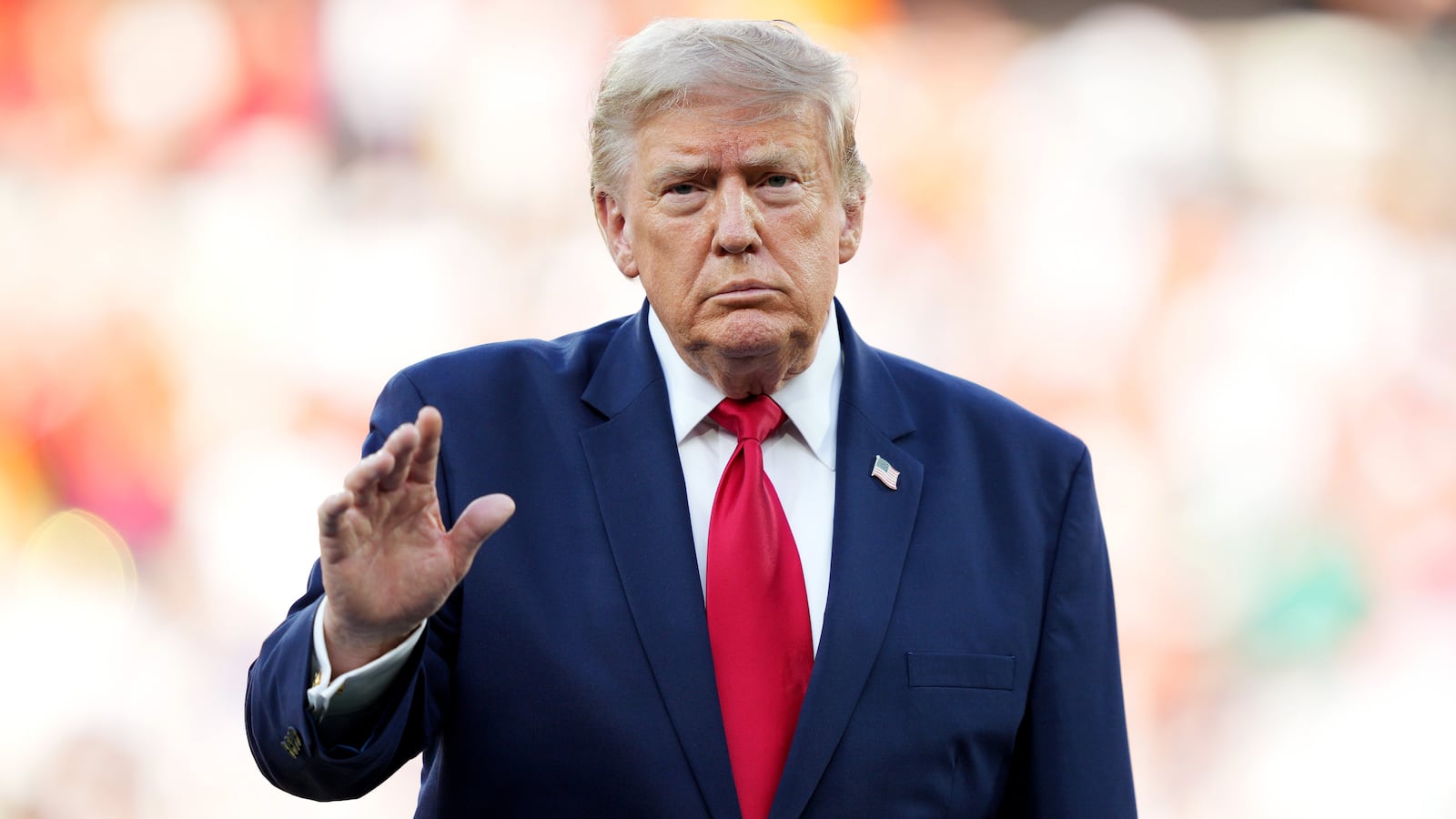
Republican Senate hopefuls are ignoring Donald Trump’s attempt to put his finger on the scale in the race to replace the late Senator Lindsey Graham.
The president, 80, made the push for Graham’s sister, newly sworn-in Senator Darline Graham, to run for a full term after she was appointed to fill her brother’s seat for the remainder of his current term last week following Graham’s unexpected death.
But a growing number of GOP members are rejecting the president’s bid to clear a path for her in the special primary election next month and are instead jumping into the race.
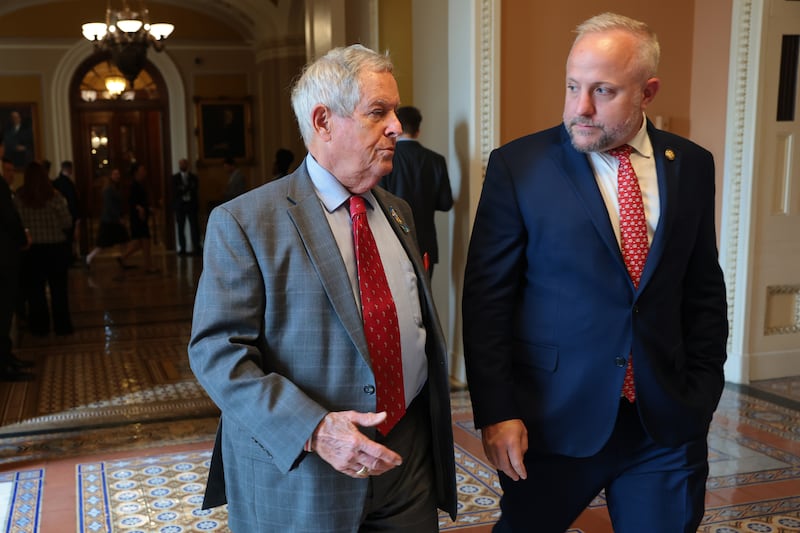
On Monday, Rep. Russell Fry, who represents South Carolina’s 7th congressional district, announced he was running for the seat. It comes after Rep. Ralph Norman shared over the weekend that he would run in the special election as well.
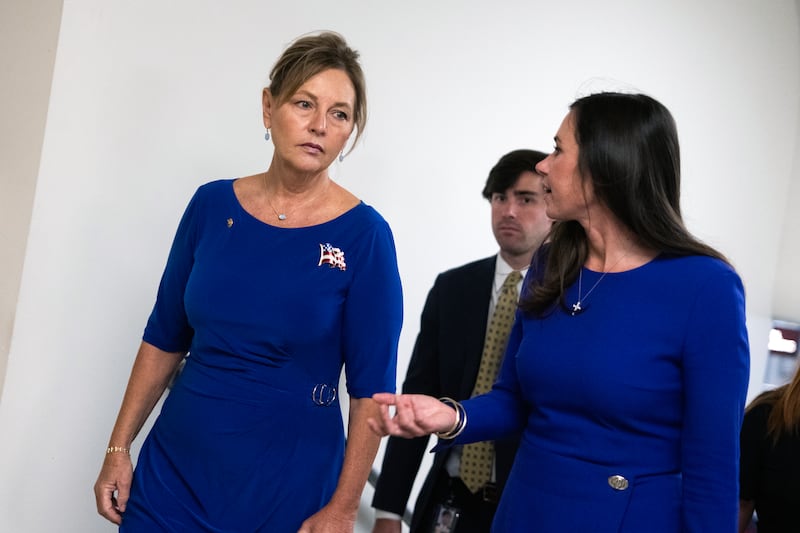
Graham, who died just over a week ago, was running for reelection in November. While his sister was appointed to fill his seat through the current term, a special primary election must be held to choose a GOP candidate for the midterms.
The special election will take place on August 11. Candidate filing opens on Tuesday and remains open through July 28.
In a Truth Social post on Friday, Trump praised Senator Darline Graham Nordone, who has never held elected office, as a “spectacular person” and “WINNER all of her life.” He wrote that if she chose to run for a full term, she would have his “Complete and Total Endorsement.”

But on Saturday, Rep. Ralph Norman, who recently lost the primary for governor, said he was jumping into the race and that the state needed a true conservative.
Even as Republicans are ignoring Trump’s attempt to be the kingmaker in the primary, they are looking to align with him as they try to win over GOP voters in the short campaign season.
“I’m running to represent the people of South Carolina in the U.S. Senate because we need a fighter who will stand with President Trump and carry on Lindsey Graham’s legacy!” Norman wrote. “I’ve spent years fighting for the Palmetto State in the state house, in Congress, and now I want to get the SAVE America Act passed in the Senate!”
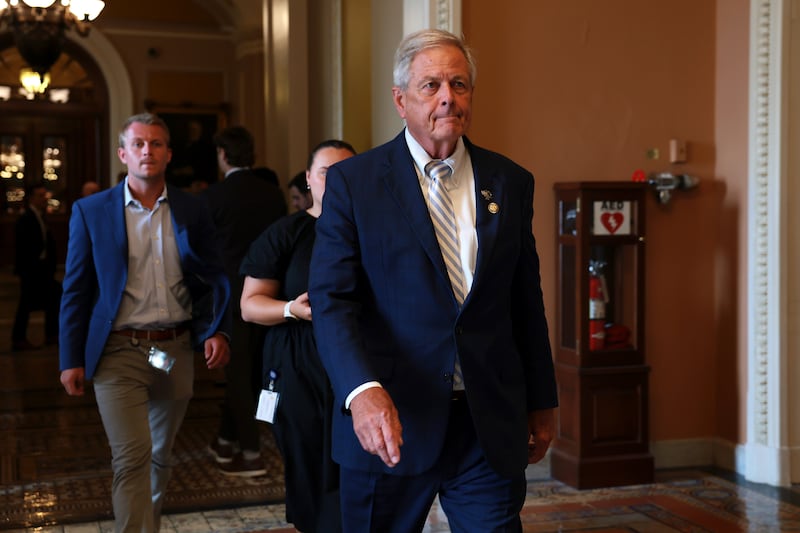
While Norman admitted he asked Trump for his endorsement and did not receive it, he said he would not drop out if Graham decides to run for a full term and that he was in it to win.
In his own announcement early Monday, Fry touted his MAGA credentials. The banner image on his X page notably features him standing alongside the president.
“We need a conservative fighter in the Senate who delivers real results. I will be your conservative MAGA candidate in the special primary Senate election this summer,” Fry wrote in his announcement post.
Fry ran uncontested in his House primary last month, so he is running for two seats at once. If he wins the special election primary, it would leave his safe Republican House seat exposed or vacant come November.
The new Senator Graham has not shared publicly whether she would officially run for a full term after barely a week in the Senate.
In an open letter to South Carolinians shared over the weekend, she wrote, “Now, it’s time for me to step up for South Carolina” and “In the most challenging of times, I’ve learned God often calls on ordinary people to do extraordinary things.”
She added that she is not her brother and has her own way of doing things, but they were raised with the same values.

While she thanked the people of the state and asked for their prayers, she did not specifically share what her plans might be going forward.
Trump’s endorsement has proven to be powerful in the 2026 GOP primaries, but it has not always resulted in his preferred candidate’s victory.
In the South Carolina Republican primary for governor, Trump’s original endorsement went to Lt. Governor Pam Evette, but she did not get enough support to avoid a runoff last month.
In the end, Trump copped out and made a double-endorsement of both candidates in the runoff, including Evette and Attorney General Alan Wilson, who ended up winning.
Trump’s endorsements in other 2026 primaries have also resulted in mixed results in recent months.
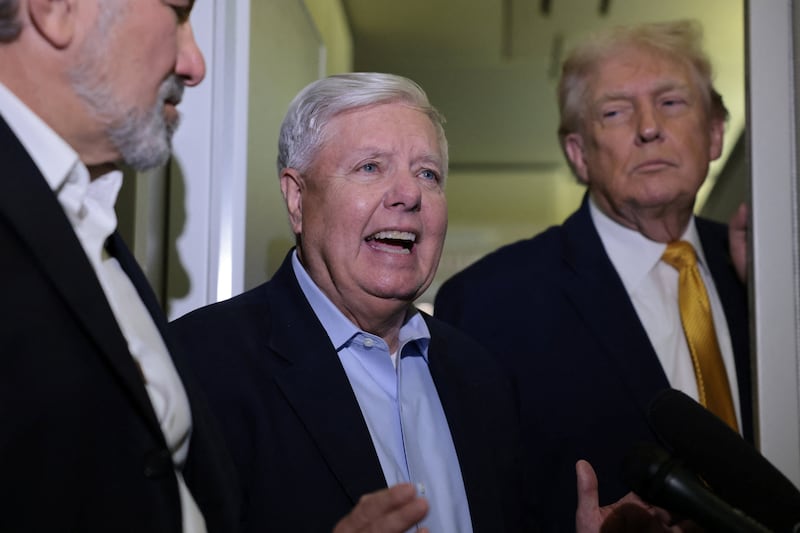
However, the president was an early backer of the late senator in his reelection bid and helped him avoid a nasty primary despite facing well-funded GOP challengers.
Graham won the June primary with more than 56 percent of the vote, but his closest challenger, Mark Lynch, still received nearly 29 percent, with more than 134,000 votes.