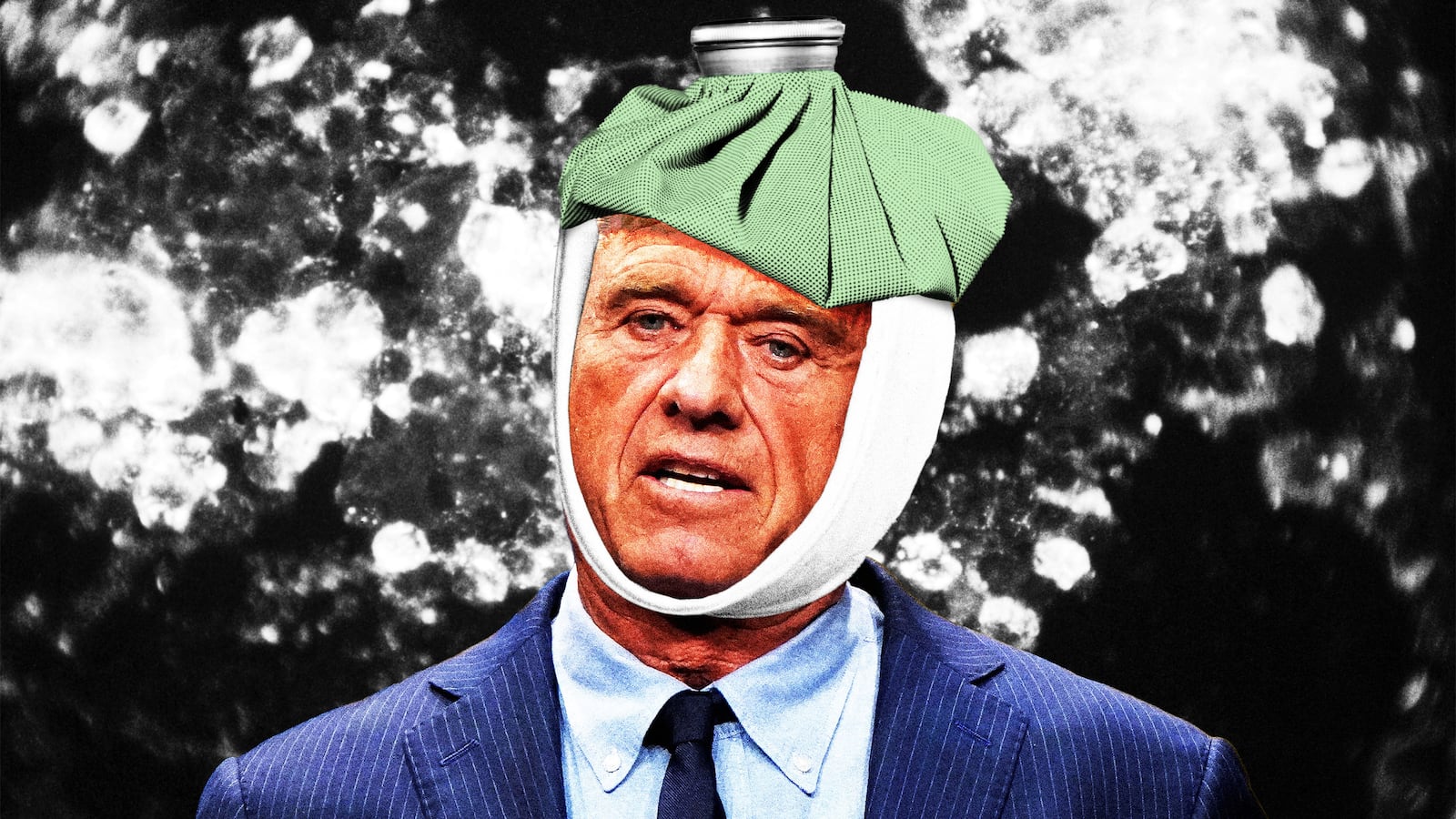
On a recent visit to my doctor’s office, I was asked the routine questions about whether I had any flu symptoms or had traveled out of the country. Then there was this: Had I noticed any swelling in my face or jaw? That was new, and when I asked in turn what it was about, the receptionist replied succinctly: “Mumps.”
Yes, mumps is apparently making a comeback, taking its place alongside measles as an old-but-new-again risk to the American populace. It’s a regressive and unnecessary outcome that is largely the result of the anti-vax attitude and policies filtering out of RFK Jr’s Department of Health and Human Services (HHS).
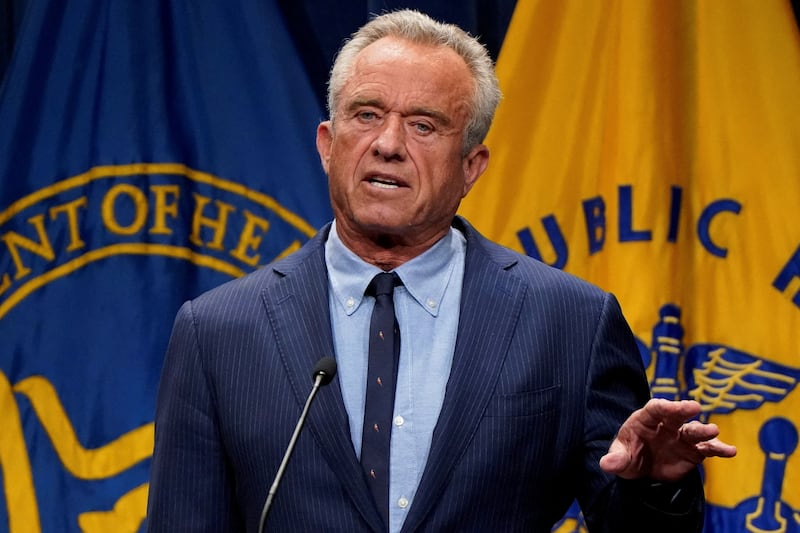
Measles and mumps are highly contagious, yet the current CDC largely leaves infection tracking to the states. It’s odd that the very real threat stemming from these childhood diseases invokes less panic than we’ve seen around the hantavirus outbreak on a far-flung cruise ship. While it causes serious illness and can be deadly, hantavirus does not spread easily among humans; still, the delayed response by the Trump administration to this cluster of infections—and yes, the echoes of COVID-19’s early days prowling the high seas—has put the spotlight on a fractured early warning system weakened by firings, infighting and cost-cutting.
The sprawling HHS, which oversees the CDC, the NIH and the FDA, is a shadow of its former self. Its workforce has been demoralized, deprioritized and slashed by as much as 25 percent. Hardest hit were career staff and vaccine experts—some were fired, some pushed out, and others who just had enough of the chaos and uncertainty. “It’s an enormous brain drain and just a lack of bodies to do the work,” said Julie Rovner with Kaiser Health News and host of its podcast, “What the Health.”

The latest blow arrived with the forced resignation of FDA administrator Marty Makary. It wasn’t pretty. Makary was left twisting in the wind over the weekend while Trump loyalists battled among themselves over whether his firing would be justified. “Internal dysfunction” was the favorite theme, and it was triggered by Makary in opposition to Trump on the pivotal issue of, wait for it, flavored vapes. Trump has vowed to protect the vaping industry as a valuable tool to help adults stop smoking nicotine; Makary was on the other side, prioritizing the threat to kids if the FDA approved fruit-flavored e-cigarettes. He was overruled.
Makary had also crossed swords with anti-abortion groups over his failure to take action to ban the anti-abortion drug mifepristone, which faces an imminent Supreme Court ruling on its future. (Whichever way SCOTUS goes, the implications are huge for women, and for politics.) An acclaimed oncologist and surgeon at Johns Hopkins who pioneered the transplant of pancreatic islets, Makary was an unlikely candidate for the FDA to begin with, and ill-equipped to handle partisan cross-currents.
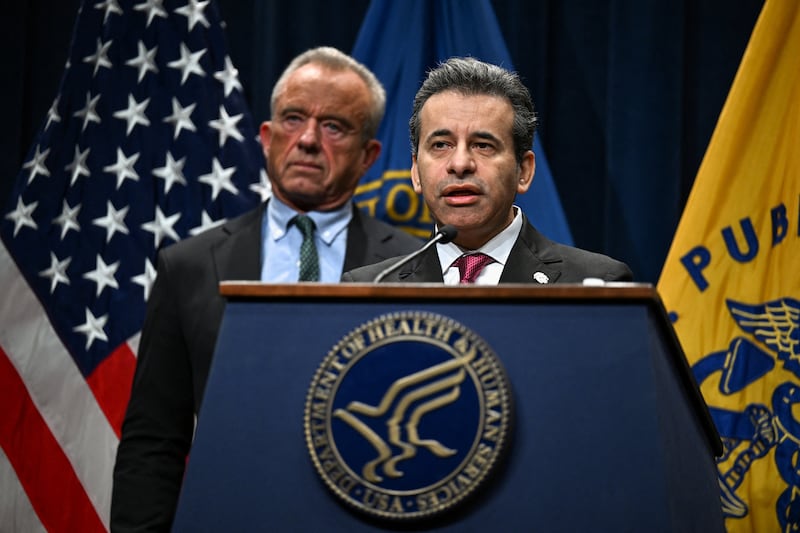
His abrupt departure is only the latest in a series of unfilled positions that reflect the administration’s chaos. Take the surgeon general Trump originally wanted: wellness guru Casey Means, who isn’t a licensed doctor, couldn’t get enough Republican votes in the Senate, and had her nomination pulled. A new nominee, Dr. Nicole Saphier, a radiologist and former Fox News contributor, is now awaiting confirmation and already sparking controversy. She’s largely on board with RFK’s MAHA agenda on healthy eating and avoiding food additives, but she’s no anti-vaxxer, pitting her against many kooks RFK has put in place throughout HHS.
The same leader, Jay Bhattacharya, currently heads both the NIH and the CDC, the frontline agency for combating health threats and emergencies. Doing double duty like this is not the norm, and Bhattacharya is an unusual pick for either job. He is a Stanford-trained doctor but has never practiced medicine. Rather, he was a professor of medicine, economics and health policy research when he was chosen to lead the NIH. He came to Trump’s notice during the COVID pandemic when he was a vocal opponent of shutdowns. He said the disease should be allowed to spread to develop herd immunity. His belated assurances that there is no threat from hantavirus are being questioned by a public that remembers all the lies and flat-out absurdities peddled by the first Trump administration in 2020.

“Nobody trusts anything that anybody says anymore. It’s scary,” Rovner told the Daily Beast. Addressing any/all potential issues that the hantavirus-stricken MV Hondius—and its American passengers, now in some kind of quarantine—may pose should be the CDC’s business, she noted. “But there’s no CDC director… They haven’t even scheduled a confirmation hearing for the next CDC director, or the next Surgeon General.”
The approval for nominees to fill these positions passes through the Health, Education, Labor and Pensions Committee, currently led by Republican Senator Bill Cassidy. Cassidy, a physician himself, cast the deciding vote in committee to advance RFK’s nomination after pressing him—unsuccessfully, it turned out—on vaccines. Cassidy has since been assailed for this vote, and the broader ‘compromises’ he’s made in the face of the administration’s attacks on medical expertise. Even after all the ground he has given, it’s not enough—he faces a Trump-backed challenger in a primary election this weekend. “If he loses,” said Rovner, “I wonder whether that will free him—or not—to be more discerning about filling these jobs.”
Of course RFK said what was needed to win confirmation, or at least didn’t spout the quackery that would have cost him. But his behavior quickly belied his words. He shrugged off outbreaks of measles first in Texas and now in South Carolina; under his leadership, the schedule for childhood and adolescent vaccines has been scaled back, with more “parental choice” encouraged. Polls show most Americans retain confidence in vaccines they’ve grown up with, prompting the White House to rein him in at least somewhat. But as the New York Times reported this week, costly, agency-wide efforts at HHS remain focused on collecting data to validate RFK’s belief that vaccines are the culprit behind the increasing number of children diagnosed with autism. He’s also trying to roll back the usage of anti-depressants among adults, arguing that they are as hard to get off as heroin, and he should know, he says, having been a heroin user.
In other words, hantavirus might not be spreading widely, but RFK’s positions are—and they have already proven to be fatal.