Vladimir Putin’s gas crisis stretches across almost the entirety of Russia.
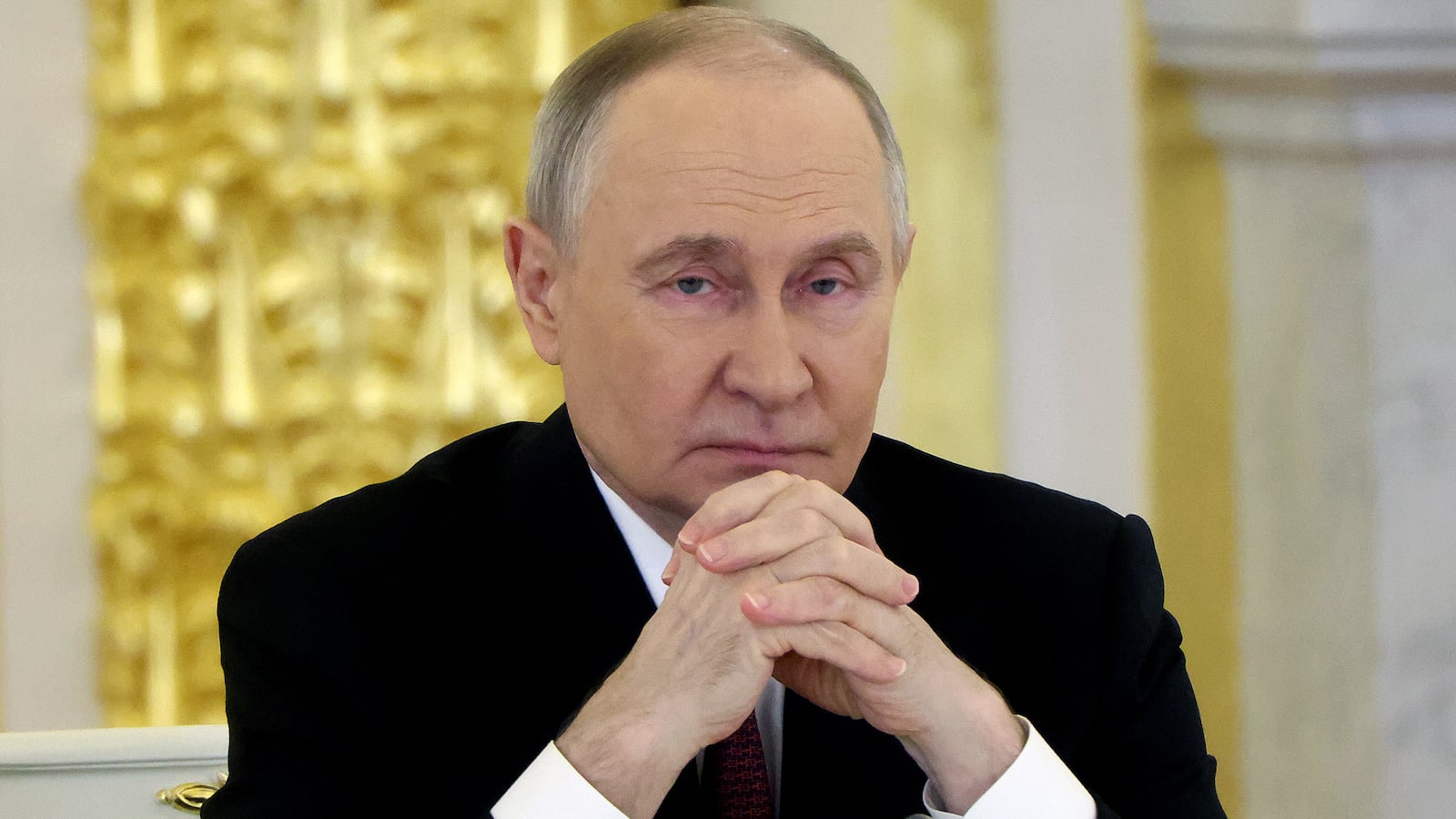
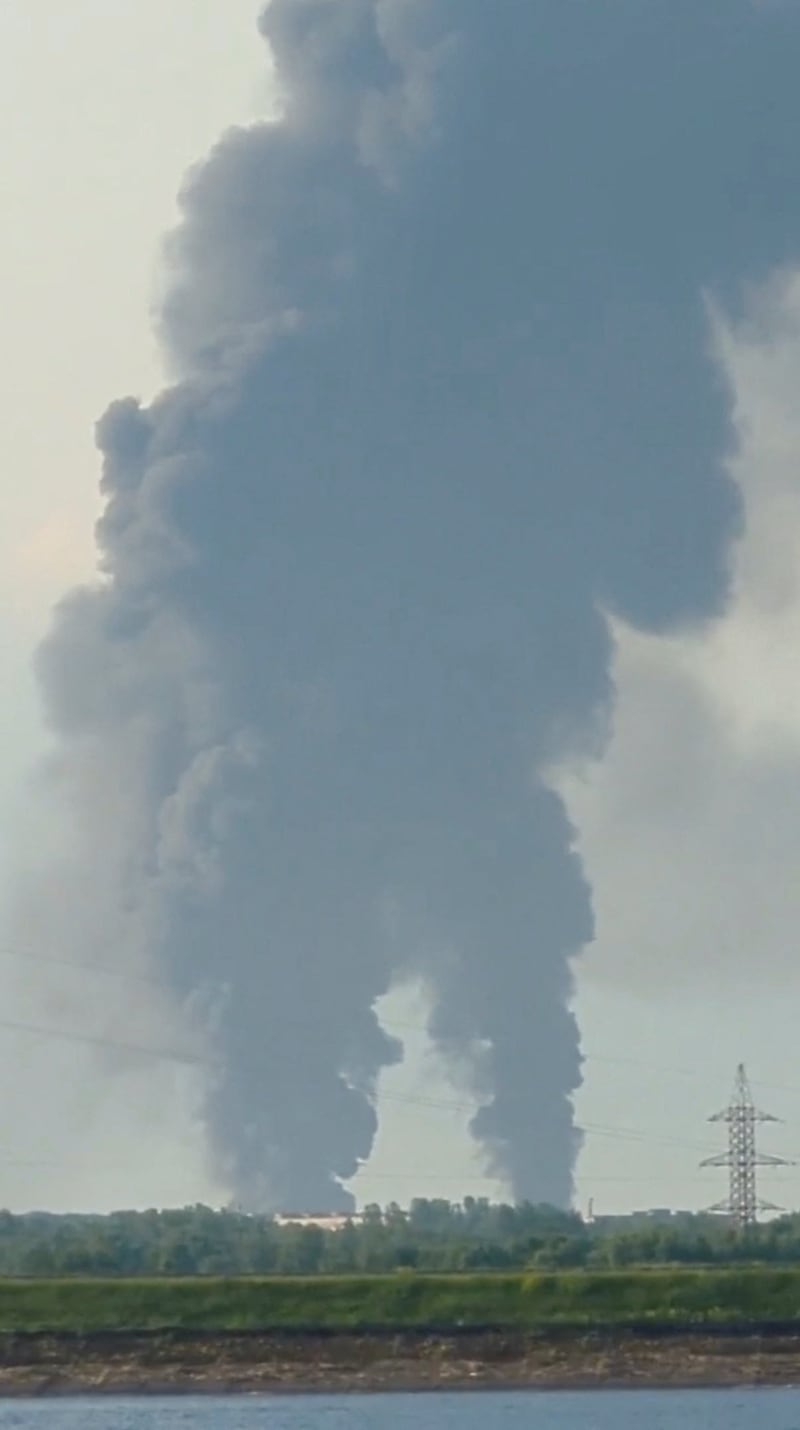
During a lengthy monologue last Sunday, the Russian president, 73, admitted that the country was suffering from fuel shortages as it buckles under the weight of relentless Ukrainian drone strikes on its refineries.
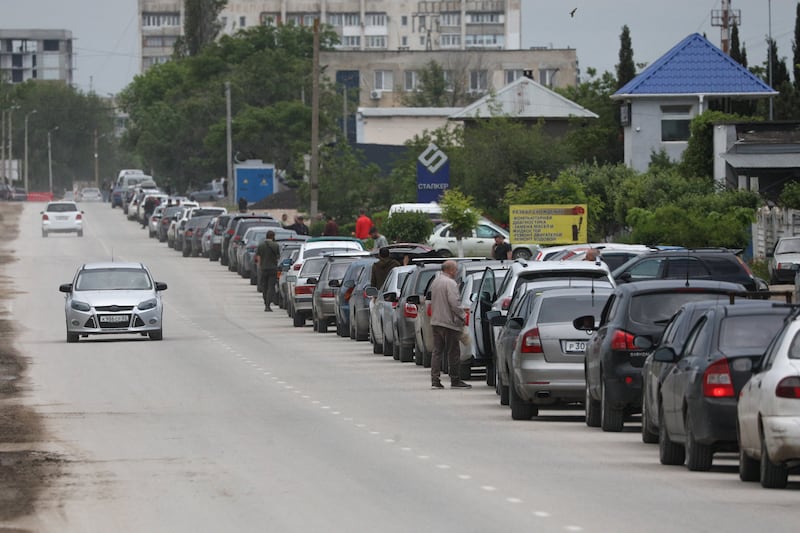
Kyiv has upped its attacks on Moscow’s oil and gas infrastructure over the last two years, initially triggering a gasoline crisis in Russian-occupied Crimea.

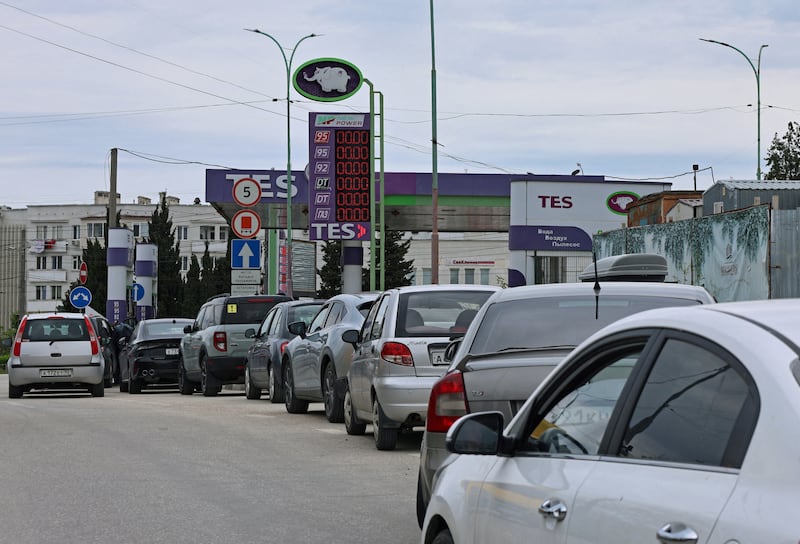
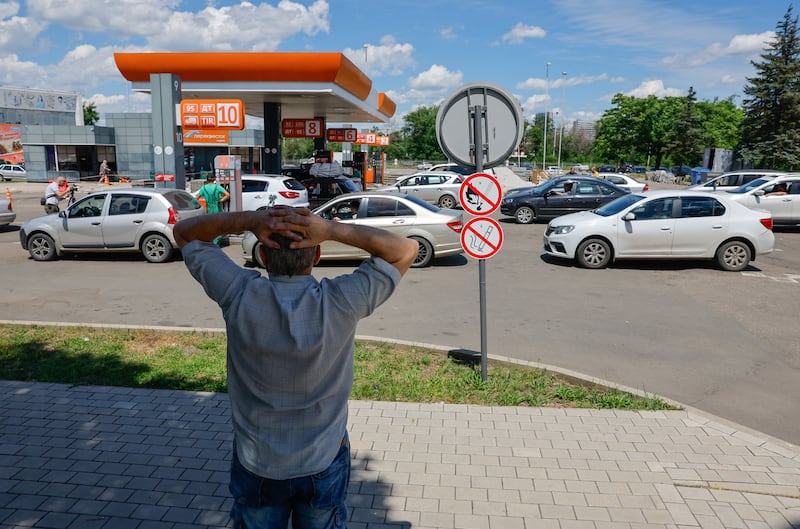
Since then, the shortage has spread across the country, through all 11 of Russia’s time zones and even into Siberia, according to CNN‘s analysis of local political communications.
“Right now we’re observing a certain shortage, but it’s not critical,” Putin said during last week’s address, despite Ukraine’s weaponry having advanced at such a rate that it is now able to strike targets more than 1,000 miles deep inside Russian territory.
“As for strikes against critical infrastructure in general, and energy infrastructure in particular, of course, these attacks on our infrastructure facilities create problems,” he said, according to the Moscow Times. “That’s obvious.”
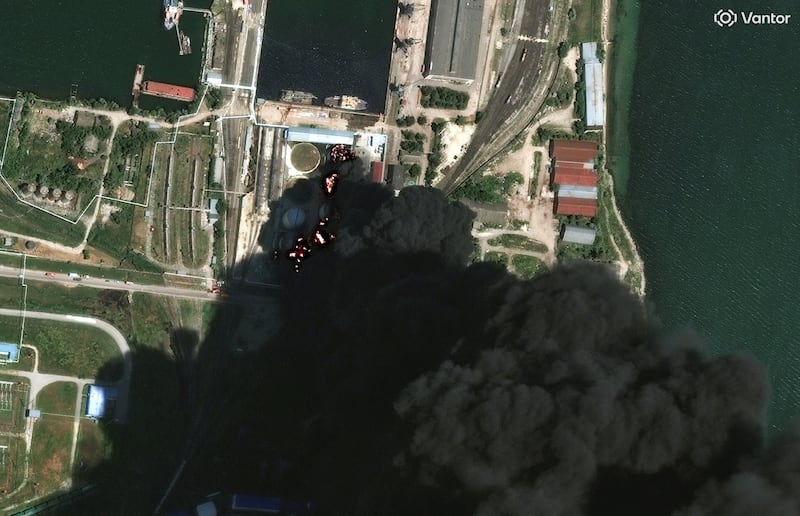
Ukraine’s raids have brought a war that, until now, has felt far away to many in Russia. Now it is at their front door, with one mother in Irkutsk, Siberia, telling The New York Times that she had been forced to wait 18 hours to fill up her car.
The Wall Street Journal reported that as of June 20, 28 percent of the country’s refining capacity had been taken offline.
It also reported that gas stations have even been closed in Moscow, which is usually insulated from the war’s impacts.
Across the country, matters are worse, with at least three regions, including Irkutsk and Transbaikalia, declaring a state of “heightened alert,” which is just one level below a state of emergency, CNN’s analysis found.

The Irkutsk governor has banned the sale of gas in canisters to all but the emergency services, according to the analysis.
The research scoured statements from mayors and governors across the country, revealing that, among its internationally recognized regions, more than 50 were officially reporting supply problems, while almost all of the remainder had unofficial reports of disruption.
A week before, Putin had admitted the toll that the attacks had been taking on the nation’s fuel supply.
Anxieties that the four-year-old war seems finally to have arrived at the doorstep of the average Russian will not have been soothed by Putin’s proposal for how to tackle the crisis: more air defenses in Crimea.
During his speech, he said the country aimed “to rapidly and significantly increase production of the air defense systems.”
Among the other possible solutions being considered are a ban on diesel exports and a plan to buy gas from Asian countries.
“We are going through a difficult period, but this has taught us a great deal and allowed us to grasp the very essence of what it means to be a Russian citizen,” Putin said last week at the United Russia party congress.
“Yes, we see the problems, we are aware of them and are responding to them, but we will certainly ensure the security of both the country and our citizens, as well as the inviolability of Russia’s borders.”