The Supreme Court has ruled unanimously in favor of a straight, white Ohio woman who sued her employer for discrimination after losing out on two positions to gay coworkers.
Ohio’s 6th Circuit Court of Appeals previously ruled against Marlean Ames, arguing she would need to face a higher burden of proof for her discrimination claim because she is a member of a majority group—in this case, because she is a straight woman claiming to have been discriminated against in favor of gay coworkers.
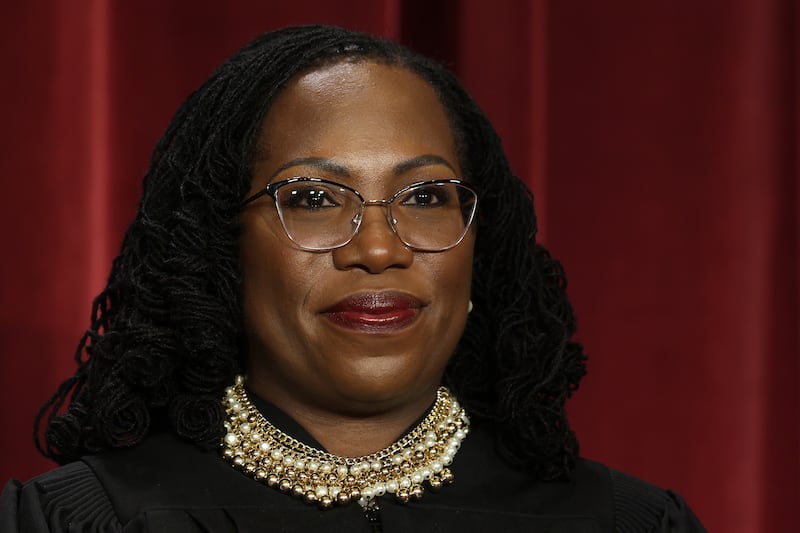
The Supreme Court rejected that stance in its ruling on Thursday. Delivering the court’s opinion, Justice Ketanji Brown Jackson wrote that under Title VII of the Civil Rights Act of 1964, what constitutes workplace discrimination “does not vary based on whether or not the plaintiff is a member of a majority group.”

Title VII of the Civil Rights Act of 1964 prohibits workplace discrimination on the basis of race, color, religion, sex, and national origin.
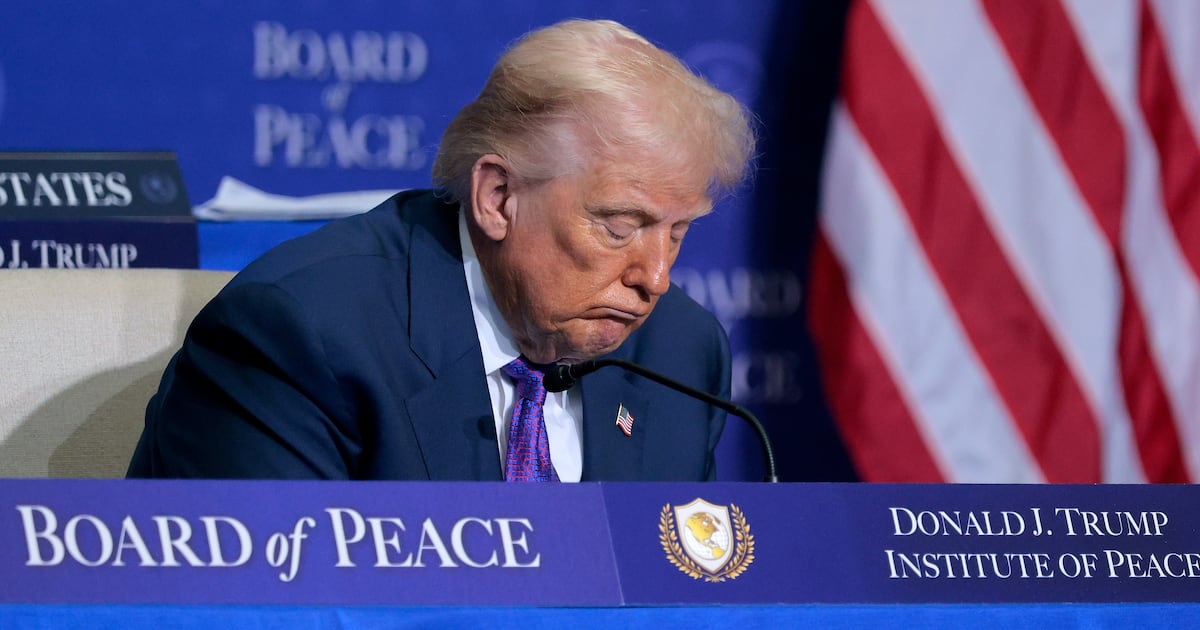
The result of this case may be good news for President Trump in his ongoing efforts to dismantle diversity, equity, and inclusion (DEI) initiatives. The president has justified his push to end DEI by arguing that initiatives supporting those from underrepresented backgrounds constitute discrimination against those from majority backgrounds.
Trump already scored a legal win in this fight in March, when Virginia’s Fourth Circuit Court of Appeals upheld his ban on “illegal” DEI programs.

Ames first filed suit in 2020 under Title VII of the Civil Rights Act of 1964, alleging discrimination by her employer, the Ohio Department of Youth Services.
In 2019, Ames, who had worked at the department for 15 years, applied for a promotion and was rejected. The role eventually went to her coworker, a gay woman who Ames said had spent less time in the department and had less formal education.
According to Ames, soon after being denied the promotion, she was demoted from her existing position and replaced with a second gay coworker. Ames’ employers allegedly told her that both the rejection and her subsequent demotion stemmed from their concerns about her leadership skills.

While sexual orientation was not initially one of the law’s protected identity categories, the Supreme Court ruled in 2020 that discrimination based on orientation and/or gender identity falls under the umbrella of “sex-based discrimination,” a decision that ultimately worked in Ames’ favor.
Title VII doesn’t delineate whether a plaintiff claiming discrimination must be a member of a minority group. In theory, that means anyone of any identity can claim discrimination under any of these categories.
In practice, however, some lower courts have implemented what’s known as the “background circumstances rule,” which raises the burden of proof for plaintiffs like Ames, members of a majority group who allege discrimination in favor of someone from a minority group.
In Ames’ case, the district court dismissed her suit on these grounds, ruling that, as plaintiff, she would need to prove “background circumstances that support the suspicion that the defendant is that unusual employer who discriminates against the majority.”
The 6th Circuit Court of Appeals upheld that decision when it heard her appeal in 2023. At the time, Judge Raymond Kethledge wrote that, to prove her discrimination claim, Ames should have either provided evidence that the decisions about her employment were made “by a member of the relevant minority group” or statistical evidence of gay people being favored in her workplace.

Notably, as her case progressed through the courts, Ames changed her story about which of the coworkers involved in her demotion were gay. During her initial suit with the district court, Ames claimed that while she had been passed over and later demoted in favor of gay employees, the two supervisors making those hiring decisions were straight.
Later, when her case went before the appeals court, Ames updated her claim, alleging that a third, gay supervisor had also played a role in the decision-making about her promotion.
However, the Supreme Court’s decision made this distinction effectively irrelevant, as the court ruled that Ames should never have faced a higher burden of proof in the first place.