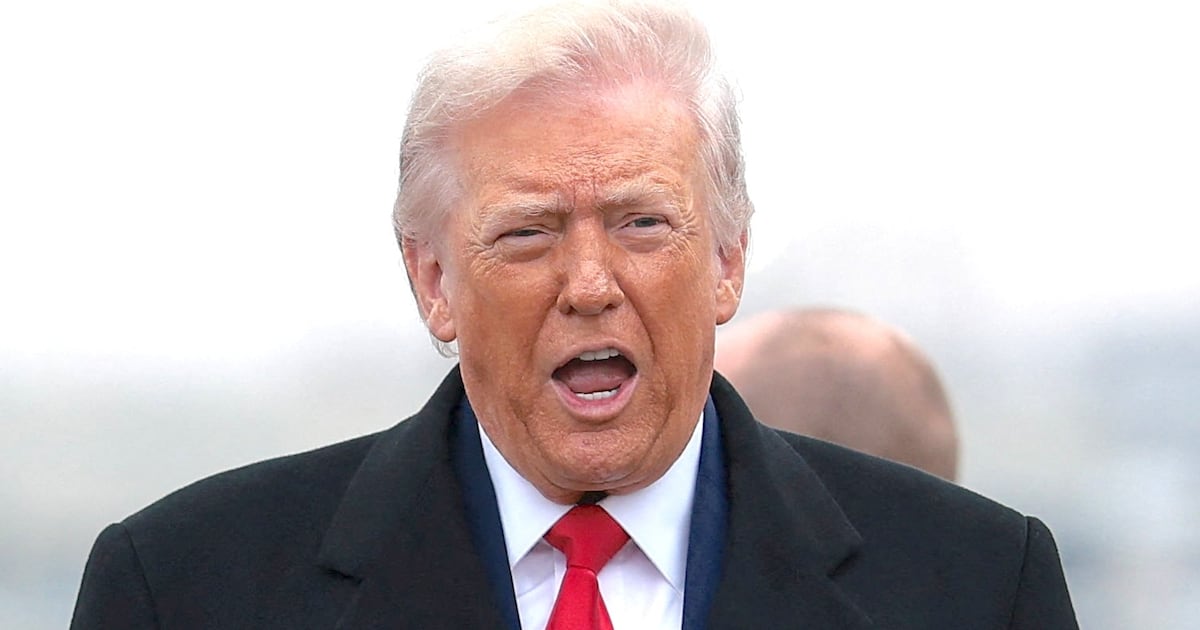
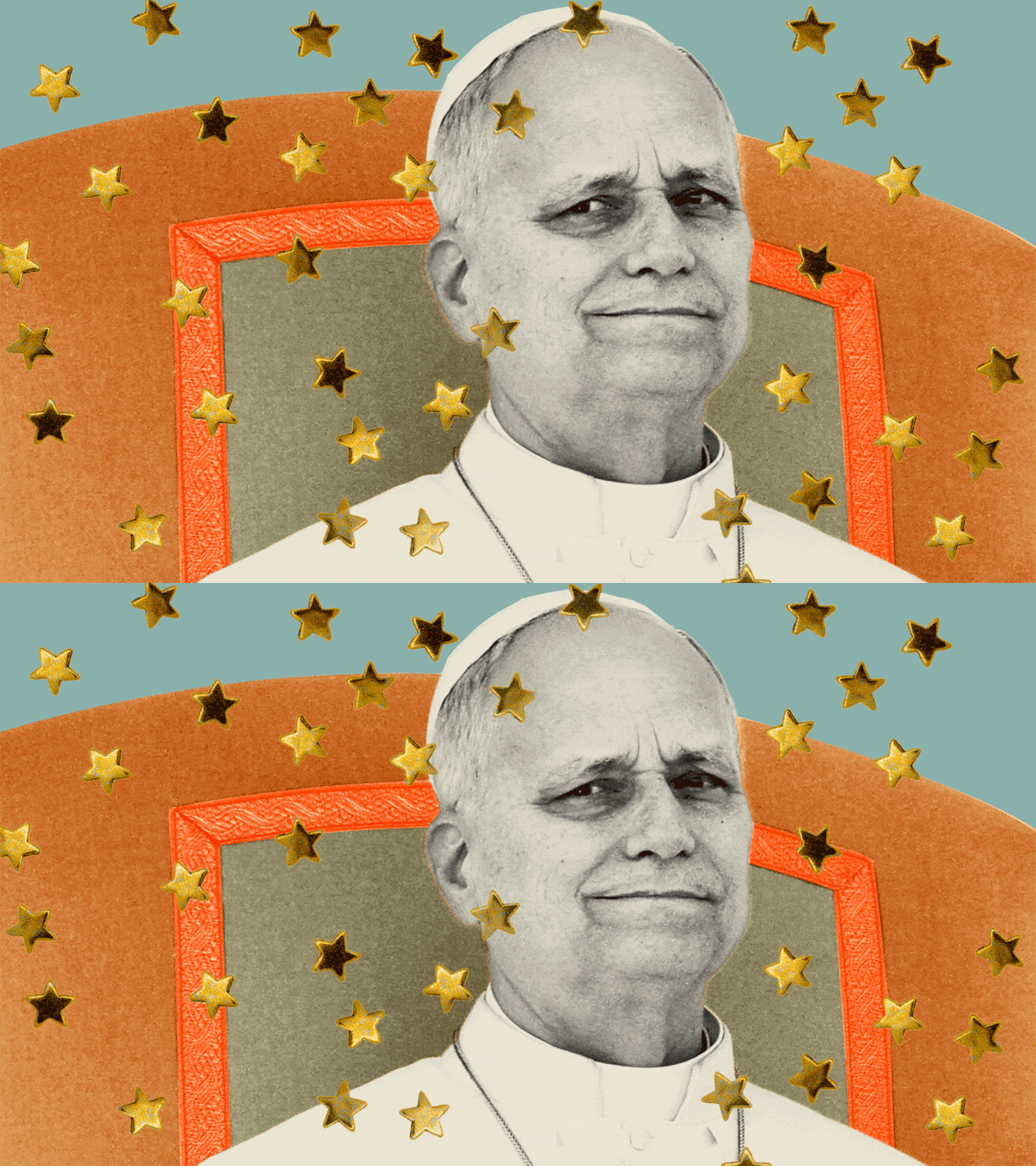
For decades, conservative Catholics and the religious right have prayed for a “red”-blooded American pope. Someone who would place the Vatican’s authority behind their vision of American superiority and exceptionalism, all the while keeping his mouth shut about political issues like climate change and immigration.
Last year, it appeared they got their wish—or at least part of it—when Robert Francis Prevost, at the age of 69, and the son of a Chicago firefighter, became Pope Leo XIV. President Trump praised Prevost’s election as a “very meaningful moment.”
That faith quickly waned.
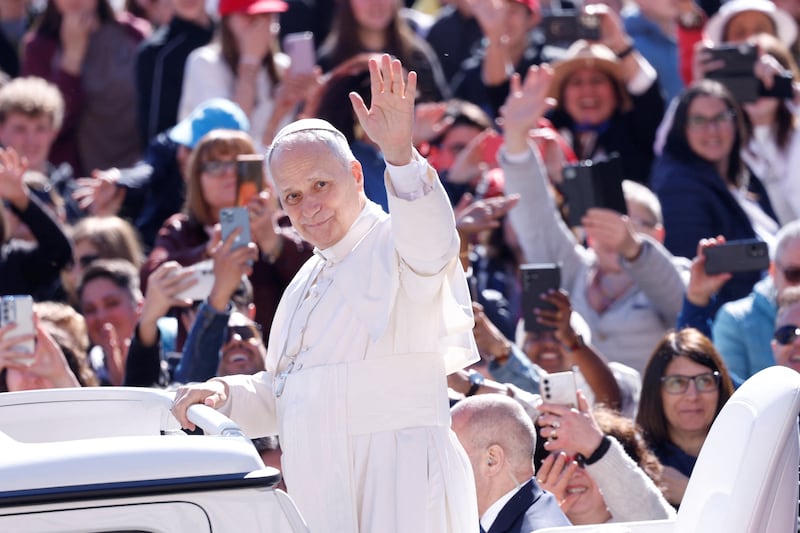
While quiet and calm at first glance, Leo speaks with the bluntness of a man who learned early how to tell hard truths to people who don’t want to hear them. He also had a history of criticizing Trump and his administration, particularly on matters of immigration.
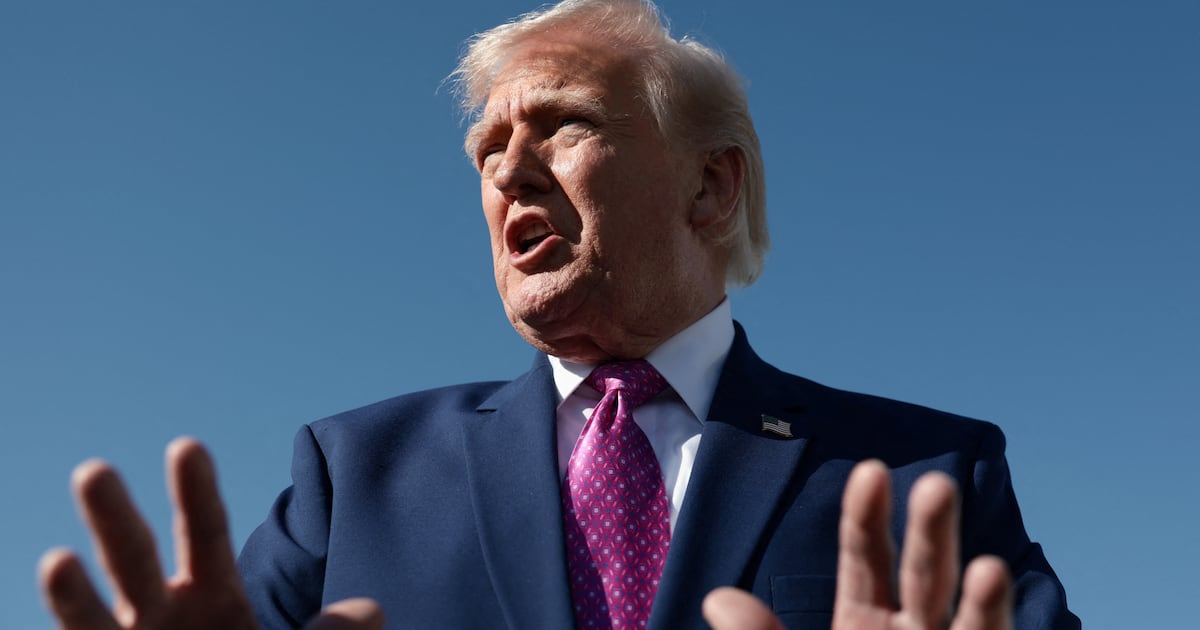
And in the first month of the war with Iran, seemingly at every public opportunity, Leo has spoken out against the conflict. The tension between His Holiness and Trump—as well as other administration officials—reached a surreal moment this week, underscoring a broader schism between the papacy and Washington D.C. After Trump warned that “a whole civilization will die tonight” unless Iran capitulated, Leo didn’t offer vague prayers for peace.
He went all in.
In an unusual gaggle with the press, he called Trump’s threat “truly unacceptable.” Unlike the garrulous and garbled Trump, Leo delivered, with gravitas, a sharp and precise rebuke.
A person familiar with Leo’s resoluteness said that further pushback from the White House would most likely prompt Leo to double down.
What makes this clash so jarring is not a single Christian narrative, but a struggle between radically different ones. The Trump administration has wrapped its military bombardment in the language of holy destiny, with “Secretary of War” Pete Hegseth offering a horrendous Pentagon prayer for “overwhelming violence” against those who “deserve no mercy,” a stark departure from Christian traditions that are centered on mercy, justice, and peace.

In his Palm Sunday homily, Leo vehemently rebutted that rhetoric directly: “He does not listen to the prayers of those who wage war, but rejects them.”
And, in one of his sharpest rebukes, Leo suggested that those prosecuting the war should “make a serious examination of conscience and…go to confession,” clearly implying they are sinners.
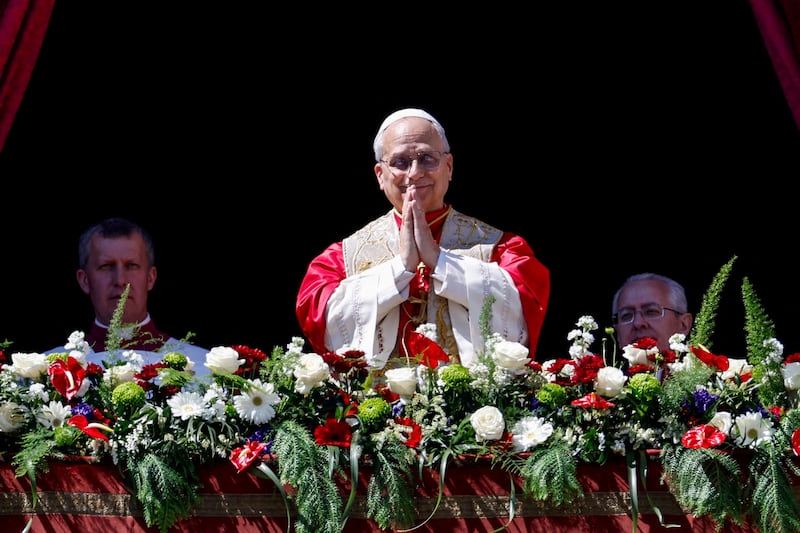
Then there is what happened at the Pentagon in January. Under Secretary of Defense Elbridge Colby reportedly summoned Cardinal Christophe Pierre, the Vatican’s U.S. representative, for what officials described as a “bitter lecture.”
According to The Free Press, a U.S. official invoked the Avignon Papacy, a 14th-century period (1309–1377) when the papacy relocated to southern France and was widely seen as operating under the influence of the French crown, as a warning to a pontiff who doesn’t cooperate. The Pentagon calls the account “exaggerated.”
The Vatican was alarmed enough, still, that Leo canceled a U.S. visit and declined the White House’s invitation for America’s 250th anniversary. Instead, he will spend July 4 on Lampedusa, an island where African migrants wash ashore by the thousands. Trump calls it a “s**thole.” Leo will tend to its victims.

History offers parallels. Italy’s Pius XI turned on Mussolini in the late 1930s as Fascism escalated in his country. Francis, as Cardinal Bergoglio in Argentina, became a moral counterweight to the country’s corrupt Kirchner governments.
And then there is John Paul II. When he returned to Poland in 1979 amid a political crisis, millions flooded the streets. He didn’t call for revolt. He told them, “Be not afraid.” Seeing their own numbers, Poles realized they vastly outnumbered Poland’s Communist regime. That realization helped bring down Soviet Communism more broadly.
Years later, John Paul II warned George W. Bush that the war in Iraq lacked moral justification. Bush went ahead anyway—and paid a generational price.
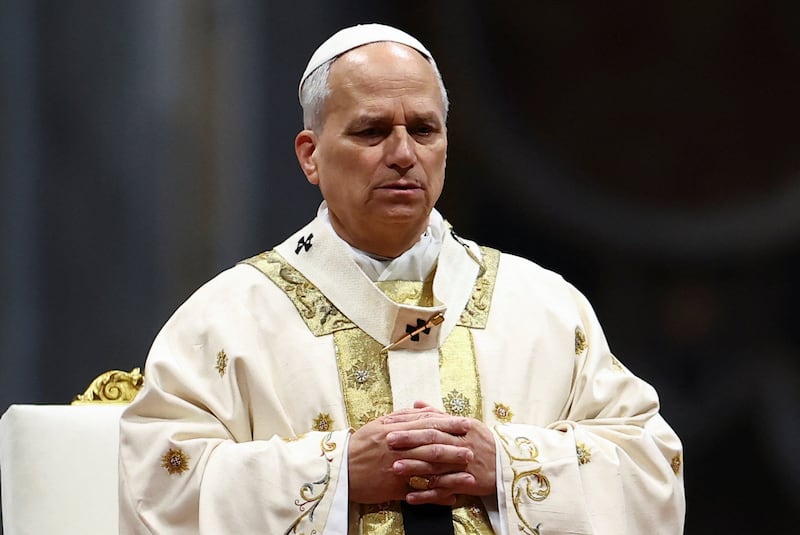
What we are likely watching now is the birth of the Leo Doctrine. Leo XIV is using his American identity to counter the Trump administration’s lunge toward authoritarianism, and positioning the Vatican as a mediator for a global community that no longer trusts Donald Trump’s United States. He understands the seriousness of this moment, and what is happening to his country.
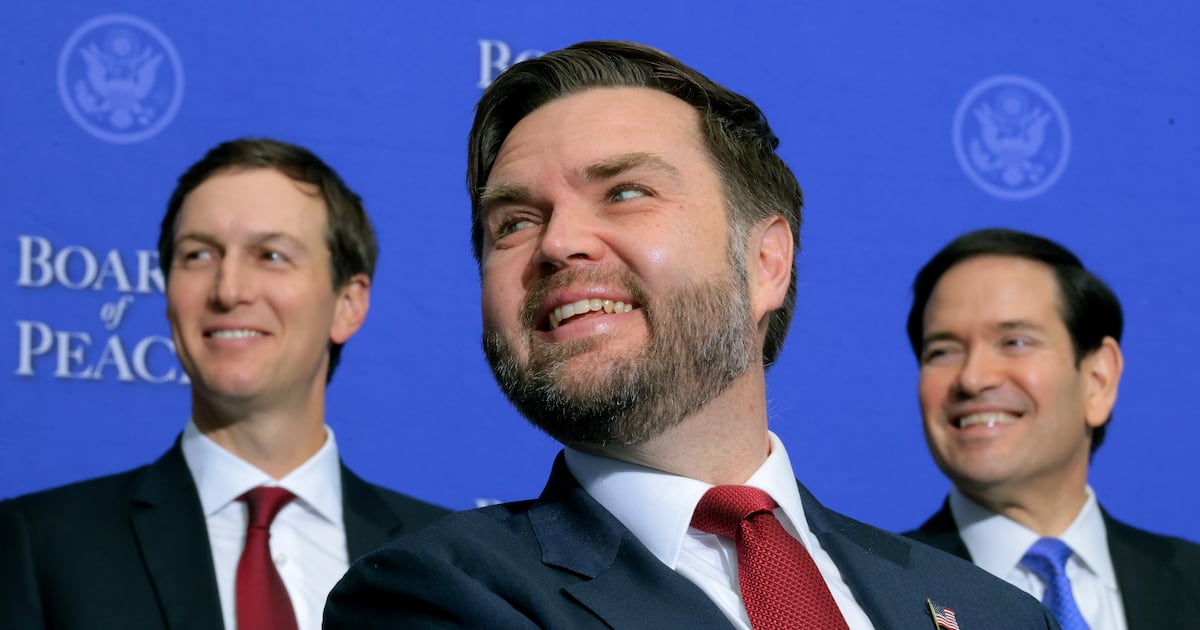
He chose the name Leo for a reason: Saint Leo stood up for laborers, and this Leo has shown a similar instinct, from his missionary work in Peru to his criticisms of immigration crackdowns. His blunt declaration—“JD Vance is wrong: Jesus doesn’t ask us to rank our love for others”—cut directly at Vance’s attempts to use theology to justify immigration policy.
(Vance, who was raised a conservative Protestant and later identified as an atheist, was baptized and confirmed into the Catholic Church in August 2019. He speaks often about how his faith often informs his politics and policy positions.)

The “Soul of the Nation” has become a recurring campaign theme in recent elections, framing politics as a struggle over the country’s character, not just its policies. It suggests the United States has a shared moral core, and one that can be protected or eroded by its leaders.
Trump’s second term has methodically shredded what remains of that soul, and the pope, a figure most certainly devoted to saving souls, isn’t having it. As the Iran conflict drags on and the administration’s theological veneer implodes, perhaps Trump’s most dangerous opponent isn’t in Tehran, but an articulate, devout, widely admired and trustworthy American pope in Rome.
Leo clearly holds dear what his country is supposed to stand for. In other words, he understands the soul of his nation.