

Ukraine’s bombardment of Russian infrastructure and logistics hubs is having a long and lasting impact, new analysis has revealed.
Kyiv has ramped up its long-range unarmed drone strikes, penetrating deep inside Russian territory over the summer, with some going as far as Siberia.
Coupled with mounting war dead, estimated by the Center for Strategic and International Studies to be creeping toward half a million, the strikes have brought the war home to everyday Russians.

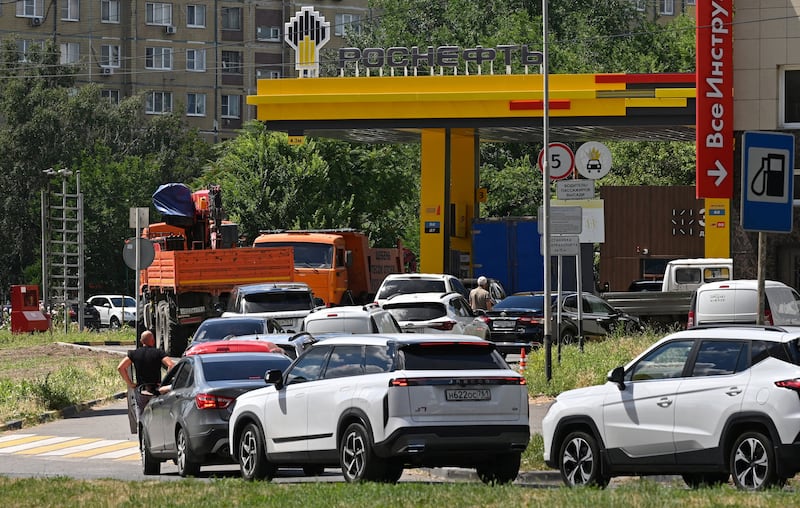
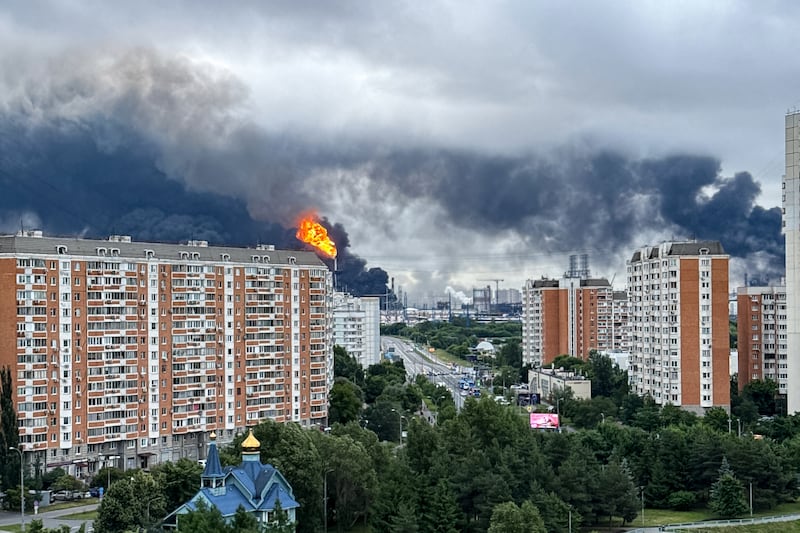
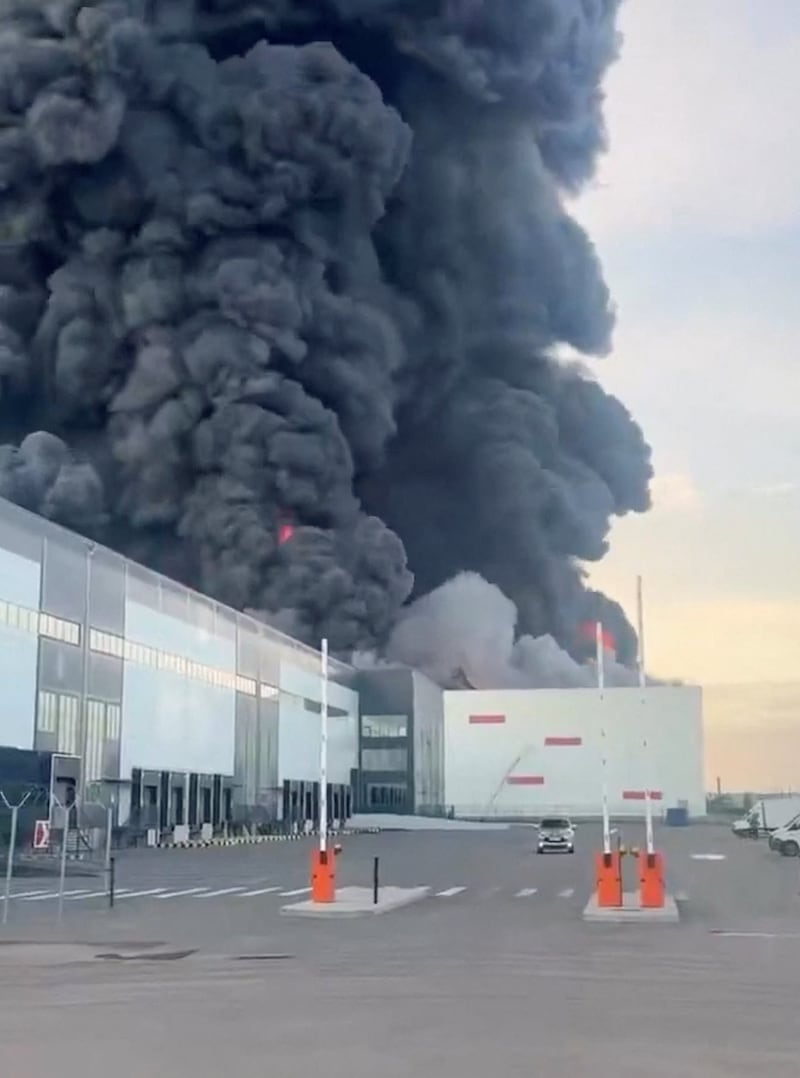
It has led to signs of growing frustration amongst the population, and growing pressure on the Kremlin and Vladimir Putin, as citizens face blackouts, long lines for gas, and enemy bombs flying overhead in their towns and cities.
The extent of the damage has now been laid bare by the new Financial Times analysis, which incorporated satellite images, infrared imaging, and the scouring of the refinery plans and layouts, to reveal that the attacks have had a lasting effect that can still be seen from space.
Russia’s fossil fuel reserves are the backbone of its economy, and its sprawling, technologically advanced refineries are the beating heart. But the FT’s work suggests that key facilities are still damaged or operating under capacity weeks after they’ve been hit by Ukrainian drones. In some cases, it’s months.
Russia’s actual and nominal production capacity for oil and natural gas has been stymied by 35 to 40 percent, the FT reported, which has sparked the country’s worst energy crisis since the fall of the Soviet Union.
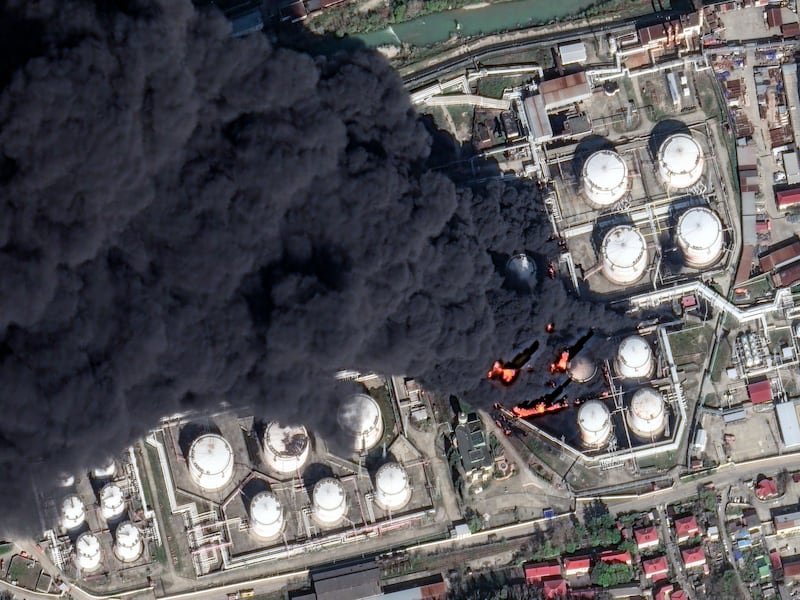
The newspaper’s satellite imaging, assisted by analysis from Frontelligence Insight, shows sprawling areas of Rosneft’s huge Tuapse oil refinery on the Black Sea coast still blackened and burned from Ukrainian attacks in the spring.
Despite being 310 miles from the front line in Ukraine, a huge fire was sparked by a strike in mid-April, followed by another at the end of the same month.
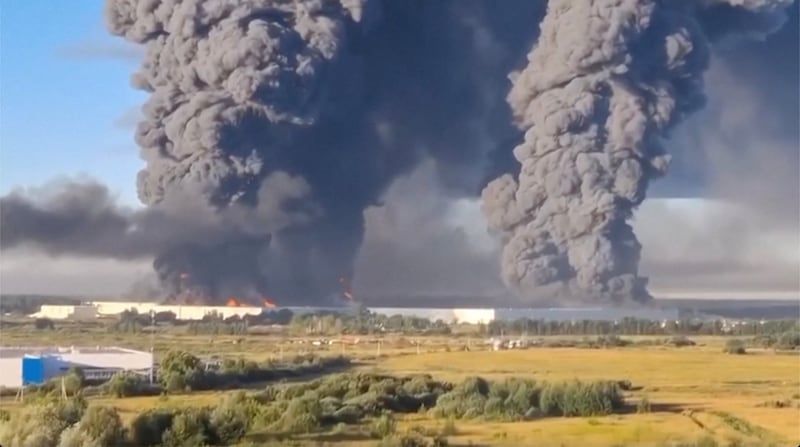
The FT reports that Ukraine destroyed a technologically advanced processing unit once hailed by Putin, as well as around a dozen reservoirs, sending huge black smoke towers into the sky, sparking evacuations, and later causing toxic rain.
Kyiv has also hit a target in Omsk, which is some 1,550 miles from Ukraine and is one of the largest refineries in the world. Again, the strikes damaged parts of the facility which are critical to the process of refining fuels, and satellite imaging showed it was still damaged long after the drones fell.
Ukraine, meanwhile, is doubling down. The same report suggests that drone operators to the west of the frontline are being briefed on which plants are most vital, most vulnerable, and which would cause the most chaos in the country that invaded theirs more than four years ago.
Speaking to the Daily Beast, Matthew Powell, an air power and strategic studies lecturer at the University of Portsmouth, explained how Ukraine’s offensive play ramps up the pressure on Putin.
“Through attacking oil refineries, Ukraine is also looking to increase the economic cost of the conflict to the Russian population,” he said.
“By reducing the refining capacity, shortages of oil will increase, adding to the inflationary pressures that the Russian economy and its people are experiencing in the hope that this will reduce the overall popularity of Vladimir Putin and the war amongst the people, forcing Putin to agree to peace terms that are less favorable to Russia than would be hoped.”
He noted the play could also have an impact on the frontline, by “forcing Russia to focus more on the defense of strategically important assets on Russian territory, meaning that anti-air defenses that could be utilized on the front lines now have to be deployed in Russia itself, increasing the vulnerability of Russian forces to air attack.”