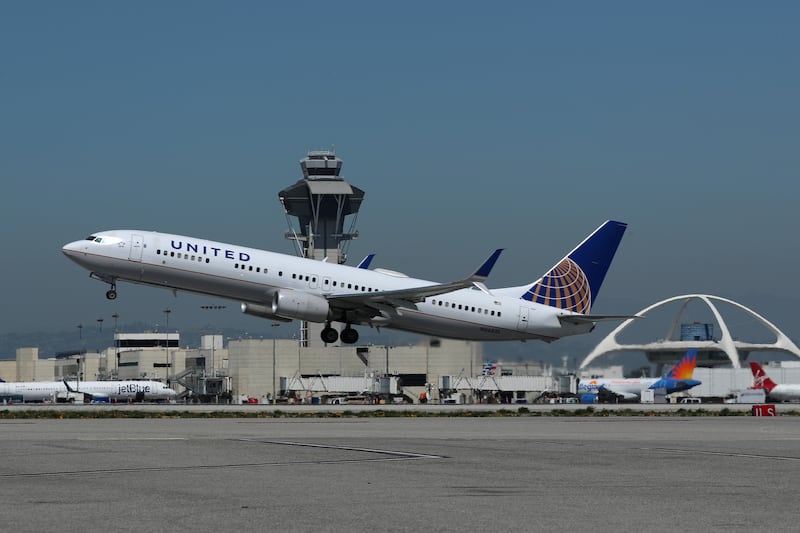
Another company is planning to mark up prices in response to rising fuel costs stemming from President Donald Trump’s war with Iran.
United Airlines CEO Scott Kirby announced on Wednesday during the company’s earnings call that the airline may need to raise prices by 15 percent to 20 percent to match the increase in jet fuel costs. He believes that fuel prices could remain elevated at about $4.30 a gallon for an extended period as the Iran war continues.
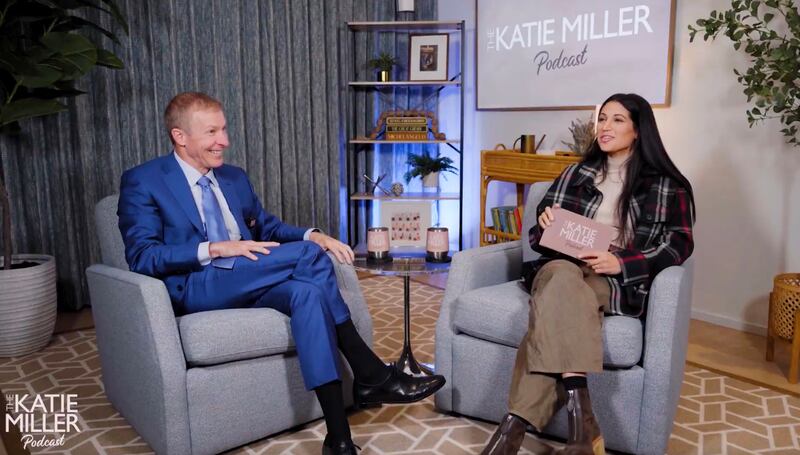
Kirby stated that the company aims to pass 100 percent of the increased input costs directly to consumers in order to recover the extra costs “as quickly as possible.”
They plan to gradually raise prices, a process that began in the first quarter with fare increases and higher baggage fees. The company expects to recover 40-50 percent of the increased costs in the second quarter, 70-80 percent in the third quarter, and up to 100 percent by the fourth quarter.

Demand for United tickets has remained strong so far, but the chief executive is concerned that consumers may skip travel as prices continue to rise.
United’s shares fell about 6 percent this morning following Kirby’s comments.

The war has been an unprecedented shock to the global economy. Businesses worldwide have raised prices in response to the disruption to oil markets after Iran halted ships from passing through the Strait of Hormuz, through which one-fifth of the world’s oil supply passes.
Brent crude started at $70 per barrel before the hostilities and peaked at $110 during the nearly two-month-long conflict.
Lufthansa canceled 20,000 short-haul flights in response to the price increase. The world’s largest condom maker, Karex, said its prices could rise 30 percent if the war continues. Even the United States Postal Service added a surcharge to postal deliveries to cover the additional costs.
Inflation in the U.S. has reached 3.3 percent, more than 1 percent above the Fed’s 2 percent target and the highest it has been in two years.

And it is not expected to come down anytime soon.
“By the end of the year, prices will be notably higher than they would have otherwise been,” Joseph Gagnon, senior fellow at the Peterson Institute for International Economics, told the Financial Times.
“[Inflation] is going to gradually unwind, but it’s not going to fully unwind even by December — it’s going to be in some noticeable amount higher than it was in January.”