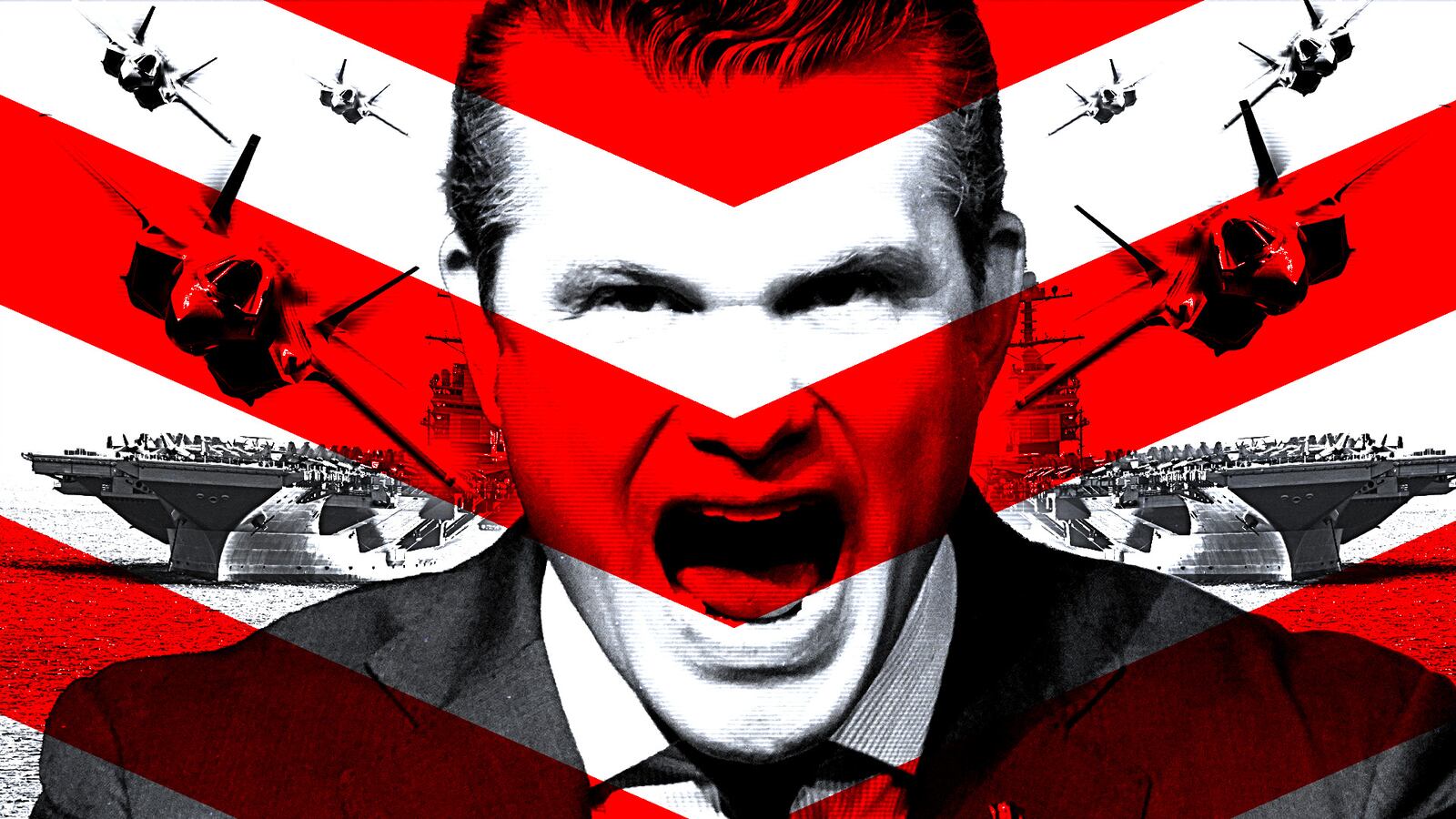
Since the early days of the current administration and certainly the earliest days of his current gig, political pundits—and Democrats galore—have been anticipating the end of Pete Hegseth’s tenure as Secretary of Defense.
There’s been good reason to think Hegseth would be a blip on the Red Dawn radar. He was arguably the least qualified Def Sec nominee in history, making George H.W. Bush’s ill-fated pick John Tower—who was rejected in 1989 over ethics concerns and drinking allegations—look like a teetotaler. If any ordinary recruit had Hegseth’s blemished record, they’d be sent back to mommy—or at least to a Fox Nation gig.
He squeaked through his confirmation hearings on a 51–50 vote, with Vice President JD Vance casting the tie-breaker. Then came the “I told you so’s”; mishaps and mischief that seemed certain to force his ouster. In February, Hegseth got over his skis by unilaterally declaring that Ukraine’s NATO membership was an “unrealistic” outcome of any negotiated settlement with Russia. Then came an inspector general’s “Signalgate” rebuke for sharing sensitive intelligence on an unsecured messaging app, congressional hand-wringing over lethal operations in the Caribbean, and a steady parade of resignations inside the Pentagon.
Yet Hegseth today remains intact, unbowed, more egomaniacal than ever, and, alarmingly, more central to Trump’s agenda than ever before. The cultural controversies that once seemed disqualifying now feel almost curious. The Venezuela incursion that yielded the capture/kidnapping of Nicolás Maduro was widely praised—Hegseth was in charge, so he’s getting the credit.
If there were an MVP award for Trump’s Cabinet, right now, the smart money would be on Hegseth. Of course, that’s not a compliment.
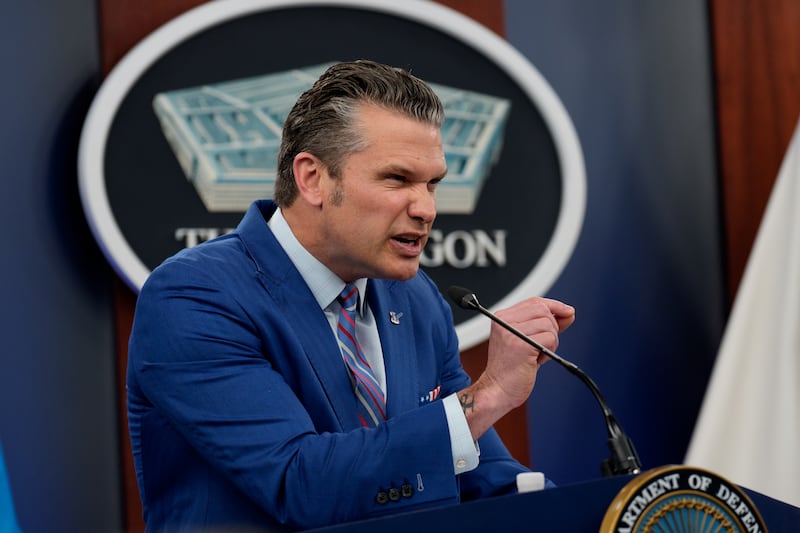
To critics and anyone with a functioning moral compass, Hegseth’s behavior looks like dereliction of duty. In Trumpworld, though, it’s a prerequisite. Loyalists take their cues from the top: recklessness, law-flouting and chaos are assets, not liabilities.
To Trump’s base, Hegseth is someone willing to punch down, punch hard, and flout established protocols when it comes to, you know, professional conduct and control of the military. It’s easy for civilians to forget that this locker-room rhetoric, like a halftime pep talk, can be intoxicating in a hyper-masculine world. It fuels aggression and cohesion, but it also narrows moral judgment—and blurs the line between lawful force and brute impulse. Many combat-ready troops hear Hegseth talking like them. I’ve spoken with a few. They love it.
Over the years, queer service members have told me that while acceptance exists in pockets, they remain surrounded by profound homophobia and misogyny. For women, the message is starker still. Their presence is conditional, and their silence expected. In that regard, Hegseth’s misogyny is chilling.
Because Hegseth isn’t just one of the boys—he’s their spokesman. The golden boy, valued less for skill than for his shine. He gives voice to a faction that still holds real power and wants to strip “warrior ethos” of restraint and accountability.

That dovetails neatly with Trump’s second term. Behind the scenes, Stephen Miller has been sketching a world order defined by strength, force, and domination. It’s music to Trump’s ears, and to Hegseth’s.
Trump’s territorial ambitions, threats toward neighbors, and strikes abroad aren’t mere vagaries. They reflect a belief—he despises weakness, ironic for someone weak in so many ways—that the world only respects force, even when that force alienates allies and destabilizes volatile regions. And Hegseth’s posturing no longer reads as reckless inside this ecosystem. Rather, it’s credentialed, and it’s the perfect manifestation for a foreign policy where “shoot first, ask questions later” becomes doctrine. One that favors bravado over review, a beer before a briefing.
Take his current “Arsenal for Democracy” tour—it’s less a trip than a traveling ideology, one that celebrates hardness, mocks hesitation, and treats brute force as moral clarity. When that’s repeated often, that bellicosity becomes permission. Aggression becomes competence. Virility becomes the key attribute.
Hegseth’s survival isn’t a mystery; it’s proof of something ominous. Scandals are reframed as toughness. Turnover becomes “cleansing.”
If Trumpism survives Trump, it will likely be carried forward by figures who embrace coercive power. Hegseth may be only an early case, but he signals a shift toward actors who are more methodical and operational, and for that reason, pose a greater risk than their predecessors.
So no, Pete Hegseth isn’t going anywhere. The real question isn’t whether he survives Washington, but what Washington becomes under him, a Pentagon stripped of restraint, alliances hollowed out, oversight weakened, and military force treated as the first answer instead of the last.