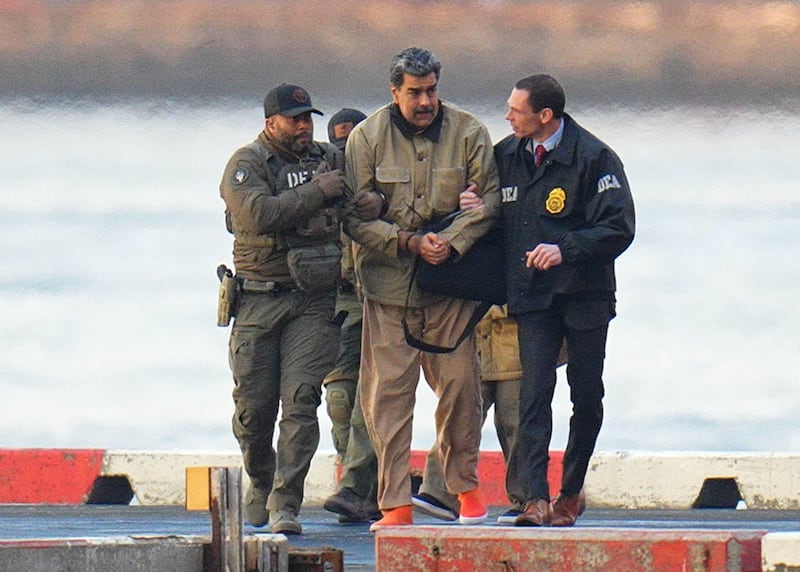
A U.S. special forces soldier involved in the military operation to capture Venezuelan President Nicolás Maduro has been arrested and charged for betting on the mission.
Gannon Ken Van Dyke, 38, was part of the mission to capture Maduro and transport him to the U.S. on Jan 3. He was also involved in planning in the lead-up to the event, starting on Dec. 8, and had signed non-disclosure agreements requiring him not to divulge “any classified or sensitive information” relating to the mission, the Department of Justice said in a release on Thursday.

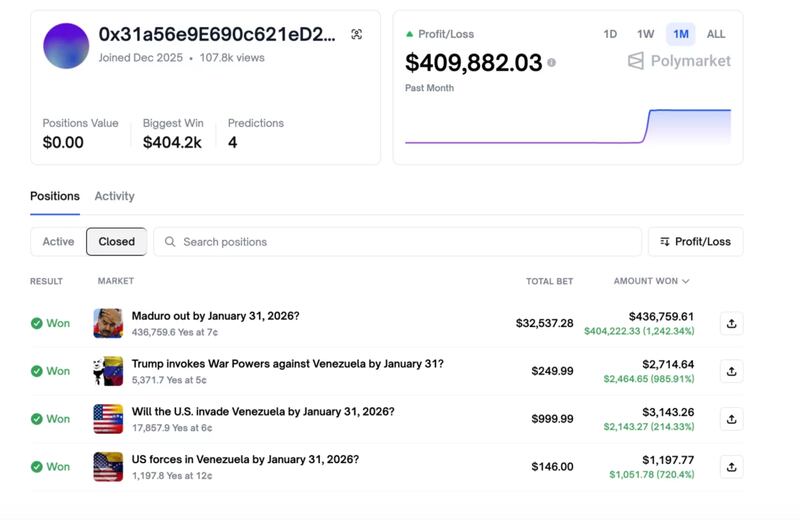
Between Dec. 27 and Jan. 2, the day before the operation took place, Van Dyke bet $32,000 that U.S. forces would enter Venezuela and that Maduro would be out by Jan. 31. Federal prosecutors said that he sent his earnings, which exceeded $400,000, to a foreign cryptocurrency vault before transferring them to an online brokerage account. He then asked Polymarket to delete his account.
Van Dyke was a senior enlisted special forces soldier stationed at Fort Bragg in Fayetteville, North Carolina. He joined the Army in 2008 and was promoted to Master Sergeant in 2023.
He is facing five criminal charges, including unlawful use of confidential government information for personal gain, theft of nonpublic government information, commodities fraud, wire fraud, and making an unlawful monetary transaction, and could face several years in prison.
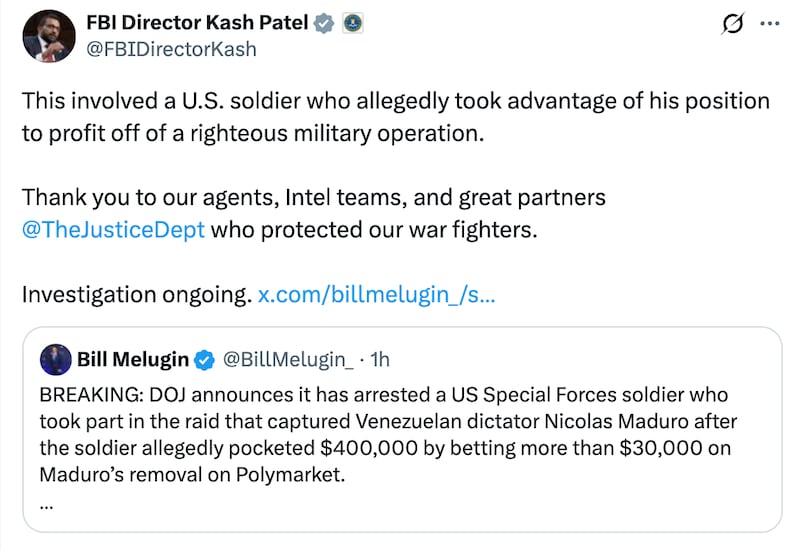
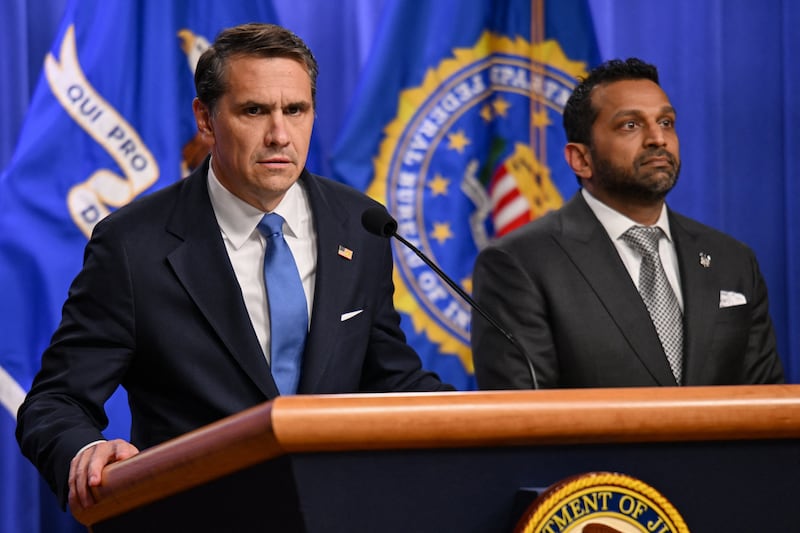
FBI Director Kash Patel praised the agents who uncovered Van Dyke’s scheme in a post on X, writing, “This involved a U.S. soldier who allegedly took advantage of his position to profit off of a righteous military operation. Thank you to our agents, Intel teams, and great partners @TheJusticeDept who protected our war fighters.” He noted that the investigation is ongoing.
U.S. Attorney for the Southern District of New York Jay Clayton said following Van Dyke’s arrest, “Those entrusted to safeguard our nation’s secrets have a duty to protect them and our armed service members, and not to use that information for personal financial gain.”
Acting Attorney General Todd Blanche noted in the release that, “Widespread access to prediction markets is a relatively new phenomenon, but federal laws protecting national security information fully apply.”
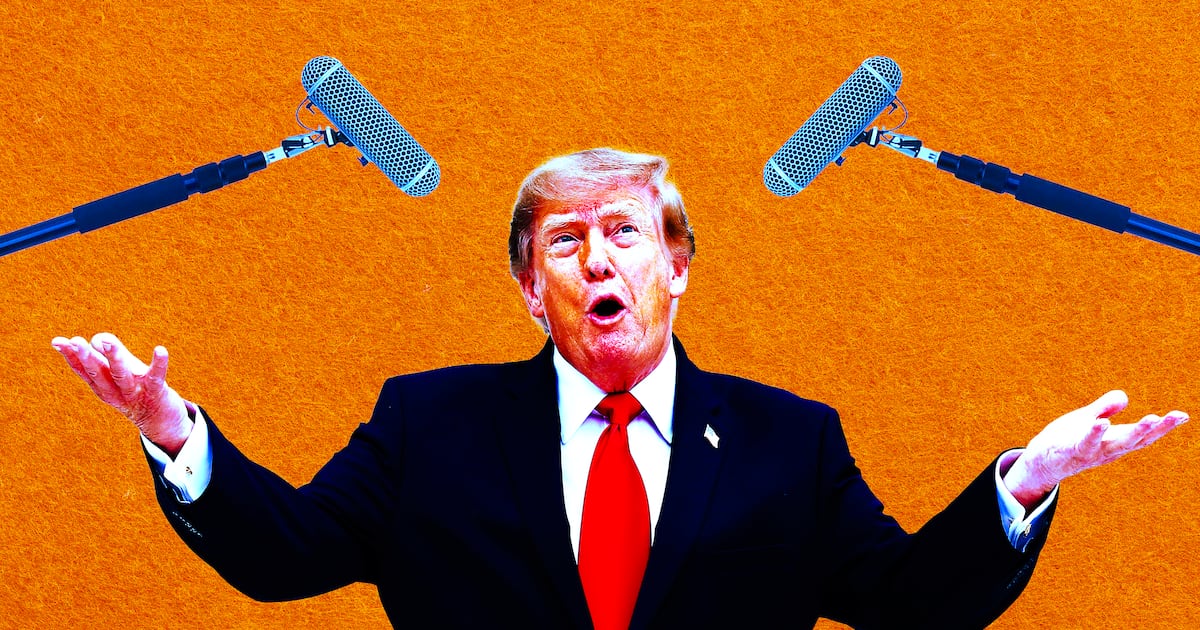
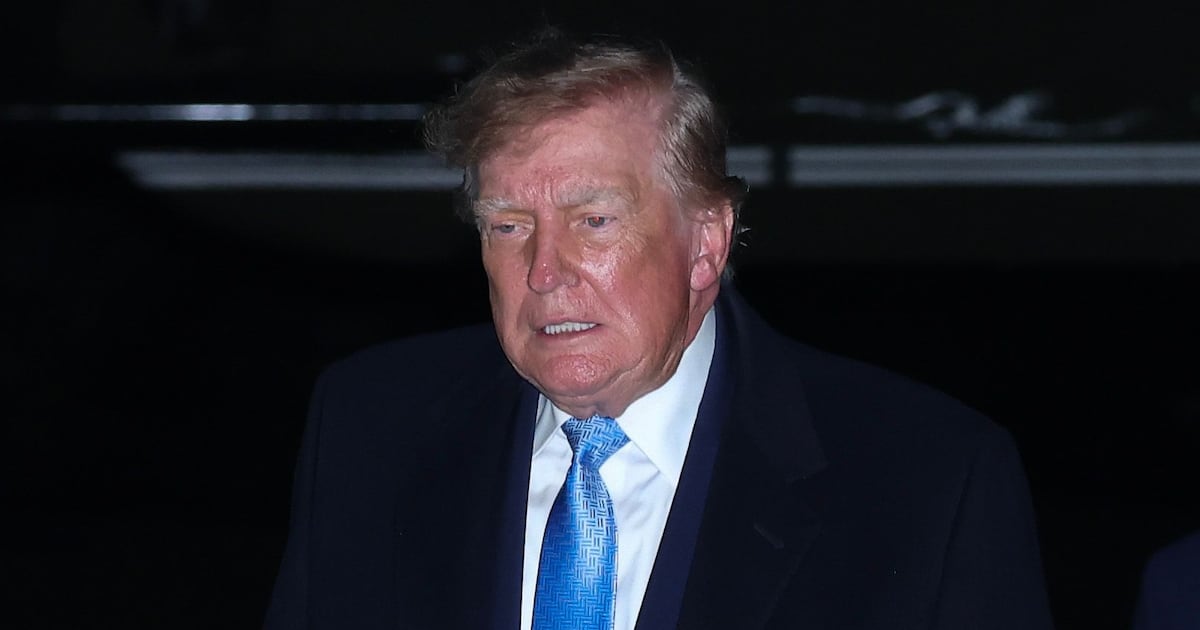
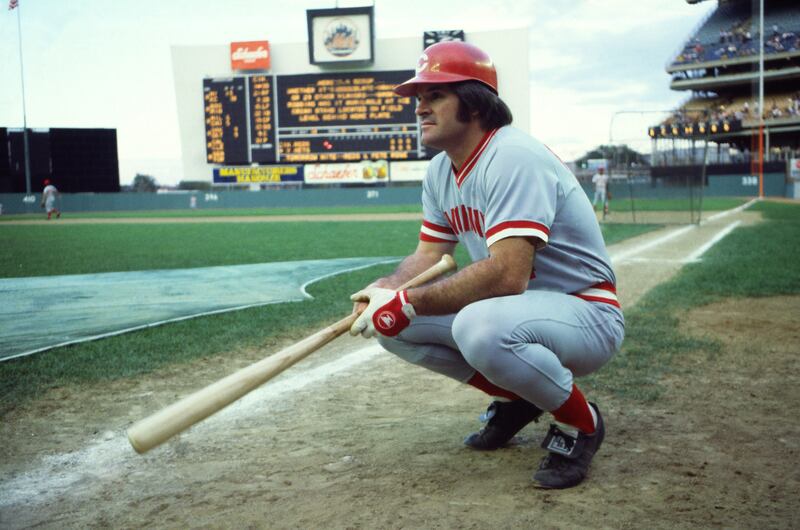
Asked about the arrest on Thursday, President Donald Trump quipped that it was “like Pete Rose betting on his own team,” a reference to the baseball player who was banned from the sport for gambling.
“Pete Rose, they kept him out of the Hall of Fame because he bet on his own team. Now, if he bet against his team, that would be no good, but he bet on his own team,” he continued.
Trump tweeted his support for Rose in 2015, writing, “Can’t believe Major League Baseball just rejected @PeteRose_14 for the Hall of Fame. He’s paid the price. So ridiculous — let him in!”

Vice President JD Vance also joked about the arrest minutes later after the president was asked about speculation that Italy would replace Iran in the upcoming FIFA World Cup.
“Let Marco make his Polymarket bet on that first‚” Vance interjected, after the president said he hadn’t thought about the issue.
Van Dyke’s account was first noticed by online sleuths shortly after Maduro’s capture, according to NPR. Under the username Burdensome-Mix, Van Dyke bet almost $34,000 on questions such as “Maduro out by January 31, 2026?” and “Will the U.S. invade Venezuela by January 31, 2026?”
He earned back over $409,000 when the events, of which he had advance knowledge, came to pass on Jan. 3.
Van Dyke’s arrest comes as concerns about improper use of online betting markets grow. Kalshi announced on Thursday that it had suspended accounts belonging to three political candidates who bet on the outcomes of their own races.
“Just like in traditional financial markets, bad actors will try to cheat,” Kalshi’s enforcement and legal counsel Bobby DeNault said in a statement. “Regulated exchanges must constantly evolve and adapt their systems to address insider threats. These three cases are an example of how developing proactive engineering solutions can help identify illicit trading activity.”

Concerns have become so substantial that the White House reportedly issued a written reminder to staff that insider trading is a federal offense, after reports that some bettors wagered that the U.S. would attack Iran in the days and hours leading up to Trump’s strikes on the country.
“Recent press reports have raised concerns about government officials using nonpublic government information to place wagers on online prediction markets, such as Kalshi or Polymarket,” the email, which was sent on March 24 and was later obtained by CBS News, said.
The email goes on to say that it is a “criminal offense for anyone to use nonpublic information to buy or sell these contracts,” noting that “government ethics regulations prohibit the use of nonpublic information for the private benefit of an employee or any other third party.”
“All White House employees are reminded that the misuse of nonpublic information by government employees for financial benefit is a very serious offense and will not be tolerated.”