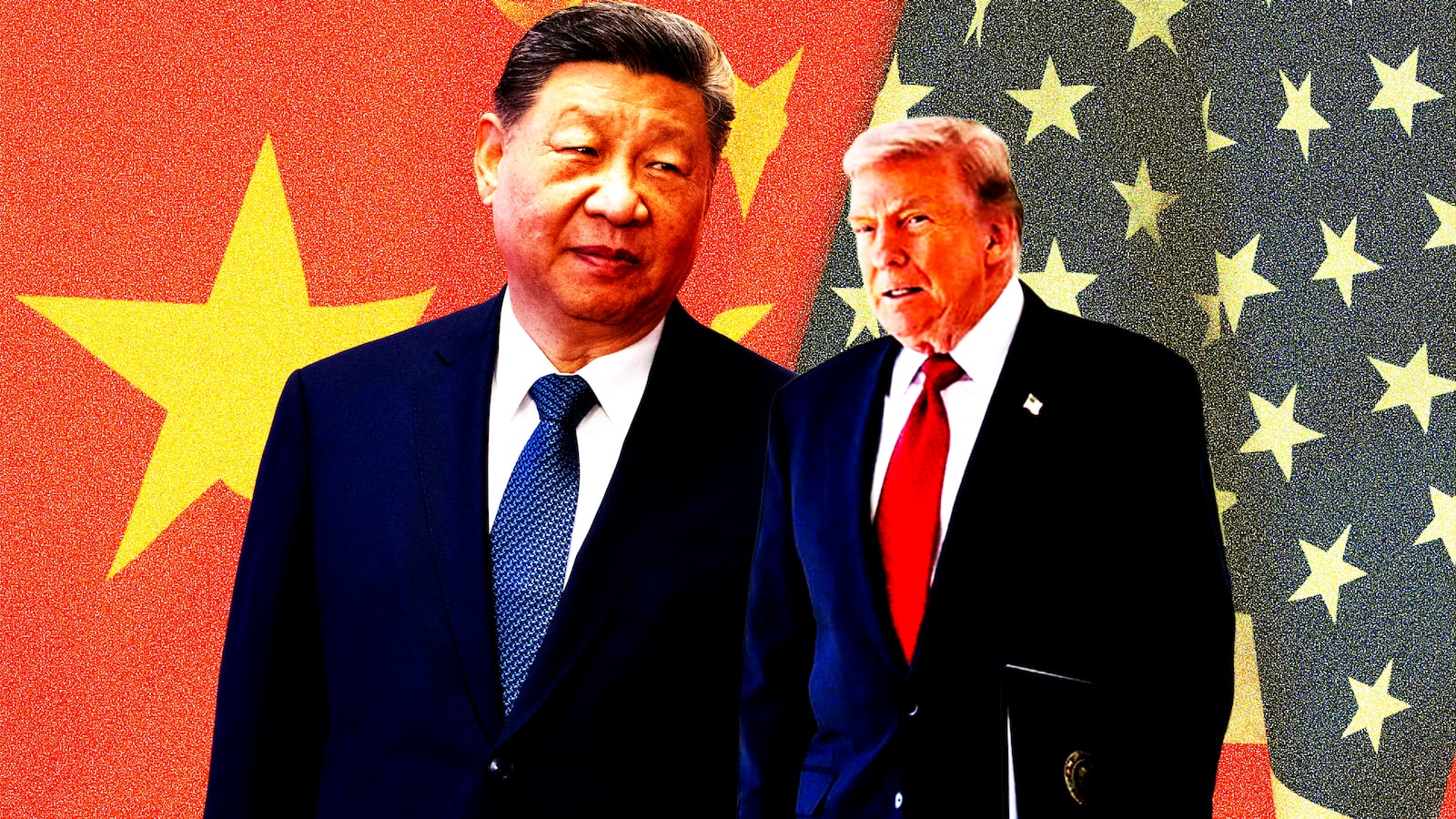
This week, from the 13th to the 15th of May, the two men who have arguably done the most during this century to make China the world’s most powerful nation will meet in Beijing.
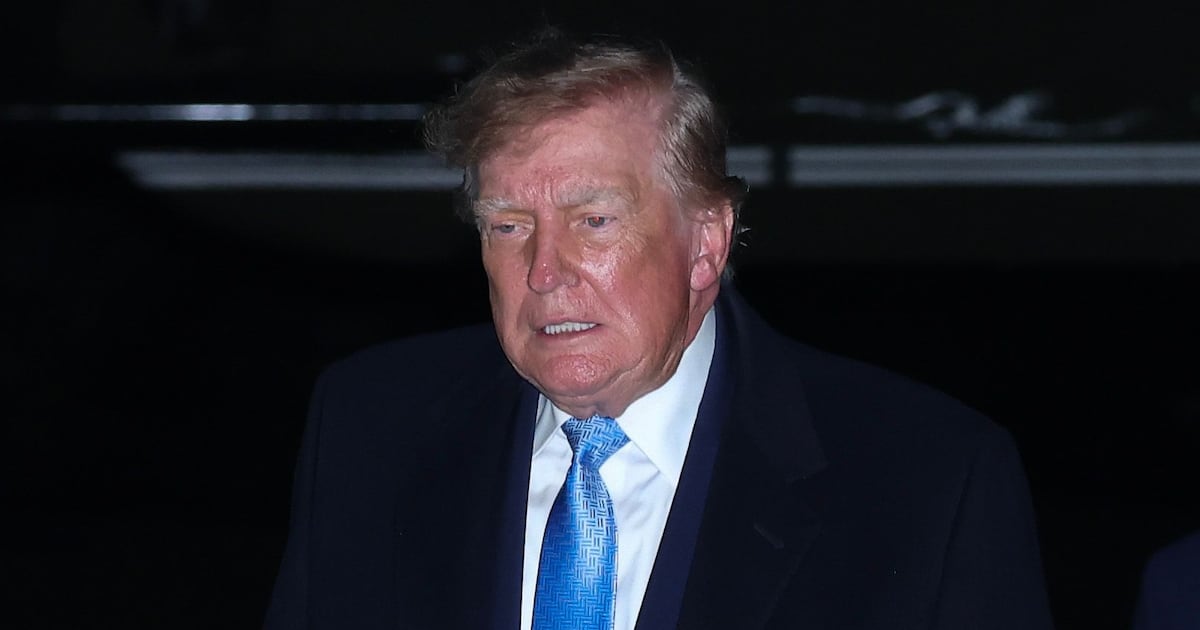
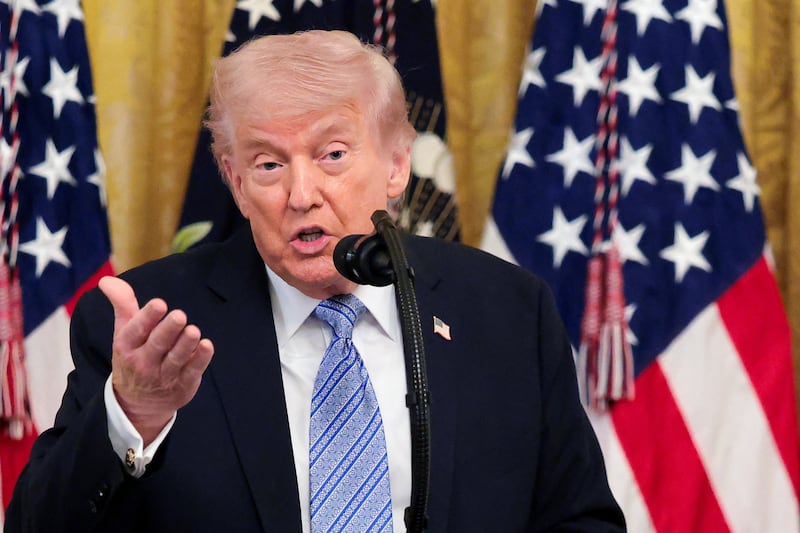
One is China’s leader, Xi Jinping. The other is Donald Trump, an aging, increasingly feeble president one month shy of his 80th birthday. He’s seeking a traditional Chinese remedy for the many things that ail him. At the very least, he hopes to change the subject from his disastrous war in Iran and plummeting domestic political fortunes. More ambitiously, but in all likelihood futilely, he hopes to help his own dimming brand by associating it with the man he sees as the gold standard among the world leaders he most admires.
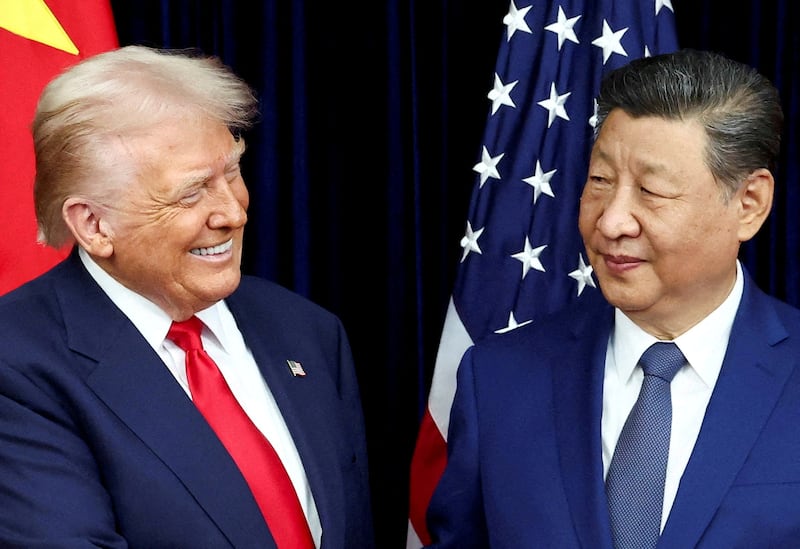
In so doing, Trump will be following in the footsteps of many dignitaries throughout history who have journeyed to China’s capital to meet with that country’s ruler. It is a line that stretches back millennia and reportedly includes Marcus Aurelius, Papal legates, and Asian heads of state.
Such visits in ancient times followed a strict protocol via which foreign visitors were compelled to recognize their inferiority to China’s leader. Tributes were brought. Gifts were bestowed. And formal audiences typically involved a complex ritual known as the “three kneelings and nine prostrations.” This process, which involved a lot of bowing and scraping, was known as the Grand Kowtow.
While modern Chinese leaders do not seek such outright displays of obeisance from visiting heads of state and government, don’t be surprised if a grand kowtow is the net result of this summit.

Donald Trump, despite recent articles that suggest that he currently views himself as a great historical figure, is, in relative terms, the weakest U.S. president to ever meet with China’s top official. Trump has systematically weakened America’s alliances, squandered its resources, undermined American standing, and tampered with the engines of U.S. strength in research and development, academia, and leadership in key industries.
Furthermore, Trump has almost systematically taken steps that have benefited China. He has promoted fossil fuels and pushed up their prices, thus enabling China, the world leader in green technology, to cash in. He has turned away the best minds from our universities by scaring away immigrants, which has weakened the U.S. and, in many respects, aided China. He has cut funding for scientific research while China has done the opposite. He has siphoned off dollars that could have been invested in American schools and the health of the U.S. workforce to enhance the wealth of a tiny subset of the U.S.’s richest people. He has fostered trade wars and enabled China to step in and seize new markets. He has made America look undependable and China, by comparison, appear more stable. He has gutted U.S. assistance to foreign countries and, in so doing, created important openings for a China eager to grow its networks worldwide.
China is leading in many new technologies of tomorrow, whereas the U.S., often the birthplace of innovation, is falling behind.
Trump has so damaged the core U.S. relationships with countries worldwide that he is seen more as a pariah than any American leader ever. Certainly, as an enemy of democracy and supporter of strong men worldwide, Trump can no longer claim, as past U.S. presidents did, to be the “leader of the free world.”
Indeed, in many ways, this trip will mark the end of the idea that America’s president is the world’s most powerful person.
While China has a plethora of problems, it has seized on Trump-induced weaknesses and other U.S. missteps to dramatically expand its influence worldwide through trade, investment, aid, and diplomacy. Indeed, as illustrated in the current Middle East crisis, China is pioneering a different approach to being a superpower—less ideological, more transactional, more soft-touch and low-key than the U.S. (or the Soviet Union) in prior decades.

Even hosting Trump for this visit is an example of that. Trump will be feted. He will get the pomp he loves. He will be granted latitude by the Chinese to say he pressed them on key issues—like aiding Iran—when in fact, he will apply very little pressure at all. Rather, Trump, desperate for a win on the world stage will seek deliverables by dipping into his old bag of tricks (creating a crisis via a trade war and then declaring a win when he undoes the damage) and letting China dip into theirs (promising to buy billions of dollars worth of American products and invest in the U.S…despite a track record of not honoring such promises in the past.)
Trump can declare the trip a success and talk of his great relationship with Xi. And behind closed doors, China may just get a wink and a nod about its aspirations to reunite with Taiwan, a subject about which, like most things in this world that do not directly result in cash transfers to Trump family bank accounts, Trump really doesn’t care that much. At least that is the expectation and the worry of many experienced U.S. China hands.
Certainly, Trump’s tacit and often directly support of Russia’s war of aggression with Ukraine (while launching illegal wars of his own), his shifting U.S. military resources out of the Indo-Pacific region, and depleting stockpiles of key weapons are already seen as having sent clear messages to China that the door to moving to annex Taiwan is more open than it has been at any time in decades.
But Trump’s attention will not be on the long-term future of the U.S.-China relationship. Rather, it will be on seeking to engineer a respite to a litany of developments in his second term in office that have ranged from failures to catastrophes.
Trump will instead focus on photo ops and feel-good superficialities, while the Chinese know that all they need to do, beyond offering those great banquets and flattering toasts, is let Trump be Trump—and that with his every action, he will very likely continue to make China stronger. Distracted by his narcissism, Trump won’t even notice that China’s social media is full of memes mocking the U.S. president or that one of the most popular nicknames for him in China is Chuan Jianguo—which literally means “comrade nation builder.” It is, of course, an acid Chinese reference to the work Trump is doing to help strengthen not the U.S. but the People’s Republic of China.