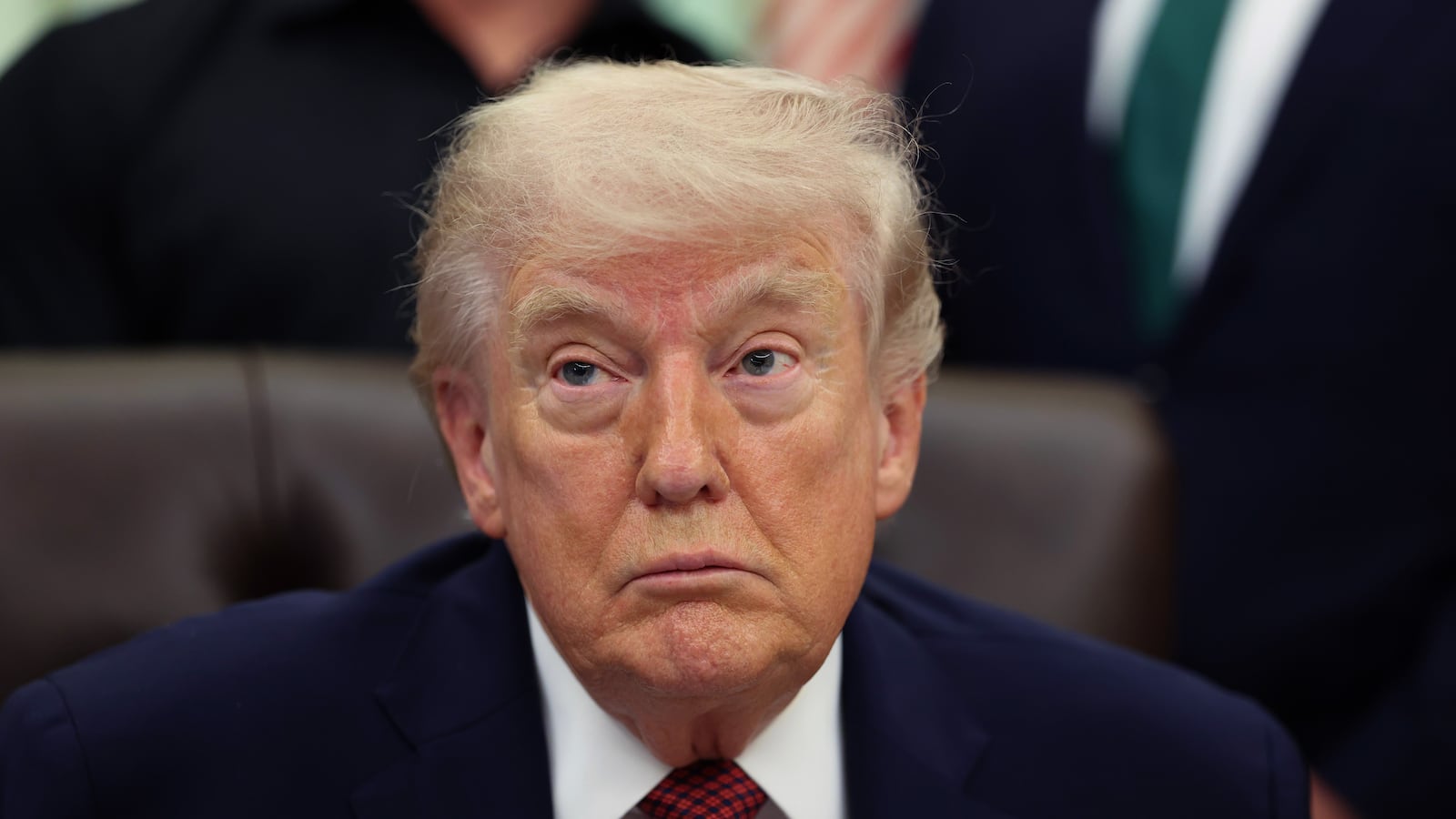
A judge issued a stern warning to Donald Trump’s Department of Justice not to go back on its word that the president’s Jan. 6 slush fund was dead on arrival.

The DOJ last month announced the creation of a $1.776 billion fund that would make secret payments to Capitol rioters and other Trump allies who say they were wrongly prosecuted by the Biden administration, without any legal or congressional oversight.
The fund was created as part of a dubious “settlement agreement” arising from a $10 billion lawsuit Trump brought against the Internal Revenue Service over tax returns leaked to the press by an independent contractor.
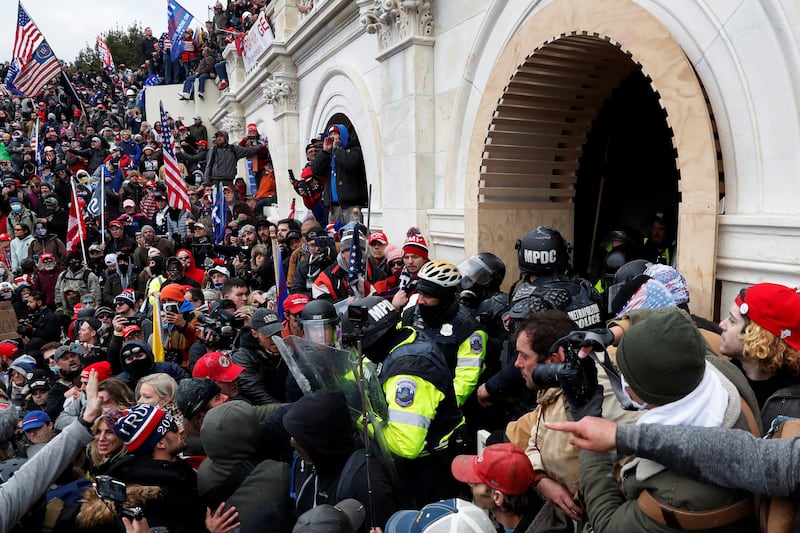
But Trump and his DOJ said they were abandoning the scheme after the fund was temporarily blocked by the courts—and after congressional Republicans staged a mutiny, refusing to pass Trump’s other priorities until the fund was axed.
During a hearing in Washington, D.C., on Wednesday, a federal judge warned the DOJ not to try to revive the moribund fund, The Washington Post reported.
“Don’t play possum with this court,” Judge Richard Leon said.
The DOJ’s so-called “Anti-Weaponization Fund” was the subject of at least five federal lawsuits, including one brought by the watchdog group Citizens for Responsibility and Ethics in Washington (CREW).
On Wednesday, Leon denied CREW’s request for a temporary restraining order against the fund, saying the case appeared moot because acting attorney general Todd Blanche had testified before Congress last week that the fund had been abandoned, which DOJ officials have since repeated in court filings, according to the Post.
CREW’s attorneys, however, argued that the DOJ still hadn’t rescinded Blanche’s May 18 memo establishing the fund, and Trump himself had refused to back Blanche’s congressional testimony that the fund had been scrapped.
The plaintiffs in a separate case in Virginia made a similar argument on Wednesday, urging the court not to take the DOJ at its word because the department’s position could be temporary or unreliable.
Leon said he would rule at a later date on CREW’s request for a preliminary injunction against the fund.
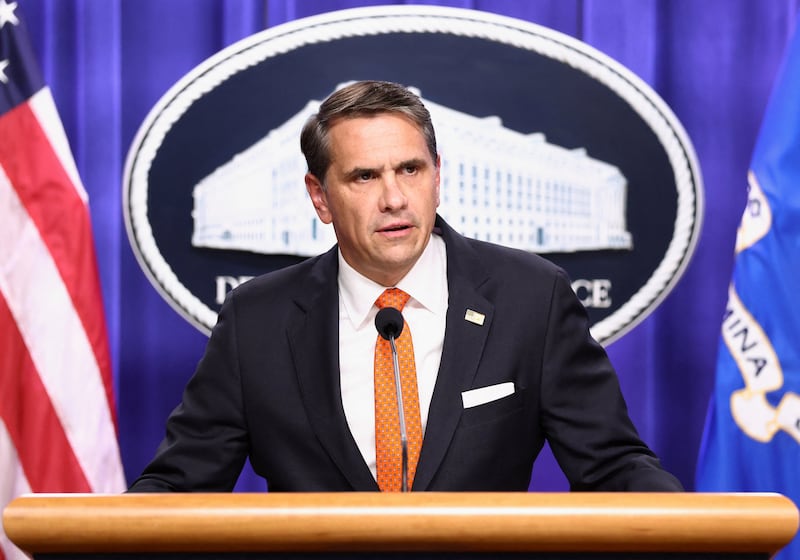
In the meantime, he pointed out that while Trump can make statements about the fund for political benefit, DOJ lawyers could face sanctions for making misrepresentations in court filings.
The DOJ’s lawyers assured the court, “Our briefs are assurances in writing. And those submissions are in court documents,” the Post reported.
Separately, the judge in the Virginia case, Leonie Brinkema, ordered the government not to proceed with the fund until at least Friday, when she’s scheduled to hold a hearing.
Judge Kathleen Williams, the judge overseeing the original IRS suit, also reopened the suit and ordered an investigation into whether the fund was “premised on deception.”
Williams had questioned whether there was a valid dispute between Trump and the IRS, given that the president oversees the Treasury Department, and asked the parties to submit briefs on whether a real case or controversy existed.
Rather than answer the court’s questions, Trump dropped the suit and—without informing the court of a settlement—struck a deal with his own DOJ.

The move came after Trump himself said at a rally in December that he was in a “strange position” suing his own IRS, NPR reported.
“I’ve gotta make a deal. I negotiate with myself,” he said.
The Daily Beast has reached out to the White House for comment.