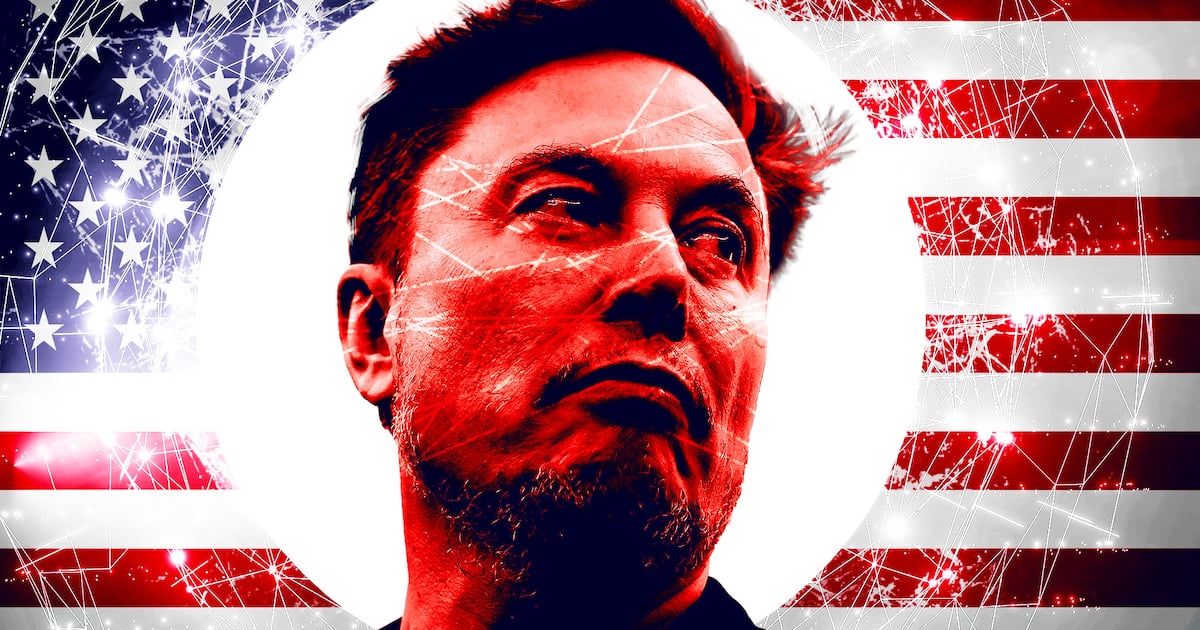
President Donald Trump’s Thursday night speech represented the intersection of mental illness and political plot. He truly does believe the 2020 election was stolen from him. Here is the confluence of paranoia, resentment, and his susceptibility to subjective reality over actual reality, i.e., delusion. At the same time, he more objectively understands that the issue suits him. It’s motivational for him; it binds his base to him. Trump is a politician who does not think in terms of policies, nor votes, nor coalitions. He thinks in story. One that he can tell, embellish, entertain with—and be the main character in. And this is Trump’s story. He’s at the center of it. On two occasions, I’ve sat with him as he has outlined his case for the stolen election, all his hurt on display. It’s an obsessive recitation of numbers, strange things that happened, and fragments of information that have long since lodged in his head. It’s a kind of delirium. The challenge his speechwriters try to rise to is to convert the rantings of a crazy man into more or less organized text. And the world, because he’s the president, has to take it more or less seriously. The most unsettling possibility isn’t that the story is a lie, but that its author experiences it as reality.
Dive deeper into the delusion. Click through to Michael Wolff’s HOWL on Substack for the full analysis.