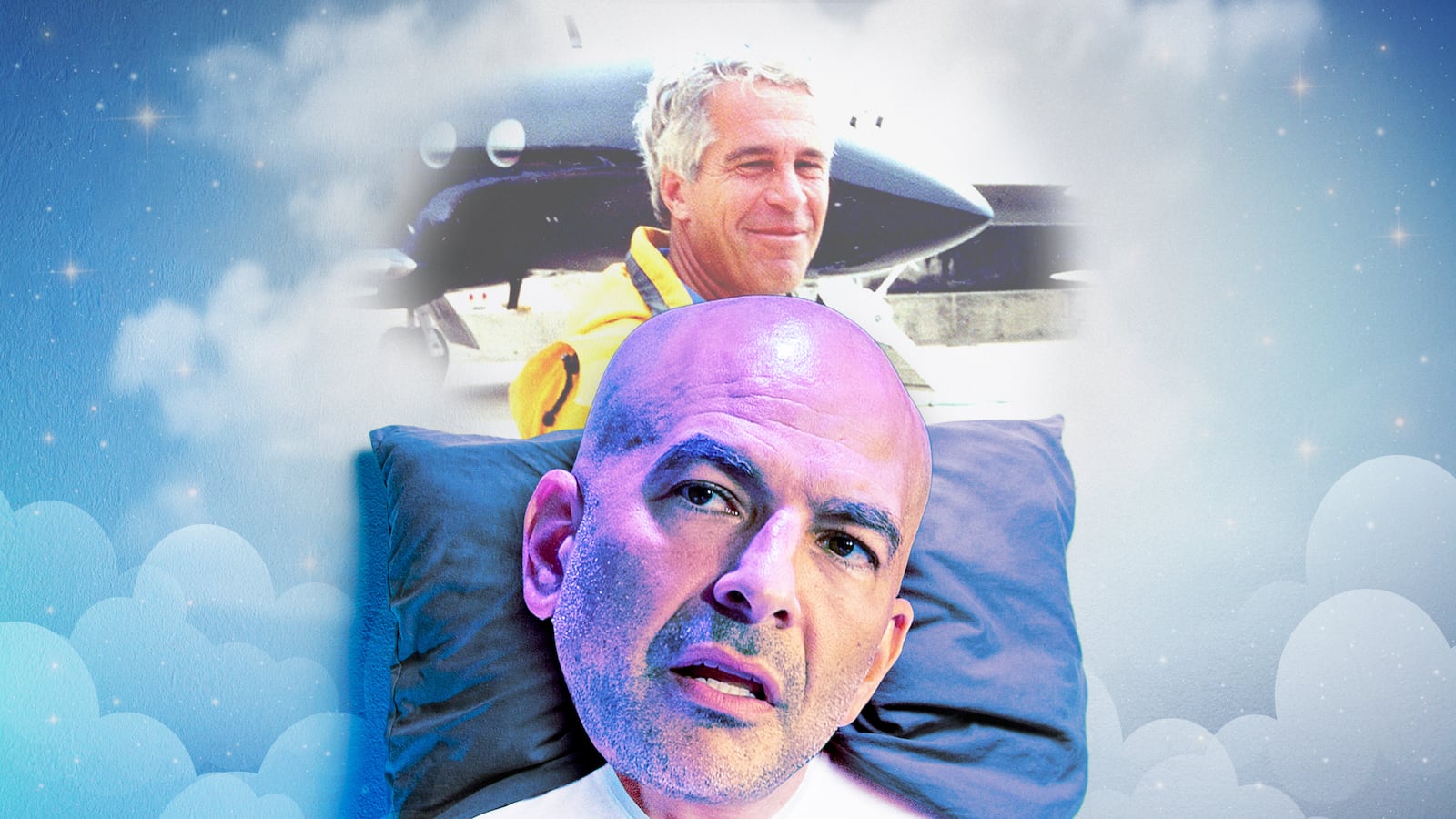
The scientific advisory board of Eight Sleep has shared early results of a groundbreaking study, under the expert guidance of Dr. Peter Attia, into the effects of widespread shaming on sleep quality. “In an era when so many everyday Americans are being credibly accused of having years-long friendships with convicted billionaire sex criminals,” a spokesperson for the board explained, “we feel that it’s more important than ever to understand the long-term impact this may have on not only the conscience, but also the brain health of the disgraced individual. After just the first few days of research, we’re already seeing that there is a direct link between having one’s ties to sex traffickers come to light and losing the ability to sleep peacefully at night.”

Dr. Attia will need to dedicate long hours away as both a subject of the study and its lead researcher, demonstrating yet again his commitment to placing nothing, not even time spent with those closest to him, above advancing the burgeoning field of longevity science.
The search for other subjects was fruitful, drawing some of the biggest and most besmirched names at the intersection of technology, philosophy and politics. Many, however, did not meet the standards for participation in the study.
Among those disqualified in its early stages was Elon Musk, despite his impassioned pleas in a series of Christmas morning emails to be included. The former Prince Andrew was also unable to participate, citing difficulty in commuting to observation sessions due to the loss of use of a deceased friend’s private jet. The current president was also ruled out, having been found incapable during initial tests of logging off of Truth Social long enough for EEG electrodes to capture a reading of his brain’s activity in a restful state.
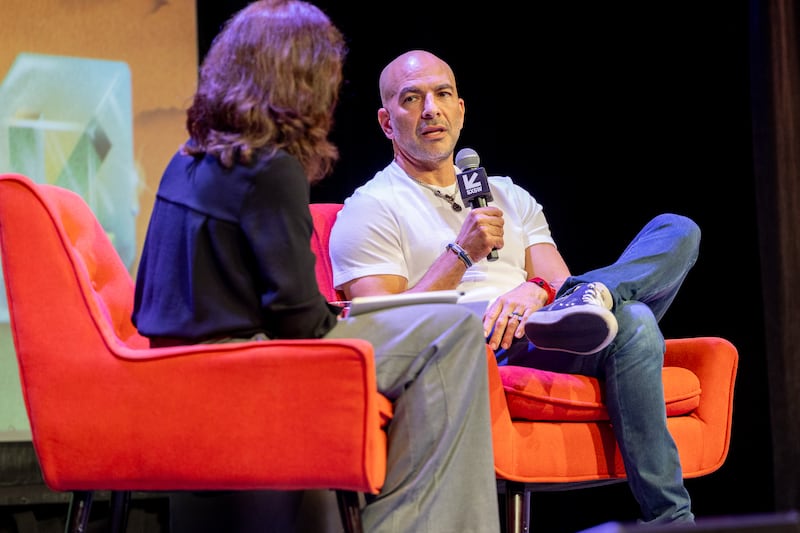
The research team hopes that continued observation will clarify how to accelerate the brain’s adaptive process as it builds tolerance for the painful experience of enduring public scrutiny for prioritizing crass email correspondence over being present for family health crises.
Other scientists, however, remain skeptical of this prospect. “What we’ve seen in patients in the past is a certain level of sleeplessness and distraction during waking hours, which persists until the individual finds a way to outlive their past,” shares one expert, “It’s my belief that there is no way to get around this, besides maybe spending some more time on a private island until it all blows over.”

Not deterred by these qualms, Attia and his fellow researchers have designed a strict regimen to be followed by the study’s participants, including rigorous sessions of written apology drafting, PR crisis management and groveling before spouses, as well a “low-carb” diet designed by Attia himself.
Once more definitive conclusions can be drawn, Attia says the study’s findings will be shared in an exclusive interview with CBS News.